Please sign in as a member or guest below to access it.
Please sign in as a member or guest below to access it.

Ready to hit the trails?
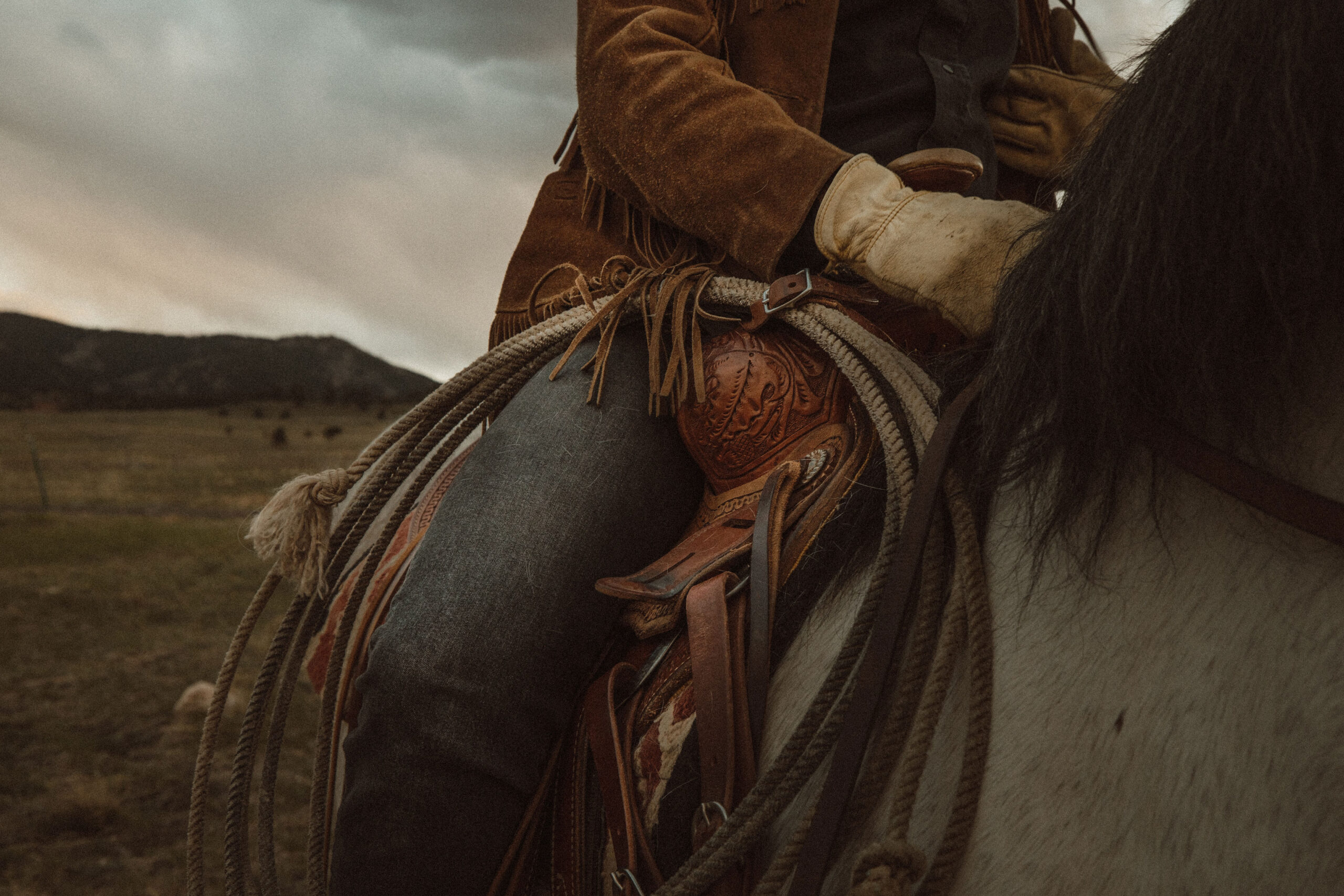
The cowboy is, perhaps, the most American icon. Subject of myth and hero of films, cowboys are known the world over as a potent symbol of American resilience, independence, courage, and fortitude.
But what was it really like to be a cowboy in the Wild West? The popular image of the gunslinging, stoic hero cowboy we’ve come to know through popular culture is a far cry from the life of a cowboy on the Texas frontier. Being a cowboy was a difficult, grueling, and dangerous job.
Recapture what it was like to be one of these trailblazing icons during the days of the Wild West through modern experiences, ranging from horseback journeys to primitive camping.
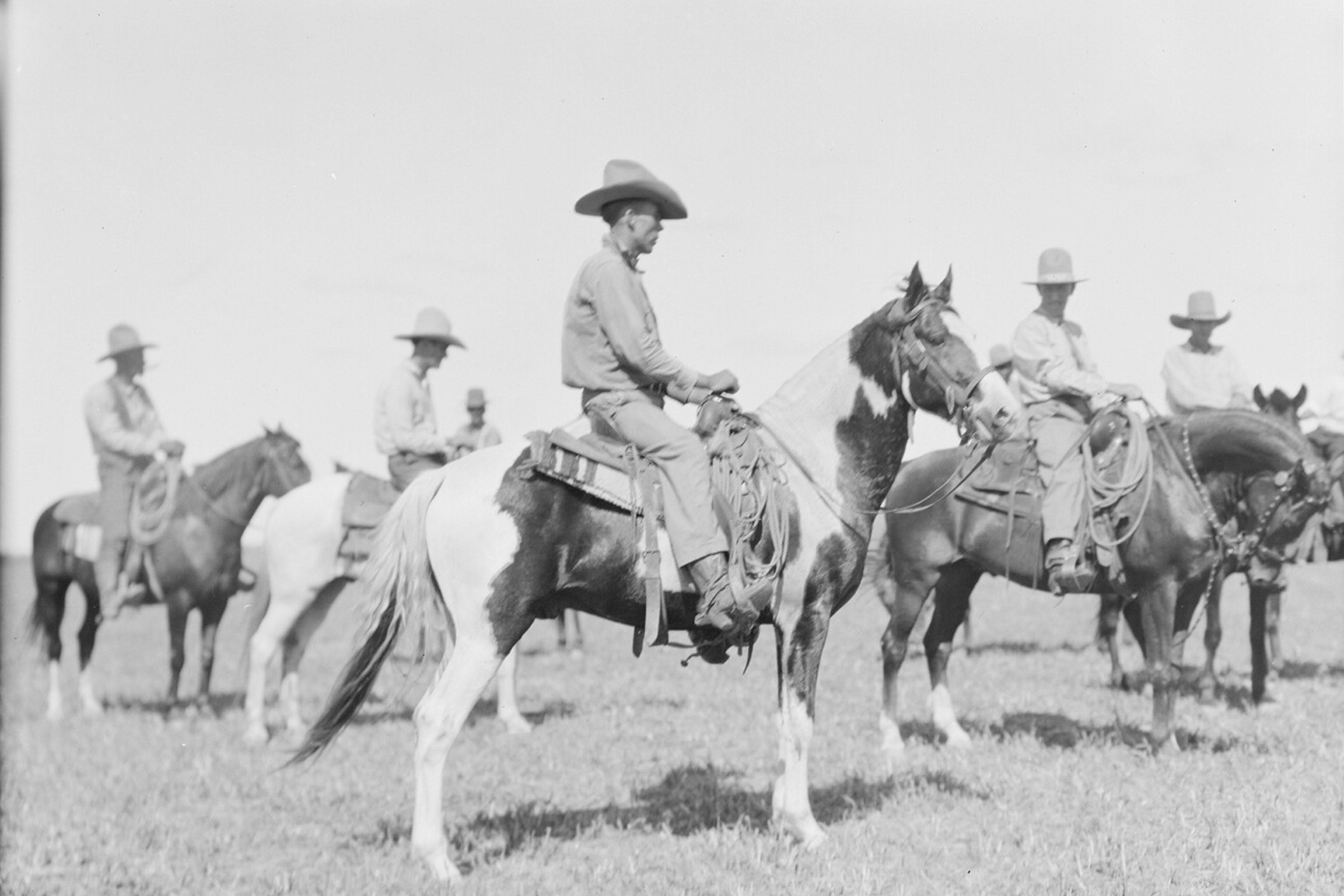
Cowboys have their roots in Spanish culture. After the Spanish began to colonize the Americas, they established large ranches worked by vaqueros, who herded cattle on imported horses. The Texas landscape was well suited for large cattle ranches, and as Anglo settlers began to move in, they adopted not only the ranching model but also some of the vaquero culture, including the wide-brimmed hats, tasseled pants, and skilled horsemanship.
The arrival of the railroads in the 1800s gave birth to the cattle drive. Cowboys no longer simply herded their cattle on ranches but drove huge herds of cattle to railroad hubs, where they were loaded and shipped off to cities. These drives helped shape the life and myth of the cowboy as a wandering loner, hardened by long days on the trail. After the Civil War, demand for beef skyrocketed, and by the late-1860s, millions of cattle were driven to cities like Fort Worth and Kansas City along now famous routes like the Chisholm Trail.
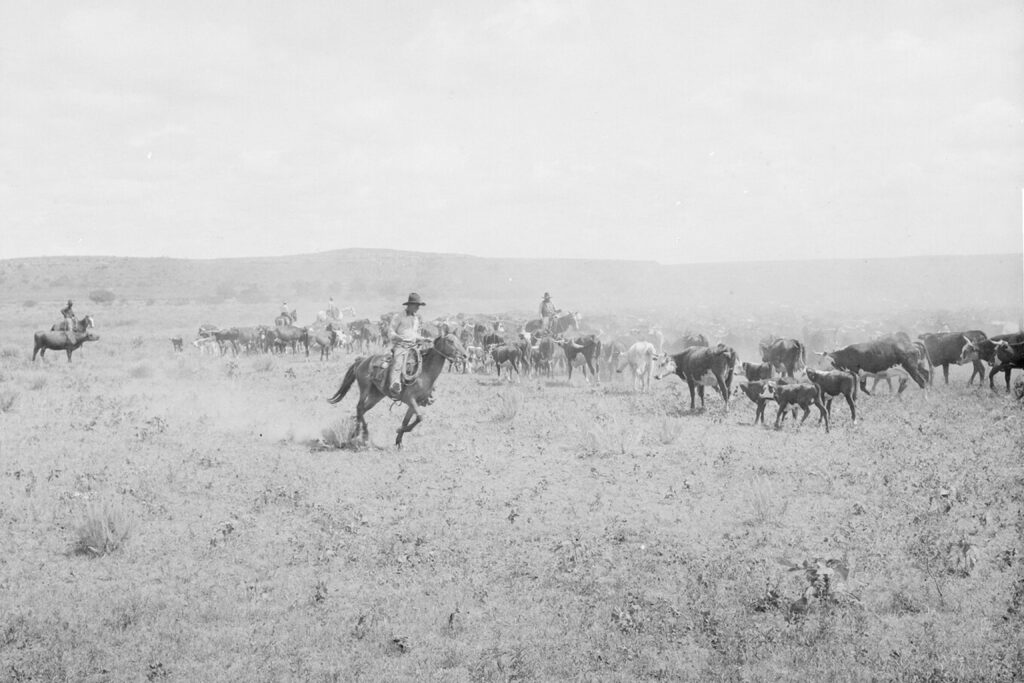
Unlike the image of the pistol-toting adventurer, real cowboys were low-paid, hardworking laborers. In addition to herding cattle, they needed to care for their horses, repair ranch fences and gear, and survive in harsh conditions. The frontier towns they visited along the trail were often dangerous places. Cowboys’ most essential job was keeping track of cattle.
Throughout most of the year, cattle roamed freely across vast acreages of land. But in the spring and fall, cowboys were tasked with rounding up the herds, sorting them by ranch, and branding and counting the animals. After the roundup, cowboys sometimes organized the herds into huge cattle drives, and some drives, like the Chisholm Trail, stretched for more than 600 miles from San Antonio to Abilene, Kansas. The herds could be as large as 2,000 and were run by a trail boss and a dozen cowboys.
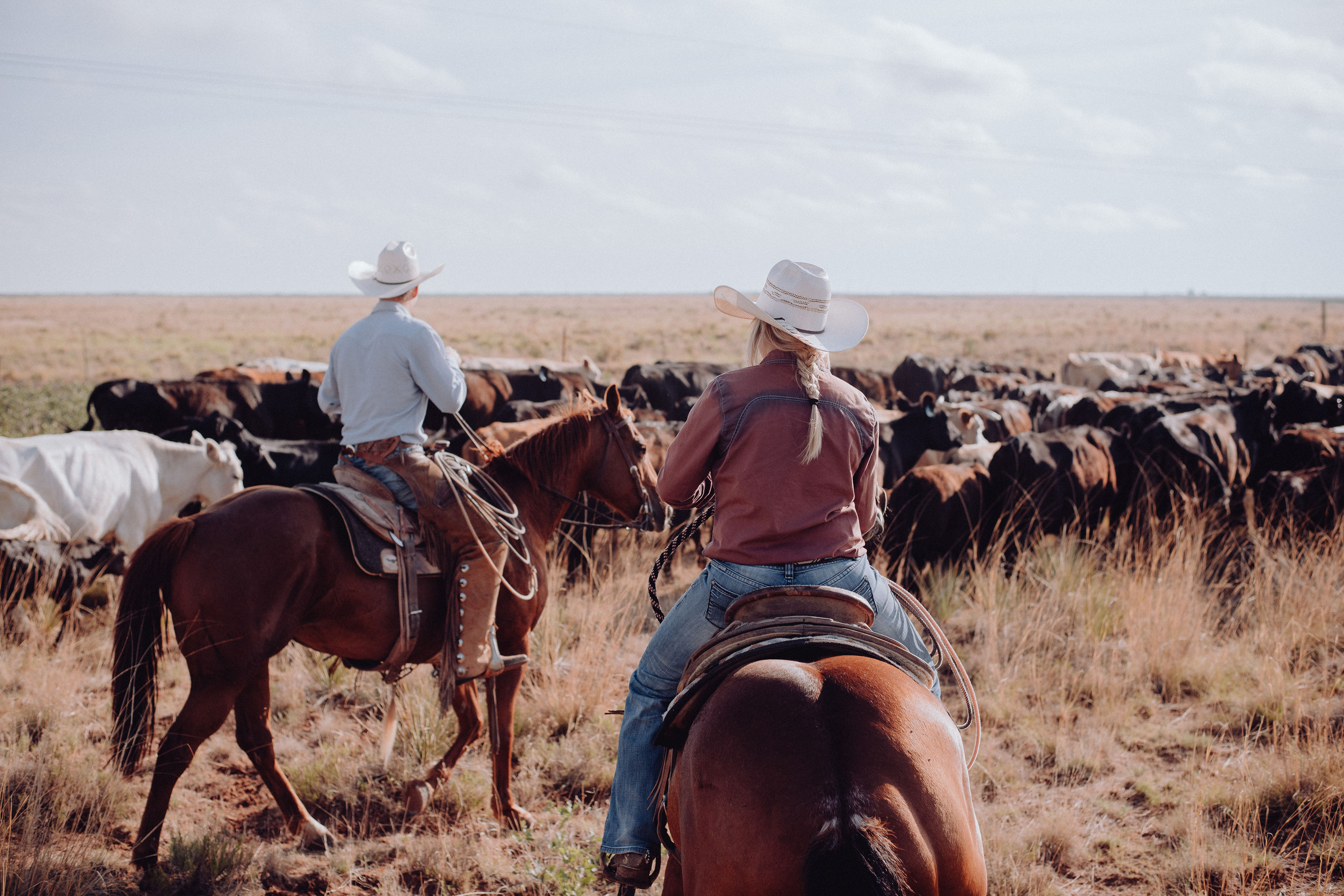
The classic era of the cowboy ended with the advent of new technologies that changed the cattle industry. As the West became more settled, farmers and ranchers began to use barbed wire fences to close in their land, and the long cattle drives could no longer stretch freely across the West. As railroads expanded, long drives were also not needed. Many ranchers could more easily move their herds to market via rail.
But even though the great drives across the frontier ended, the cowboy didn’t completely disappear. Cowboys continued to work ranches, herding and managing cattle. Today, working cowboys continue to be a staple of Texas life and culture, keeping alive the traditions and allure of this quintessential Texan profession.
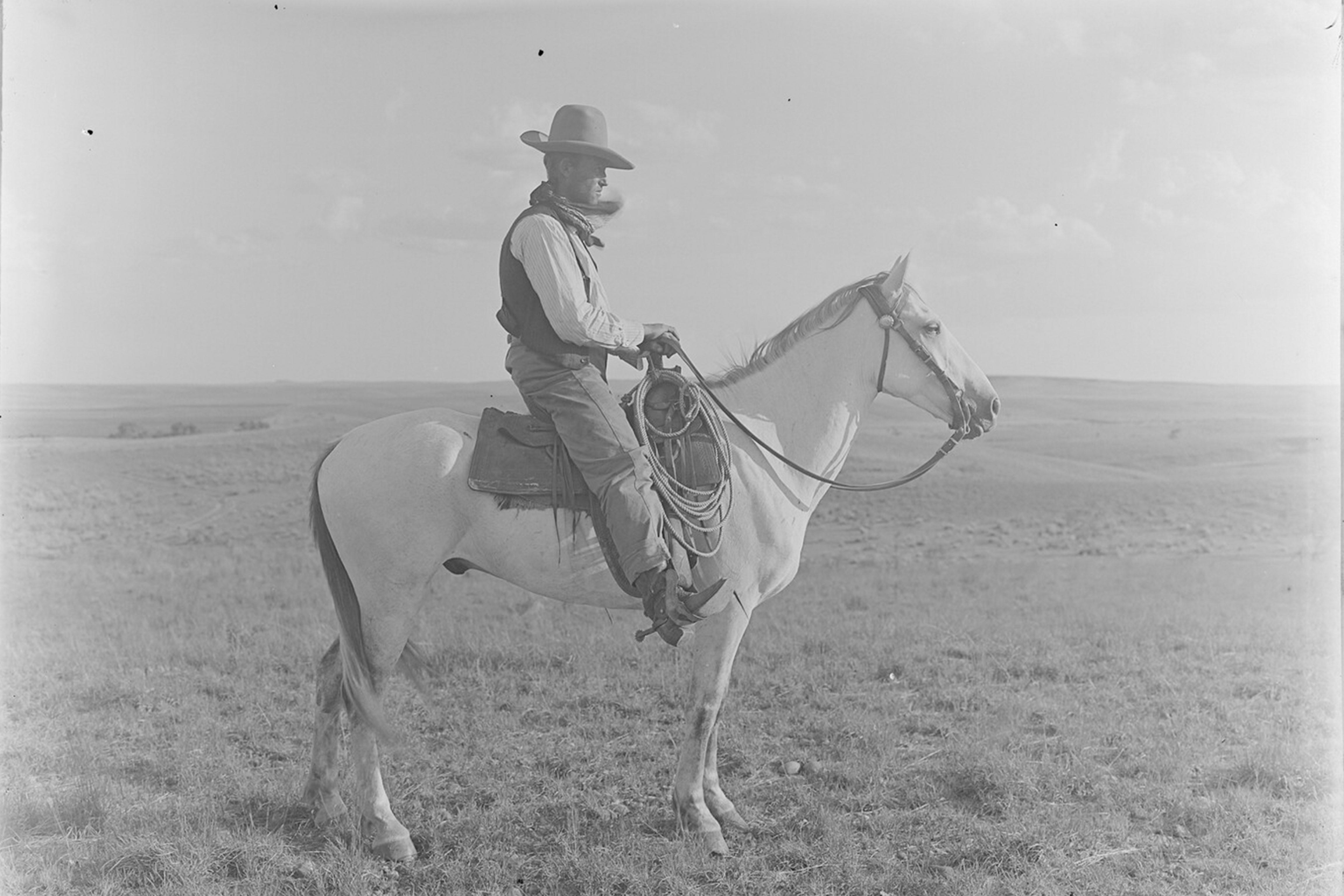
The cowboy outfit was born of practical needs rather than fashion sense. But that’s not to say you can’t be both. Get inspired by the quintessential elements of a cowboy’s attire:
Horseback riding is an essential part of learning how to be a cowboy. There are plenty of places around the Lone Star State where even the most unseasoned cowboy or cowgirl can tap into their inner frontier spirit. Here are a few of our picks:
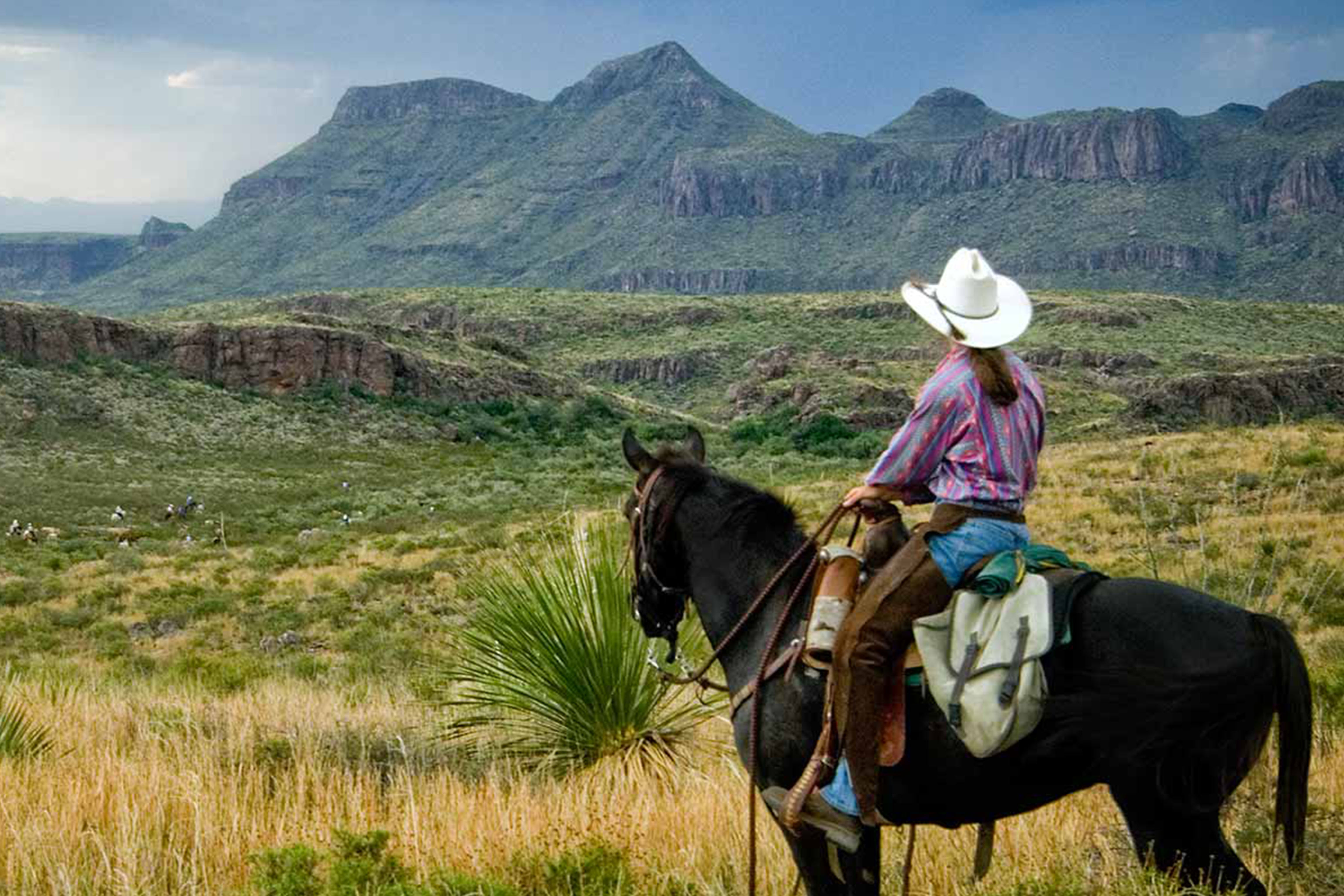
Go back to basics at these iconic Texas state parks.
Learning how to be a cowboy is only part of embracing Texas’ rich history. Step into the Wild West and read up on the most notorious Texas outlaws.
© 2023 Texas Farm Bureau Insurance
Texas Coffee Roasters Are Brewing Up a Storm
Join us for a cup of coffee and find out why Texas’s roasting scene is buzzing with some of the best brews in the world.
Get a close-up view of giraffes, antelope, snakes, and lemurs.
Cozy Up With These Good Winter Books
Nothing beats curling up on the couch with a few good winter books.
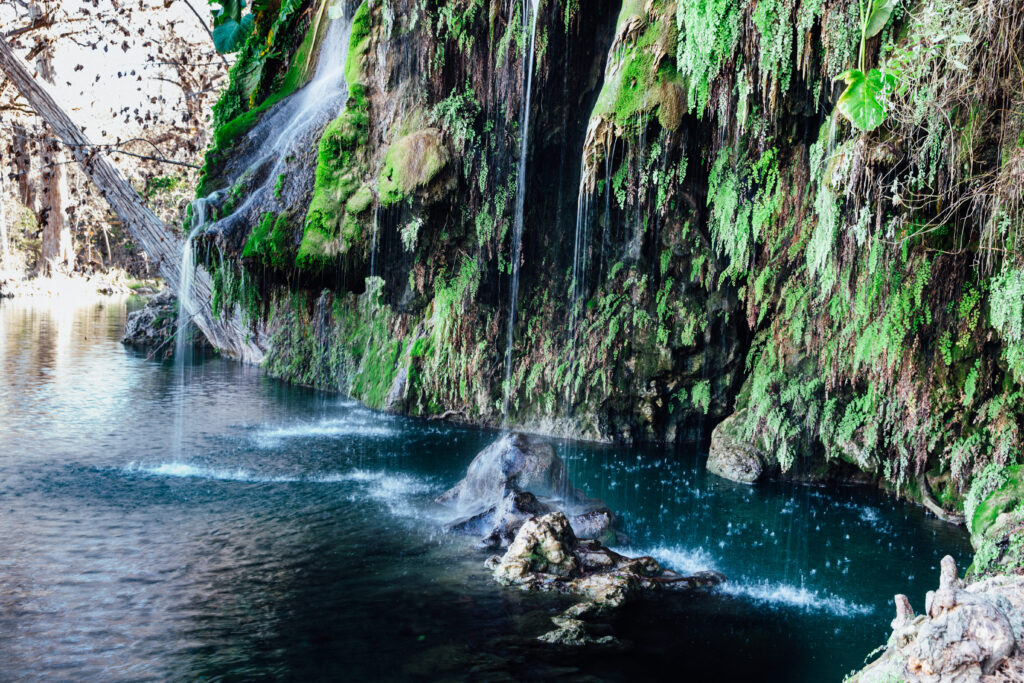
Explore the Hidden Underworld of Texas Caverns
Some of Texas’ most intriguing vistas are hidden away underground, where geological marvels have created spooky caves and caverns.

How to Help Coronavirus First Responders
Show some love for our heroes in scrubs.
First Timer’s Guide to Tailgating
Hosting or attending a tailgate for the first time? Check out our guide to the three essentials of any tailgate: food, fun, and safety. Tailgate Grub Whether you pre-prep your game day snacks at home or grill them up right in the parking lot, these menu ideas will keep the crew’s spirits up (and appetites […]