Please sign in as a member or guest below to access it.
Please sign in as a member or guest below to access it.

Less is more.

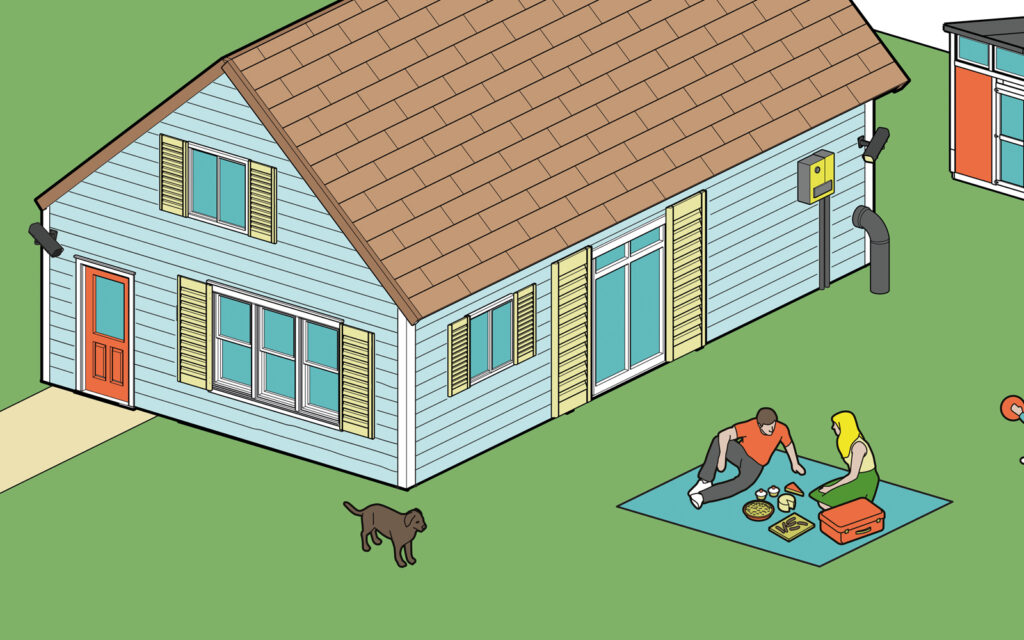
Downsizing is more than just another move. It can be a rare opportunity to redefine — and enhance — your life. Texans downsize for different reasons. For some, it’s about meeting financial goals, while others want to embrace their new empty nester status. Then, there’s the case for less space and fewer maintenance needs. Some common pros of downsizing:
As with anything, there are some cons to downsizing your home. Here are some of the main potential hidden costs to consider:
Knowing where to start when it comes to downsizing can be daunting, but breaking down the process into steps can help.
Consider your new space and come up with guidelines. How much room will you have? What will your storage options look like? Before you start decluttering and packing, create four piles for your things: keep, donate, toss, and undecided. It’s natural to want to keep some items, so let these piles guide you.
If you have the luxury to do so, take it slow and go room by room. This process will make decluttering an entire house more manageable. Start with the garage or guest room, a space you use the least. Think about what you want — and need — to keep.
If you find yourself accumulating a lot of unwanted items, consider hosting a yard sale. Donate whatever you don’t sell to The Salvation Army or other local charities.
With less real estate comes different insurance needs. Even if you’ve had the same policies for years, a move of this magnitude will require you to reevaluate your insurance.
You’ll especially want to think about your auto and property coverage. With property insurance, the size of your home can dictate how much coverage you need. And, if you’re downsizing to one vehicle, you could see a reduced auto insurance premium.
Once you’ve downsized, you’ll want to give your Agent a call. This is the perfect time for a 360 Review, which is a systematic look at all of your insurance policies and an analysis of any life circumstances or changes that can impact your coverage — such as downsizing. Plus, an annual policy review can catch a few things you’ll want to know, such as your liability risk and whether or not you have the right amount of coverage.
Downsizing isn’t a one-size-fits-all experience, but it can be rewarding. Reducing your square footage can expand your life by creating more freedom and less stress. Take time to assess your goals and future needs to plan your next chapter carefully.
Get the downsizing process started with this guide to decluttering your home.
Coverage and discounts are subject to qualifications and policy terms and may vary by situation.
The Best Christmas Gift for Your Grandchild
What if the most meaningful Christmas gift you could buy couldn’t be bought in a store?

Don’t fumble the right coverage.
How Insurance Changes With Your Family: A Timeline
As your family grows, so do your insurance needs.
Simple Home Investments that Can Save You Money
To increase your home’s value while saving on insurance premiums, start with your roof. Then keep going until you get to the plumbing.

4 Ways to Build Your Rainy-Day Fund
These four tips can help you save up quickly for unexpected or unplanned expenses.

FAQs: Texas Farm Bureau Membership
Are you making the most of your exclusive member benefits?