Please sign in as a member or guest below to access it.
Please sign in as a member or guest below to access it.

No one plans for a car accident but knowing what to do next can make it a little easier to navigate.
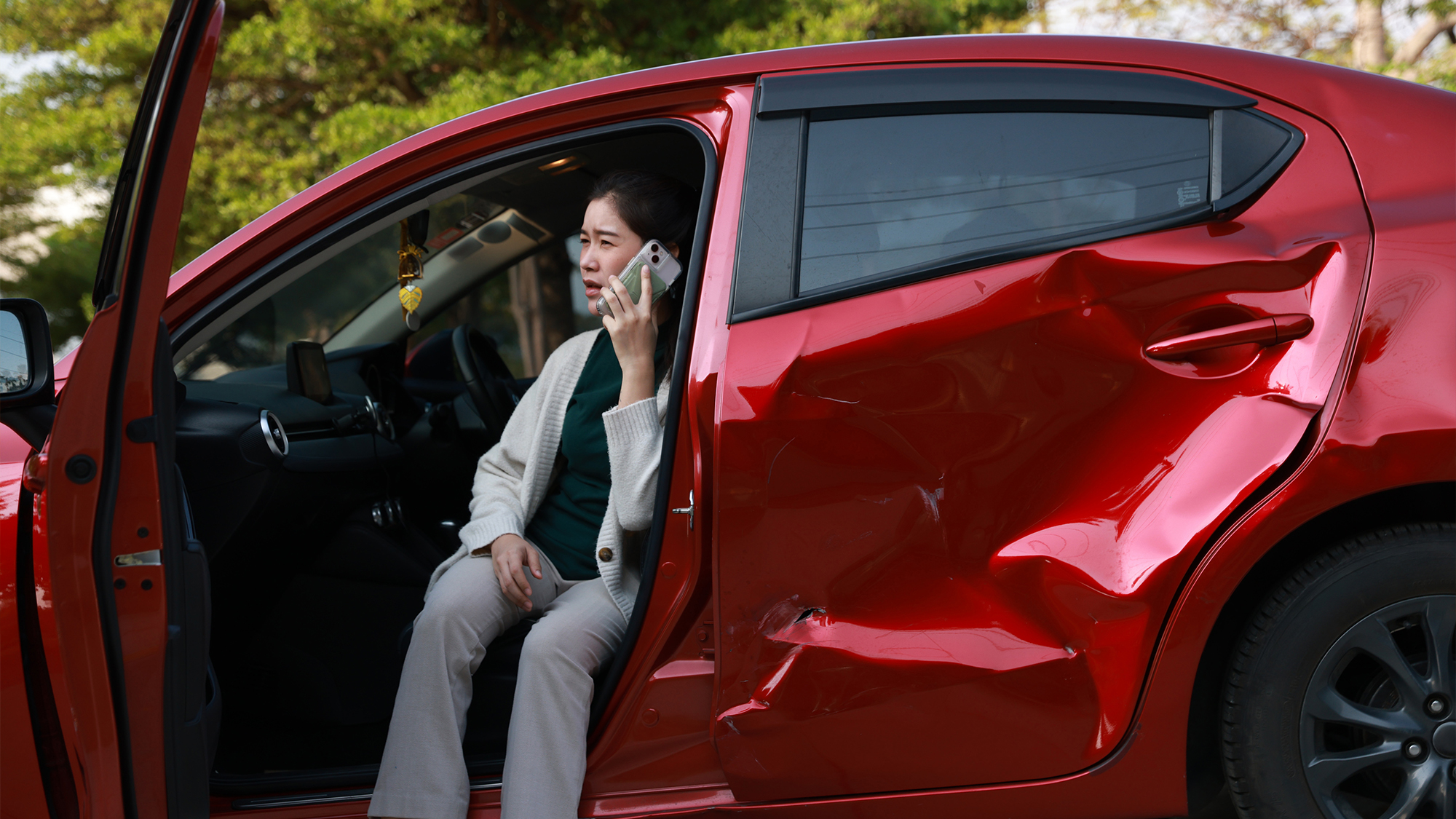
A car accident is scary, disorienting, and unsettling, no matter how minor it may seem. In those first few moments, it’s normal to feel shaken and overwhelmed, but what you do immediately after can make a real difference in your safety, legal protections, and insurance outcome.
That’s why it’s important to have a clear mental checklist ready to go in case of an emergency. When stress is high and emotions are running the show, a straightforward plan keeps you safe and protected when it matters most.
Here’s your step-by-step guide to follow after a car collision.
Before anything else, check yourself and any other passengers for injuries. If anyone is unconscious, heavily bleeding, or in severe pain, do not move them unless there is immediate danger, such as fire or an oncoming car. Without great caution and care, attempting to move an injured person can worsen injuries.
If the vehicle is drivable and it is safe to do so, move to the side of the road or a nearby parking lot. Whether it’s day or night, also be sure to turn on your hazard lights to alert other drivers.
Call emergency services if there are injuries, significant vehicle damage, blocked traffic, or uncertainty about safety. Even if the accident seems minor, an official police report is beneficial for legal protection, insurance claims, and the safety of everyone involved.
When speaking with a 911 dispatcher, provide your exact location, briefly describe the incident, and mention any injuries.
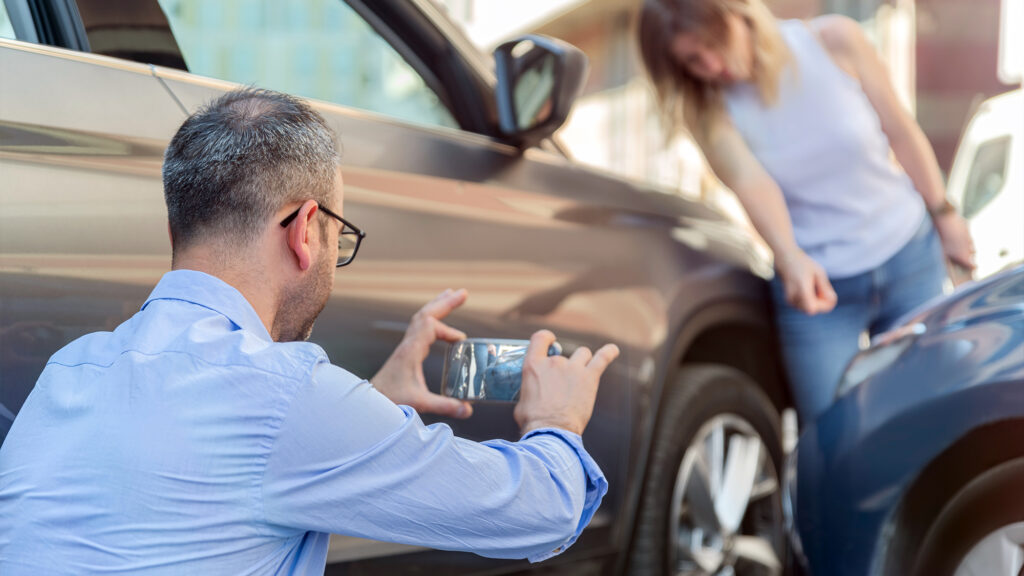
If you are able and in a safe location, it’s wise to document the scene. The more evidence, the better, so take clear pictures and videos on your phone of the vehicle damage, license plates, road conditions, traffic signs and signals, and the surrounding area. It’s also helpful to write down exactly what happened while your memory is still fresh. Include the date, time, weather conditions, and direction of travel.
When it is safe to do so, exchange information with any other drivers involved in the accident. This includes their full name; contact information; license plate number; driver’s license number; insurance company and policy number; and the make, model, and color of their car. Stick to the basic facts and avoid discussing fault or speculation.
If there are witnesses to the crash, you can politely ask for their contact information as well. If you feel unsafe doing so, wait until law enforcement arrives.
Texas Farm Bureau Insurance policyholders can contact their Agent for guidance on next steps or begin the claims process online or by phone.
Be honest and stick to the facts when describing what happened but avoid speculation or assigning blame. Your claims representative, along with any police report or supporting documentation, will help determine fault and guide you through the process.

Emotions run high after a car accident, even if the damage felt slight. As a result, injuries are often delayed because adrenaline can temporarily mask aches or pains.
Even if you felt fine at the scene, stay vigilant and continue to monitor how you feel. If you suddenly feel shaken, unsure, or unwell, whether that’s soreness, dizziness, confusion, or just a general sense that something isn’t right, seek medical attention as soon as possible. From there, a doctor can properly assess injuries, recommend any necessary treatment, and keep detailed records for future insurance claims.
A car accident is stressful, but a calm, structured response can prevent further harm and protect your rights. By checking for injuries, carefully documenting the scene, and notifying law enforcement and insurance companies promptly, you put yourself in the strongest possible position to recover physically, legally, and financially.
Car troubles can take many shapes but having a car emergency kit on hand can help.
How to Toddler-Proof Your Home
Keep your little ones out of harm’s way at home.
5 Car Tech Accessories Changing How We Drive
From maps to Bluetooth, technologies can transform our experience on the road.
Wake-up Call: Drowsy Driving Can Have Dire Consequences
With Texas' unpredictable winter weather, it’s important for Texans to be aware of the dangers of drowsy driving.

The Future Is Here: How Self-Driving Cars Are Changing Our Roads
Self-driving cars promise faster, safer, and more efficient roads. But how will these new technologies change the way we drive?

Your Annual Car-Maintenance Checklist
Here are a few things you can check off the list yourself.

Tricks to keep Fluffy and Fido safe.