Please sign in as a member or guest below to access it.
Please sign in as a member or guest below to access it.

Because a bucket of water isn’t always the answer.
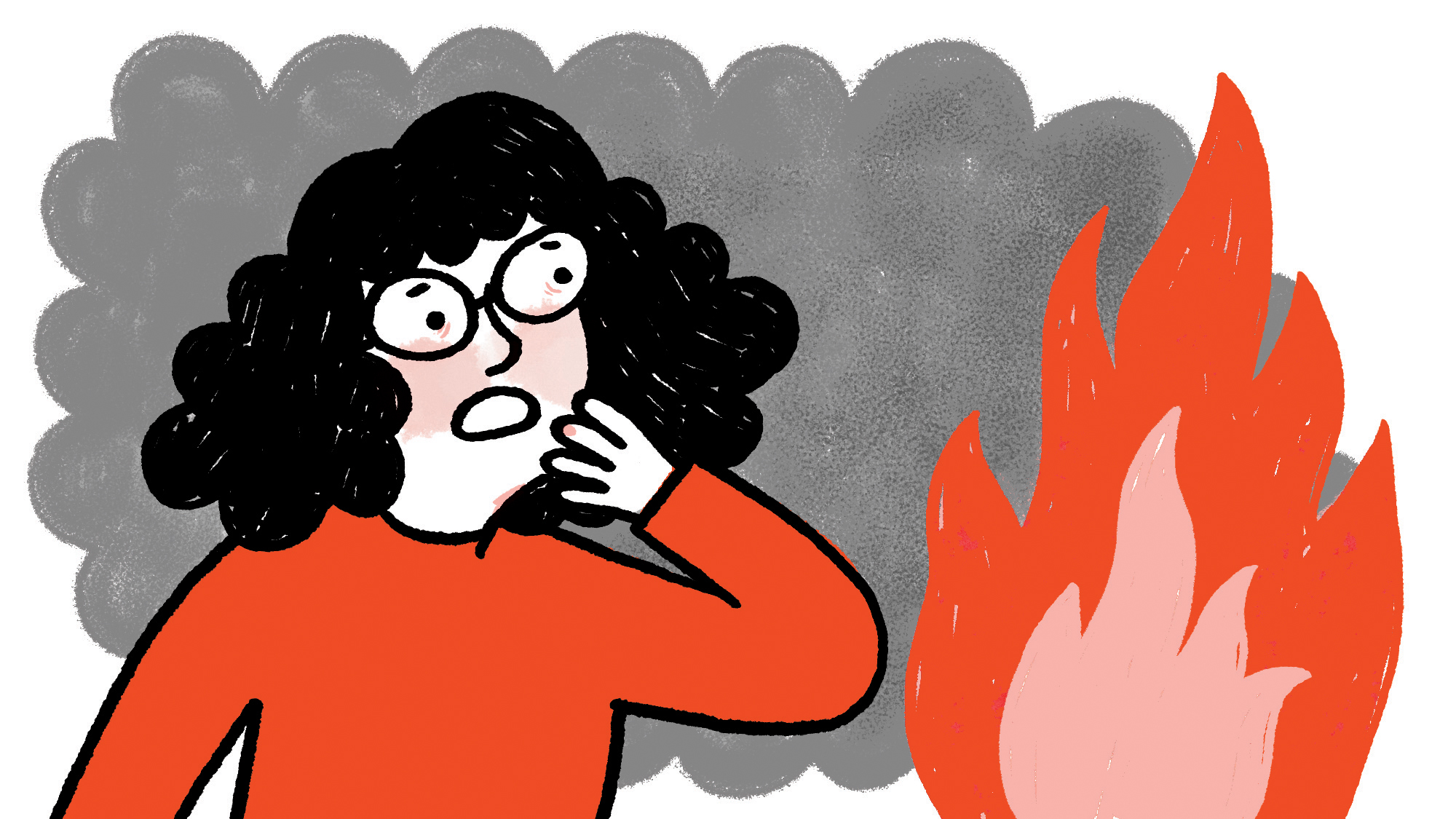
U.S. fire departments responded to an estimated 329,500 home fires in 2024, according to the National Fire Protection Association. That’s about one every 96 seconds.
Every second counts when a fire breaks out at home. It only takes minutes for thick, black smoke to fill the house. But not every fire requires the same response, and you don’t exactly have time to ask Alexa what to do as your breakfast omelet goes up in flames.
Here’s what you need to know before things heat up.
The right extinguisher depends on what’s burning. The large letter, or letters, on the label tells you what it can handle.
Most home extinguishers combine A, B, and C. Only adults should use them, and only on small, contained fires that aren’t growing — think a small trash can.
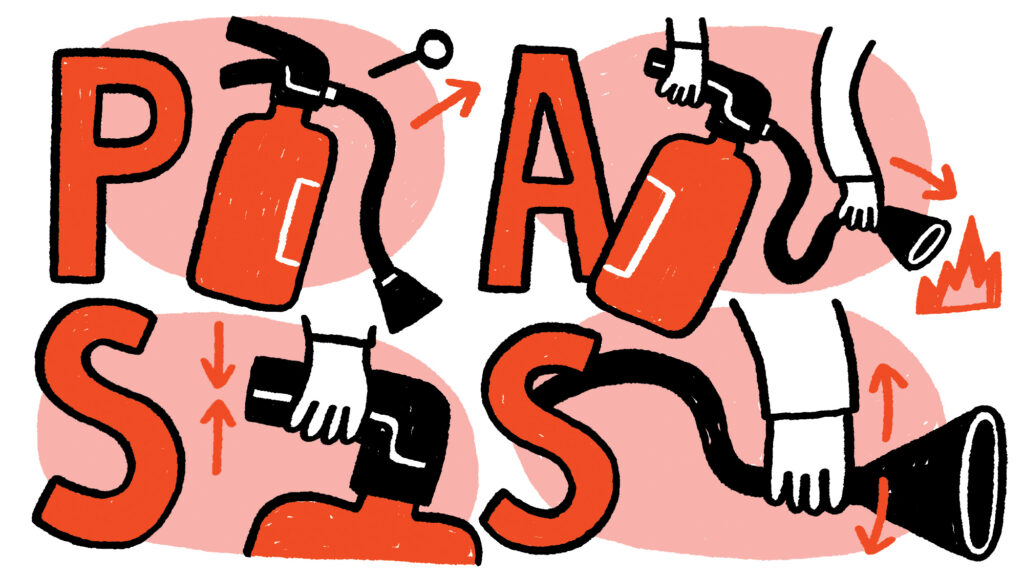
When using an extinguisher, remember to PASS:
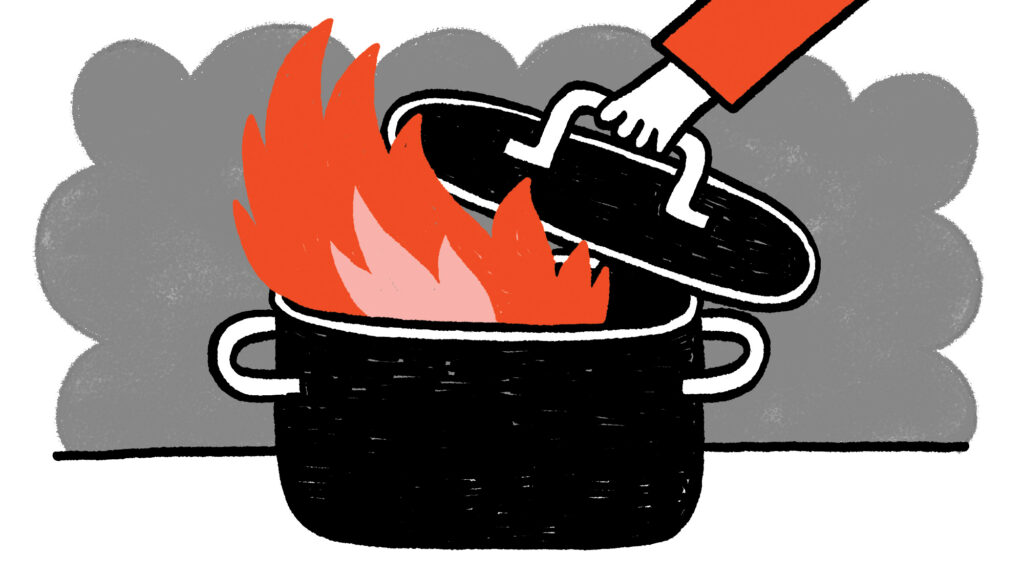
Most home fires start in the kitchen. For a stovetop grease fire, make like gravy and smother it by covering the pan with a metal lid or baking sheet. Don’t use a glass lid, which can shatter, and never pour water on a grease fire. For an oven fire, turn off the heat and leave the door closed. The idea here is to deprive the fire of oxygen, which will eventually cause it to go out.
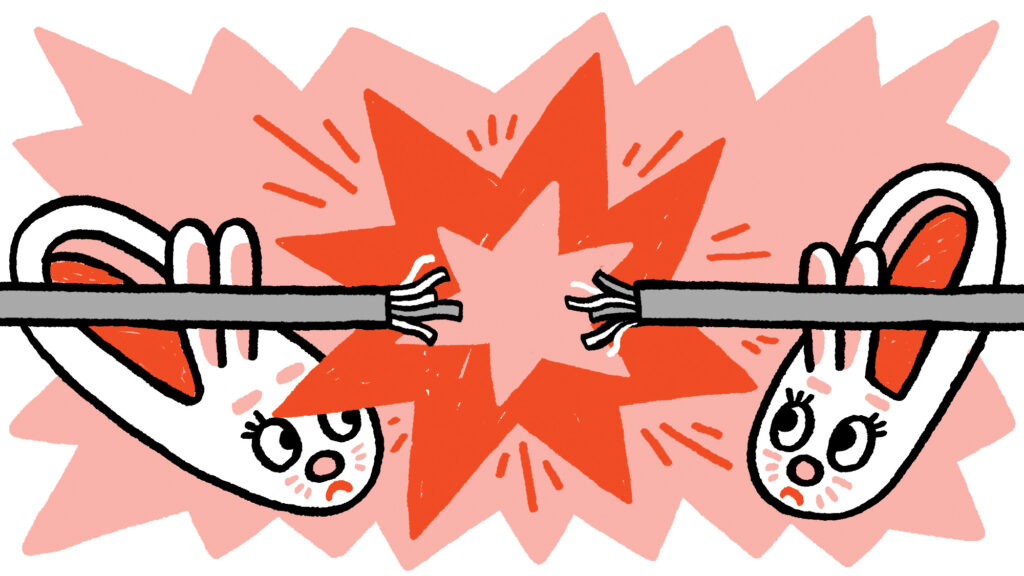
Cracked, damaged, or loose cords can spark a fire. If you can safely reach the breaker box, turn off the power. Never use water on an electrical fire, as you could get shocked or electrocuted. For a small, contained fire that isn’t growing, use a fire extinguisher or smother the fire with a heavy blanket or baking soda.
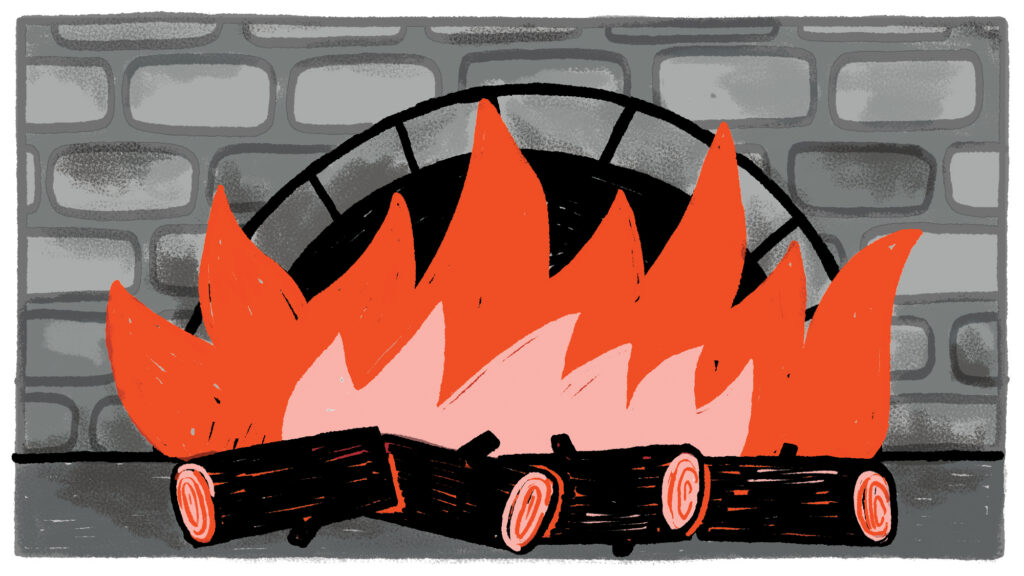
Two common causes of chimney fires are creosote buildup in the flue and the proximity of combustible materials. Have your chimney inspected and cleaned annually and keep anything that can burn at least 3 feet from the fireplace. Never burn paper in a fireplace because escaping embers can ignite your home or your neighbor’s.
If a chimney fire starts, call 911. If safe, close the fireplace insert doors and intake air valves to reduce oxygen.
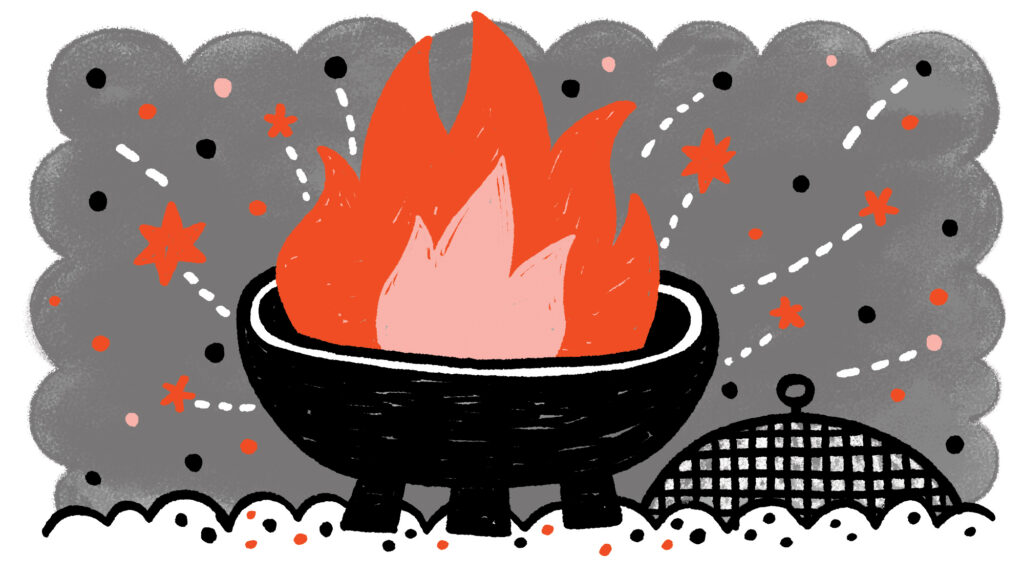
High winds can carry hot sparks and embers from firepits into dry mulch and leaves. Make Smokey Bear proud and use a metal screen over the firepit and keep a garden hose handy. Douse the fire with water, then stir in dirt or sand. If it’s still hot, keep dousing. If the fire spreads, move away and call 911.
If you have doubts about fighting a fire, don’t. Get people and pets outdoors, closing doors behind you to help contain it, and call 911 from a distance.
Find more ways to protect your home and family in our fire safety roundup.

Now is the time to prepare your garden for the winter months before crisp autumn days fade into the cool of winter and nature prepares for her annual hibernation.

A Guide to Succulents (the Plants Made for Texas)
Succulents are low-maintenance and impossibly good-looking. And they love Texas as much as you do.
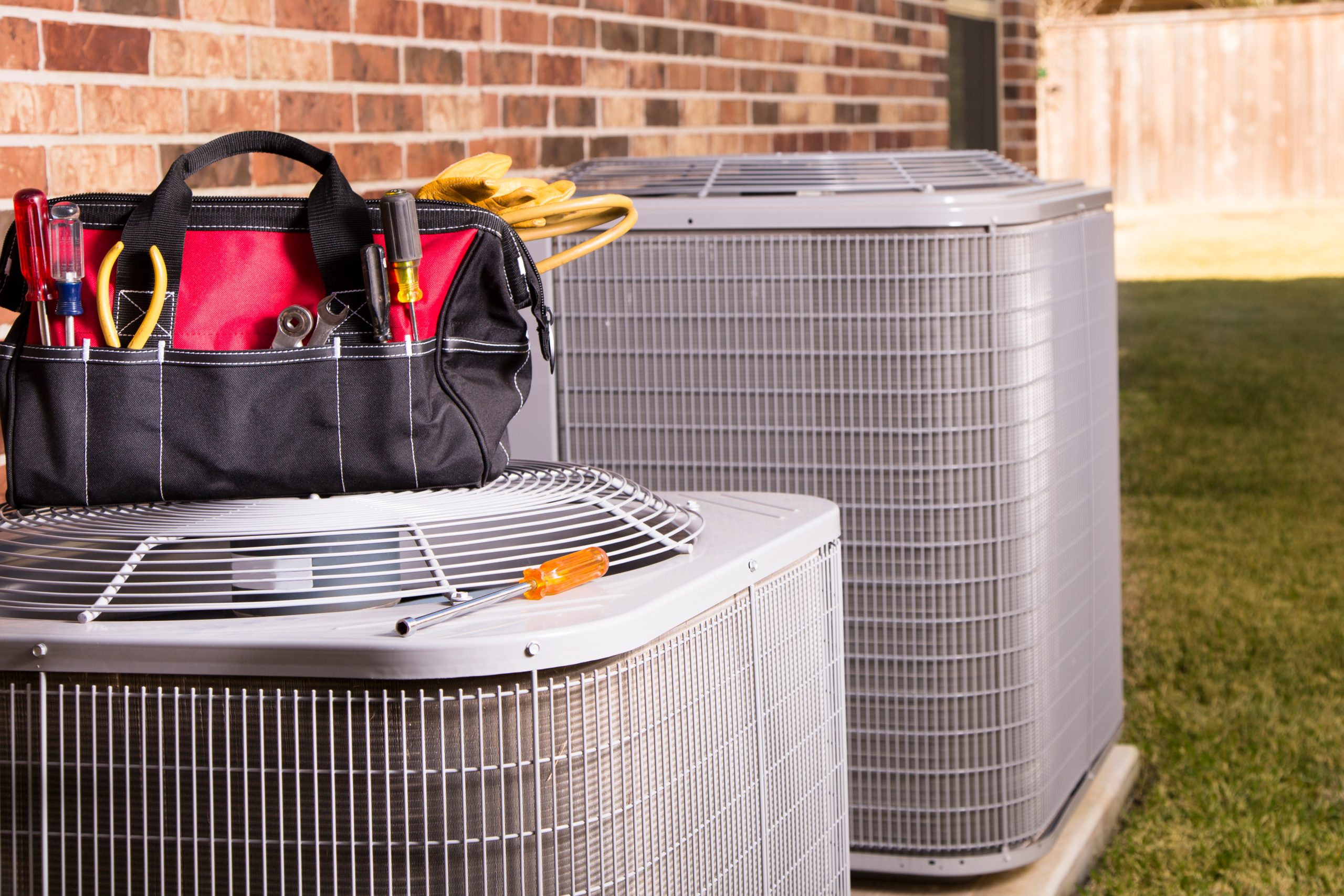
How to Care for an Outdoor HVAC Unit
Keep your home’s MVP in the cooling game.
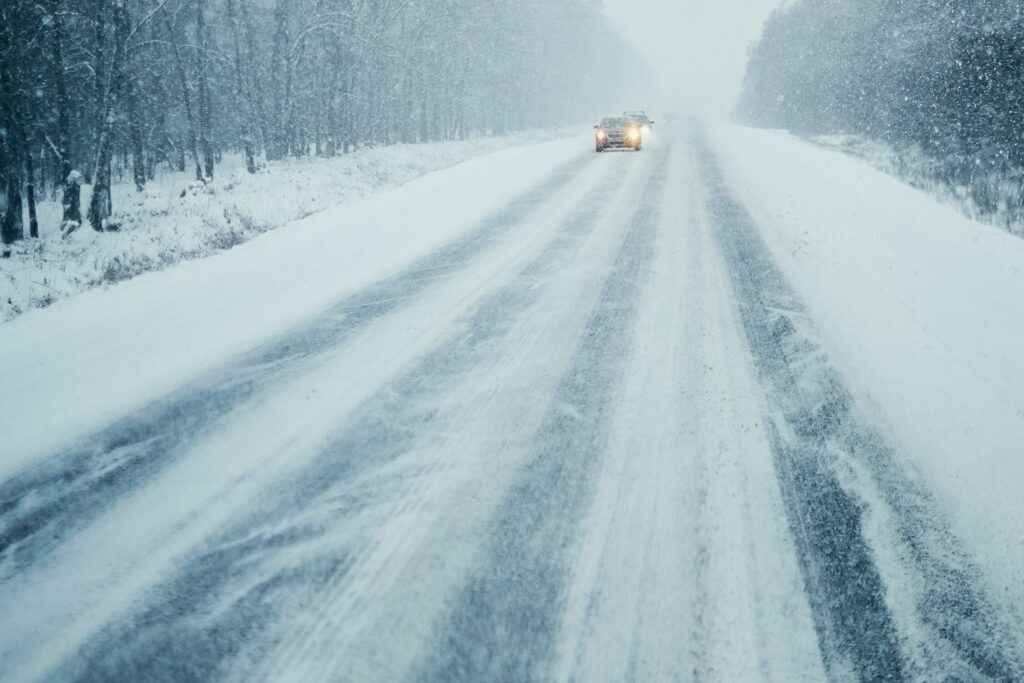
Slowwww down!

Keep your view clear and your wipers intact.
Texas presents an annual rain-catcher award to incentivize innovative water conservation.