Please sign in as a member or guest below to access it.
Please sign in as a member or guest below to access it.

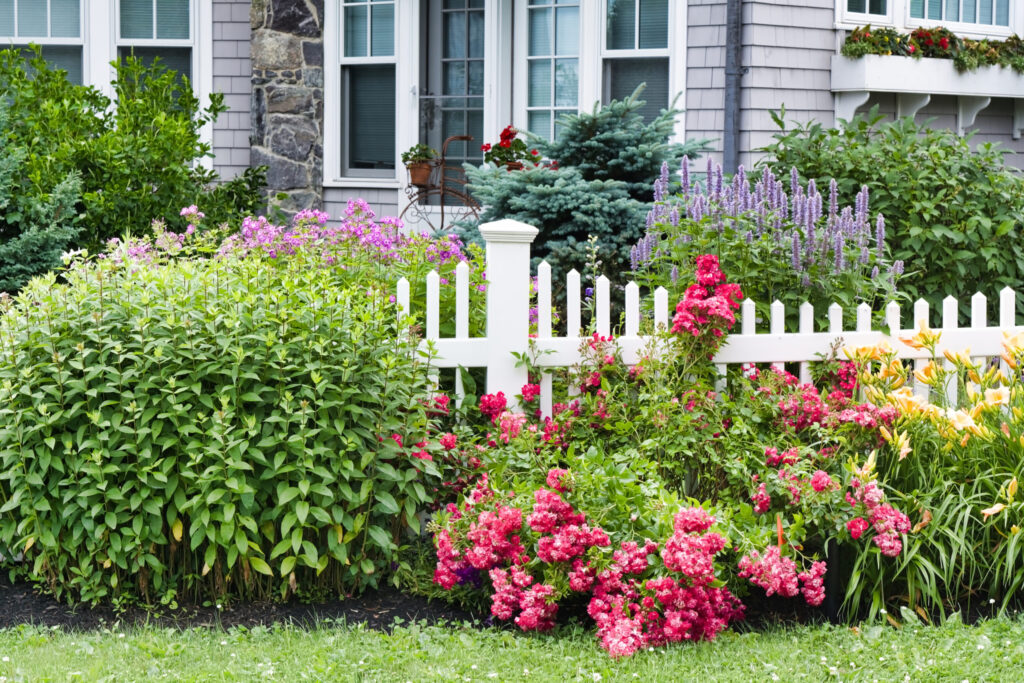
Show your Texas pride by planting some native Texas plants.
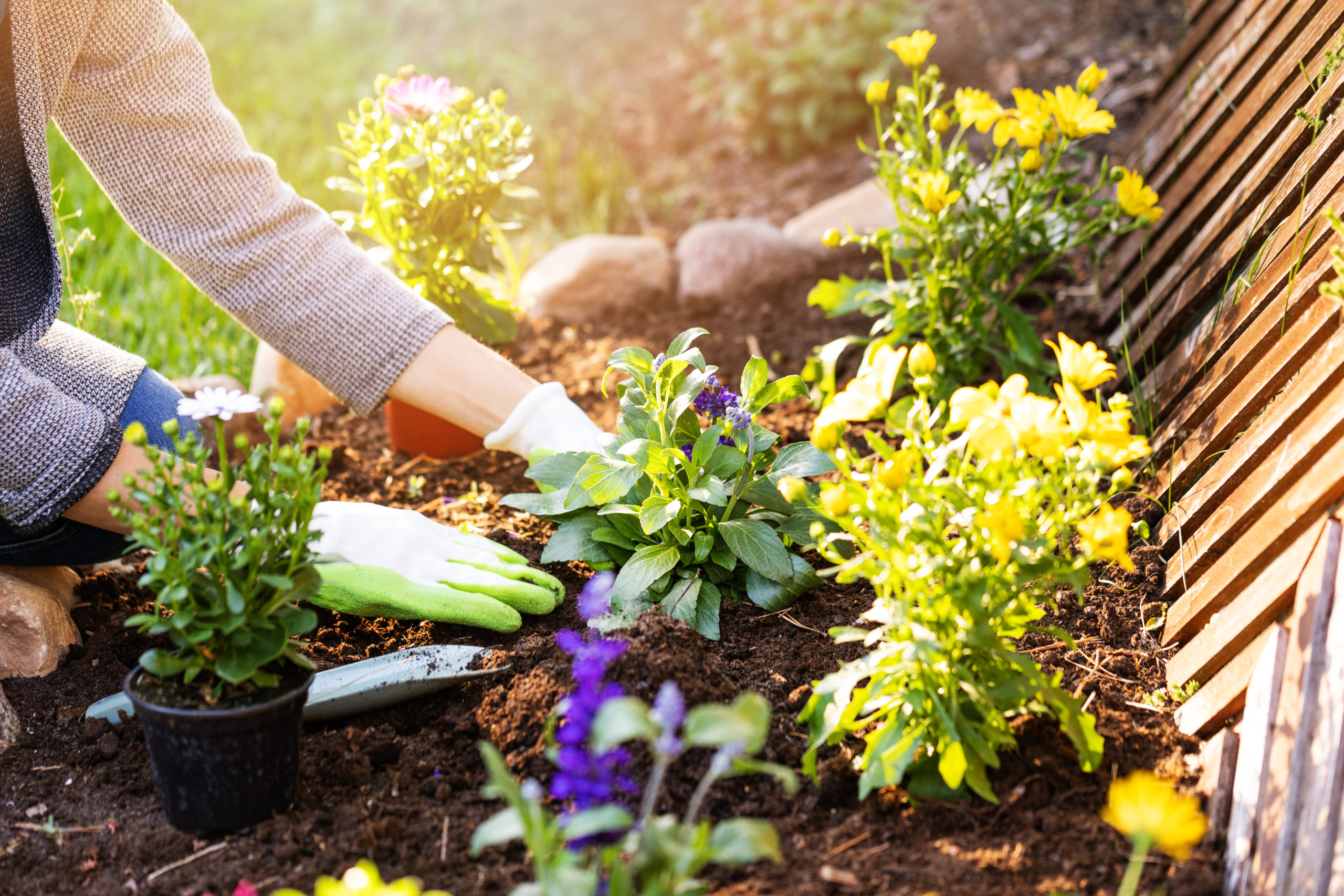
There are many reasons to try ecological gardening practices. Maybe you want to conserve water and lower your bills. Maybe it’s simple Texas pride, and you want to transition your yard to plants that reflect the topographical region you live in.
Whatever your reason, ecological gardening can be simple thanks to a few basic tips for preparing your soil and choosing your plants. Here’s where to begin.
Ecological gardening attempts to be more sensitive to the way the natural environment supports the things growing in your yard, harnessing natural approaches toward landscaping and gardening.
Ecological gardening utilizes native plants that create habitats for local wildlife, collect and conserve rainwater, and respond to changing seasons. It also helps remove invasive plants that damage or overrun local ecosystems. Put simply, ecological gardening means creating a garden that’s more resilient and sustainable.
All it takes to establish your ecological garden is a fresh start for your little plot of land. One of the main principles of ecological gardening is managing your “inputs” — that is, what you add to the earth to help your plants grow. That begins with proper soil maintenance. Here’s how to prepare your soil for your new garden.
Ecological gardening means shying away from some of the landscaping staples that have come to dominate many American yards. Ecological gardeners often discover native species that possess a rare and distinct beauty. Choose plants you’ll enjoy, and know that they are not only attractive but that they also belong there! There are many benefits to choosing native plants:
Weeds are a fact of gardening, but keeping weeds at bay in your ecological garden can be easy thanks to a variety of low-impact methods:
Need a helping hand? You’ll want to choose plants based on the specific conditions of your site, including how much light and rain it receives and the natural soil condition. You also want plants that complement each other and work together to help support and sustain the natural ecology. There are several resources you can seek guidance from to make the best plant choices:
Learn more ways to conserve water here.
© 2020 Texas Farm Bureau Insurance
Our 5 Gorgeous Garden Photo Contest Winners
Find out what photos made the final cut.

9 Neighborhood Halloween Ideas
Bring the haunting to your neighborhood this Halloween with these community projects.

Common Hidden Home Problems in Texas
Some of the most serious issues could be growing under your nose.
A Beginner’s Guide to Backyard Beekeeping
You don’t have to go full-on apiarist to keep some bees and make your own honey in your backyard. Here’s a beginner’s guide.
How to Revive Your Plants After a Freeze
Expert tips to help your garden bounce back.
Stay Entertained With These Stay-at-Home Projects
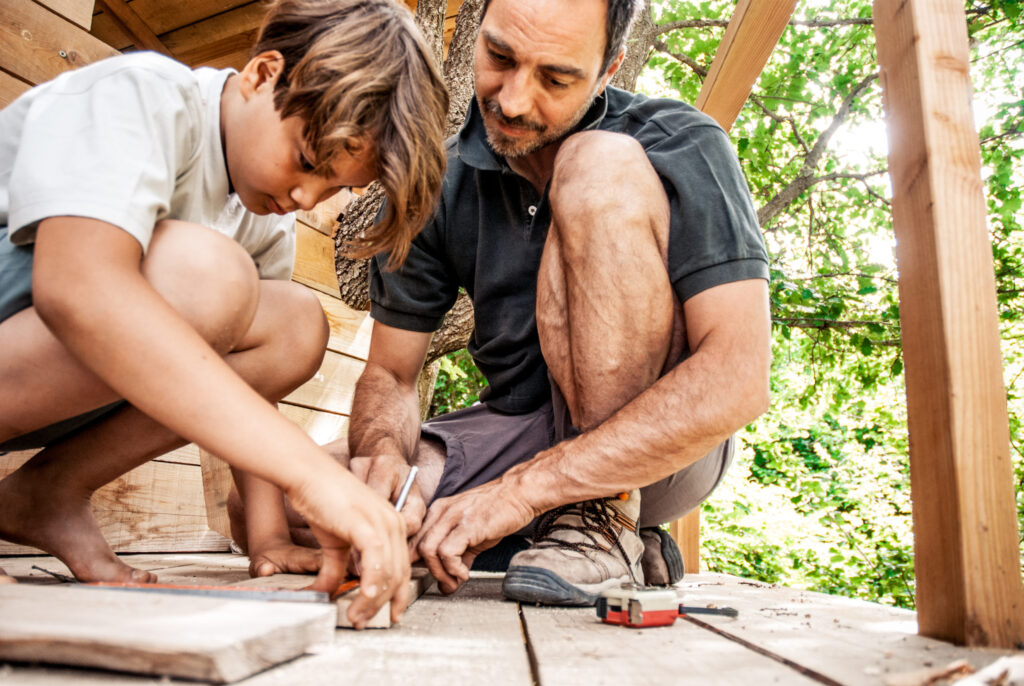
A poolside movie theater, homemade honey, backyard games, magical treehouses — here are some great home projects that will gobble up your weekend.