Please sign in as a member or guest below to access it.
Please sign in as a member or guest below to access it.

Winter is coming. For your vehicle.
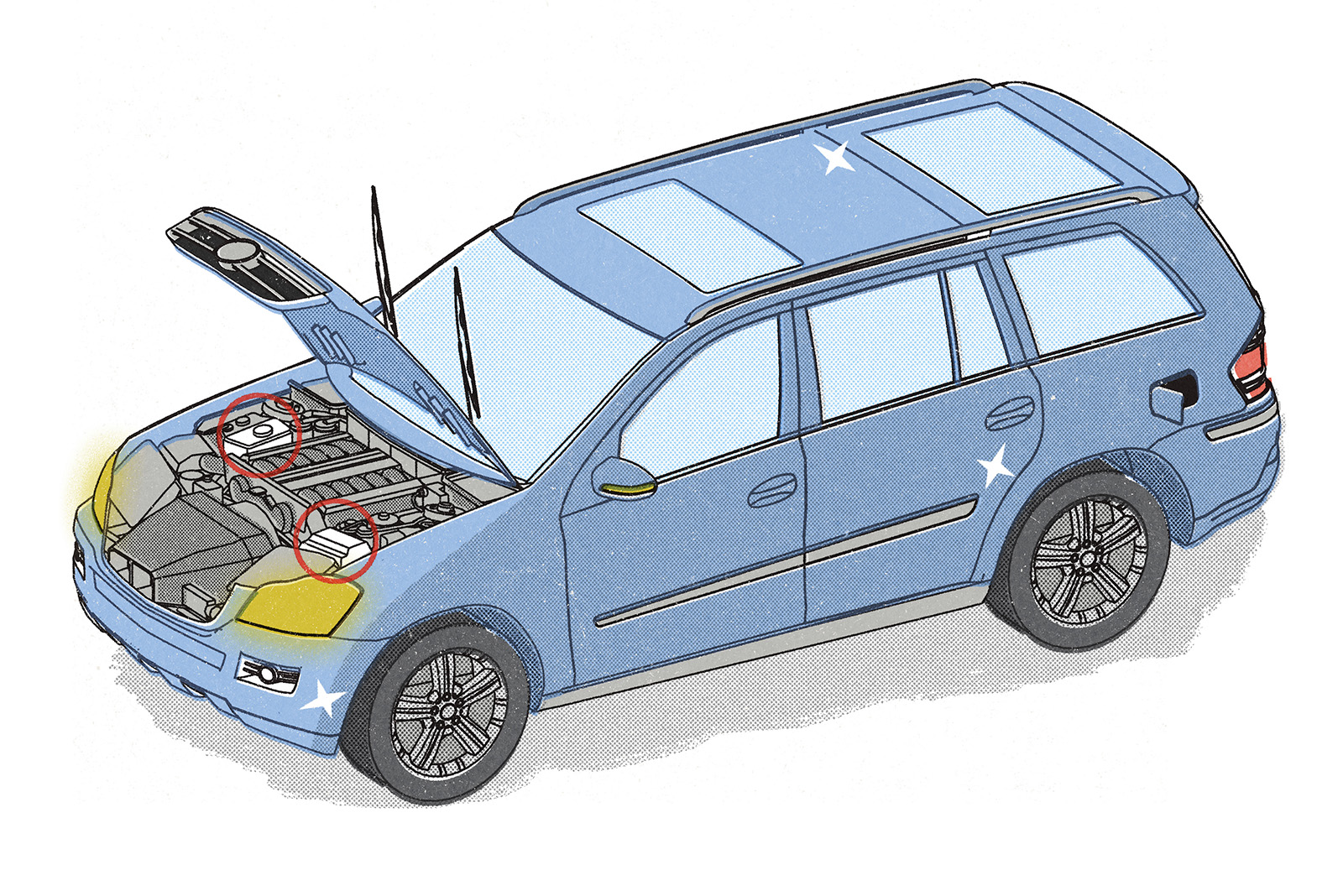
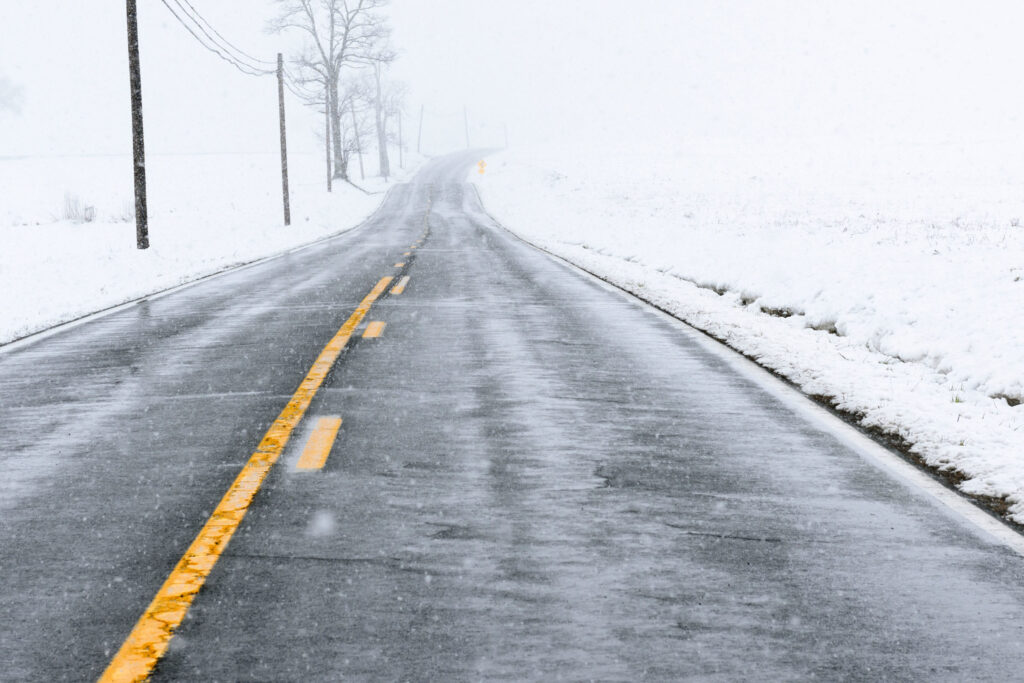
Winter is a flurry. Between special occasions and holiday travel, you’ve got much on your mind and many places to go. To ensure you get there safe and sound, winterize your car before the temperature drops.
Winterizing your car gives you better control, shorter stopping distances, more visibility, and more oomph to power through rain and snow. And it can save you big down the road. Even low- cost preparations such as replenishing with winter wiper fluid and inspecting your brakes can save you thousands by preventing costly repairs and accidents.
Traction is a literal lifesaver in inclement weather. Check your tire pressure at least once a month. Keep an eye on your tread, too, using the penny test: Simply place a penny into your tread, with Abe facing you. If you can see his face, it’s time for new tires. Tread in great shape? Rotate your tires. It’s better to have your best tires in the back to avoid spinouts on slick roads.
Engines are harder to start in cold weather, which puts an extra strain on your battery. A weak battery may still function in summer and die in winter.
Drive to an auto parts store to check if your battery is properly juiced. While you’re at it, disconnect your battery and remove any corrosion on the connectors with a mixture of baking soda (1 teaspoon) and water (1 cup).
Road crews pour salt or sand on Texas highways to melt snow and sleet, which can save lives but also eat away at your car’s exterior. Give your car a proper wash before winter, including the undercarriage, which is vulnerable to rust. Thoroughly wax the exterior.
Maintain at least half a tank of gas at all times to prevent your fuel lines from accumulating condensation and freezing.
Replace worn wipers with one-piece, beam-style “winter” blades strong enough to wipe away snow and ice buildup. Use cold-weather windshield-washer solvent.
Get an oil change and check your antifreeze. It’s always good to do this at regular intervals, especially in winter. Cold weather can exacerbate engine issues.
Snow, moisture, and salt will damage brake systems. Get your brake pads inspected for wear and tear, and look for rust on your rotators, which slows stopping times. While you’re at it, top off your brake fluid.
Have a friend or family member help you check your headlights and brake lights while your car is parked. Clean off any grime and replace foggy or broken lights.
Slick roads and surprise snowstorms can leave you stranded inside your vehicle. Build an emergency kit to make the wait more manageable. Test and refresh your kit every six months. Your kit should include:
Schedule a checkup with your Texas Farm Bureau Insurance Agent to make sure you and your policy are ready for the coming winter months, so you can drive through the season with confidence.
Coverage and discounts are subject to qualifications and policy terms and may vary by situation.
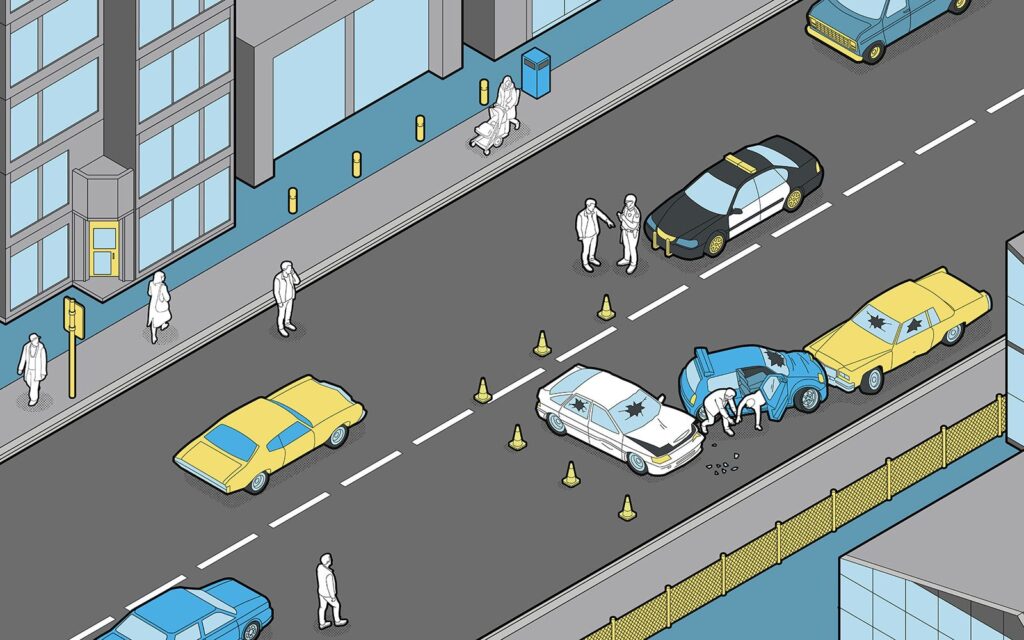
8-Step Witness Response Guide for Car Accidents
Did you witness a collision? We spell out eight ways to offer assistance.
Since credit and debit cards have adopted the microchip, thieves have adapted their sinister approaches.
Keep your investment in tiptop shape.
The future is here, and it lets you remote control your home.
Stay safe driving in winter weather.
There really is safety in numbers.