
Please sign in as a member or guest below to access it.
Please sign in as a member or guest below to access it.

Keep the focal point of your backyard oasis in pristine condition.
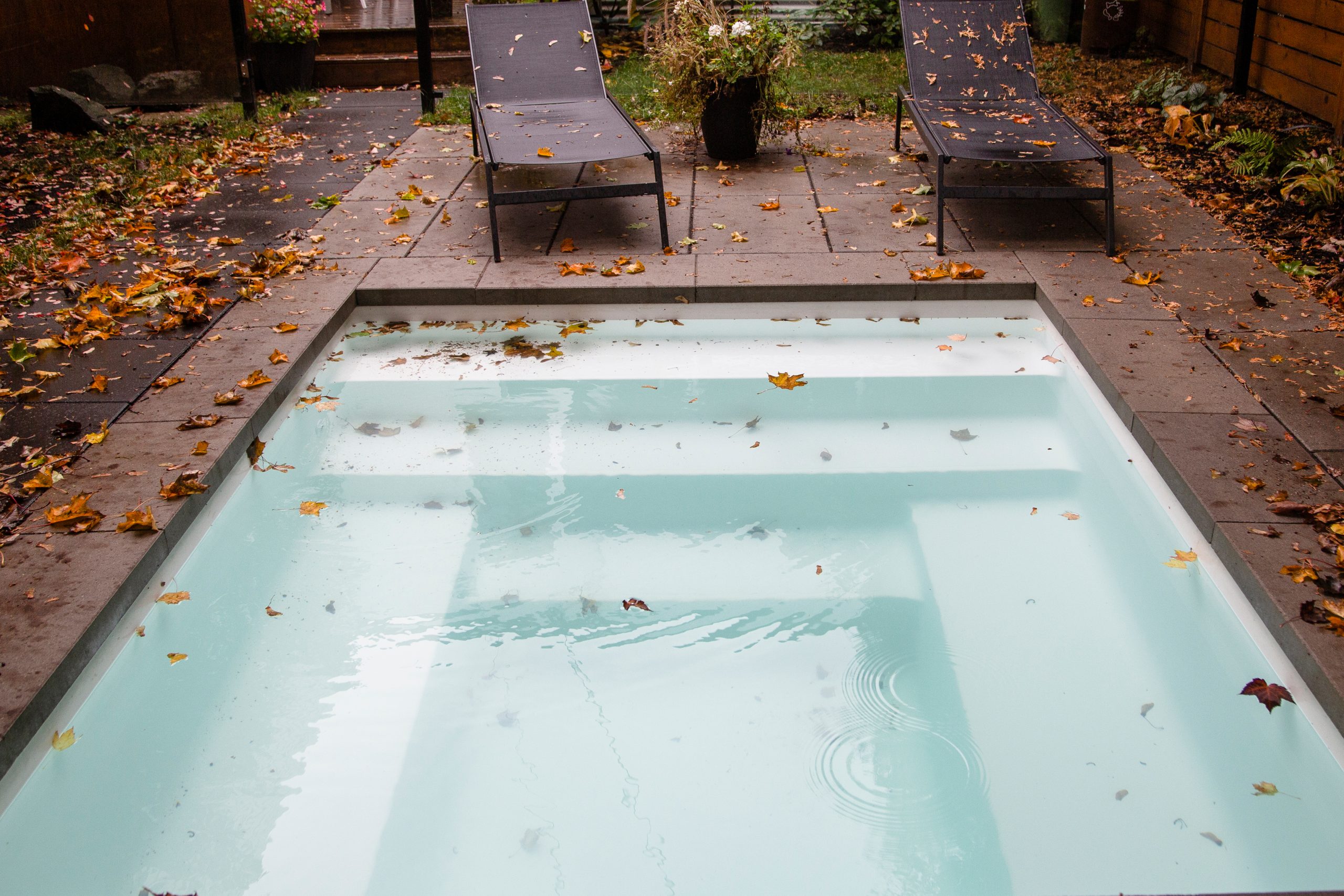
Come late spring, there’s nothing more beautiful than the sparkling turquoise waters of a backyard pool. Dancing light and gentle ripples practically beg you to take a dip in the tranquil oasis.
Pools give us a reprieve from Texas’ infamous heat. It’s vital to prepare them for the offseason as long summer days gently fade into longer, cooler fall nights. We’ve rounded up everything you need to know about how to winterize your pool.
Texas’ hot climate might make it seem like an enjoy-the-pool-year-round-type state. But we’re still prone to freezes and the occasional snow. Whether your pool is in-ground or aboveground, properly winterizing it helps mitigate major damage such as burst pipes, a broken pump and filter, or a cracked deck (courtesy of burst pipes!). These issues, in addition to being costly to fix, could lead to liability concerns once you open your pool to friends, family, and neighbors next summer.
It’s time to start winterizing your pool once temperatures consistently hit 65 F. (Of course, in Texas, that time line can vary!) Waiting for cooler temps will help prevent algae or bacteria buildup — both of which thrive and spread in warmer waters.
Remove all toys and accessories. This can include everything from floats to diver toys to buoys to stepladders. Wash off these items, let them dry, and store them somewhere safe and out of the elements until the next pool season.
Adjust your phosphate levels. Do this about seven days before you start the winterizing process. This will prevent an algae-green pool come spring. Carefully follow the phosphate remover’s instructions.
Deep clean the pool. Use a pool vacuum to get everything off the floor. Gently scrub the base and sides with a pool brush. Remove all leaves, dirt, insects, and other debris with a skimmer net.
Prevent staining and scaling on pool sides. If you buy a winterizing kit, look for stain and scale inhibitors.
Test and balance the water. Use a pool testing kit or strips to check the pH and calcium levels. Ensure the alkalinity is between 80–120 parts per million (ppm), the pH is between 7.3–7.6, and the calcium hardness is between 175–225 ppm. Low levels can lead to pool liner damage, so aim for the higher ends of those ranges.
Shock the water. Adding pool shock and algaecide will prevent algae and bacteria growth. Each product varies, so read the manufacturer’s directions carefully. Let the product circulate throughout the pool for several hours.
Add winterizing chemicals. Typically, pool winterization kits come with a product labeled as a winter pill, winter floater, or winter sorb. These items float and release a cocktail of chemicals that aid your pool throughout the season.
Turn off equipment. Shutting off the main power breaker will shut down everything from the pump to the lights.
Lower the water level. Use a submersible pump or siphon to remove water. If you’re using a solid cover, lower the water level by about 12 inches. For a mesh cover, lower it about 6 inches.
Drain the equipment. This includes the pump, chlorinator (for chlorine pools), hoses, drain plugs and/or caps, and filters or filter cartridges. If left as is, these items may continually freeze and thaw throughout the winter, damaging the equipment.
Cover the pool. Invest in a well-fitting cover to keep leaves, limbs, and other debris out of your pool. Remove debris from the cover throughout the season.
Keep an eye out. As an extra precaution, do a monthly check on your pool’s chemical levels to ensure it stays free of bacteria and algae.
Usually, winterizing your pool is an easy DIY task to tackle. However, if you opt to outsource your winterizing needs, pool contractors may charge up to $100 an hour for this service.
A little work goes a long way in ensuring your pool is pristine for the summer season.
Now that you know how to winterize your pool, learn how to winterize your boat.
Don’t dismiss the power of watering plants by hand.

Your Guide to Growing Fruit Trees in Texas
The right varietals for your region can lead to a year-round bounty of delicious, homegrown fruit.

What to Waterproof Before a Rainy Spring
Survive the soggy season.
Add some festivity to your home with these beautiful, seasonal arrangements.

Prevent your produce from going to waste with these expert prep and storage tips.
How to Prepare Soil for Spring
When protecting your garden during winter, don’t forget to include the soil.