Please sign in as a member or guest below to access it.
Please sign in as a member or guest below to access it.

Ensure a happy and healthy holiday season by avoiding the top 10 insurance claims you may face this winter.
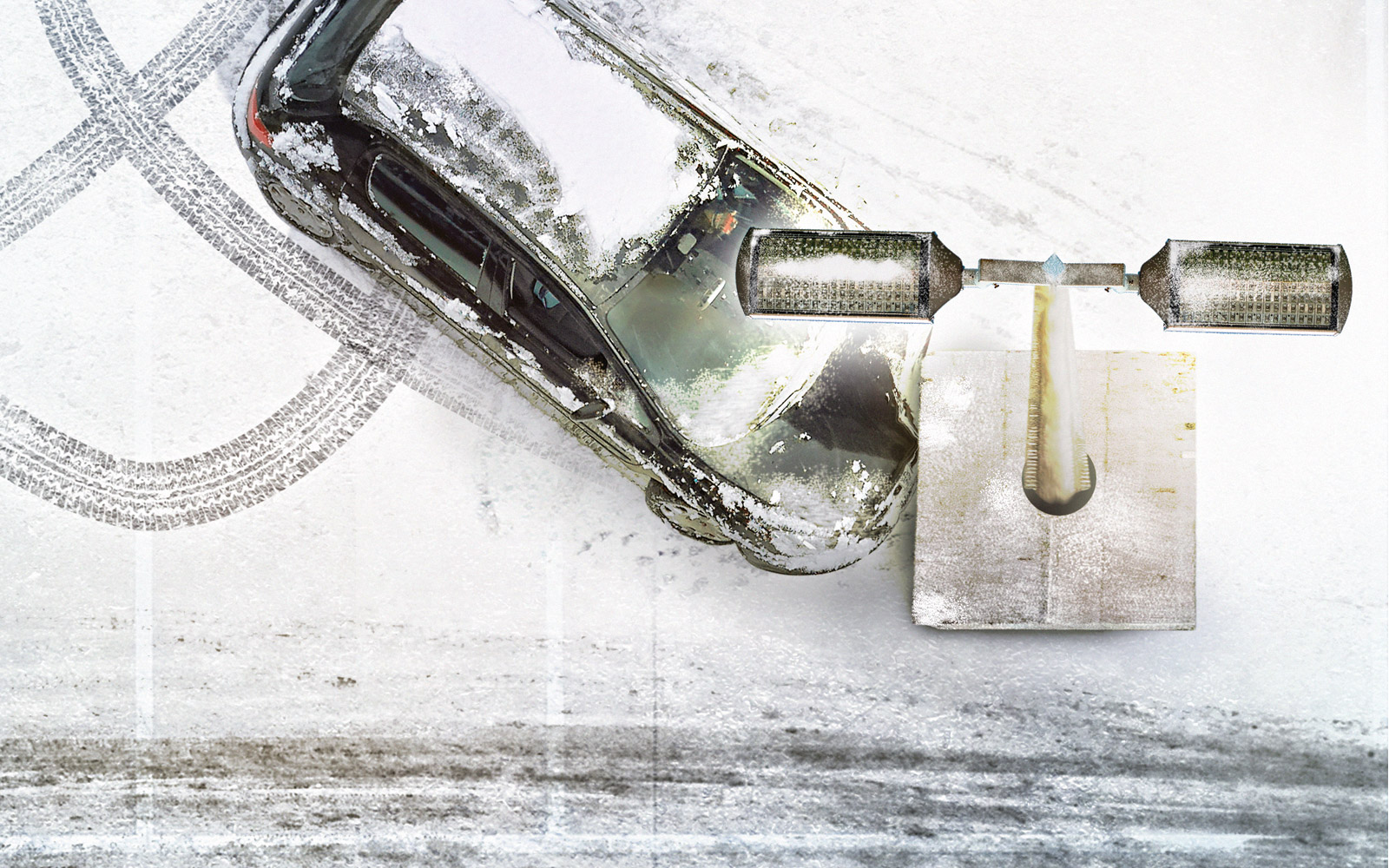
We Texans tend to take winter in stride. Yes, there may be a freeze, but a stretch of warm temperatures can lull us into a state of inaction. We might even be seen wearing flip-flops in December. But cold fronts can creep up fast, and with them come plenty of hazards that can disrupt your holiday fun. Here’s how to avoid the top 10 winter insurance claims you may face this season.
Meredith Campbell, a Texas Farm Bureau Insurance Agent in Dimmitt, says black ice, a transparent film of ice on roadways, is the most common cause of insurance claims this time of year.
Solution: Stay off icy roads! But if you do find yourself slipping and sliding with nowhere to stop for safety, remain calm and follow the No. 1 tip from icyroadsafety.com: Reduce your speed to no more than 45 miles per hour in any kind of vehicle on an icy highway.
When overloaded with holiday lights and animated Santas, on top of all the regular home electronics, maxed-out outlets can spark fires.
Solution: The Electrical Safety Foundation International suggests you look for overload warning signs, such as blinking or dimming lights, warm outlet plates, or a slight tingle as you use the plug.
Have an electrician assess your electrical needs if you find you’re relying on lots of extension cords. And talk with your electrician about safety devices called arc-fault circuit interrupters (AFCIs), which can detect dangerous currents and shut down problems better than standard circuit breakers. Learn more at esfi.org.
As ice builds atop outbuildings, its weight can cause a collapse, notes Texas Farm Bureau Insurance Agent Travis Askew of Granbury. Naturally, whatever is beneath those roofs when they give way may also be damaged or destroyed, including parked cars or farming equipment.
Solution: Regular maintenance checks on your property’s outbuildings can help alert you to structural issues so you can make repairs and improve the integrity of these more lightweight buildings before an ice storm hits.
Surprise! “People seem to forget, being as far south as we are, that hailstorms don’t just happen in the spring,” says Joe Gerik, a Texas Farm Bureau Insurance agency manager in Montgomery and Walker counties. He knows because he’s seen the insurance claims that Agents handled during February the last couple of years.
Solution: When thunderstorms rumble through, put your vehicles in the garage if you can.
The Weather Channel notes that ice can increase the weight of tree branches by 30 times. Is there a branch near your home that could succumb to the burden?
Solution: Hire professional tree trimmers before the first freeze of the year to assess trees near your residence, barn, and other structures and prune any potentially damaging limbs.
We sing, “O Christmas tree, O Christmas tree.” Sadly, we could add, “O, fire hazard” to the familiar tune. According to the National Fire Protection Association (NFPA), electrical distribution of lighting equipment causes 35 percent of home Christmas-tree fires.
Solution: The NFPA recommends buying a fresh tree; checking that lights have an independent testing laboratory label and noting whether they’re for indoor or outdoor usage; replacing worn cords or loose bulbs; and reading manufacturers’ instructions with guidelines on how many strands you can safely connect.
Common-sense practices include turning off tree lights before bedtime and keeping any lit candles away from the tree. After Christmas, don’t leave a dry tree leaning against the side of your home or inside your garage. Look for a local recycling program and get it away from your residence quickly.
Campbell says last winter brought unusual amounts of blowing snow to the Panhandle and accumulation on rooftops. “It is usually not the most common [hazard] but was definitely the worst this last year — [it] made a few ceilings collapse,” Campbell says.
If an ice dam forms, keep in mind that melting snow that seeps into your home and causes flooding is typically covered only by flood insurance, according to the Insurance Information Institute.
Solution: Regularly remove snow with a snow rake and increase ventilation in the attic to keep it cooler and less likely to melt snow.
How can throwing a holiday party be a risk? Because your guests may not be as responsible as you’d like. Social-host liability is something to think about.
Solution: Consider a party site away from your home. Suggest ride-sharing services for guests who may need them. And make sure you have the right amount of personal liability to cover your assets, whether in a standard homeowners policy or an umbrella policy.
Whoops! A slip and fall on an icy sidewalk could result in injury to yourself, your family, and your holiday guests.
Solution: The liability portion of your standard homeowners policy typically covers injuries from falls, so make sure it’s up to date. To try to prevent falls from happening, shovel driveways, walkways, and sidewalks; salt high-traffic areas to stop ice formation; and use signage to warn of icy spots, suggests the National Association of State Departments of Agriculture.
Water damage from broken pipes is tough to recover from but relatively easy to prevent.
Solution: Wrap and cover exposed pipes and faucets. Simple gadgets available at your local hardware store or big-box home store can keep fixtures protected. And there’s the tried-and-true practice of leaving faucets dripping if you know a freeze is coming.
With these simple preventive measures, you and your family and friends can celebrate the holidays without the worry of injury or liability and focus on having fun, enjoying quality time together, and eating as many of Grandma’s homemade holiday cookies as possible.
Coverage and discounts are subject to qualifications and policy terms and may vary by situation.

How Refinancing Your Home Could Affect Your Premium
Make sure you’re not saving on your mortgage but paying for it in your policy.
What to Expect from Your Claims Process
Back to back bouts of severe weather gave a Stephenville family a crash course in the claims process.

Insurance for the Next Chapter
Retiring? It’s time to rethink your insurance policies.

FAQ: Do You Need Rental Car Insurance?
Don’t make this decision at the counter. First, check your Texas Farm Bureau Insurance auto policy to see if you’re covered.
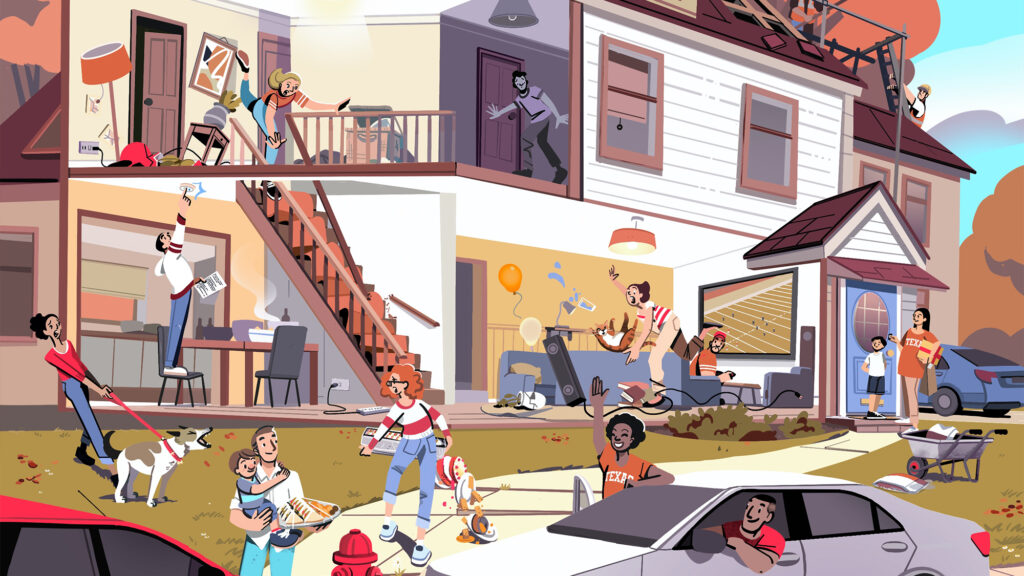
A little prep can go a long way.
What Home Safety Hazards Are Affecting Your Insurance?
Your insurance company may underwrite homes with fuses and outdated wiring at a higher premium.