Please sign in as a member or guest below to access it.
Please sign in as a member or guest below to access it.

Here’s how to help Texas’ littlest creatures in need.

Spring is a time for rebirth. For many of our furry friends, it’s the time for nesting, nurturing, and bringing new life into the world. It’s also the time of year when some of these adorable little critters tend to get into trouble. So, when baby birds fall out of their nest, tiny squirrels lose their way home, and wobbly fawns go searching for their mothers, what can we do to help?
As the Texas population grows and its urban areas expand, people and nature are coming into closer contact. Hayley Hudnall, executive director of Austin Wildlife Rescue, says her center has experienced steady annual increases in the number of calls regarding rescued wildlife. While baby birds, squirrels, raccoons, possums, and rabbits still make up the majority of calls, Hudnall says some unexpected critters are becoming more prevalent.
“We are getting more of the more secretive animals, like foxes, ringtails, and porcupine,” Hudnall says. “We didn’t see those very often because they like to live on the outskirts of town. These animals are learning to live in the cities, just like the coyote. We’ve gotten a lot more coyotes in the past two years than we have ever gotten before.”
Whether you stumble across a baby coyote in distress while hiking through the Texas countryside or find a little bird with a broken wing in your own backyard, it is helpful to know how to help and where to turn to get the little guys reunited with their mothers or nurtured back to health.
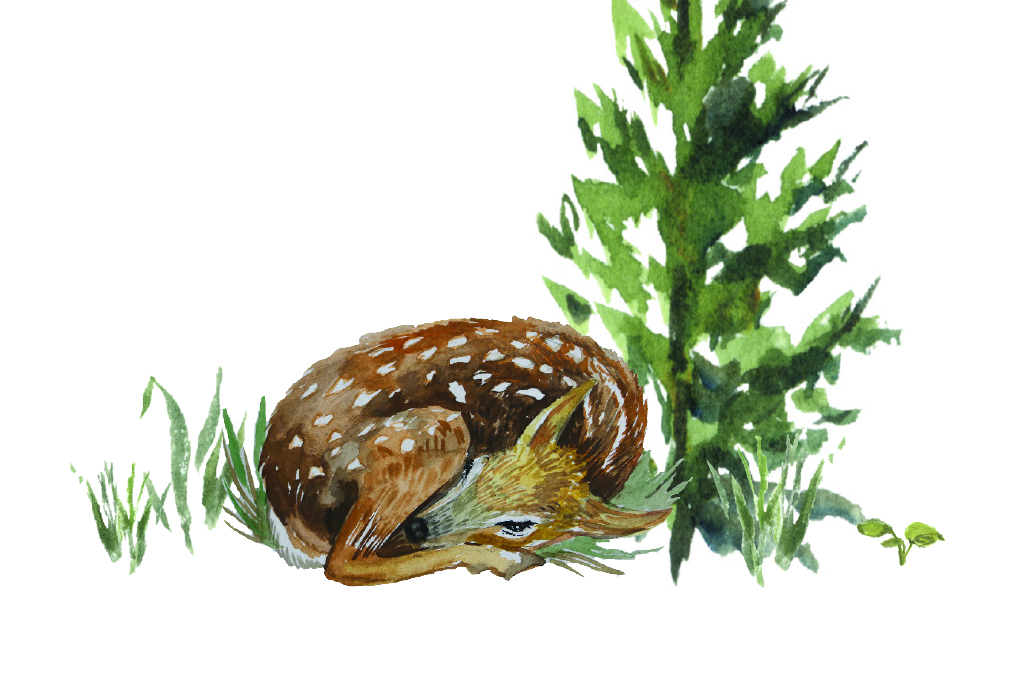
If you come across what appears to be an abandoned baby animal, take time to observe the situation before deciding how to react. Remember: Just because a baby animal looks abandoned doesn’t mean it is. The baby bird hopping around on the ground may not have fallen out of her nest; she could simply be learning how to fly. Hudnall says that some mothers, like deer, may leave their fawns alone in one spot for up to 12 hours. It’s all part of how the animals learn to be independent and take care of themselves. If you come across a baby animal, begin by observing if anything seems strange or out of place.
“Is it rolled up in a ball sleeping, or is it on its side?” Hudnall says. “Are there ants on it? Are there flies on it? Check under the tail and see if it’s clean or dirty — see if Mom has cleaned her or if she hasn’t been around.”
Flies, ants, or other bugs on an animal are a sign that the creature is ill or not being cared for by its mother. That’s when it should be brought to a shelter or rescue facility.
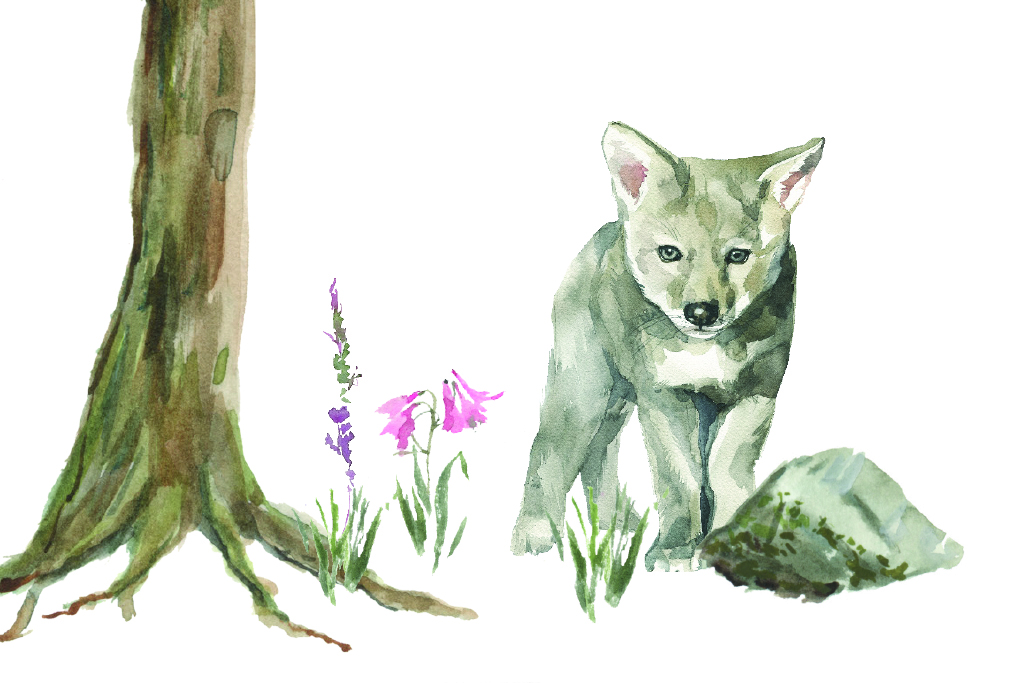
Sometimes the best way to help an abandoned or distressed animal is to understand what not to do.
For instance, Hudnall says many people’s first reaction is to offer food to wildlife — but feeding baby animals might do more harm than good. If the creature is alone, it could simply be waiting for its mother to bring back food. Giving food to a wild animal can inadvertently teach it to become reliant on humans, hindering its ability to learn how to survive in the wild.
While it’s generally good practice to avoid touching an abandoned baby animal, Hudnall says there is a misconception about this practice. Some people have heard that touching it could lead to abandonment, but this is not the case. If an animal is in immediate danger, it might be best to quickly move it to safety.
“It’s a huge misconception,” Hudnall says. “If it’s not in a great spot or if it’s curled up waiting for Mom, but it’s near a road or in a park or something, you can move it. Mom won’t even know. She’s fine with that.”
If you believe you should move an animal out danger, don’t move it too far. You want its mother to be able to find it, and you don’t want to introduce it to a strange new environment.
Be careful before approaching any wild animal: Even small creatures may have sharp talons, teeth, and claws. When in doubt, Hudnall’s advice is to call a shelter. Their professionals can coach you through a plan of action.
Sometimes, and particularly in springtime, animals get tangled in human affairs, which can be dangerous for wild creatures and potentially damaging for our homes. Bunny burrows ruin lawns, raccoons and squirrels move into attics, and skunk families take up residence under decks. Many people’s first reaction when they find themselves playing host to creatures in or around their home is to set traps, Hudnall says. But this can often make the situation worse.
“Once they trap the adults and release them somewhere, two days later they are met with these crying, orphaned babies because they didn’t know there were babies,” Hudnall says. “Or, you’re releasing this wild animal into a place that it’s never been before. It needs to find new food, new water, and go across new roads. It’s probably not going to survive, even though that may be your good intentions.”
Instead of trapping, try luring animals out of unwanted spots. For example, if you have a raccoon in your attic, Hudnall suggests soaking rags in ammonia and leaving them in the attic space for a few days. Or you could try leaving the attic lights on overnight for a week.
“You want to make whatever area they’ve decided to make their home uncomfortable,” she says. “Give them time to move out and time to move their babies. Then, fill the hole — or else you’re going to have a new critter that moves right in the open door.”
Another approach to unwanted creatures around your home is to learn how to live with them. As Texas’ population continues to grow, we’re challenged with getting used to the aftereffects of disrupted wildlife habitats. Some of those critters that move in next door may be friendlier neighbors than you first thought. Hudnall says the center gets a lot of calls about opossums, for example, but most people don’t know how beneficial they are to a yard.
“Whether you know it or not, they walk through the yard every night,” she says. “They’re eating ticks, eating snakes, they don’t carry any disease. There’s nothing wrong with having opossums.”
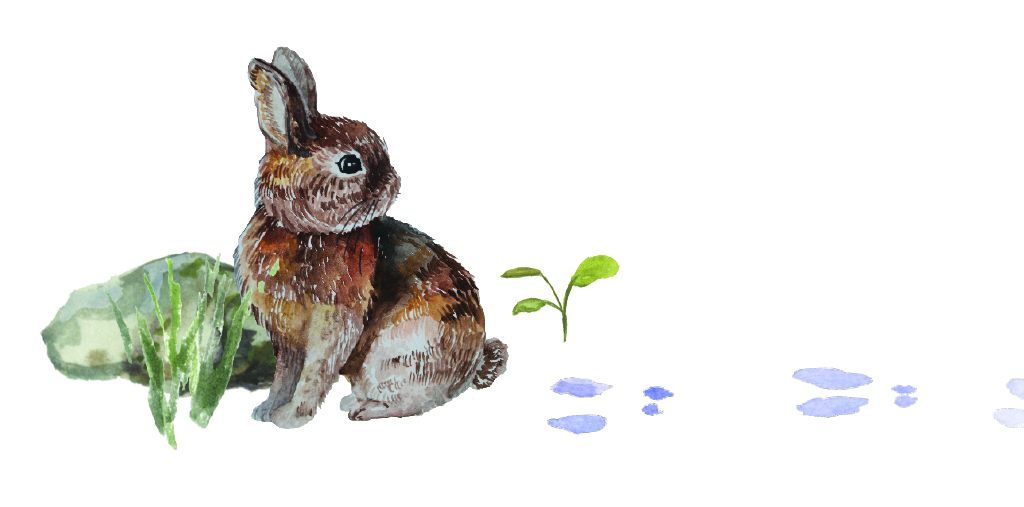
Many animals end up in wildlife rescues due to the actions of humans — even when we have the best of intentions. Here are a few tips to keep your property safe for wildlife passing through.
There are several places that can help with advice and services if you come across baby wildlife. When in doubt, it is best to call a shelter before taking action.
Check out our guide to spotting wildlife across Texas here.
© 2021 Texas Farm Bureau Insurance
Full hearts. Wagging tails. Can’t lose.
Pack a Winter Driving Essentials Kit
Heading home for the holidays? Keep these emergency items in your car.
Can You Drive on the Beach in Texas?
Texas beaches are considered public highways, meaning all traffic laws apply.
Anatomy of a Storm-Ready Vehicle
It’s raining, it’s pouring, and ideally, your spring commute is boring. Follow this guide to ready your car for unexpected spring storms.
Protecting Older Drivers on the Road
Know before you go.

Haunt responsibly.