Please sign in as a member or guest below to access it.
Please sign in as a member or guest below to access it.

Don't let salmonella or food poisoning put a hitch in your giddyup. Master the art of grilling with these tips.
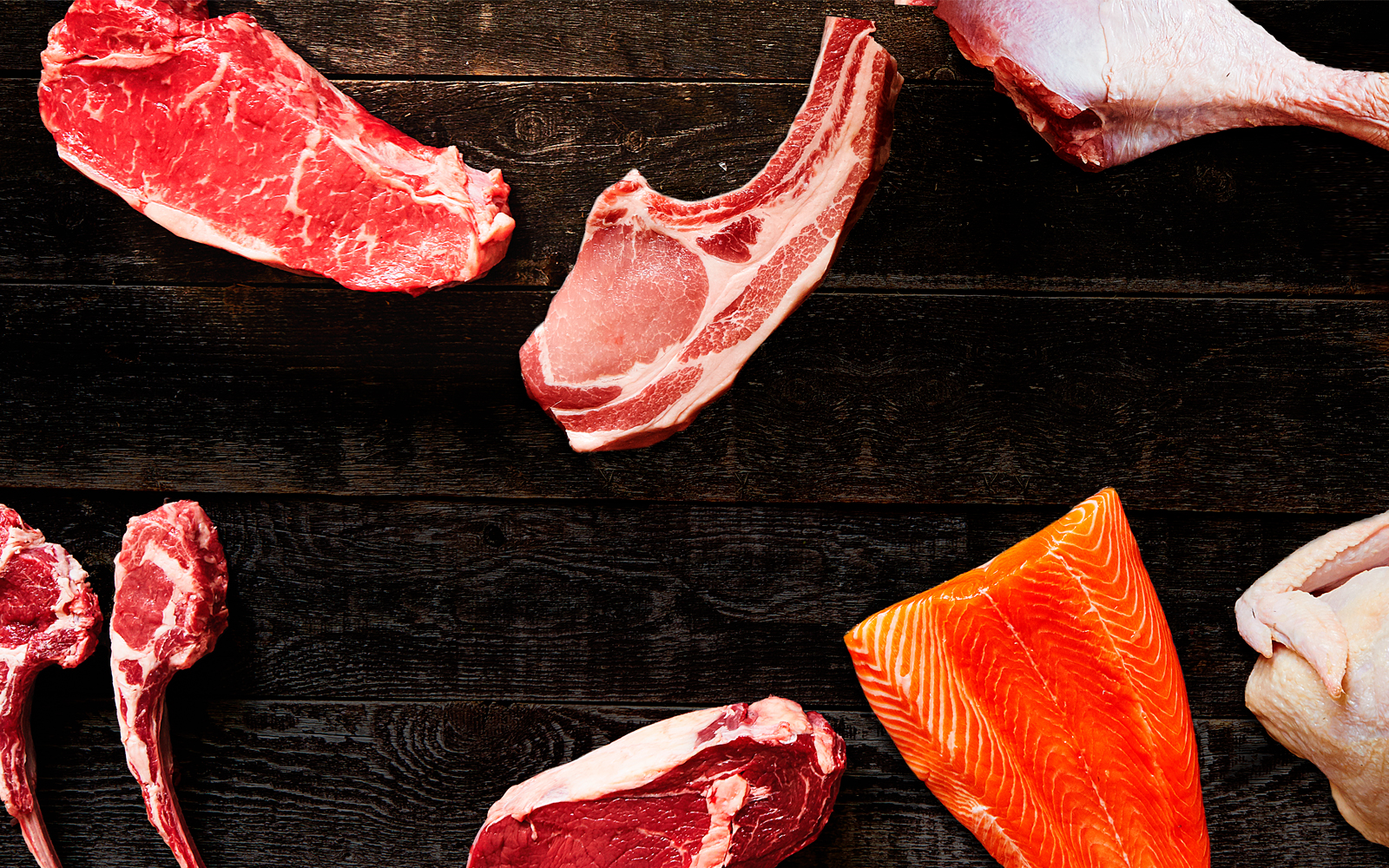
Ah, the pleasures of autumn grilling. While summer may be crowned king of barbecue season, those in the know understand that there’s something about cooler fall air that pairs perfectly with a hearty slab of meat, a side of roasted vegetables, and a fired-up grill.
Following these easy guidelines can prevent risks associated with preparing meat (like salmonella and food poisoning) and keep your friends and family safe (and full!) this fall.
If you’re stocking up for your get-together at the grocery store, shop for the condiments first and put the meat in your cart last: You want it unrefrigerated for the shortest time possible.
Transport meat in an ice-filled cooler that’s kept out of the sun, and always make sure you have separate platters for the raw meat and the cooked meat. You don’t want juices from the unprepared food to contaminate the finished product. Once you start grilling, try not to get distracted by that football game — it isn’t safe to partially cook meat and then come back to it later.
If you’re working with meat that’s been frozen, thawing it in the refrigerator is the easiest way to go — but it’s not a quick process. If you snagged an invite this morning to a barbecue this afternoon, try a cold-water bath. Wrap the meat in a sealed plastic bag, submerge it in cold tap water, and change the water whenever it heats up to room temperature. This should do the trick in about an hour (unless you’re working with something big, like a whole turkey).
Need it even faster than that? A hot-water bath (water that’s hotter than 140 degrees Fahrenheit) and a little stirring can thaw thin cuts in mere minutes.
Beef, pork, and other red meats should be cooked to an internal temperature of at least 145 degrees Fahrenheit, while poultry should heat up to at least 165 degrees Fahrenheit. Don’t have a thermometer? For beef, try the face test.
With a relaxed face, touch your cheek — it will feel like a rare piece of meat. Your chin, right above the point, is medium-rare; the tip of your nose is medium; and your forehead is well-done. Touch your grilled meat to compare. For chicken, poke it with a sharp knife; if the juices run clear, without a pink tinge, let the feasting begin.
Prove yourself a master of meat with these final flourishes:
Now that you know how to cook your meats and fish just right, find out how to best set up your smoker to ensure an enjoyable day of grilling goodness. Using a smoker instead of a grill? Get smoker safety tips for your backyard shindig.

Everyone Scream for Ice Cream S’mores
Here’s a tutorial on making the perfect summer dessert.
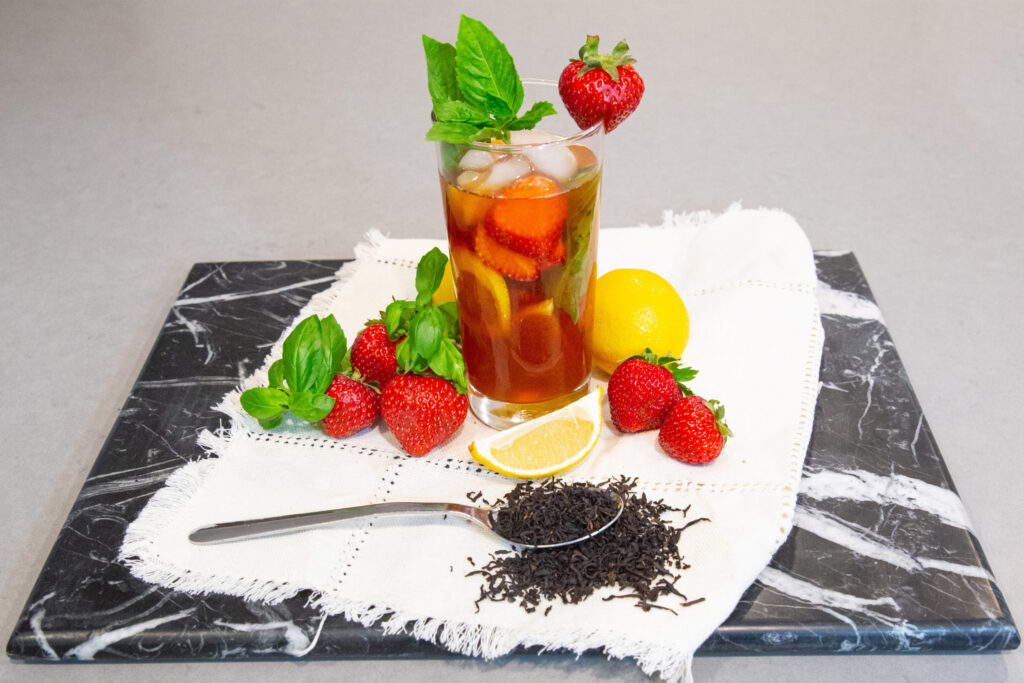
Why You Need to Start Making Cold Brew Iced Tea
The science backs up the sweet and smooth finish of a glass of cold brewed tea. And while it will require some patience to prepare, the rewards are worth it.
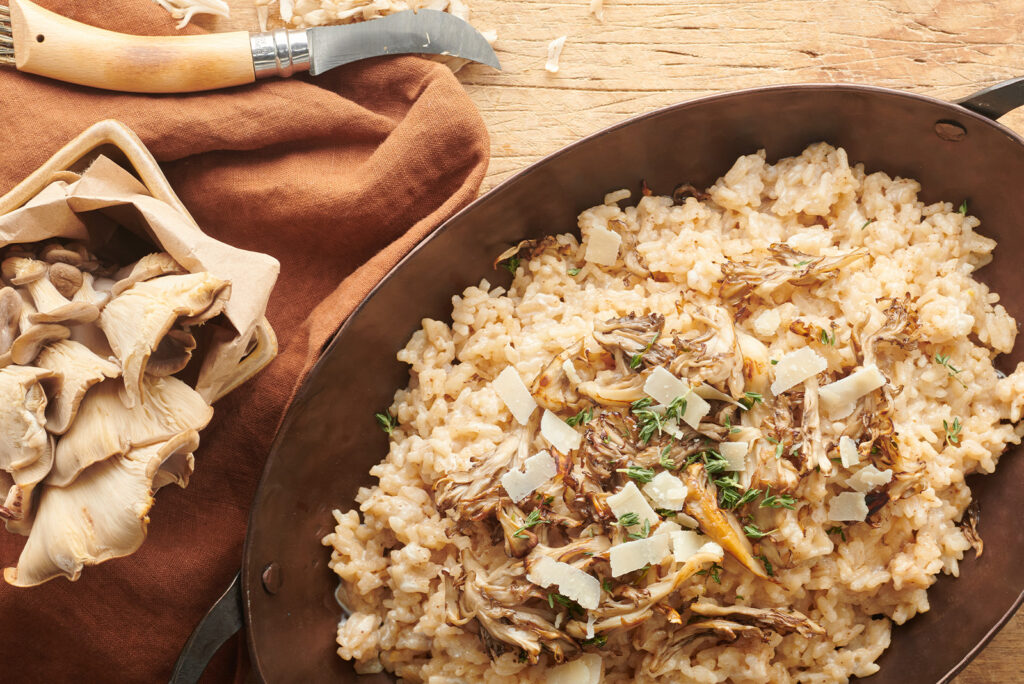
Mushroom risotto is the perfect earthy, wintry dish.
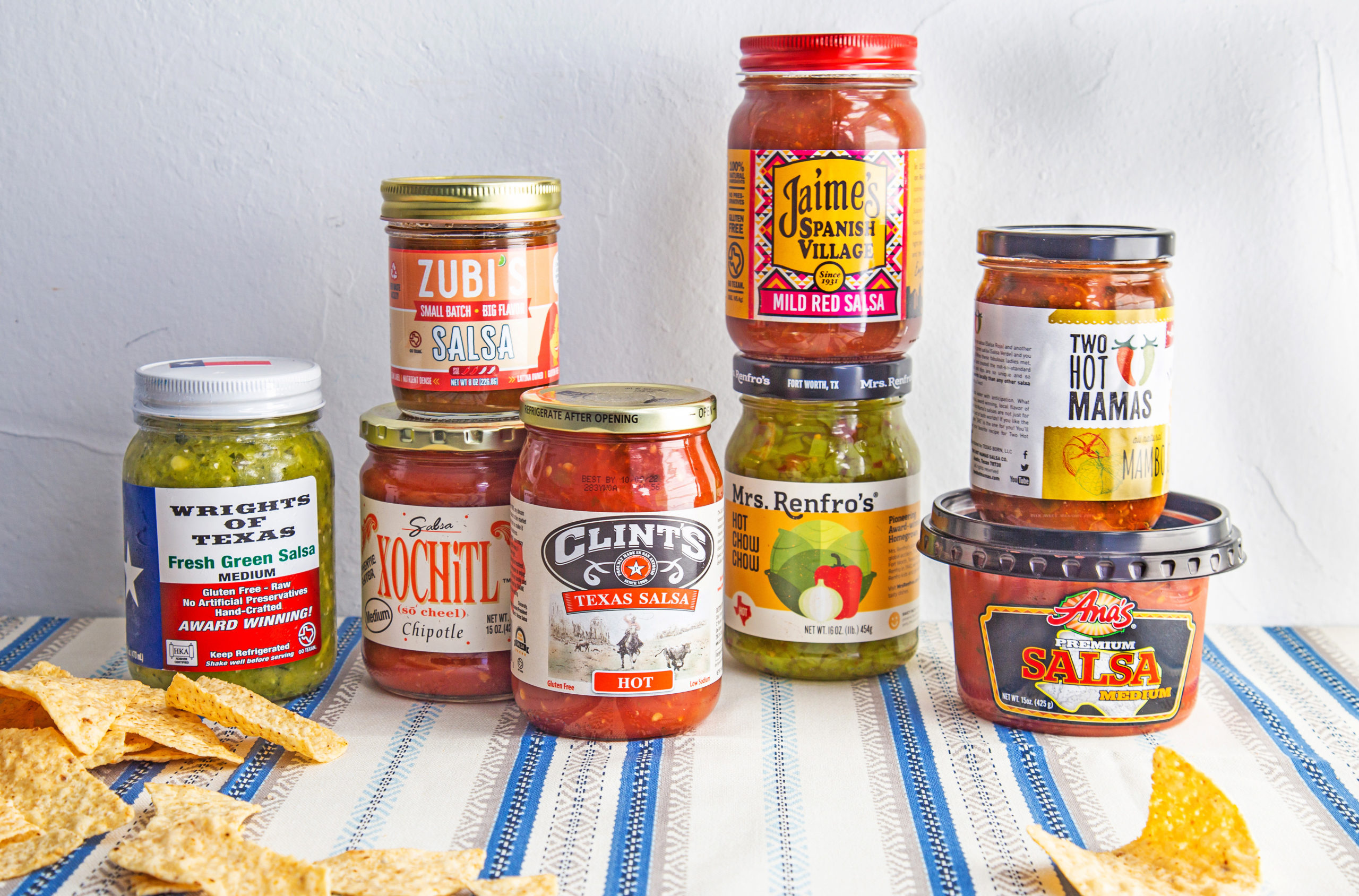
Mom might make the state’s best salsa, but these brands are in the running.
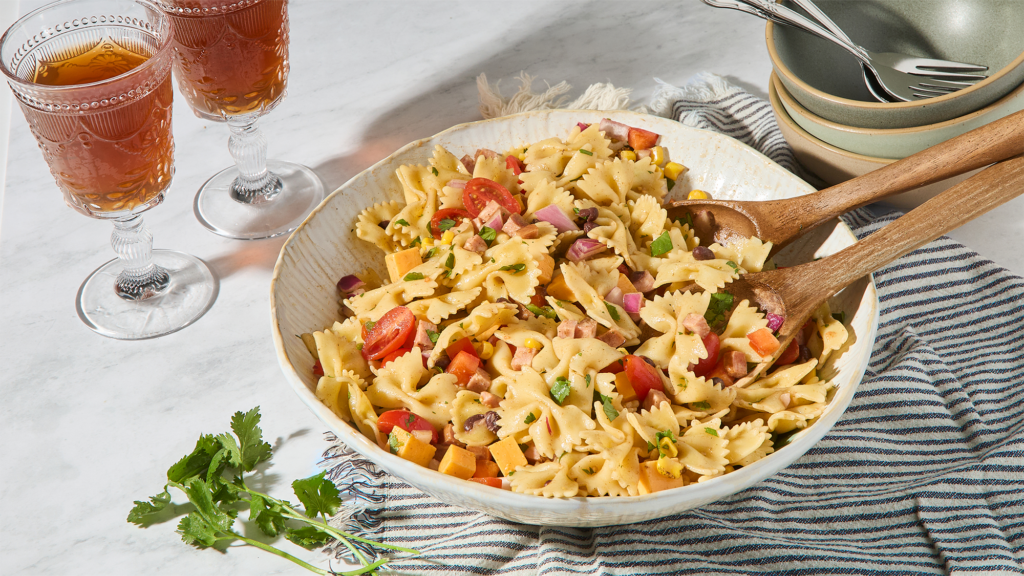
Save this recipe for your next potluck or picnic.

7 Lemonade and Limeade Recipes to Refresh Your Summer
Discover your new favorite summer drink.