Please sign in as a member or guest below to access it.
Please sign in as a member or guest below to access it.

Magic grown by moonlight.
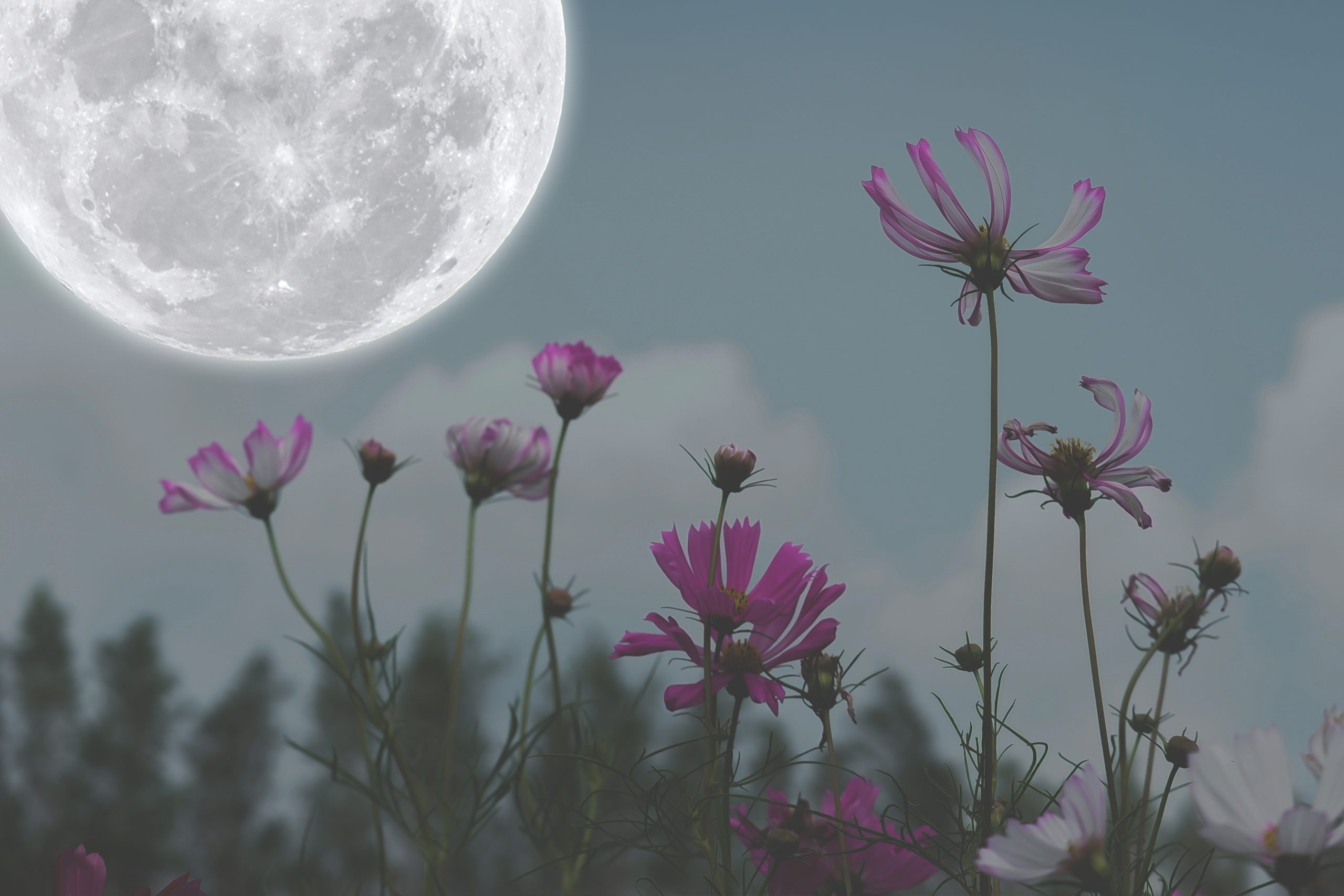
Want to be bewitched by your own backyard? Moon gardens (also known as twilight or evening gardens) are designed to be enjoyed after dusk. They feature pale-colored plants that reflect the moon’s light and nocturnal, fragrant flowers that bloom at night, attracting moths and other nighttime pollinators.
As you can imagine, moon gardens are simply enchanting. Moreover, they extend the hours in a day to enjoy your landscaping! Here are the basics to start your own.
Use white and silver plants and flowers as the foundation of your moon garden. White reflects light best, and pearly blossoms glow majestically in the moonlight. The brighter the white, the more brilliant your moon garden. Choose plants suited to your hardiness zone for the greatest chance of success. There are five gardening regions across Texas, each with unique climates and native soil composition.
Start with a silvery white ground cover plant, like the frosty-looking dusty miller or lamb’s ear, a fuzzy perennial. Artemisia has a silvery, wispy foliage that, at night, gives the impression of being covered in a light dusting of snow.
Then, embellish with bright-white bushy plants, like butterfly ginger, gardenias, or Shasta daisies. Finally, add dimension to your garden with multicolored and pastel plants. Consider white/pink evening primrose, the purplish shrub Texas sage, or snow on the prairie, whose blooms are striped!
Some plants bloom only after the sun sinks past the horizon and the first twilight stars appear. The shy blossoms of the swamp lily, for example, unfurl their thin petals at dusk to attract pollinating moths. Moonflowers will stretch out their wide, trumpet-shaped petals into an oversized, showstopping blossom at night. Even the unassuming night cactus — a showstopper for rock and succulent gardens in West Texas — only reveals its spiky blossom in the dark.
With limited light at night, our other senses come alive. Infuse your moon garden with fragrant blossoms for an aromatic experience. Consider the majestic pink-flowered angel’s trumpet, which may be grown as shrubs or small trees up to 15 feet tall and bloom in the evening. Sweet four o’clocks, named for their afternoon blooms, are particularly pleasant smelling and a hardy option for novice gardeners. And you can’t go wrong with white or multicolored roses, which especially flourish in Central Texas.
Subtle supplements to your landscaping will reflect more light upon your moon garden — include gazing balls (reflective spheres), sparkling gravel, or a small fountain to scatter moonbeams about. (Bonus points for adding night-blooming lilies.) Or lean into kitsch and use container pots and garden beds shaped like crescent moons and stars.
It’s astounding how conventional some plants may appear in the day, overshadowed by a rainbow of exuberant blossoms, only to exude such ethereal beauty by the moon’s light. One parting piece of advice: Don’t forget that moon garden plants are shy, so it’s best to shield them from light pollution. Keep landscaping lights minimal to encourage these night-loving plants to shed their inhibitions and blossom in all their glory!
Blossoms here one day and gone the next? Learn how to keep Texas wildlife critters from chowing down your garden.
© 2024 Texas Farm Bureau Insurance

Dishwashers may clean for you, but they still need to be cleaned themselves.
Our 5 Gorgeous Garden Photo Contest Winners
Find out what photos made the final cut.

How to Set Your Thermostat in Summer
What is the most comfortable — and efficient — summer thermostat setting? We try to settle the debate for good.

Soapmaking is an art form. Let your inner soap artist shine.
Let the good times blossom!

Bring the outdoors in.