
Please sign in as a member or guest below to access it.
Please sign in as a member or guest below to access it.

You can learn about Texas history from a textbook, but there’s nothing like exploring a well-curated museum.
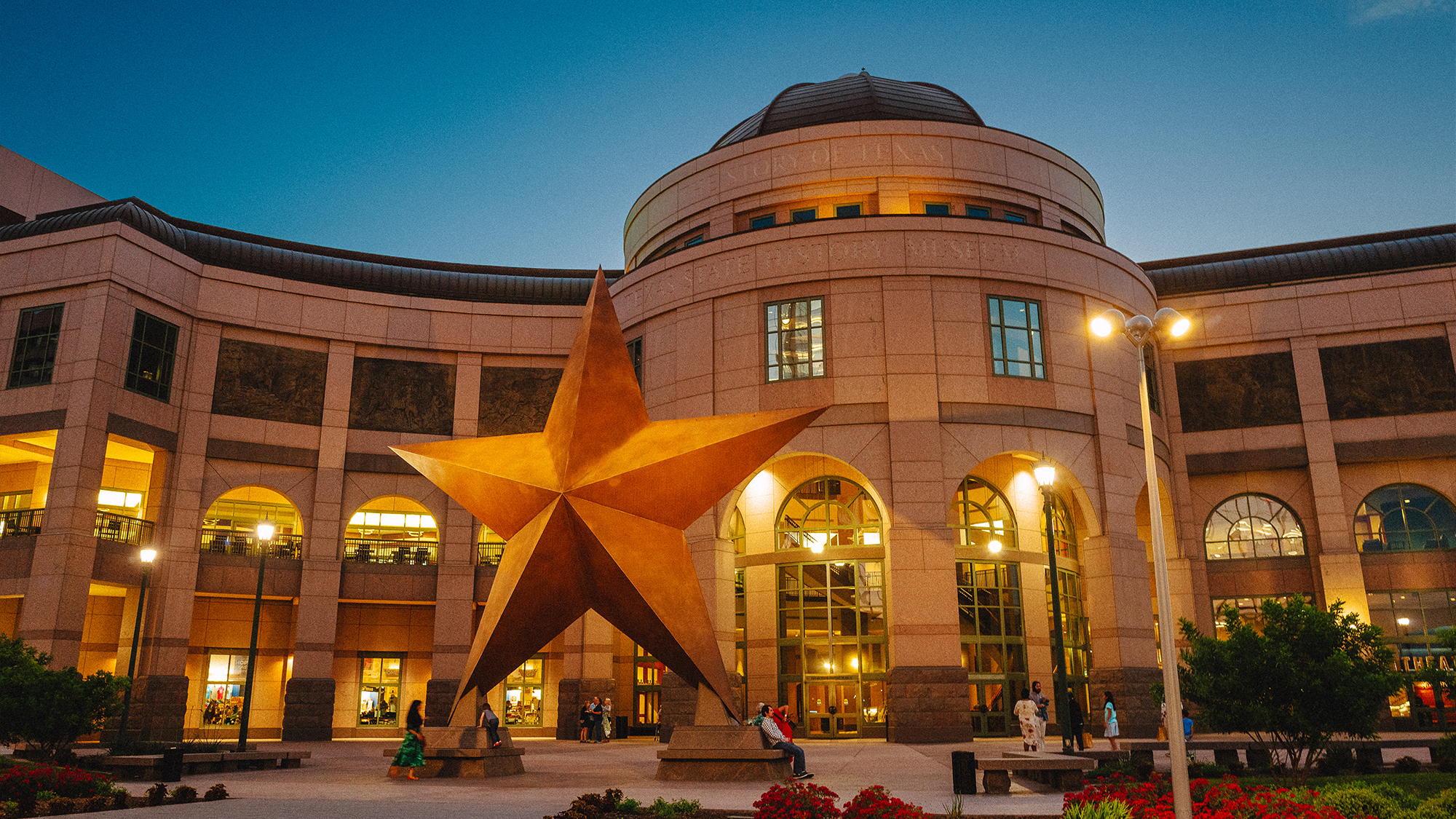
You can learn about Texas history from a textbook, but there’s nothing like exploring a well-curated museum. For a better look at the mosaic of subjects that makes up this amazing state, including ranching, oil, music, space exploration, military history, and Indigenous cultures, here are seven museums worth adding to your itinerary.
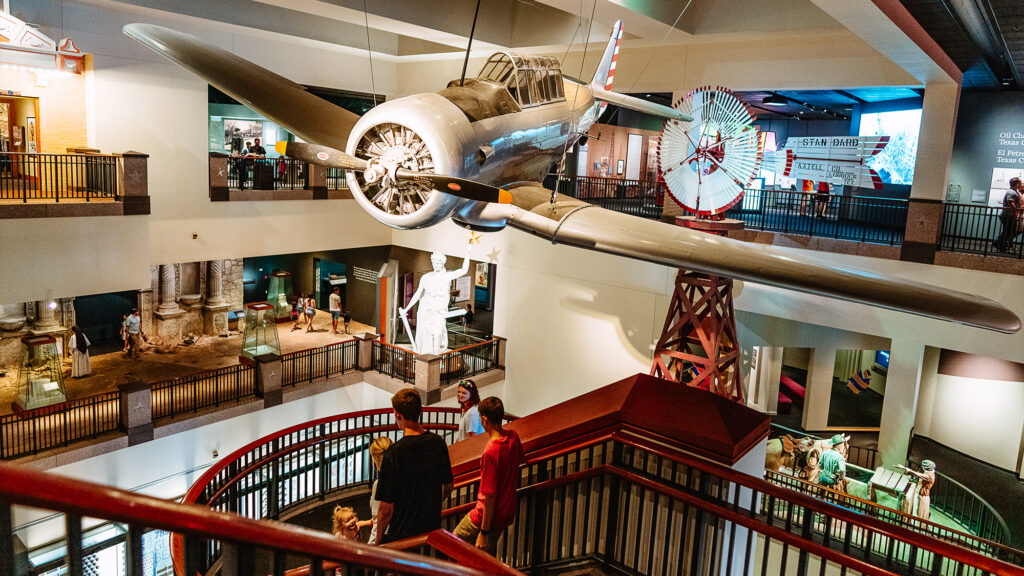
If you want to learn about Texas history and can only visit one museum, choose the Bullock. It’s a bird’s-eye view of 16,000 years, from the state’s earliest inhabitants to the modern day. The exhibition galleries take up three floors and house more than 1,000 artifacts, changing every week as artifacts are acquired or borrowed. Some of the permanent attractions include the wrecked hull of a ship that belonged to French colonizers in the 1600s, a World War II-era training aircraft made in Dallas, a gallery of Texan art, and some of the oldest human-made artifacts in the Lone Star State. If you have time, catch a show in the IMAX Theatre.
Hours: 10 a.m.–5 p.m. daily
Cost: $11–$17 museum admission only
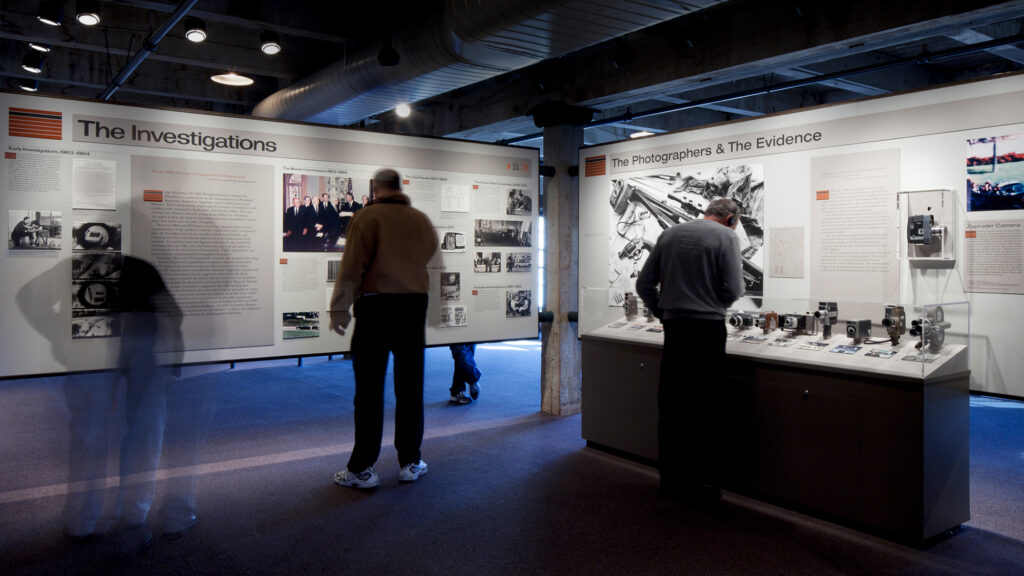
For a deeper understanding of one of the most pivotal moments in Texas and American history, visit The Sixth Floor Museum at Dealey Plaza in Dallas. Located in the former Texas School Book Depository, the museum chronicles the life, legacy, and assassination of President John F. Kennedy through compelling exhibits, historic photographs, films, and artifacts. Visitors can explore the restored sixth-floor corner window overlooking Dealey Plaza, learn about the social and political climate of the early 1960s, and gain insight into the lasting impact of Nov. 22, 1963.
Hours: 10 a.m.–5 p.m., Wednesday–Sunday
Cost: $24 online ($27 onsite)

Texas has played a key role in American space exploration, and no tour of Texas history would be complete without a stop at Space Center Houston. The official visitor center for the NASA Johnson Space Center captures the imaginations of almost 1.3 million visitors every year and is Houston’s most popular attraction. Here, you can climb inside a replica shuttle, check out hundreds of space artifacts (including moon rocks and spacesuits of previous astronauts), catch a documentary on one of the biggest screens in Texas, and experience the feeling of space travel with high-tech virtual reality and motion simulators. (Some experiences must be purchased separately.)
Cost: $25–$43 for general admission
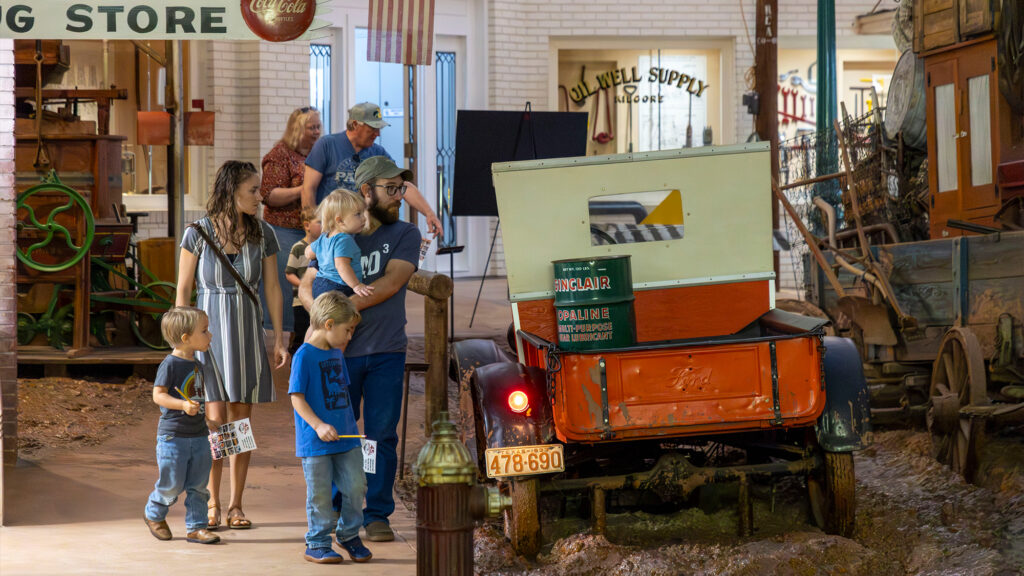
Texas owes a lot to the East Texas oil boom and the many towns and businesses it created. Here, on what was the biggest oil field in the contiguous United States when it was discovered, visitors can experience a full-scale replica boomtown and learn about the trailblazers of the early 1930s. Explore the town with its church, school, barbershop, stores, machinery, streets, gas station, and more; watch old footage at the Boomtown Theater; and ride a “freight elevator” that simulates a drop to the depths of the earth where oil deposits can be found. It’s a charming portal to a historically significant era.
Hours: Mondays–Saturdays 9 a.m.–5 p.m.
Cost: $7–$10
The indoor museum at the National Ranching Heritage Center is stellar and offers 44,000 square feet of exhibits that include a gallery of Western art and many historical artifacts. But the highlight is the outdoor park where 55 historic structures, including cabins, windmills, schoolhouses, shops, and more, have been carefully relocated and restored. Most of the structures are more than 100 years old and are arranged chronologically to show how ranching life changed over time. Follow a mile and a half of paved pathway, buy something to eat at the general store, climb aboard a stagecoach, and enjoy the life-size outdoor statues.
Hours: Monday–Saturday: 10 a.m.–5 p.m., Sunday: 1 p.m.– 5 p.m.
Cost of Admission: Free (donations encouraged)
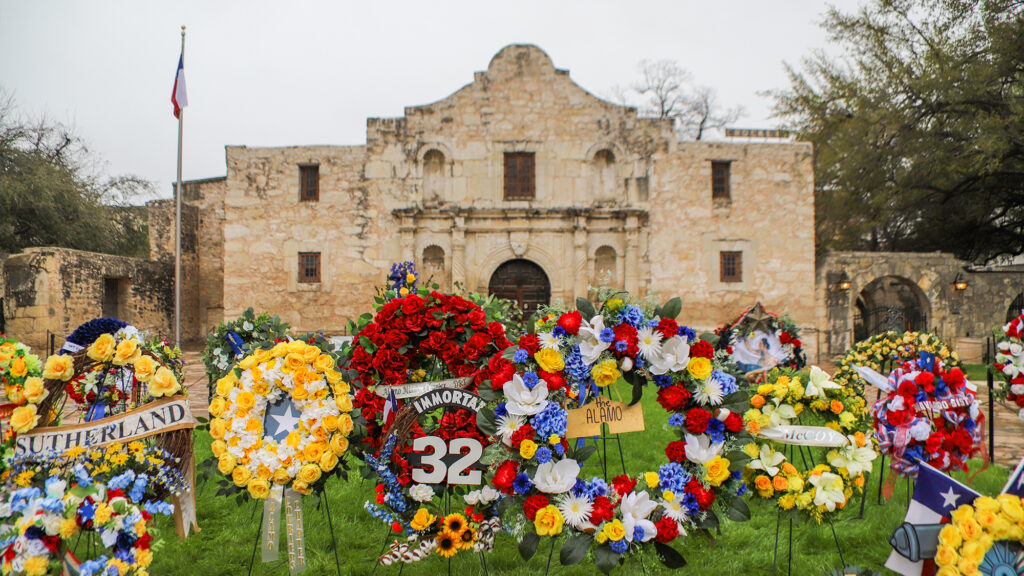
Most Texans have been to this 300-year-old symbol of Texas independence at least once, but a lot has changed in the past five years, thanks to generous appropriations from the state — and there’s still more to come. New renovations have pushed back modern streets and buildings to restore the original mission site and battlefield, leaving visitors with several acres to explore. You can view more than 500 artifacts at the Alamo Exhibit in the new two-story collections center, take a one-hour guided walking tour, or even use a handheld tablet to experience an augmented look back in time.
Hours: 9 a.m.–5:30 p.m. daily
Cost: Free entry to the church; guided tours are $40–$50

Texas is one of the most culturally diverse states in the nation, and the Institute of Texan Cultures celebrates the people and traditions that have shaped its history. Located in downtown San Antonio, the museum explores the stories of the many Indigenous peoples, immigrant communities, and cultural groups that have called Texas home through engaging exhibits, artifacts, photographs, and interactive displays. After an 18-month transformation, the museum recently reopened in a newly reimagined downtown space featuring modern, interactive experiences where visitors can learn how generations of Texans have influenced the state’s identity, from early settlers to modern communities, making this museum an essential stop for anyone interested in the rich cultural heritage behind Texas history.
Hours: 10 a.m.–4 p.m., Thursday–Sunday
Cost: $5–10
There’s a lot to explore in Texas. Check out seven of the state’s strangest museums.

Meet 4 Texas Cartoonists Behind Your Favorite Animations
Some of the most iconic cartoon characters were dreamed up by Texans.

Where Did Texas Homecoming Mums Come From?
Mum’s the word, but where did that word come from?
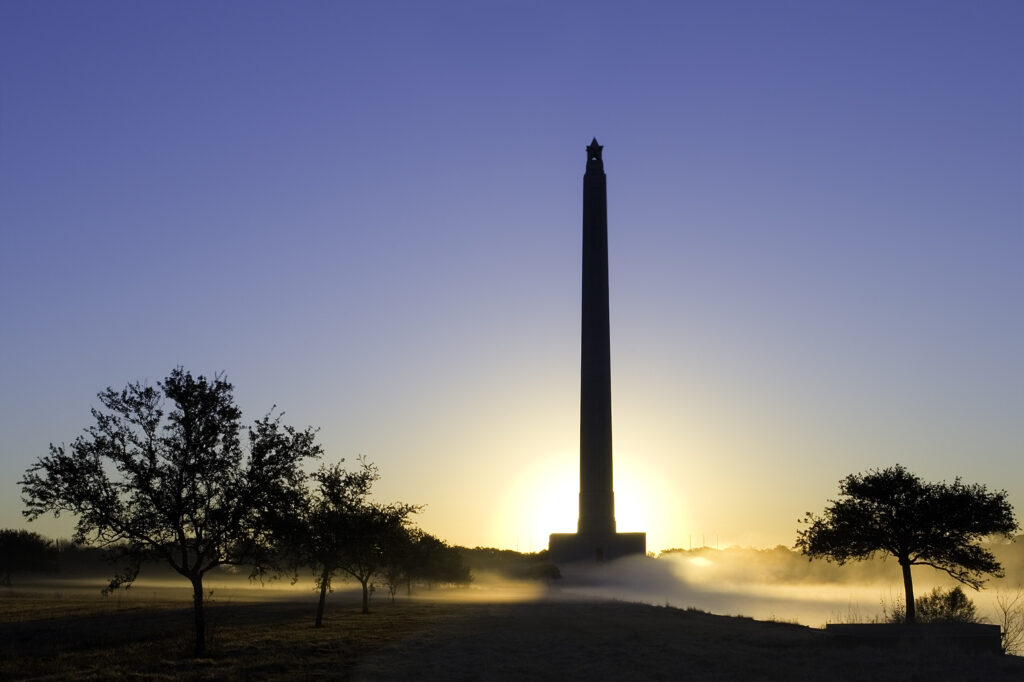
A few places to pay your respects.

The Texas Outdoor Musical (A History)
What could make the triumphal story of Texas’ first settlers better — except for making them sing and dance?

Texas Titans: Amon Carter, Mr. Fort Worth
Businessman. Civic booster. Dallas adversary.

The Race to Preserve Texas German
German immigrants helped build Texas. Today, their distinctive dialect is slowly dying out.