Please sign in as a member or guest below to access it.
Please sign in as a member or guest below to access it.

The pantheon of quintessential Texas grub.
Barbecue may be the first food that comes to mind when people think of Texas cuisine, but the Lone Star State’s culinary identity extends far beyond brisket. From kolache to chicken-fried steak to Texas sheet cake, here are 10 of the most iconic foods in Texas and how they captured our palates.
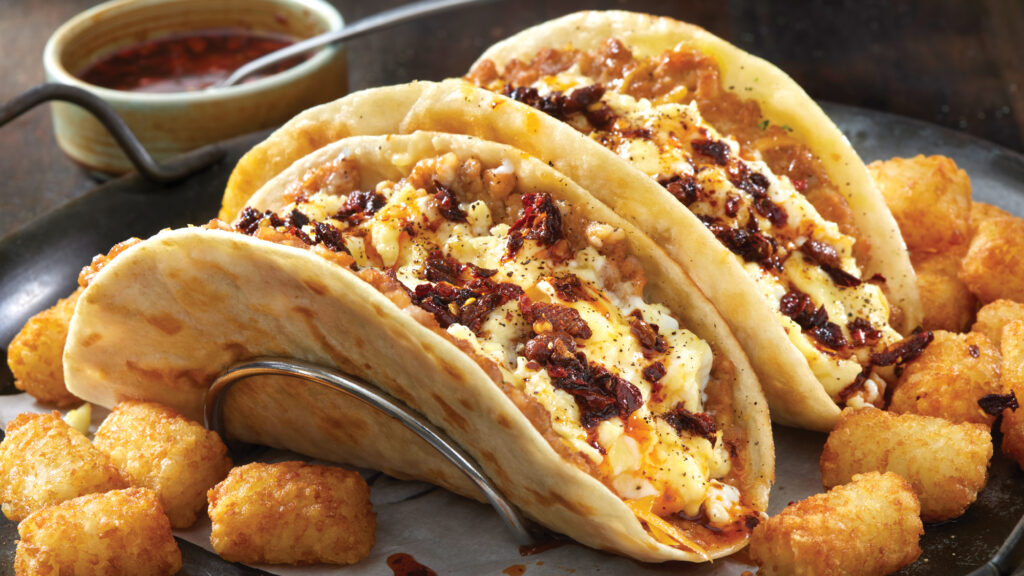
Classically, a breakfast taco contains refried beans, fluffy scrambled eggs, and spicy Mexican chorizo. But breakfast tacos can take many forms (and aren’t even restricted to morning consumption), so long as there are scrambled eggs wrapped up in a warm corn or flour tortilla. In some parts of Texas, you might get a smack on the wrist for calling anything in a flour tortilla a “taco” and not a burrito — but so iconic are breakfast tacos that they seem to transcend that rule statewide.
Where the breakfast taco started is a bit of a cultural dilemma itself. The earliest written mention of a “breakfast taco” appears in 1975, in an Arizona newspaper describing a San Antonio staple. Don’t say that to Austinites, though, who vehemently claim their city is the breakfast taco capital of the world. You can go down that rabbit hole yourself, as there’s plenty of inflammatory debate and (astonishingly) well-researched arguments online. For our own part, we’re diplomatically content with the fact that the breakfast taco is a Texas staple, plain and simple.
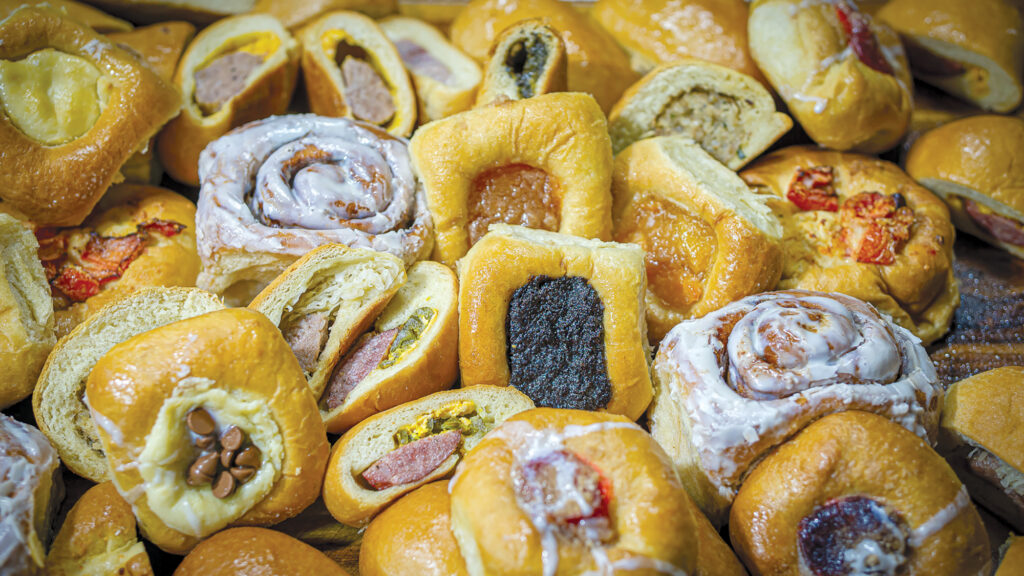
How did a Czech sausage roll become a distinctly Texas pastry? It all goes back to the 1850s, when immigrants from Bohemia, Moravia, and Silesia flocked to Central Texas, bringing cherished family recipes with them. Among them were kolache, sweet yeast pastries topped or filled with fruit preserves, poppy seeds, or sweet cheese, and klobasniky, savory pastries wrapped around sausage. Now, the Czech-Texan Belt runs up and down Interstate 35, where you’ll find painted churches, polka halls, and dozens of roadside Czech bakeries that prepare warm, doughy pockets filled with goodness.
Outside Czech communities, the names have blurred. Across Texas, the sausage-filled pastry is almost universally called a kolache, even though purists will point out that it’s technically a klobasnek. Modern versions have adapted to local Texas tastes and, these days, the sausage is often accompanied by cheese, jalapeños, and even scrambled eggs. Sweet or savory, slim or overloaded, at the end of the day, it’s a Texas bite that no road trip is complete without.
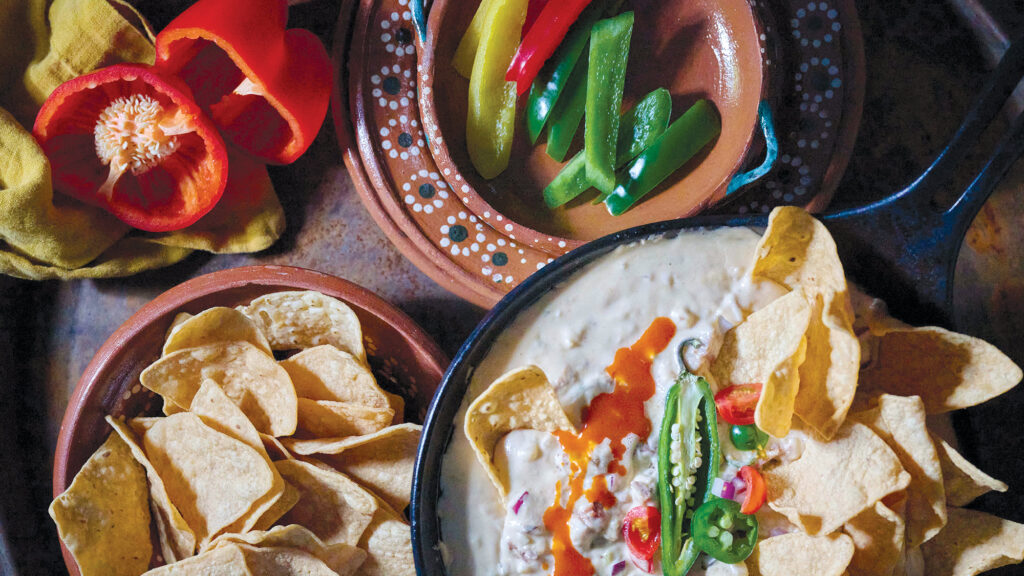
There’s no official state dip of Texas, but there should be — and queso would probably get most Texans’ votes. It’s basically Tex- Mex fondue, liquified cheese blended with chile peppers and dipped with warm tortilla chips. It’s ubiquitous on Texas restaurant menus, at tailgates, and on game-day spreads. Queso connoisseurs have brought new levels of Texas to their bowls, serving it tableside in a piping hot molcajete, mixing in smoked brisket, and even adding a glob of fresh guacamole on top.
Texas’ chile con queso is likely an adaptation of Mexico’s queso flameado (“flamed cheese”), which was first made with adobera cheese (a white cow’s milk cheese similar to mozzarella) in the early 20th century. But the Tex-Mex version, which is almost always made with American or Monterey Jack cheese, popped up around the same time. Many credit the dip to legendary restaurateur Otis Farnsworth, who practically invented the modern Tex-Mex restaurant in San Antonio in 1900. Indisputably, however, the queso you find on menus all over the United States wouldn’t be possible without Texas — but, just as indisputably, the best queso is right here.
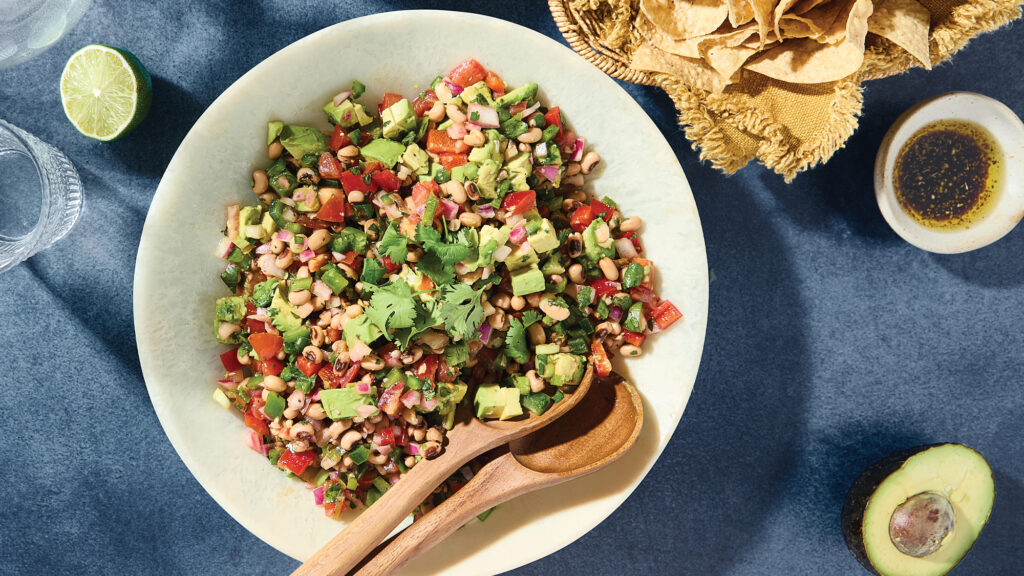
For ages, black-eyed peas have been consumed en masse each Jan. 1, believed to bring good luck and prosperity. It is thought that in 1940, Helen Corbitt, a New Yorker who came to Houston to teach restaurant management and would go on to serve as the culinary director at Neiman Marcus for 14 years, was tasked with creating a menu with only Texas ingredients. She transformed the humble peas, which she allegedly disliked, into a dish with garlic, sliced red onion, salad oil, and wine vinegar, and presented it with a side of tortilla chips. Her concoction was as delicious as it was lucky. Corbitt continuously served it at her subsequent jobs, including at the Driskill Hotel in Austin and the Zodiac Room, and along the way, the simple dip became known as “Texas caviar.” Now Texans are in luck year-round because it’s one of the most popular dips all over Texas, right alongside queso, salsa, and guacamole.
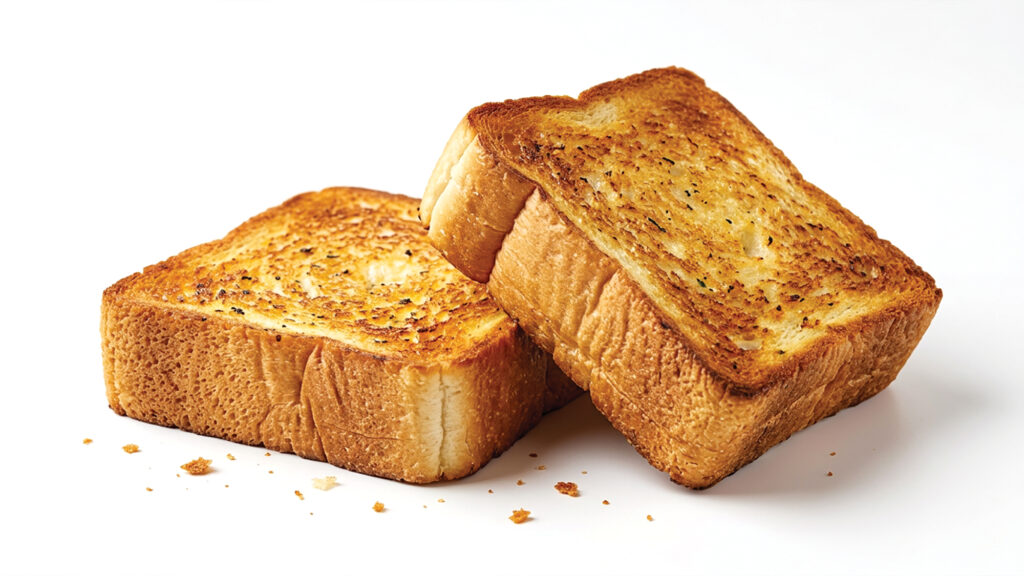
The best thing since sliced bread may be, well, sliced bread — sliced twice as thick, buttered excessively on both sides, and toasted golden brown on a grill top. That’s called Texas toast, and it’s often deployed as a mop for barbecue sauce, gravy, and any other Southern food that leaves a delicious mess on your plate after dinner.
Texas toast wouldn’t be a Texas classic without competing origin stories. Some say it started at a Dallas steakhouse, while others say it’s an East Texas tradition. But the most common story dates back to 1941, when Pig Stand, a drive-in restaurant in Beaumont (although the Pig Stand in Denton claims the events of this story happened at their location), ordered sandwich bread that came presliced and double-thick. Whether this was by accident or the owner was trying to impress his customers, the bread was too thick for the toaster and had to be toasted on the griddle with a heap of butter. No matter where Texas toast comes from, you’ll find it all over the state — and beyond — from chain restaurants like Whataburger as the bread of a patty melt to grocery stores as giant, frozen garlic bread.
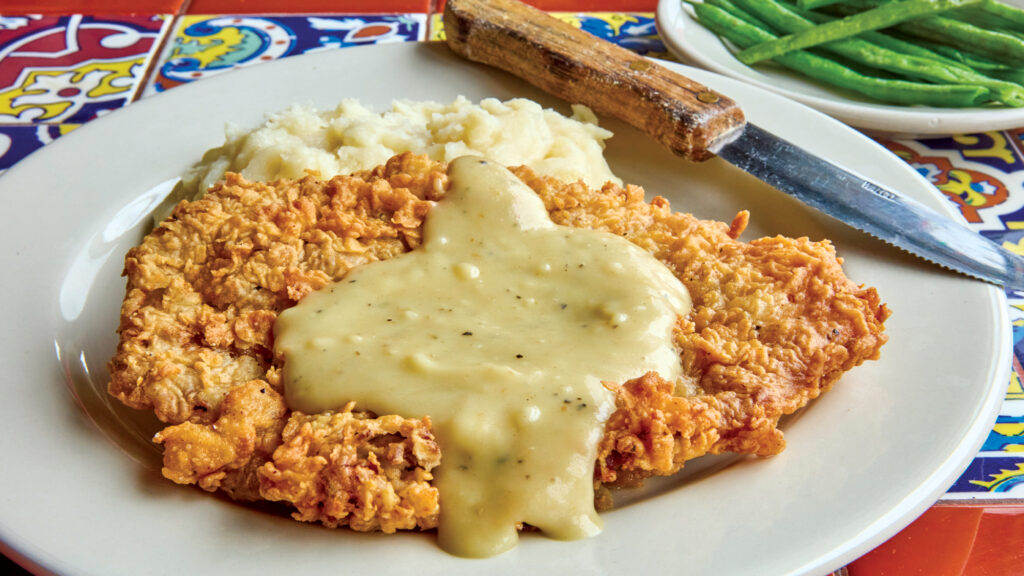
A diner without chicken-fried steak on the menu has no right to exist in Texas, which is why you’ll have a hard time finding one. Like all the best grub, there are a few conflicting mythologies surrounding chicken-fried steak’s origin. Some historians say German and Austrian immigrants adapted their Wiener schnitzel recipes in the 19th century, using the bountiful beef on the Texas frontier. Others claim it was the by-product of a confused short-order cook in a Texas café in 1911.
You may also hear of several “right” ways to make it. Some Texans use a simple egg and flour batter (like Southern fried chicken), while others use breadcrumbs instead of flour (how Wiener schnitzel isprepared). Some don’t batter it at all (the “cowboy” way, sometimes distinguished as pan-fried steak). We may never know the answer, but as long as this comforting concoction is on every diner’s menu in Texas in some form, that’s all that matters.
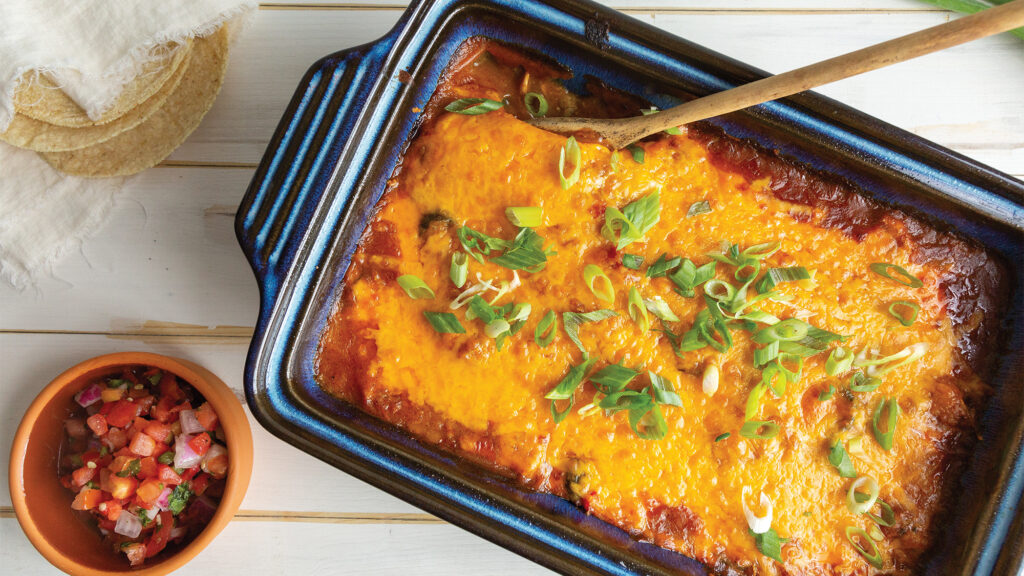
Potlucks, church suppers, and family reunions — all obligatory occasions for King Ranch casserole. It’s a sloppy, steaming mash of shredded chicken, corn tortillas, cheddar cheese, bell peppers, green chilies, onions, and cream of mushroom and chicken soups, and it’s quintessentially Texan. Despite its name, there’s no reason to believe this casserole comes from the world-famous, 825,000- acre King Ranch outside of Kingsville, which is known for cattle, not chickens. The truth is, no one is quite sure where the King Ranch casserole came from, or how it got its name.
Variations began appearing in Texas cookbooks and community collections during the 1950s and 1960s. It gained further notoriety after being featured as one of Lady Bird Johnson’s favorite recipes, which she regularly served at her ranch in Stonewall, and quickly became a staple of home cooking across the state. Today, King Ranch casserole remains a hearty, gooey symbol of Texas hospitality — so while you might never know where it came from, you’ll always know you’re home when it’s on the table.
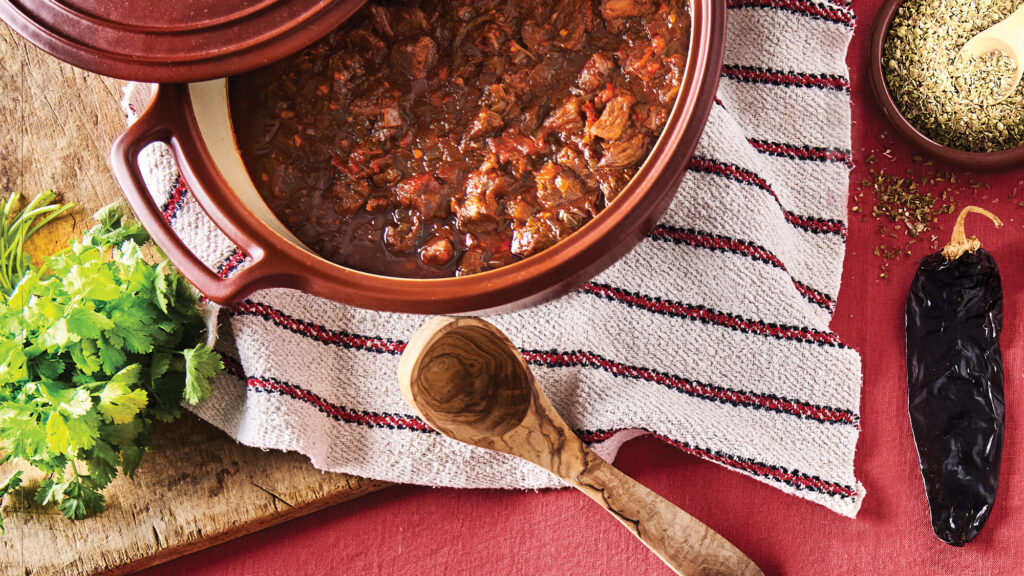
Texas chili never has beans. That’s a truism here, where chili — or “a bowl of red,” as some Texans call it — is ground beef, dried chilies, and spices, often topped with shredded cheddar cheese and sliced jalapeño. Anything else you add is at your own risk of losing that Texan stamp of authenticity. Chili has roots in Moroccan cooking traditions, but Texas chili is usually remembered as originating with the “Chili Queens” of San Antonio, who sold bowls of the spicy stew to laborers in public plazas starting in the late 1800s. One can only imagine that not a bean was in sight back then, and woe to anyone who’s dared to add one since.
About a century after the Chili Queens, the recipe for Frito Pie began circulating on millions of bags of chips: Heat a can of chili, pour into a bag of Fritos, and sprinkle with grated cheese and chopped onions. The strange redefining of “sack lunch” only further boosted chili’s popularity in Texas, where Frito Pie is a concession stand favorite under Friday night lights, at food trucks, and even in school cafeterias.
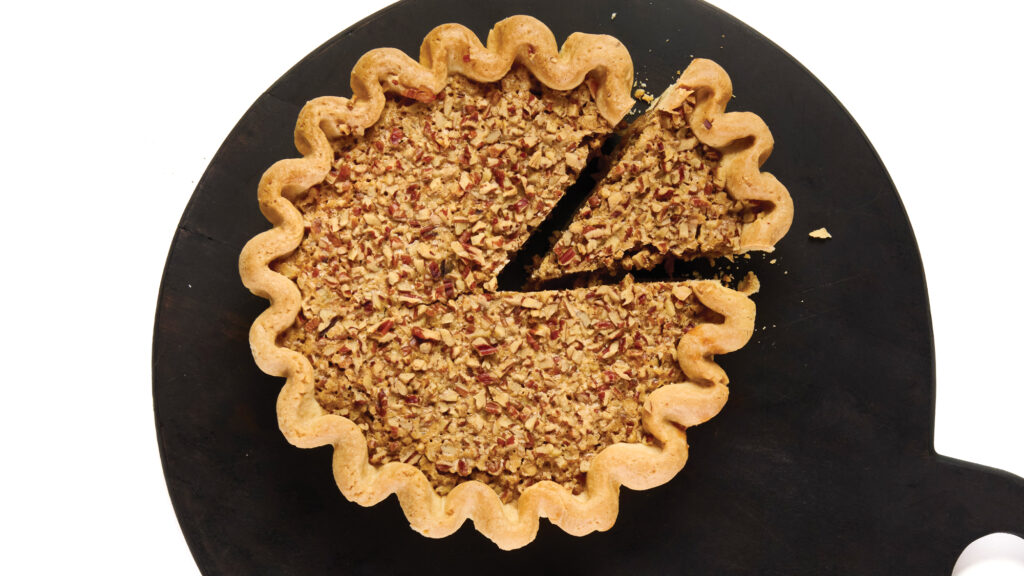
A Texan with a sweet tooth is usually hankering for a heaping slice of pecan pie. Recipes vary (and you’ll find Texans to be more lax about improvisation than with chili and breakfast tacos), but most versions feature a sweet filling made with eggs, sugar, and syrup, poured over candied pecans in a flaky crust.
Like many beloved Southern dishes, pecan pie’s exact origins are debated. Pecans are native to North America and have long been harvested by Native Americans, but the pie as we know it didn’t emerge until the late 19th or early 20th century. Many food historians credit the widespread popularity of pecan pie to Karo Corn Syrups, when the company began publishing recipes in the 1930s that helped cement the dessert as an American classic.
Texans’ love for this iconic dessert runs deeper than the flavor though: The Lone Star State is one of the world’s top producers of pecans — there are thousands of acres of pecan farms in Texas — so it’s become an important cultural symbol in towns like Seguin. No wonder pecan pie is Texas’ official state pie and that no Thanksgiving dessert table is ever without one.
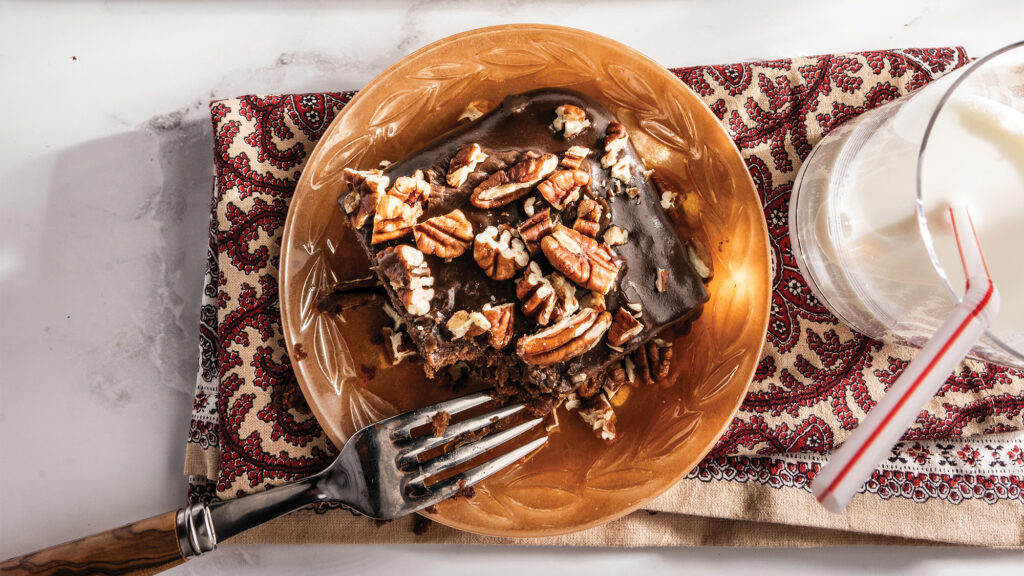
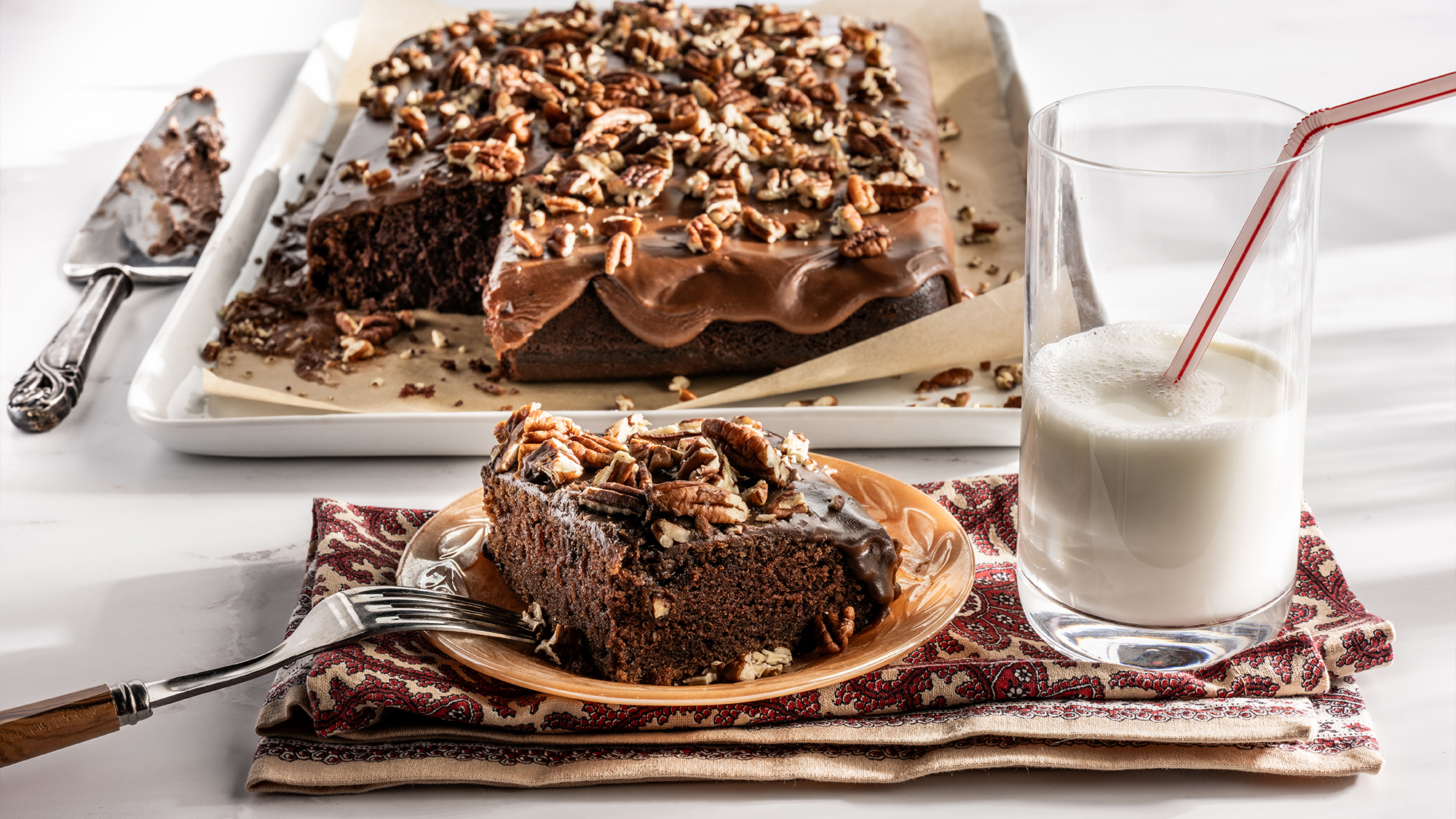
Despite its unknown origin, Texas sheet cake has earned its place as a Lone Star State classic. The super simple but super satisfying chocolate cake is traditionally baked in a large rectangular pan, topped with warm cocoa frosting, and finished with a generous scattering of pecans. It’s practically designed to feed a crowd, making it a fixture at potlucks, birthday parties, and holiday gatherings across the state.
The dessert has been around since at least the 1950s, but no one knows exactly who created it or how it came to bear the Texas name. Even a 2013 investigation by the Library of Congress couldn’t uncover a definitive answer, though some stories credit Lady Bird Johnson with helping popularize it. Whatever the truth, its generous proportions, rich chocolate flavor, and abundance of Texas pecans make it feel perfectly at home in a state known for doing everything a little bigger and better.
There’s no way you’re not hungry for a taste of Texas after all that. Get hundreds of the best of Texas-inspired recipes on our blog.
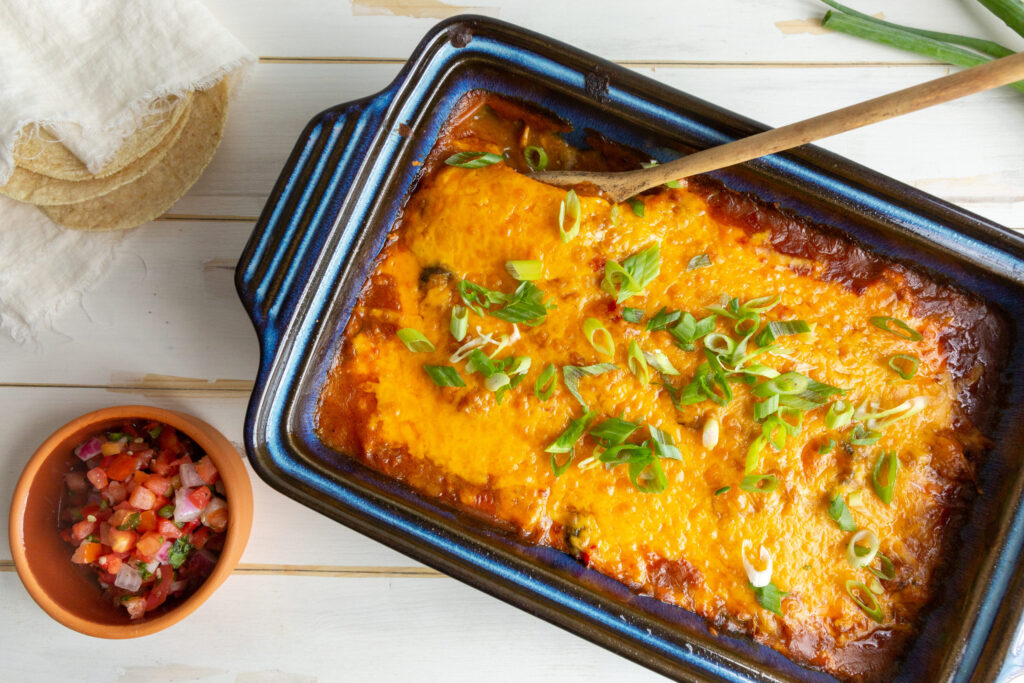
Original King Ranch Casserole Recipe
This 1950s recipe is an original South Texas classic.
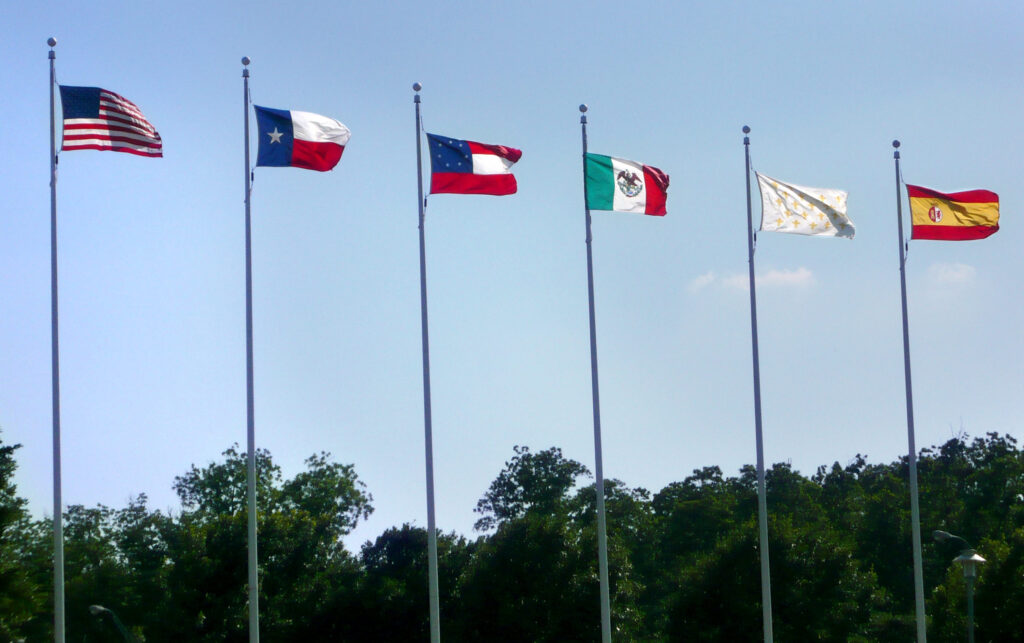
The History of the Six Flags Over Texas
Over the years, six flags have been raised and flown over Texas. Here is the story behind each one.
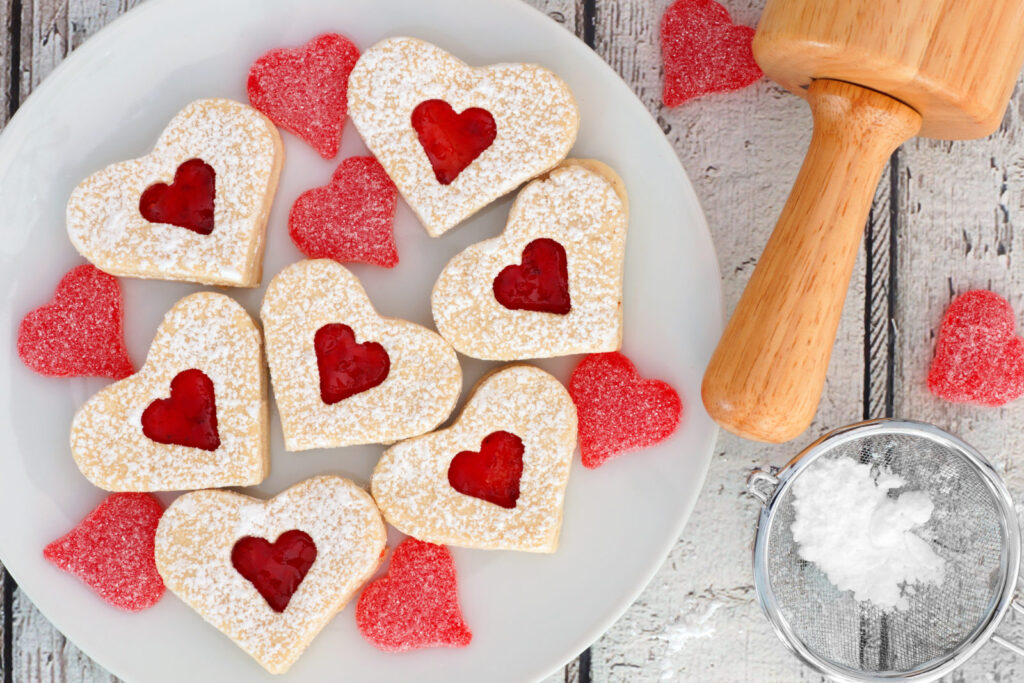
Thoughtful Handmade Valentine’s Day Treats
Valentine’s Day is a chance to make a thoughtful gesture — and have a bit of fun doing it.
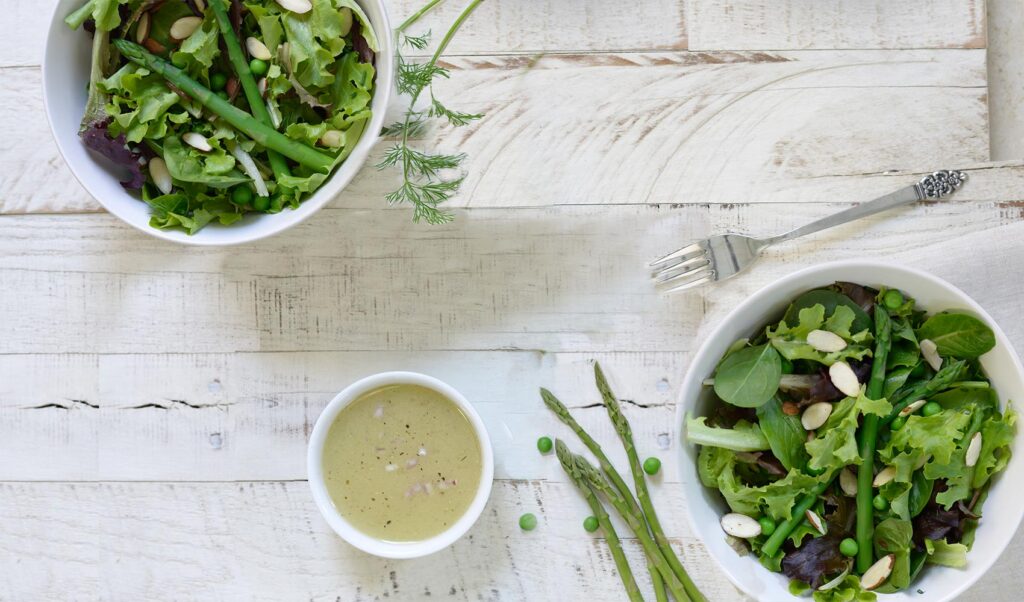
Spring Herb Salad With Lemon Vinaigrette
This salad pays tribute to spring with two of its hallmark vegetables along with a handful of herbs, all happy together in one dish.
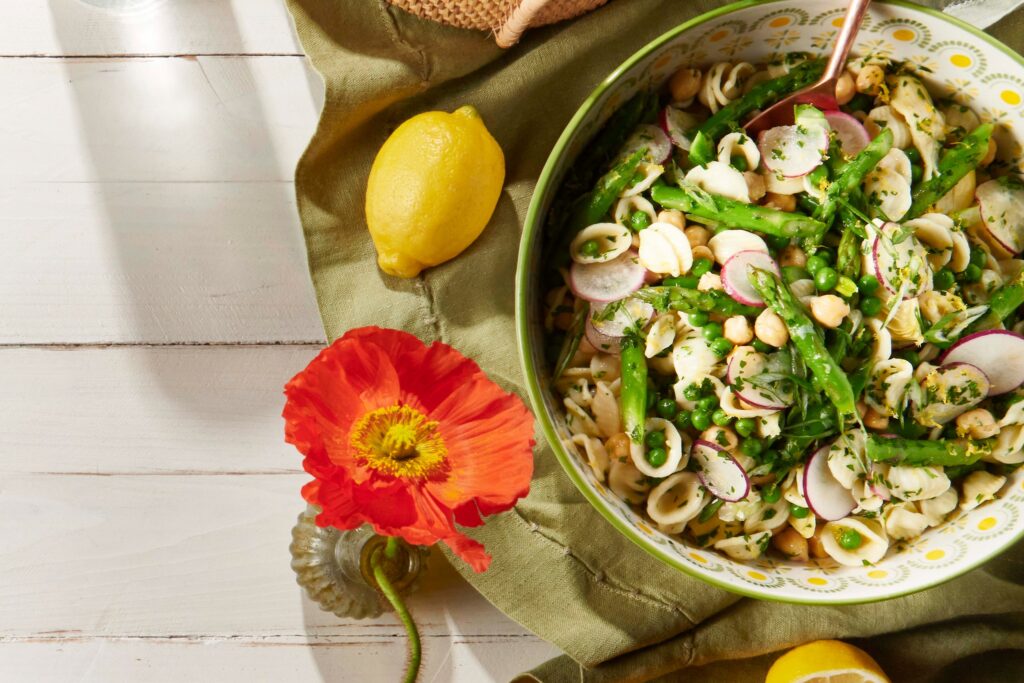
Lemony Spring Pasta Salad Recipe
Tenderness is the theme of the day with spring vegetables.
Try these three cute, show-stealing dishes to share at your next gathering. Bacon & Sweet Potato Bites Sweet and salty, these caramelized one-bite appetizers are impossible to resist. Makes 24. Ingredients:2 tablespoons butter, softened1/2 teaspoon cayenne pepper1⁄4 teaspoon ground cinnamon1/2 teaspoon salt1 pound sweet potato, peeled and cut into 24 1-inch cubes24 rashers of bacon2 […]