
Please sign in as a member or guest below to access it.
Please sign in as a member or guest below to access it.

Texas presents an annual rain-catcher award to incentivize innovative water conservation.
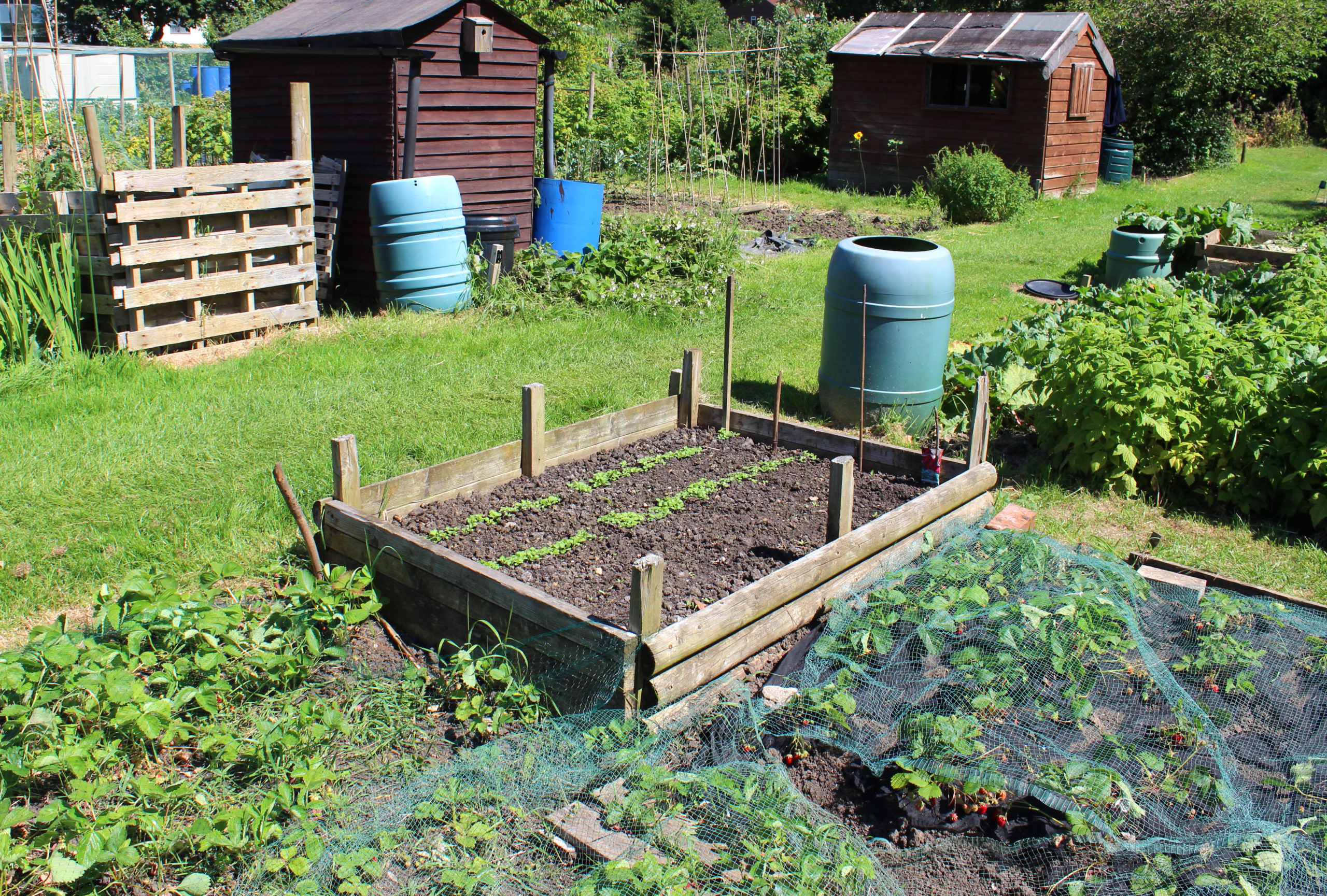
Instead of reaching for the hose when you head out back to water your garden or scrub down a muddy four-wheeler, what if you could use recycled water from your rain barrel?
With summer droughts and potential water restrictions fast approaching, water costs and conservation (and a happier lawn) are just a few benefits of having a rain barrel to your home.
A bonus: Texas even incentivizes rainwater collection by exempting rainwater-harvesting equipment from state sales tax and presenting an annual rain-catcher award, which recognizes innovative rainwater harvesting systems.
Plus, rainwater offers zero-hardness, is sodium-free, and reduces demand on a shrinking water supply. Here’s how to start a simple rainwater-harvesting system in your own backyard.
Your rain barrel, usually a drum or trashcan, connects directly to your gutter on the outside of your home. The water filters through a mesh screen to keep any dust, debris, and other contaminants out of your barrel and collects in the container until you’re ready to use it.
This project will require a few supplies — mainly a large barrel to collect your rainwater, anywhere from 40 to 1,000 gallons and up. You can capture 1,000 gallons of water per inch of rain on a 2,000-square-foot roof. So make sure and get a nontoxic barrel with a spigot that won’t leak and that’s large enough to make it worth your while.
Many Texas homes have asphalt shingles and, unfortunately, this disqualifies them from having a rainwater harvesting system. Make sure your roof is void of chemicals and toxins that could contaminate your water. Metal roofs, concrete tiles, and clay tiles are popular choices for a rainwater catch.
So long as your water is cleaned and properly stored, you can use your collected water for cleaning, gardening, laundry, or bathing. We recommend steering clear of using it to drink or cook, as you can never be certain it is void of all toxins.
For more green tips, learn how to turn your trash into treasure with composting.

6 Things to Do Before Rainy Season in Texas
Don’t save this guide for a rainy day.
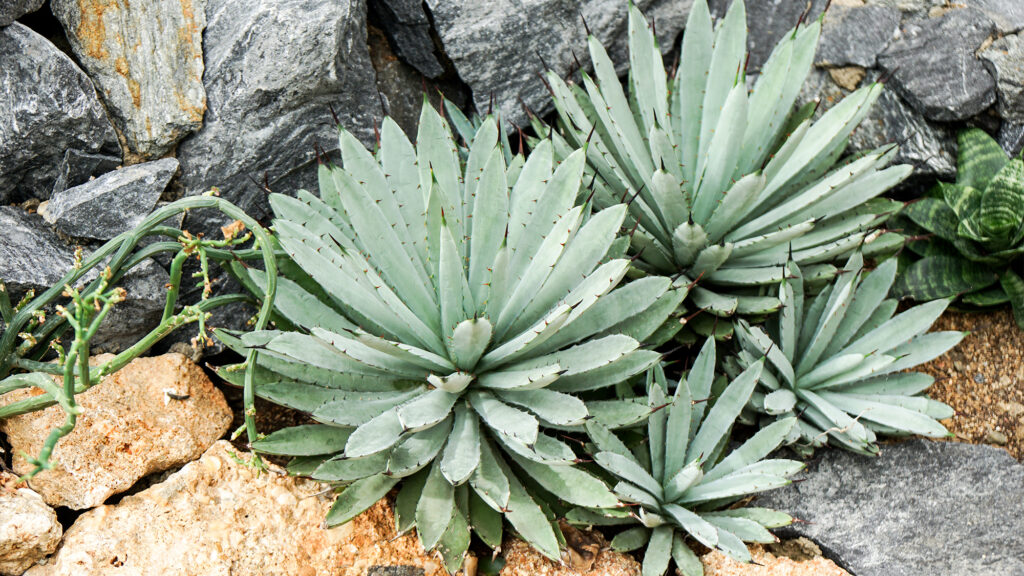
Give your lawn easy-care curb appeal.

Learn why everyone, from farmers to city slickers, is enjoying the benefits of inviting wise owls into their backyards this fall.
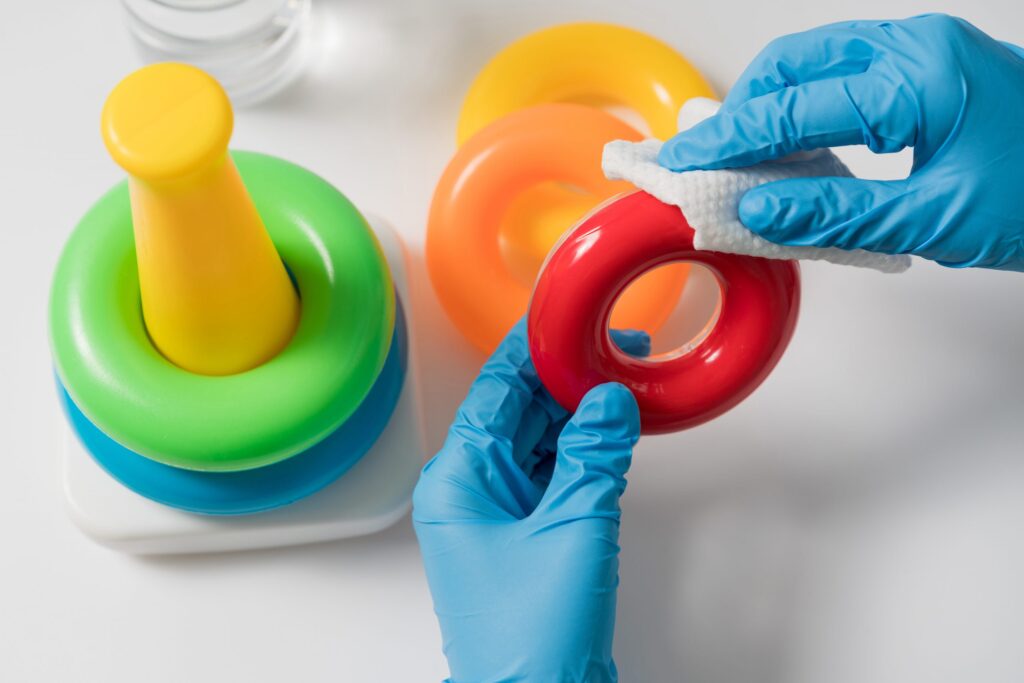
How to Clean Your Child’s Toys
The complete guide to cleaning children’s toys.
Keep them in tip-top shape for years to come.
Magic grown by moonlight.