
Please sign in as a member or guest below to access it.
Please sign in as a member or guest below to access it.

Shopping for a teenager’s first car comes down to balancing safety and cost. We’re here to help you navigate the process.
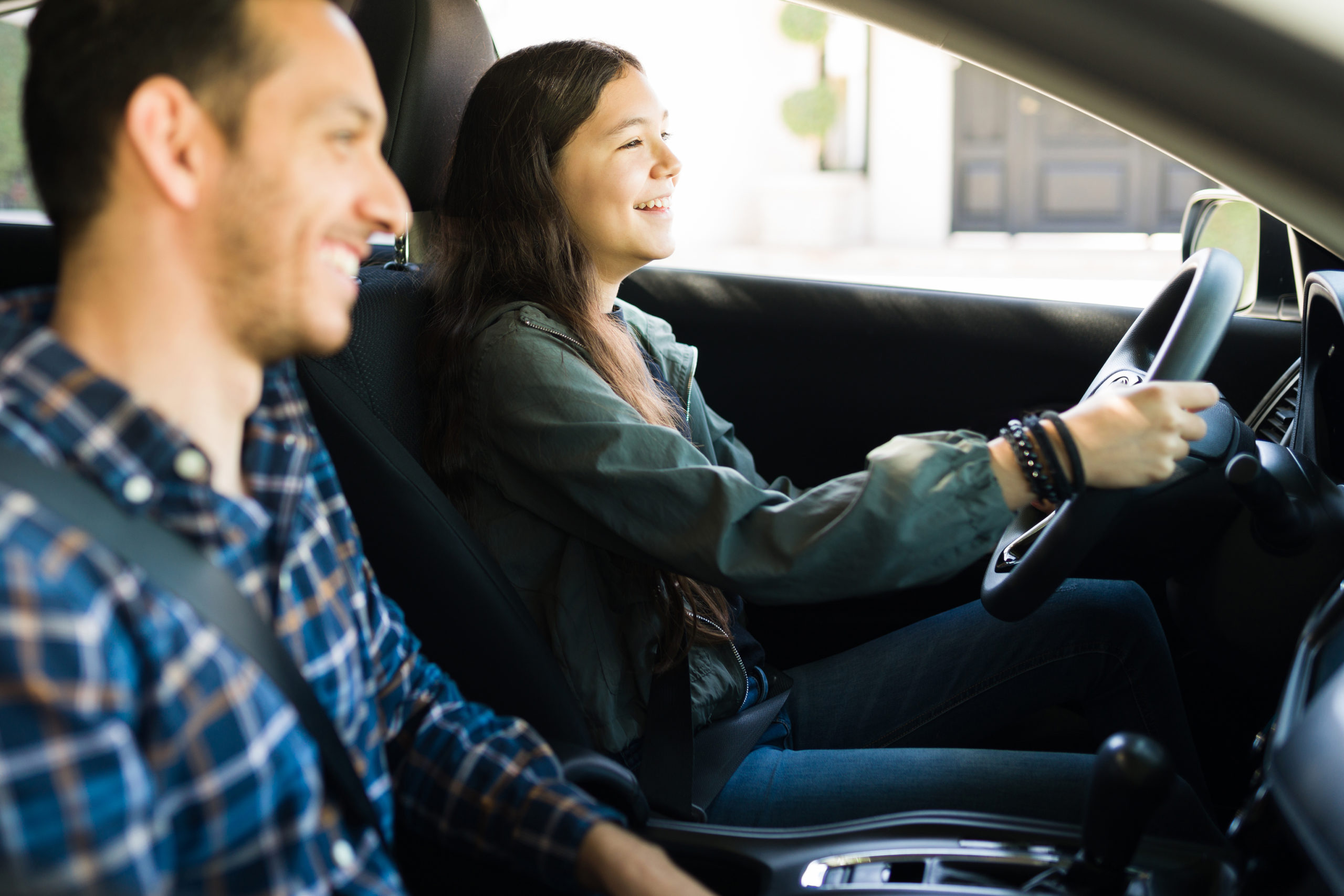
Buying your teen their first car is not an adolescent milestone many parents look forward to.
While a teenager may look at a new car as a ticket to freedom — and parents may even enjoy the benefits of having an additional driver in the house — parents also see all the risks. In 2019, almost 2,400 teenagers were killed in automobile accidents, according to the Centers for Disease Control and Prevention. Teenager crashes were associated with around $4.8 billion in medical and work loss costs. New drivers are among the most dangerous on the road. Then, there are the costs. Not only are cars expensive, but the costs associated with driving — including insurance premiums, maintenance, and gas — can quickly add up.
Before you cave to the pressure of your teenager who wants to take their newly minted driver’s license straight to the dealership, here are a few things to consider when choosing the best car for your teen.
For most parents, safety is the most important feature when considering a car for their child. Each year, the National Highway Traffic Safety Administration (NHTSA) and the Insurance Institute for Highway Safety (IIHS) release studies that list the safest vehicles on the market. These can be reliable guides for narrowing down makes and models before stepping into a dealership.
Unfortunately, most of us will also need to evaluate other considerations — such as price. Simply picking a vehicle from the NHTSA’s 5-Star Safety Ratings may not always be a possibility. Still, these resources are a good starting point, so you know what to look for and what questions to ask.
While there is no perfectly safe car, some vehicles on the market have engineering and design elements that put safety first. When shopping for the best car for your teen, look for vehicles that can withstand high-speed impacts. Heavy vehicles tend to perform best in this category with a few exceptions:
There are, in general, two kinds of automobile safety features: active and passive.
Passive safety features include essential elements that any vehicle should have; however, these may vary in quality. These include:
Active safety features include add-ons that are more often featured in newer vehicles, especially if regulations have changed requiring new models to include them. These include:
While every vehicle should have adequate safety features, new regulations on recent models may bolster the argument for opting for a newer car for your teen. However, again, this depends on your price range and other risk factors. One low-tech but effective safety consideration? Modeling good driving. If your teen sees you driving safely, they are more likely to drive more cautiously.
Buying a new car may cost more than going with a used model — although recently, this has not always been the case. But going new has some benefits.
Pros of buying new:
Despite these benefits, the vast majority of parents — 83%, according to a study by the IIHS — purchase used vehicles for their teenagers.
Tips for buying used:
If the cost of financing a new vehicle is an obstacle to new car ownership, you may consider leasing a new model. Leasing can lower your monthly car payments, and in three years, when the lease is up, your child will likely be more ready to take on the full responsibility of car ownership on their own.
The cost of the car is not the only new expense that comes with purchasing an automobile. Make sure your teen understands both the cost of — and who is responsible for covering — additional expenses such as insurance, maintenance, and gas. Insurance premiums for teenagers are an important consideration too. Statistics show that teenagers are responsible for a large number of traffic accidents each year.
Often, between school, sports, and other activities, teenagers can’t earn the money to cover many of these costs on their own. But awareness of these expenses can incentivize safe driving. Make sure your teen understands how expensive speeding tickets can be and how many hours they would have to work to pay it off. You may also consider making paying for gas or maintenance conditional on your teen proving that they are driving safely. After all, the goal isn’t just choosing the safest car for your teen — it’s also raising safe drivers.
Contact your Texas Farm Bureau Insurance Agent to discuss your insurance options and any potential discounts, such as a good student discount, for your new teen driver.
Coverage and discounts are subject to qualifications and policy terms and may vary by situation.
Watching Texas Burglary Trends
Think most burglars break in at night? Guess again.
Could someone drown in your pool? Take these steps to ensure your home is a safe place.

We break down the do’s and don’ts of driving in a construction zone.
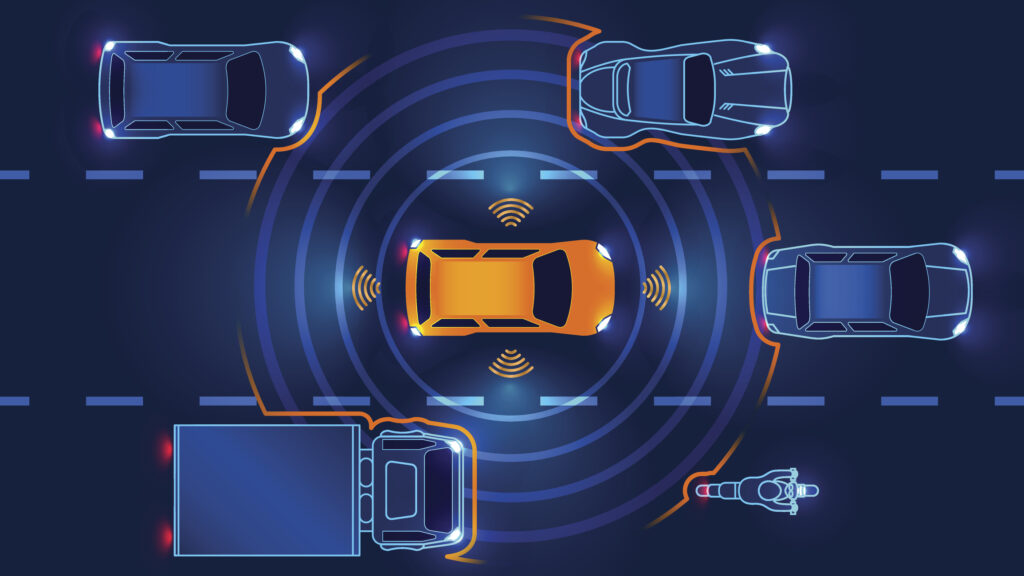
Vehicle Safety Features to Look For
There was a time when car safety meant a good bumper and functional seatbelts. Technology has come a long way since then.

What Texans Should Know About Personal Security
Prevent intruders and theft with these holistic guides.
Wood-Burning Fireplace and Stove Safety
If you live in the Panhandle, these features may increase the value of your home.