Camp and Campfire Safety
If you love exploring the great outdoors, there’s no place like the Lone Star State. With two national parks, more than a dozen National Park Service sites, and hundreds of other campgrounds statewide, there’s no shortage of camping opportunities. But a memorable trip doesn’t happen by accident — it starts with thoughtful preparation and a commitment to safety. Extra care and respect for the environment will protect both you and this place we call home.
Safe Camping Setups
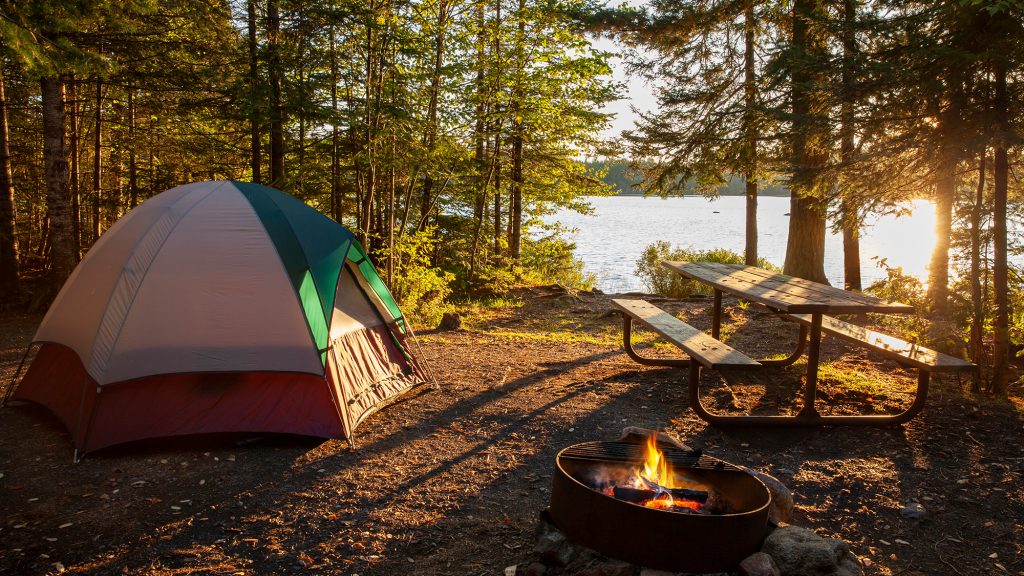
Where you pitch your tent can make or break the experience. Stick to designated or existing campsites when available to minimize impact on the area. An area with a nice mix of sun and shade is usually most pleasant. Choose a level area away from water and clear of any flood plains. Don’t set up camp right under a tree, especially those with dead or overhanging limbs that could fall unexpectedly.
Be mindful of where you store food and set up cooking areas. Feeding wildlife, intentionally or unintentionally, can endanger both them and humans. Put trash in designated bins or take it with you, and keep all food in sealed containers.
Campfire Safety
Before starting a campfire, check with the county or park to make sure it’s allowed and that no burn bans are in place. If it’s been extremely dry, hot, and windy, you might need to use a camp stove.
Build your fire at least 25 feet away from anything that can burn, clearing away dry brush, overhanging branches, and other debris. Keep water, a fire extinguisher, or a shovel and dirt or sand nearby in case you need to put out the fire quickly. A large circle of dirt or sand surrounding the pit will keep rogue sparks from spreading.
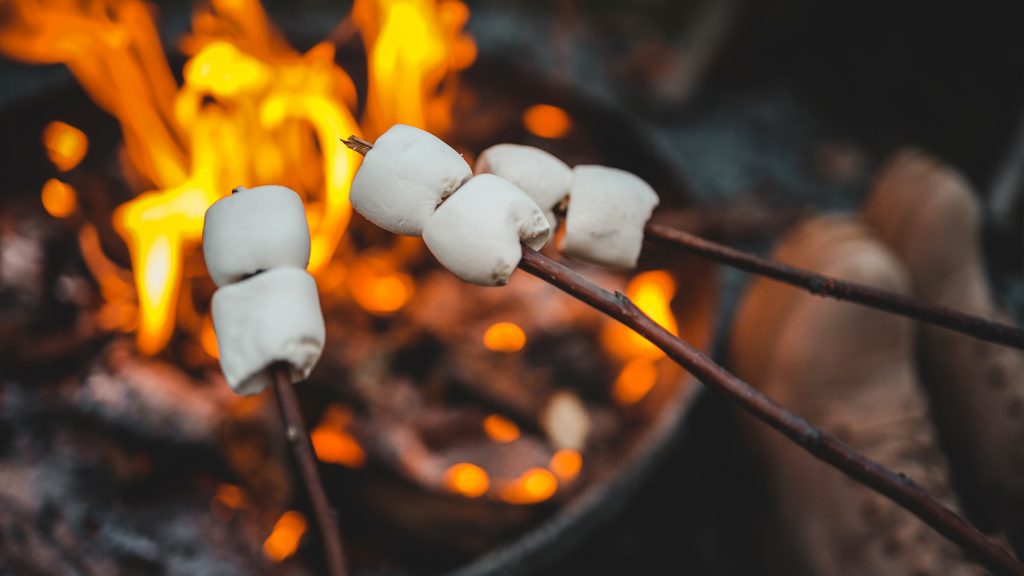
Keep the fire a manageable size, building it slowly with small pieces of dry wood. Extra wood should be kept upwind of the fire and at a good distance from it. Avoid using accelerants such as gasoline. Always monitor the fire, making sure children and pets keep a safe distance.
When it’s time to put out the fire, carefully extinguish the flames with water, then stir the ashes until no embers remain.
Remember, camping is great fun, but it’s also a privilege. Take it seriously so you and your family can stay safe, and the land can remain beautiful for generations of future campers to enjoy.
You don’t have to go far for a memorable camping experience. Check out our guide to backyard camping.