
Handling Household Hazardous Waste in Texas
Household hazardous waste consists of products that should not be thrown away with regular garbage because they are corrosive, toxic, reactive, or pose a fire hazard. Common examples include paint, electronics, batteries, and certain cleaning products. Taking the extra time to dispose of these items properly helps protect people, animals, and the environment. The good news is that several statewide resources are available to facilitate the process.
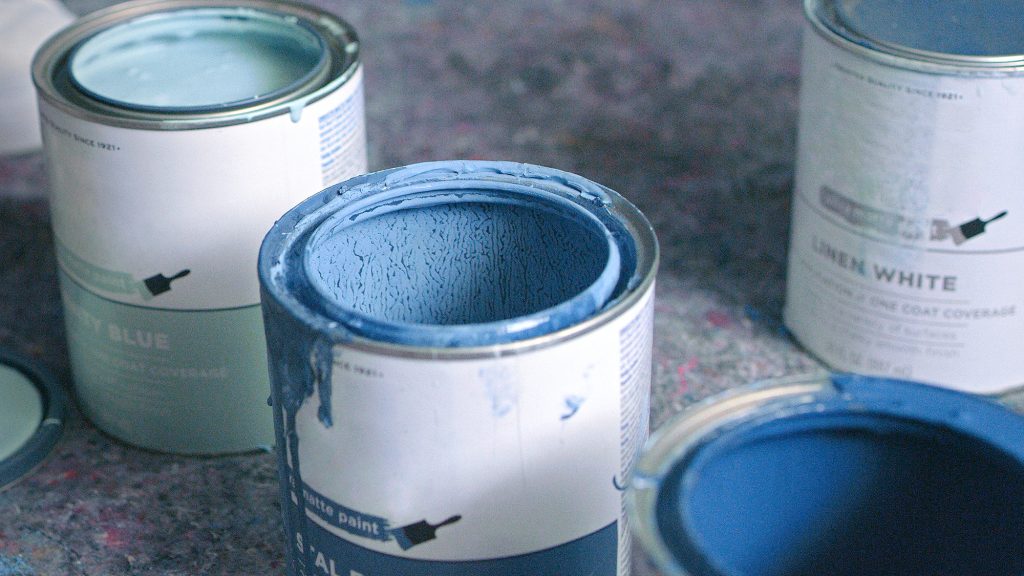
Paint and Solvents
Oil-based paints should not be thrown away with regular household garbage because they contain volatile organic compounds that can vaporize and pollute the air. Instead, take them to a paint recycling program or hazardous waste facility (more on that shortly). Paint solvents and resins, some of which are also oil-based, should be handled the same way. Latex paint, on the other hand, is water-based and can be thrown away once it dries. Mixing in cat litter can speed up the drying process.
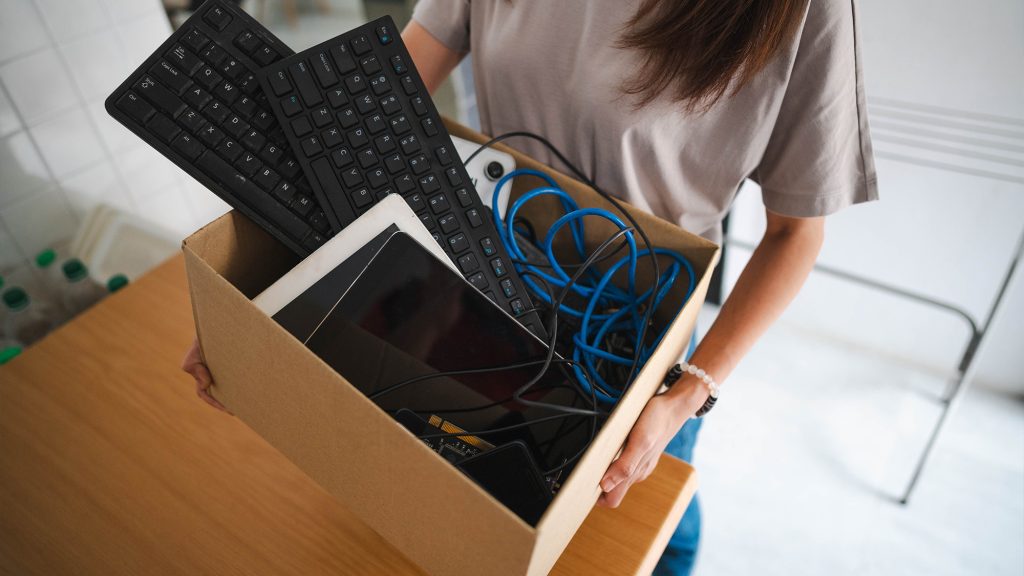
E-Waste
Discarded electronics — such as computers, televisions, printers, cellphones, game consoles, MP3 players, cameras, routers, and household appliances — are collectively called “e-waste,” or electronic waste. Improper disposal of e-waste can release lead and other toxins into the environment, putting children and pregnant people especially at risk. Many manufacturers offer recycling programs for their electronic products, which can be a good place to start. You can also visit Greener Gadgets to find a local e-waste recycler.
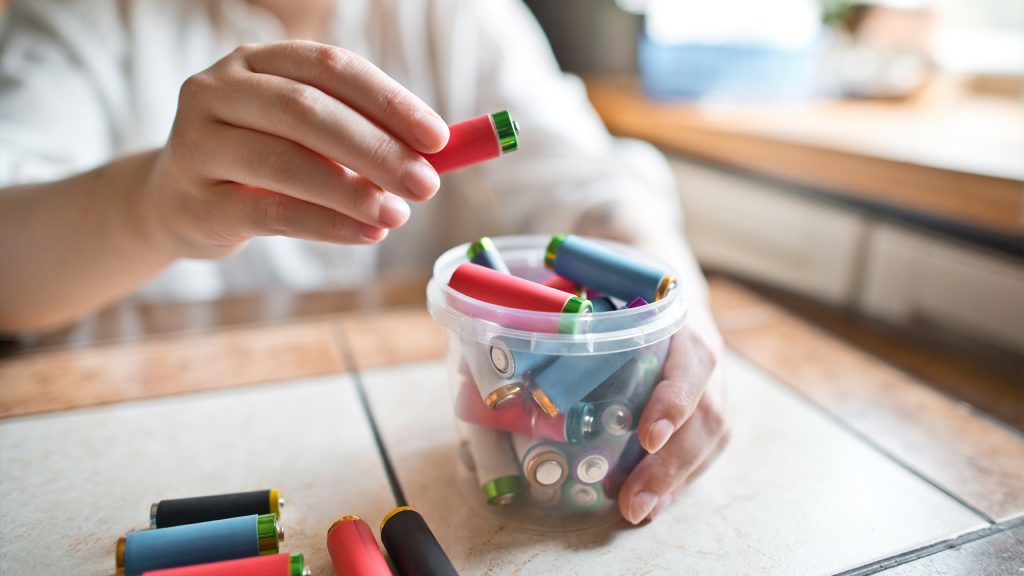
Batteries
Most modern dry cell batteries no longer contain mercury and can legally be thrown in the trash. However, rechargeable batteries — despite being a much more sustainable power source — can be environmentally damaging once they no longer hold a charge. These should always go to a hazardous waste collection site or a designated battery recycling drop-off. Automotive batteries can typically be returned to sellers for recycling.
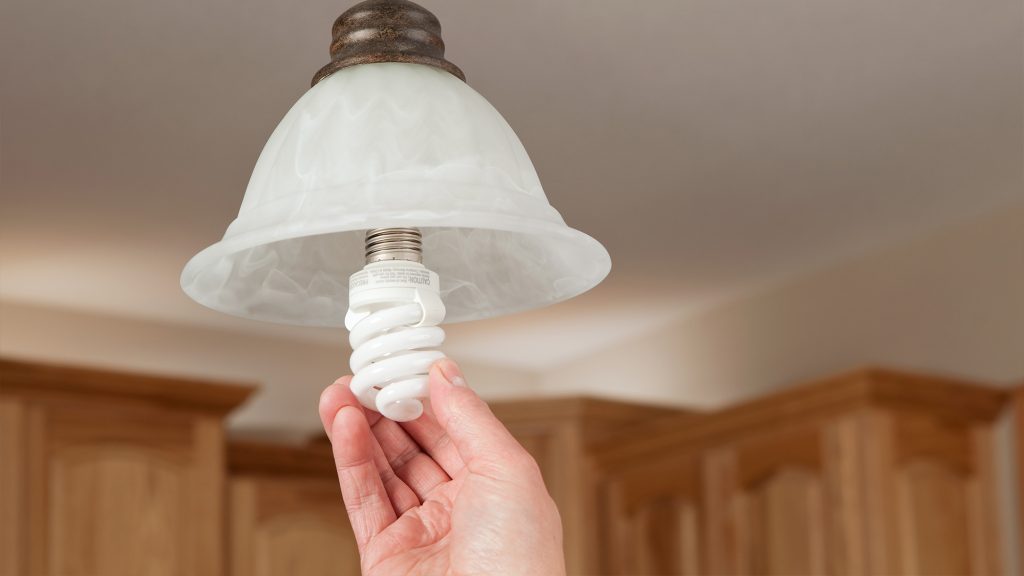
Light Bulbs
Many types of light bulbs, including incandescent, halogen, and LED bulbs, can go in your household garbage, though it’s best to wrap them in protective material to prevent injury if they break. Fluorescent bulbs, on the other hand, contain mercury and must be taken to a hazardous waste facility or specialized recycling program. Call ahead to confirm that bulbs are accepted, especially if they are broken.
Cleaning Products
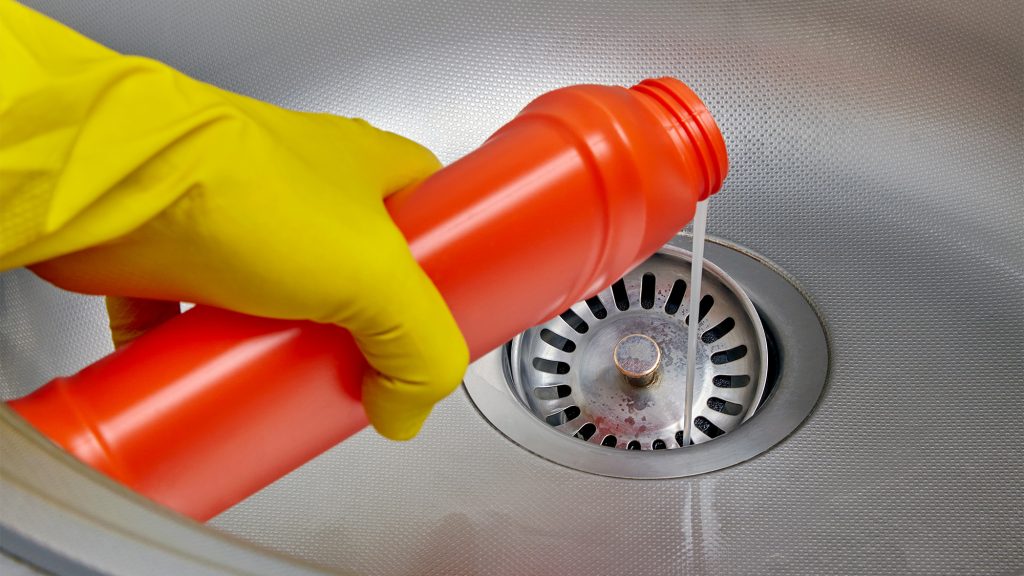
Most cleaning products can be safely disposed of through household trash or down the drain, provided you follow the manufacturer’s instructions. Many water-soluble products, such as disinfectants, bleach, all-purpose cleaners, and toilet cleaners, can be poured down the drain with plenty of running water, but they should never be mixed. When in doubt, contact your local sanitation department for guidance.
Household hazardous waste can almost always be disposed of at a government-run facility or collection program, which can typically be found on your city or county website or through the Texas Commission on Environmental Quality. Ultimately, responsible waste disposal comes down to a few commonsense practices: Use up products whenever possible, keep items in their original containers to preserve disposal instructions, and never mix hazardous materials.
Some of these hazardous household waste items might be piling up in your garage. Here are seven tips to spring-clean it.