
Safely Handling Medication at Home
A jumbled drawer or cabinet of assorted pills and bottles isn’t just disorganized; it’s also a potential safety hazard. Many of the ways people commonly store or discard medications are less than ideal. Fortunately, it isn’t difficult to safely manage both over-the-counter and prescription medications at home if you follow a few key guidelines.
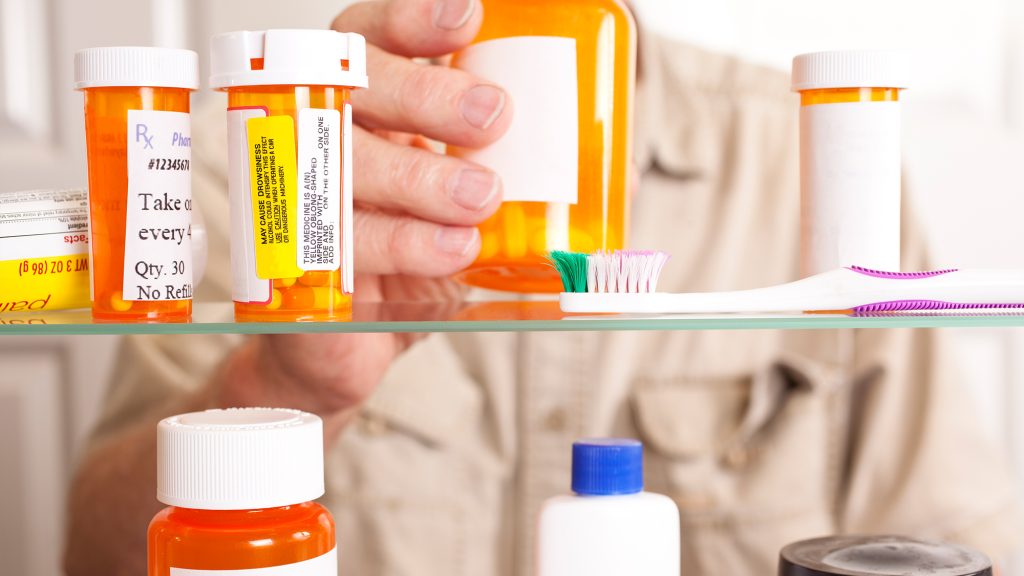
Store Medications Securely
Choose a storage site that’s inaccessible to children and pets — either high enough to be out of reach or secured with childproof locks — to prevent accidental ingestion or misuse. Do not rely on the medication’s childproof packaging as a sole deterrent. Consider keeping controlled substances in an actual medicine safe or a locking medicine bag.
Storing medicines in bathrooms is such a common practice that home bathrooms often come with built-in medicine cabinets, but their high humidity actually makes them among the worst places to store medication. Moisture can make medications less effective.
Similarly, most medications should be stored at room temperature out of direct sunlight. Occasionally, a medication will need to be refrigerated; if so, it will be indicated on the packaging. Extreme temperature changes can alter a drug’s chemical composition and make it unsafe or less effective — another strike against bathrooms as storage places.
Pharmacy bottles aren’t always the most convenient or aesthetically pleasing, and it can be tempting to combine different containers of the same medication to save space. But it’s not worth potentially forgetting the different dosages, prescription dates, and administration instructions. Also, certain kinds of travel might require you to bring your medication in its original container, especially if it is a controlled substance.
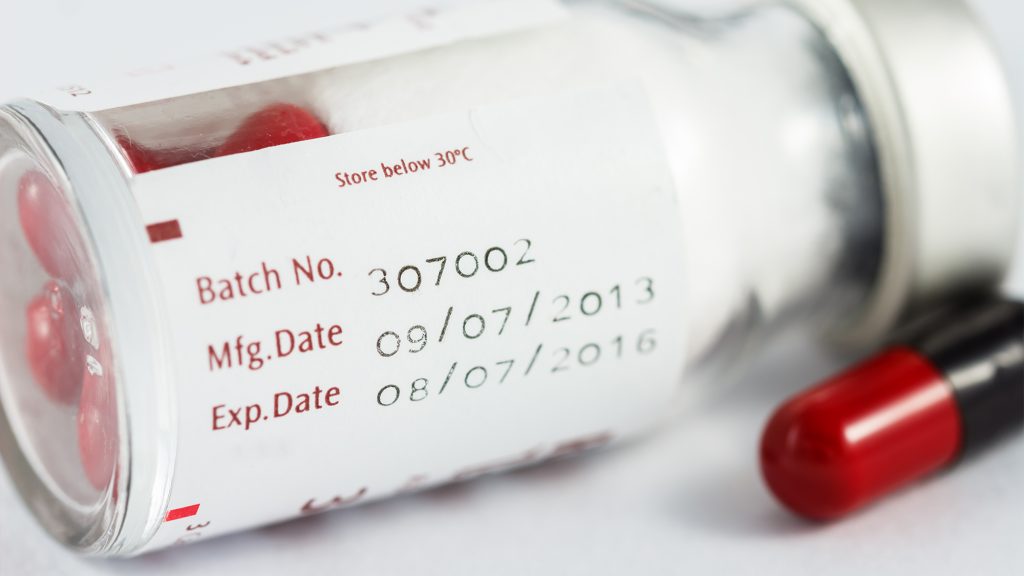
Properly Disposing of Medication
Medications have longer shelf lives than food products, but they can still lose potency over time. Periodically check the expiration dates on your medications and clean out anything that’s past its prime. This is another good reason to keep medicines in their original containers.
The Food and Drug Administration and Environmental Protection Agency both recommend take-back events or year-round drop-off sites to get rid of unwanted or expired medications. These events are often sponsored by law enforcement agencies and allow the public to anonymously drop off unwanted medications for controlled incineration. Medication mail-back services are also available, but be sure to remove all personal information from containers before submitting.
While take-back programs are the best choice, not everyone will take advantage of them. A good backup is mixing the medicine with something repulsive, such as cat litter or spoiled food, sealing it in a container like a coffee can or zip-close bag, and placing it in the trash, preferably on trash day, to lessen the opportunity for tampering.
If a take-back program is not available, the FDA does recommend flushing certain medications because of the danger they would pose if retrieved from the trash. But for environmental reasons, this should be a last resort.
Review our health guide to help keep yourself and your family feeling well year-round.