
Please sign in as a member or guest below to access it.
Please sign in as a member or guest below to access it.

We cover all the tips you need to grow a healthy veggie garden this summer.
Oh, the infamous Texas summer, which brings with it blazing heat beating down on our poor gardens. This makes growing a bountiful vegetable garden during these months a rewarding challenge. Good garden preparation, smart plant choices, and consistent maintenance can yield a successful summer harvest.
Just as a solid foundation is necessary for a structurally sound home, so is healthy soil for a productive edible garden. Without it, you’ll waste a lot of resources. Depending on where you live, you may have heavy clay soil or loose sandy soil; both come with challenges. Heavy clay soil that is alkaline can become waterlogged and limit nutrient availability to your plants. Soil that is too sandy will lose moisture and nutrients too quickly. Both of these soil deficiencies can be remedied with the addition of organic compost. Ask your local garden center for more information to identify your soil type.
By amending your soil with organic compost, you’ll improve drainage, balance water retention, and improve nutrient availability. Remember that soil is a living organism full of microbes, earthworms, and other insects that help feed your plants. As the microbes and earthworms consume and digest the organic matter in the compost, they aerate and improve the structure of the soil and provide nutrients to your plants. However, the fastest way to create the best environment for growing edibles is to use raised beds. These gardens allow you to better control the soil composition and health of your plants.
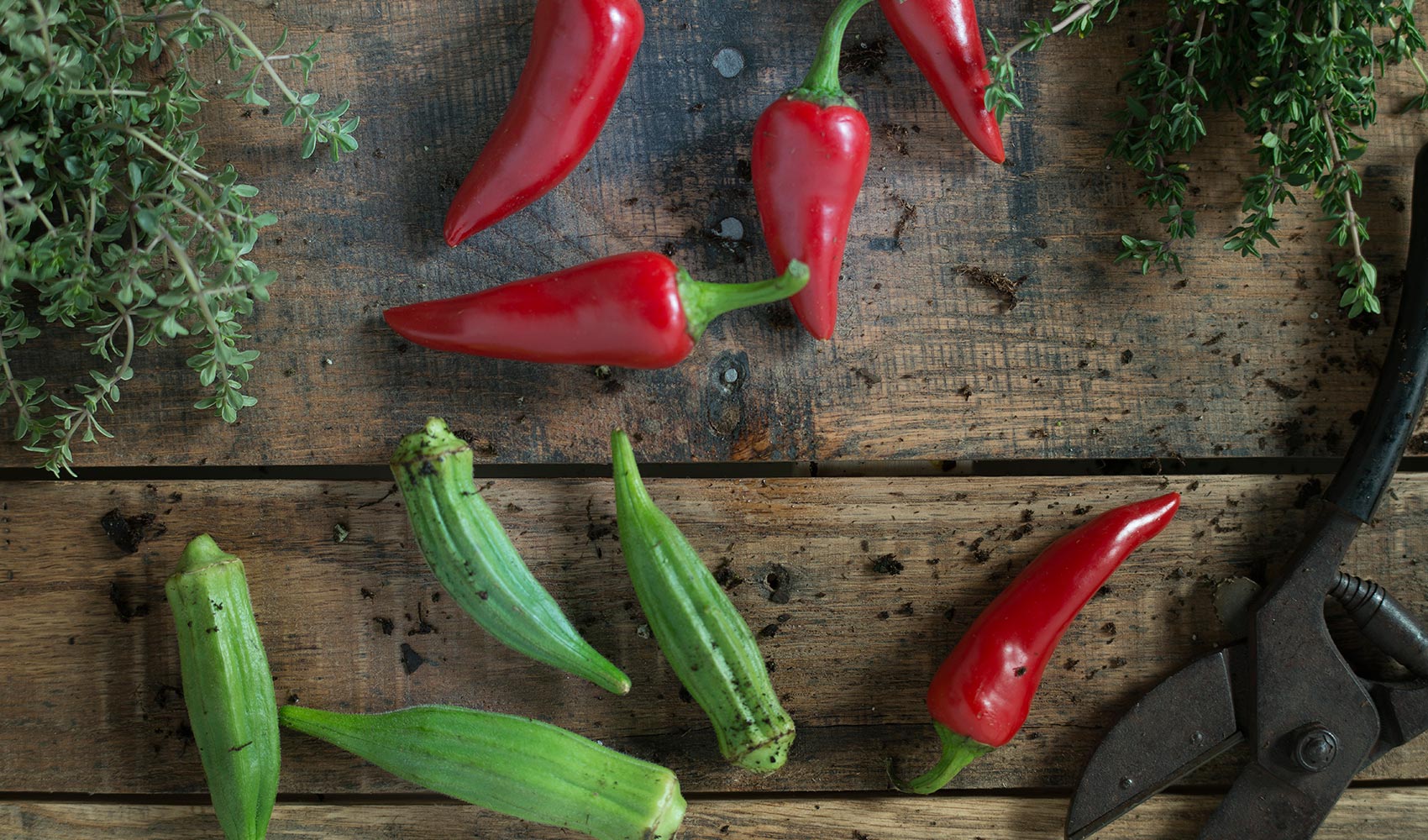
Once you have rich, loose soil in which to grow your vegetables, you’ll need to choose heat-tolerant varieties for the summer season. You can direct-sow large seeded varieties such as yellow squash, zucchini, melons, and beans in late spring and early summer. These edibles are easy to germinate and will grow quickly in the garden. Heat-loving vegetables such as eggplant, okra, and peppers can also be direct-sown into the garden or relocated transplants from your local garden center. Hot peppers are an easy crop for beginning gardeners. Herbs such as basil, thyme, and oregano are also tough summer survivors.
Consistent moisture is key to keeping your thirsty summer veggies healthy and productive. Watering early in the morning at soil level is best for your edibles. Avoid watering plants on top of the foliage so you don’t encourage fungal diseases. You’ll find that your summer garden will require regular supplemental watering to thrive. Aim for consistency — allowing plants to become too wet or dry out for too long will impact flower and fruit production. Consider installing a drip or micro-spray irrigation system; automated irrigation will not only save your crops, but also save a lot of time and wasted water.
We have two tomato-growing seasons in Texas. If you missed the target planting window for your spring tomatoes, you’ll get a second chance this summer. Fall-harvest tomatoes can be seeded in May, then planted mid-summer. Because successful tomato growing is all about temperature and timing, it’s best to have fall tomato transplants in the ground from mid-June through mid-July, depending on your location.
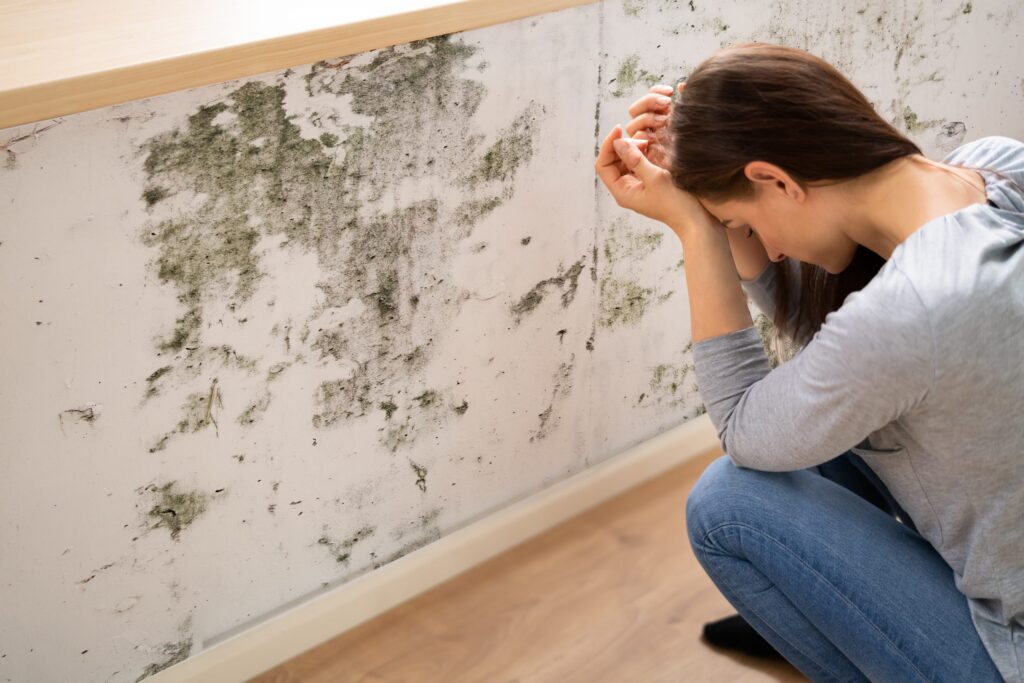
Guide to Spotting & Treating Mold in the Home
Must-dos for when things get musty.

It’s the season of sparkle.
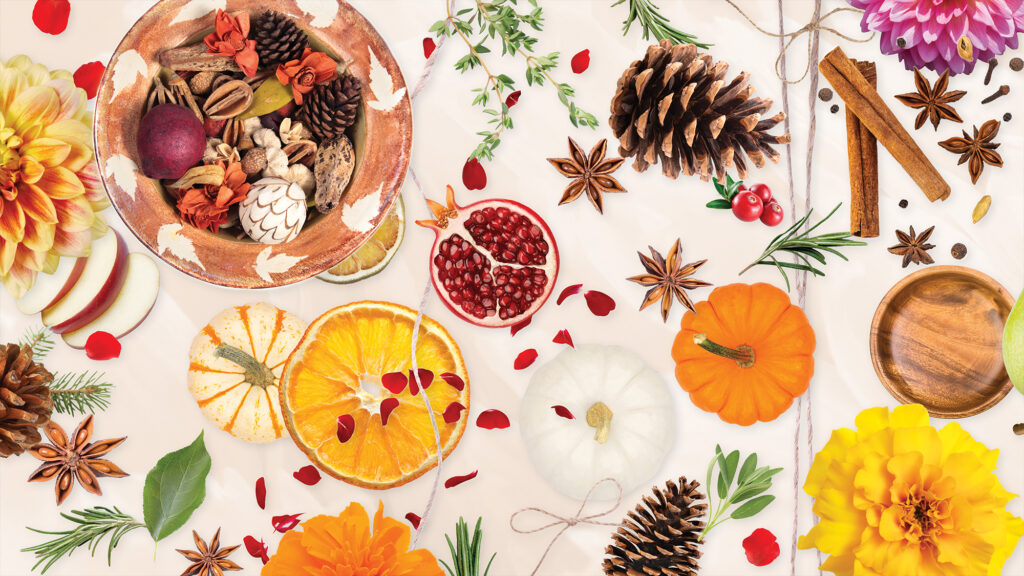
Two methods to bring the scents and shades of the season indoors.
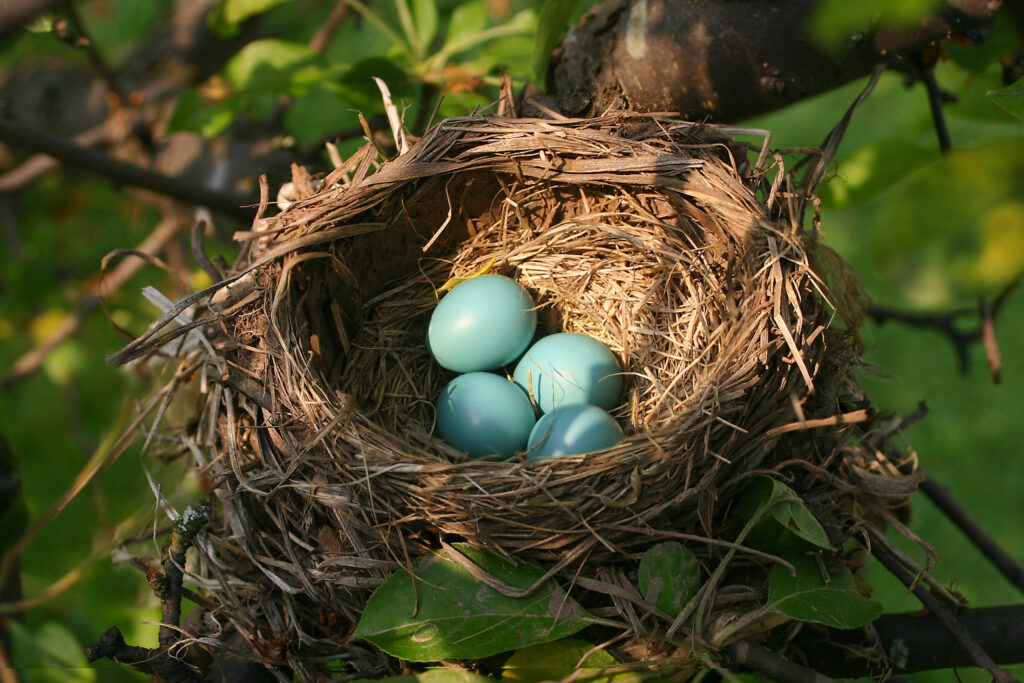
When Is It Safe to Move a Bird’s Nest?
Move along, little birdie.
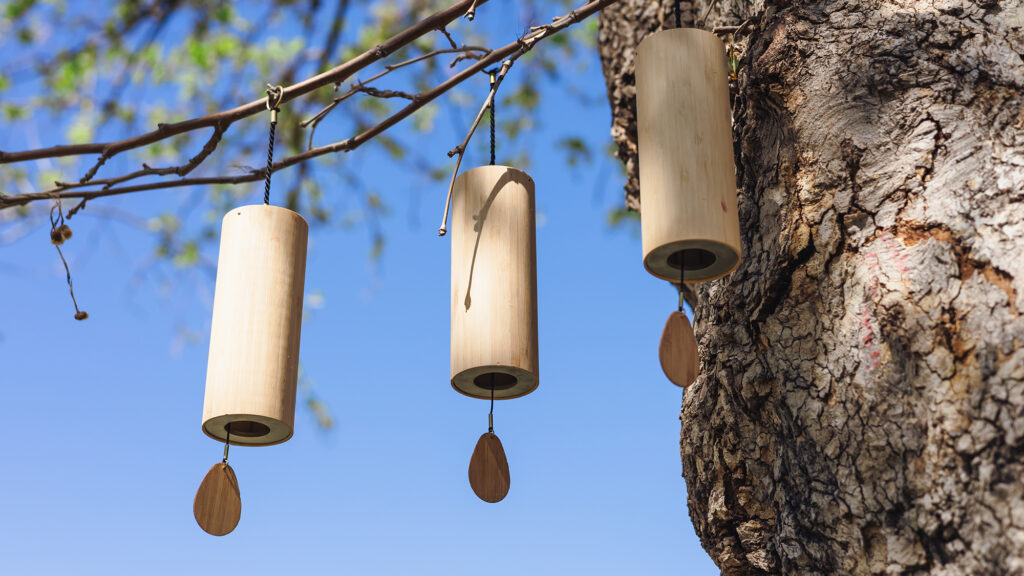
Bring a little melody to your backyard.
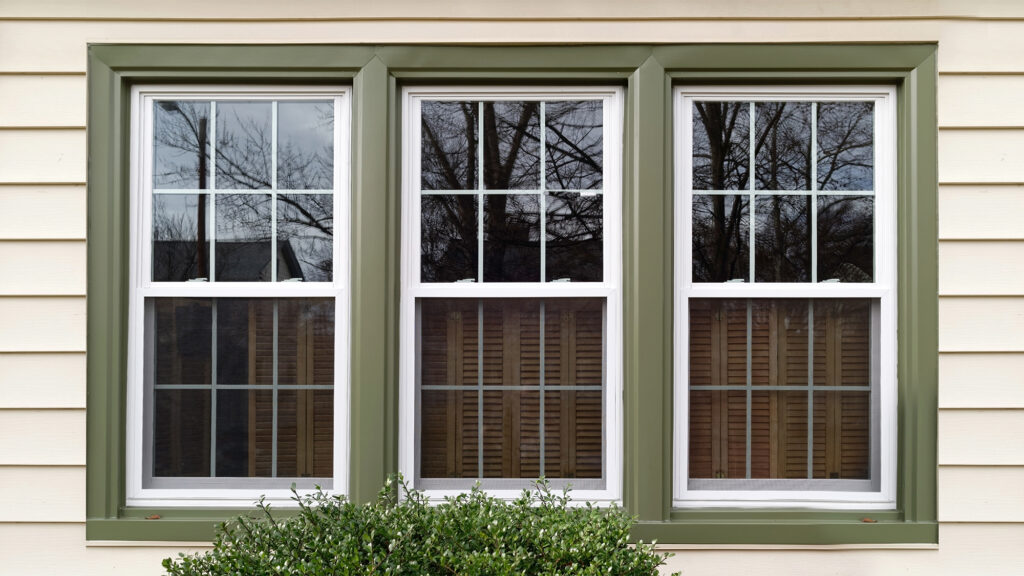
Painless pane repair.