Please sign in as a member or guest below to access it.
Please sign in as a member or guest below to access it.

Help a furry friend in need this winter.
Homeowners in Texas face challenges
with all sorts of bugs, pests, and critters large and small finding their way
onto the property or into the house. The threat of home invasion increases in winter
months as animals seek shelter.
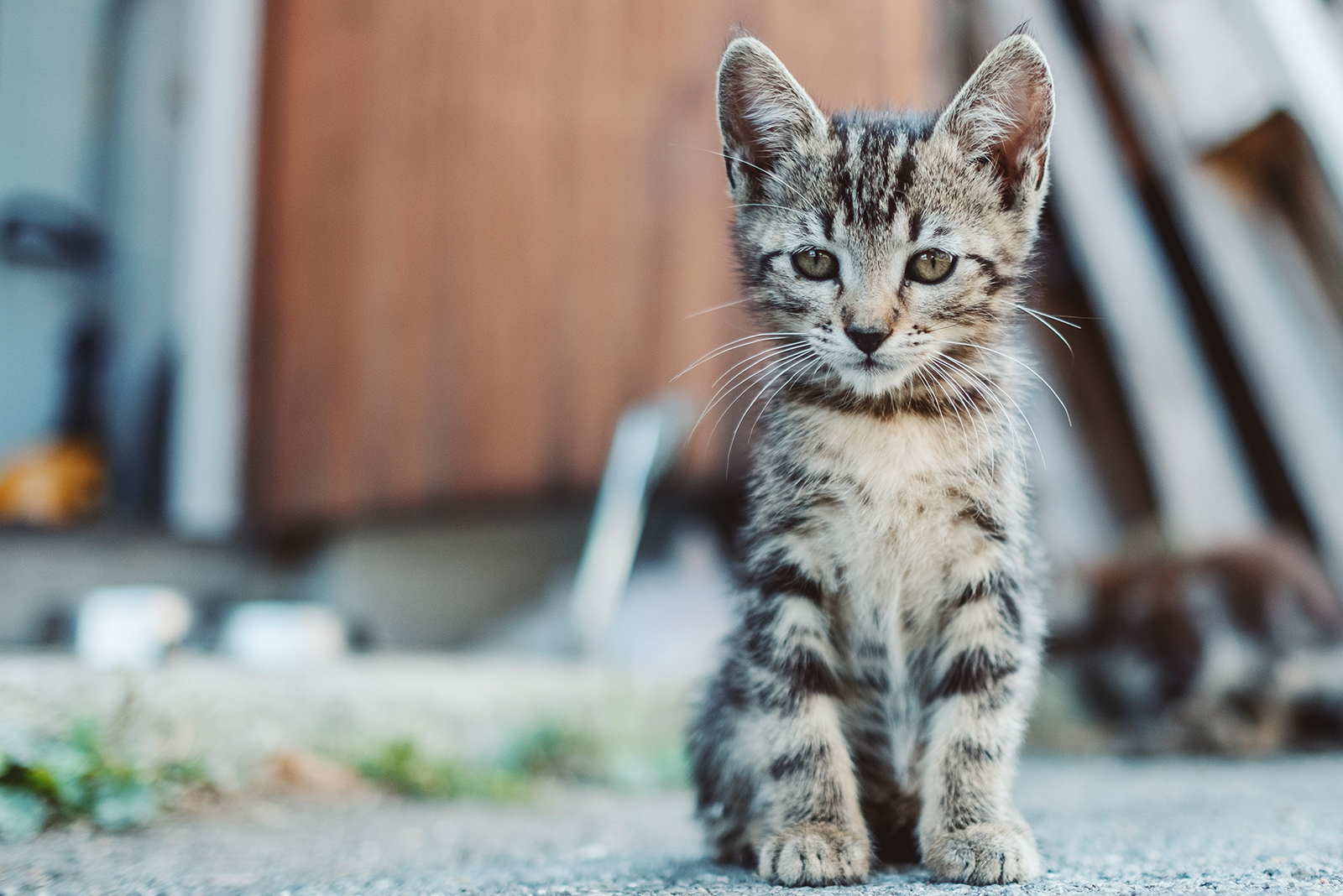
While some of Texas’s creatures can pose serious health or maintenance problems, others may just need a helping hand. In Texas’s cities, towns, and rural areas alike, stray cats are a fact of life. They may grow up to become helpful pest controllers, but when you find a litter of stray kittens, they are likely fairly defenseless.
So what to do when you find tiny,
unbearably adorable stray kittens? Here are a few tips to help you provide the
right help to keep them and your neighborhood safe.
A kitten may wind up in your
backyard for any number of reasons. It may have been born nearby or abandoned.
Or, it may have wandered away from home and may have a forlorn owner looking
for it.
If you notice there is a kitten on
your property, experts say the most important first step is to simply monitor
the situation. Is the kitten old enough that it could simply be a neighbor’s
pet that has wandered off? You can make sure the cat isn’t lost by checking
postings online and in the neighborhood to see if anyone is looking for a lost
cat or kitten.
Is it one kitten or a litter of
kittens? Do you see a mother cat nearby? If there’s a litter, wait to see if a
mother is nearby. It may take a little time before you can determine if a
mother cat is caring for her kittens, but if she is, it is important to allow
the kittens to stay outside so that the mother can continue to attend to them.
Mother knows best, and not only will the
mother cat feed and groom her babies, her milk also contains important
antibodies that help them survive. If the kitten is alone, it’s possible it’s
been separated from or abandoned by its mother and litter. In this case, it may
need extra help.
If kittens are orphaned and the
mother is not in the picture, they may appear dirty and unkempt. Hungry kittens
will cry for food and may seem overly skinny or weak. If this is the case, it
is time to act.
If the kittens appear to be looked
after but you are concerned about their comfort and warmth, you may offer a
crate, box, or other shelter so the kittens have a warm place to wait for their
mother’s return.
If you want to provide some help for
the little cat, you may start by offering some food. Dry cat food is best, as
the wet food can irritate a kitten’s stomach. But be careful: If you are
feeding the kittens outside, their food can attract other critters looking for
a handout.
If the kittens are very young, they
may not be ready to eat solid food. Pet stores carry kitten formula, though you
can also make a homemade kitten formula by mixing and heating together 1 quart
of goat’s milk, 1 teaspoon of light corn syrup, 1 tablespoon of plain yogurt, 1
egg yolk, and unflavored gelatin.
If you are comfortable having a new
outdoor (or indoor) friend, you can always decide to adopt. It’s important that you don’t wait too long to
make the decision, especially if you want them to socialize. If kittens go
unhandled for their first 12 weeks, they’re unlikely to ever socialize, and
they won’t be able to be domesticated or put up for adoption.
If you do adopt, you’ll want to make
sure your kitten has a warm, safe place to stay, a regular supply of food, and
a trip to the vet.
If you have the kitten checked out
by a vet (you’ll want to have it dewormed, vaccinated, and fixed) and you know
it is safe, you can try bringing it into your home.
To acclimate the kitten to the
indoors, invite them into a quiet, clean room. Keep them isolated for seven
days — especially if you have other pets — to help their immune system acclimate
to its new environment and ensure they don’t drag anything into your home. When
initially handling kittens, you may want to wear gloves, to prevent their
sharp, still-clumsy claws and teeth from harming you.
If you find a stray kitten, you can
always call animal control or a local no-kill animal shelter. These
organizations can coach you on the best approach to care or safely hand off
your little stowaway.
A visit to the vet is necessary to
ensure the cat’s health and your own. Animal-rescue groups recommend spaying
and neutering feral cats to help control the population of feral cats. As your
new little furry friends show, there are plenty of cats already in need.
Hopefully, the next time you find a stray kitten, you’ll be prepared to help it get rescued or to keep it around — they make wonderful companions and may even help keep your home pest-free!
Where Are You Storing Flammable Liquids?
Nail polish can be more dangerous than just picking the wrong color.
Welcome to Dad’s School of Driving
As a parent, you want to do everything you can to teach your teen safe driving skills and habits.

How Hot Summer Days Can Damage Texas Roads
Can heat waves melt Texas roads?

Literal lifesavers.

Roundup: Complete Texas Safety Guide
Safety and security are essential to how we feel and move throughout the world. We’ve rounded up our best articles to create this safety guide to help you and your family navigate everything from Texas weather to outdoor recreation. At Home Home is where the heart is, so take extra measures to keep it your […]
7 Summer Tips for Driving With Pets in the Car
Ready. Set. Floof.