Please sign in as a member or guest below to access it.
Please sign in as a member or guest below to access it.

If you haven’t had a termite problem, knock on wood.
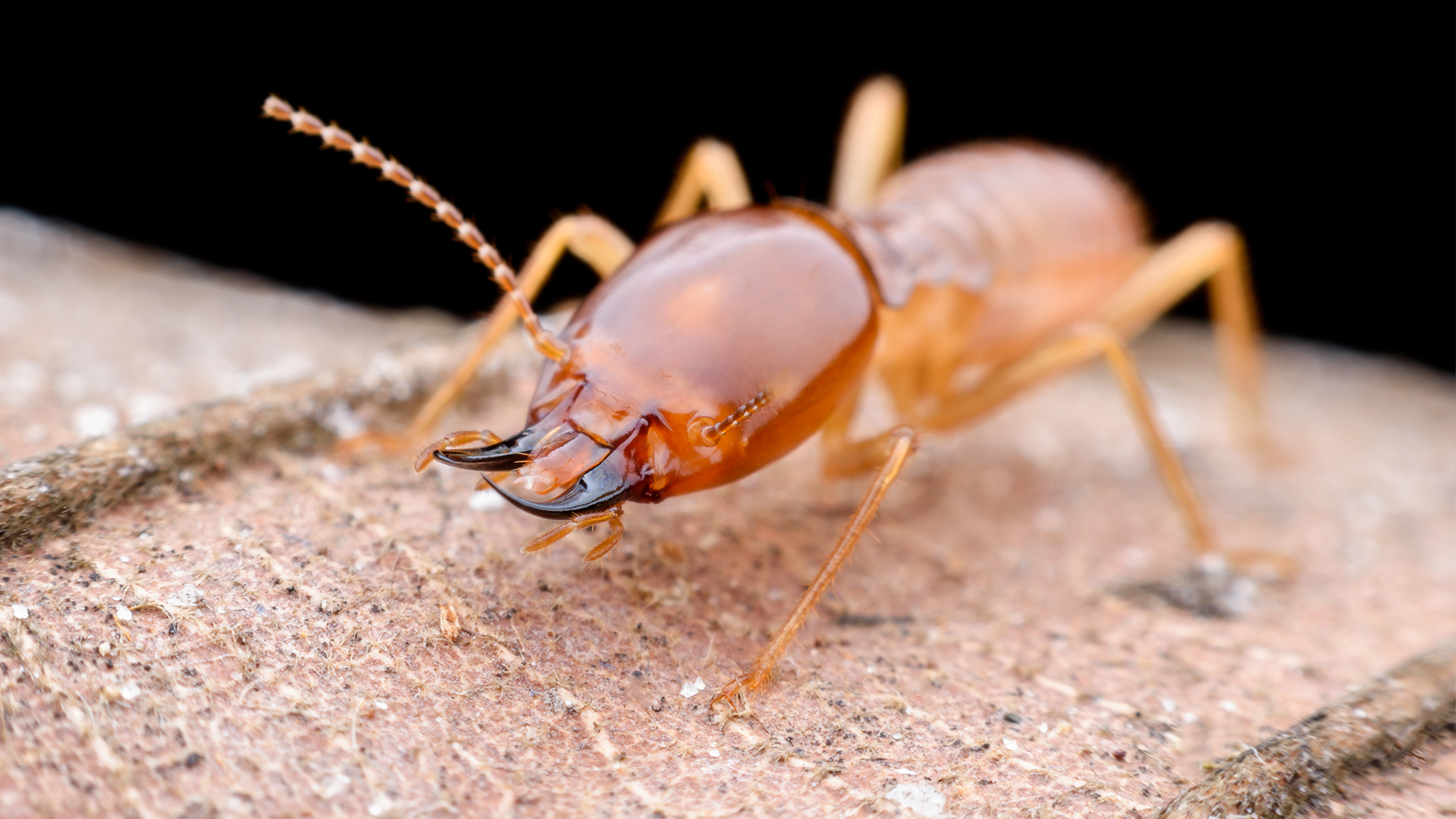
Cartoons warned that ants will carry off your picnic basket and termites will eat through your wooden house like a buzz saw — and they were only joking about the ants. Termites chow down on more than half a million American homes every year, causing $5 billion in treatment and repair damage across the nation.
Termites are especially pesky in Texas. The humid climate is a prime breeding ground, to the extent that the U.S. Department of Agriculture has designated Texas a Zone 1 termite risk area (the highest risk rating in the country). A Texas A&M study found that, in the Lone Star State alone, termites cause about $500 million in damage annually.
If your eyes are suddenly darting around the room, looking at your wooden floors and cabinets in a panic, this isn’t meant to alarm you. In fact, here are some ways to identify an infestation early to save money and prevent damage.
Detecting termites early dramatically reduces potential damage. If you spot any of the following signs, call a professional.
Swarmers and wings. Keep an eye out for termites emerging from the ground or near windows. Swarmers often shed their wings after settling in, so look out for their distinctively shaped wings (elongated and rounded at the edges) along baseboards, in your garage, or anywhere along the foundation.
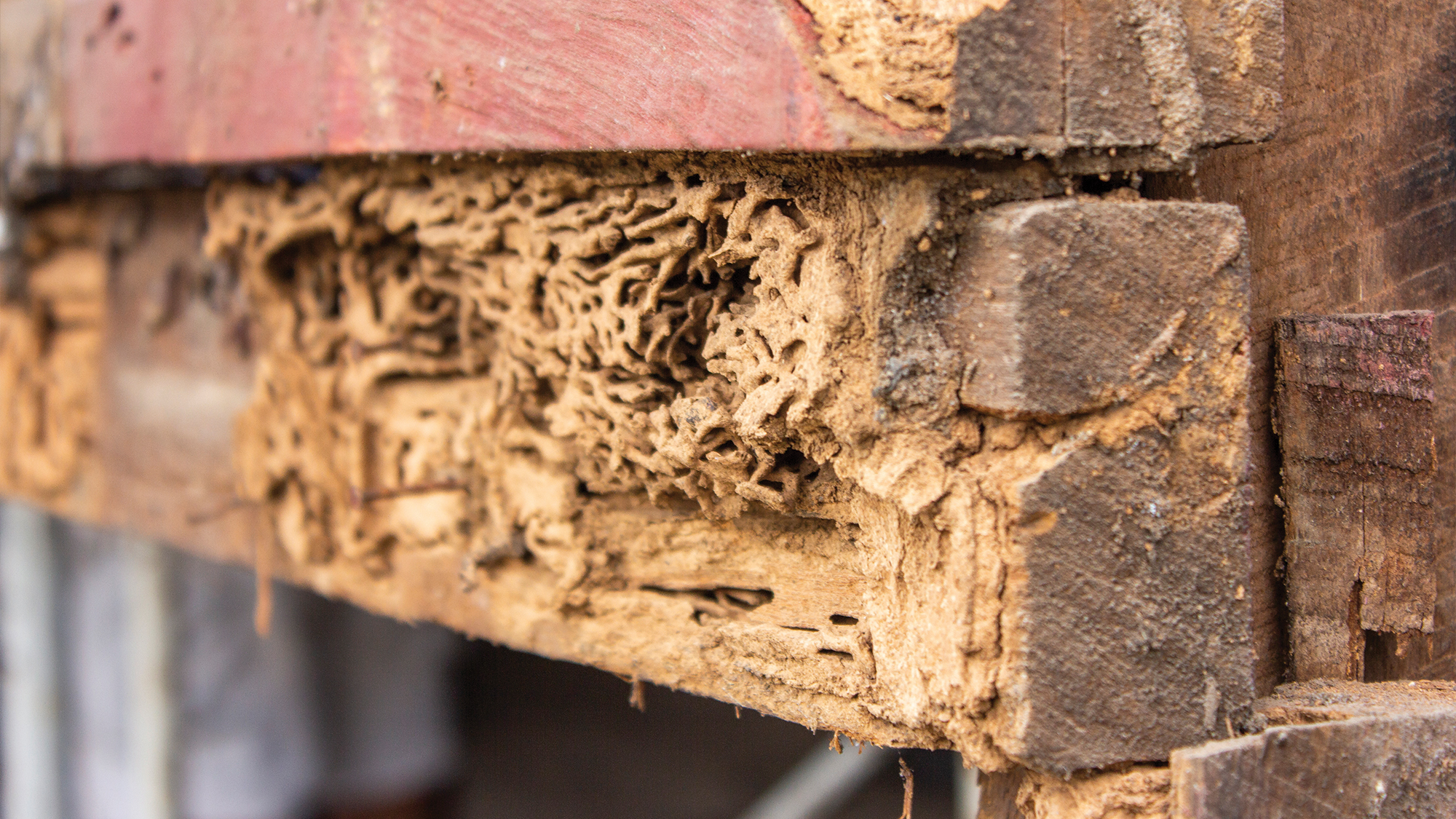
Mud tubes. Termites build tunnels from mud along foundations, on ceilings, and exterior walls. Mud tubes are a literal hallmark of subterranean termite activity. Investigate anything that looks like one.
Hollow wood. Termites eat from the inside out, so damage may not be obvious until it’s severe. Conduct semiregular inspections of floorboards, beams, and framing around your home (especially in older areas of the building) to test wood strength. You can do this by tapping on the wood; if it sounds hollow or papery, you may have a problem.
The golden rule of all home care: Prevention is cheaper than repair. Here’s how you can ward off termites from ever moving into your neck of the woods:
Eradicating termite colonies is not a DIY task. If you discover termites, call the professionals immediately. Depending on the infected area and size of the colony, a termite treatment can run between $300 and $1,150. And that does not include the cost of labor for reconstruction in severely damaged areas.
Because termites are generally considered preventable, termite damage and treatment are not typically covered by standard property insurance. Investing in treatment and prevention is the wise move.
Termites are just one of many creepy-crawlies looking to damage your property. Consult our full list of house pests and how to treat them.
Add some festivity to your home with these beautiful, seasonal arrangements.
How to Maintain Your Gutters So They Can Protect Your Home
A little out-of-place drip can create big homeowner headaches over time.

7 DIY Bird Feeders to Brighten Up Your Yard
We’re known for our hospitality. Here’s how to share it with migrating birds.

A Deep-Cleaning Guide for a Happy, Healthy Home
Tips to keep your home clean, safe, and hazard-free.

How to Make a Butterfly Garden
Provide a safe haven to wandering butterflies with these easy tips.

Is your chim chim cher-ee in top shape?