Please sign in as a member or guest below to access it.
Please sign in as a member or guest below to access it.

These creatures are vital for Texas’ ecosystem. And the pups are surprisingly cute.
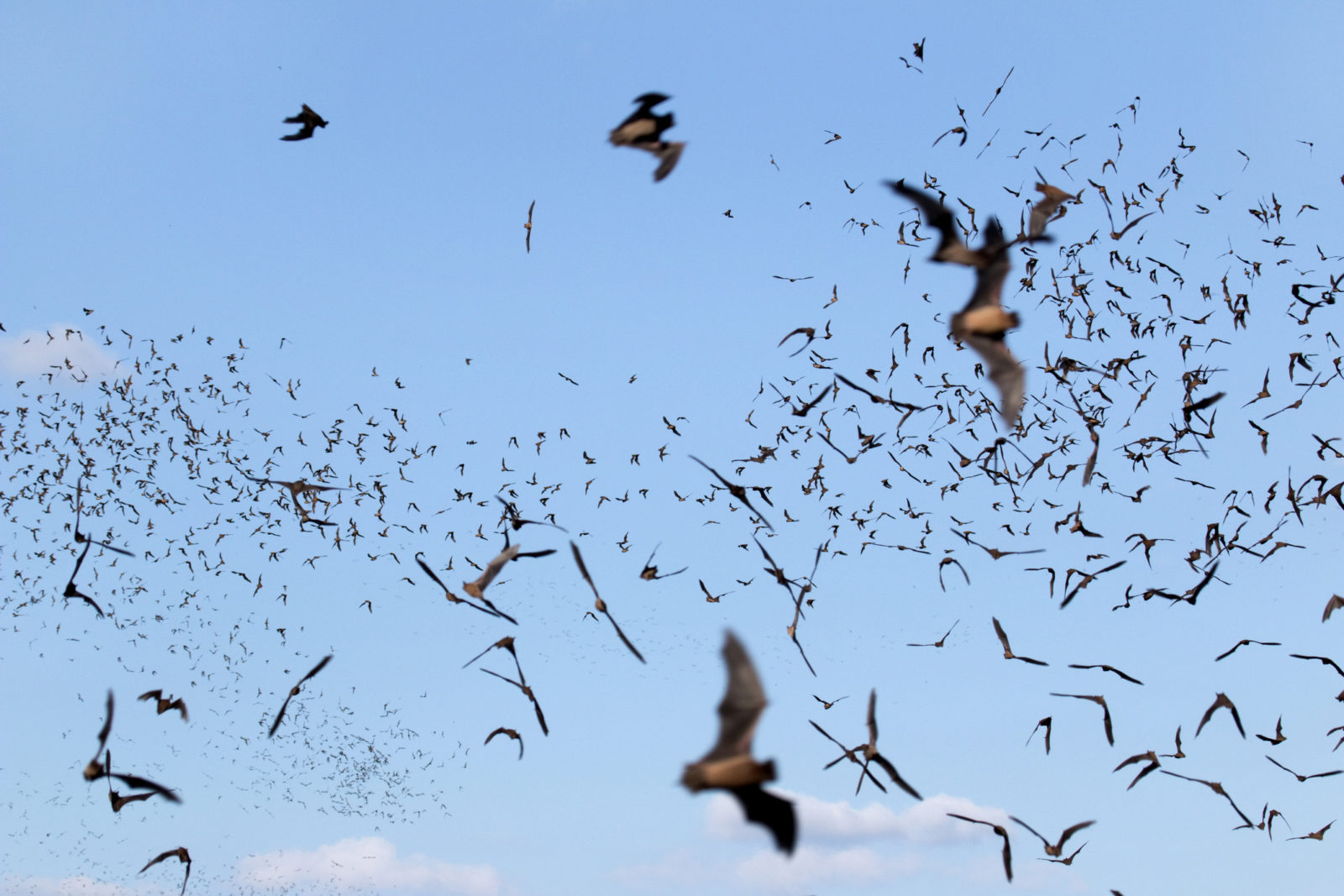
Waiting for the bats to emerge at sunset on Congress Avenue Bridge in Austin should be on every Texan’s bucket list.
There is perhaps no better destination for bat lovers than Texas. Home to 32 of the 47 species of bats found in the United States, according to the Texas Parks & Wildlife Department, Texas has both the largest known bat colony in the world — at Bracken Cave Preserve near San Antonio — and the largest urban bat colony, which sits underneath the Congress Avenue Bridge.
But there are plenty of other places to spot and learn about these wonderful creatures.
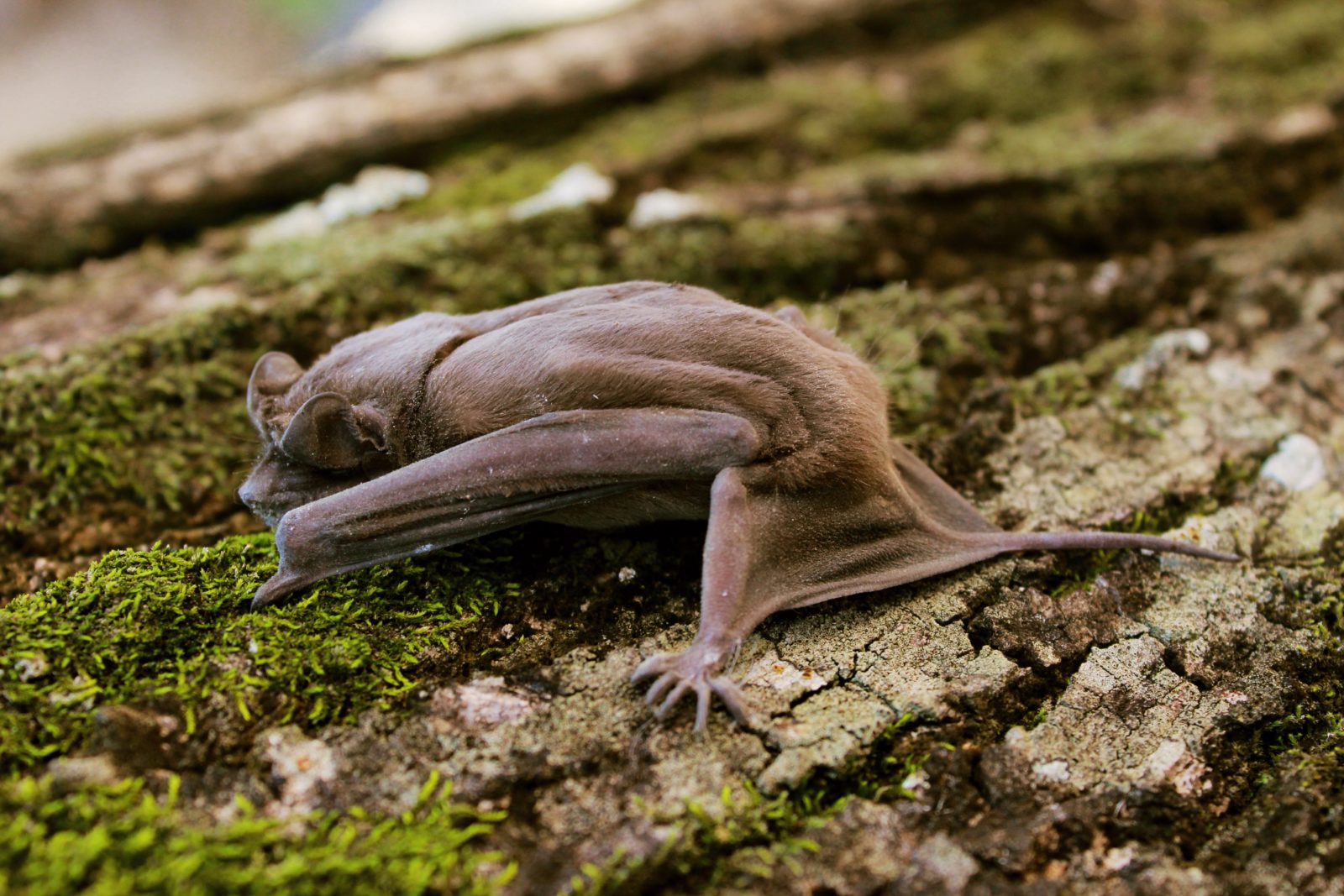
Bats have gotten an unfair rap over the years, portrayed as dangerous bloodsuckers or dirty flying rodents. Bats aren’t rodents, and in reality there’s nothing spooky about these surprisingly adorable Halloween mainstays. In fact, bats play a vital role in Texas’ ecosystem.
That’s because some bats consume as much as their own weight in insects every night, according to the Texas A&M AgriLife Extension Service. Colonies help to control insect populations that damage crops and spread disease. Bats that eat fruit help distribute seeds and produce important fertilizer. They are also a source of food for owls, hawks, and falcons.
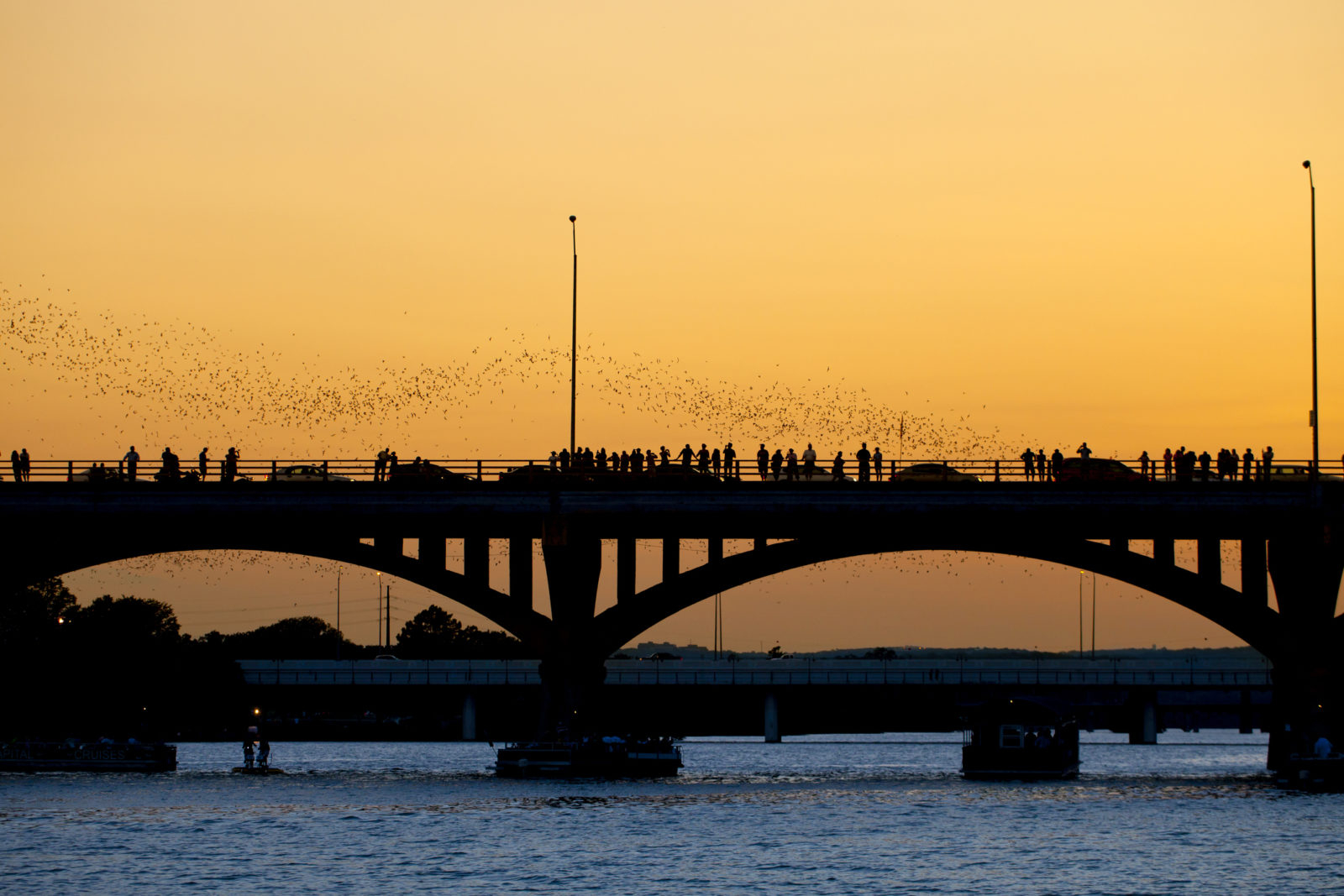
When the little pups born in early summer are strong enough to fly on their own, the colony migrates from Texas south to Mexico for the winter. When they return the following year, the bats will find the same roost that they will continue to inhabit for many years.
If you go out in search of bats, remember to keep your distance and do not touch. Bats may carry diseases that can harm humans, and you may carry things that can harm bats.
If you do not shine bright lights, stay quiet, and do your best not to bother the bats, you’re in for quite a show.
For more Texas adventures, check out our statewide city guides.
The FIFA World Cup Is Coming to Texas
This ain’t gonna be your grandfather’s ”Friday Night Lights.”
Activities to Get in the Spooky Season Spirit
Host a Haunted Game Night Gather ’round for a delightful, frightful night of board games. 10 Outdoor Weekend Activities 10 Indoor Evening Activities Trader Joe’s Fall Haul To those in the know, “pumpkin palooza” at trader joe’s signals the start of spooky season. Here are 20 can’t-miss items to pick up for your ultimate spooky […]
Find a tree and shake it.

Meet the 11 Texas Olympians Heading to Tokyo
Texas is always well represented at the Summer Olympics. Here are some of the athletes going for gold in Tokyo in 2021.
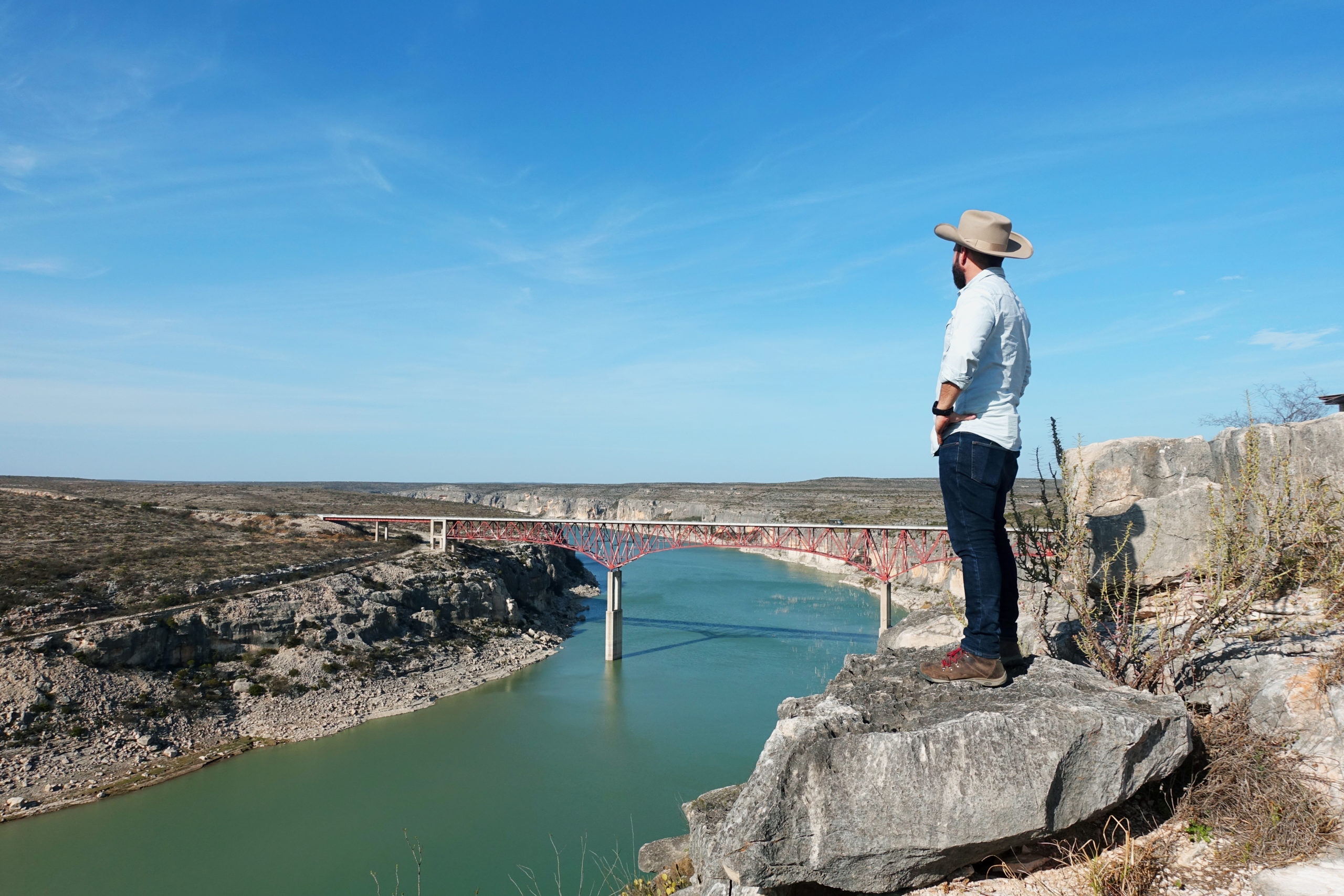
While you’re in the area, check out the world’s best ancient rock art.
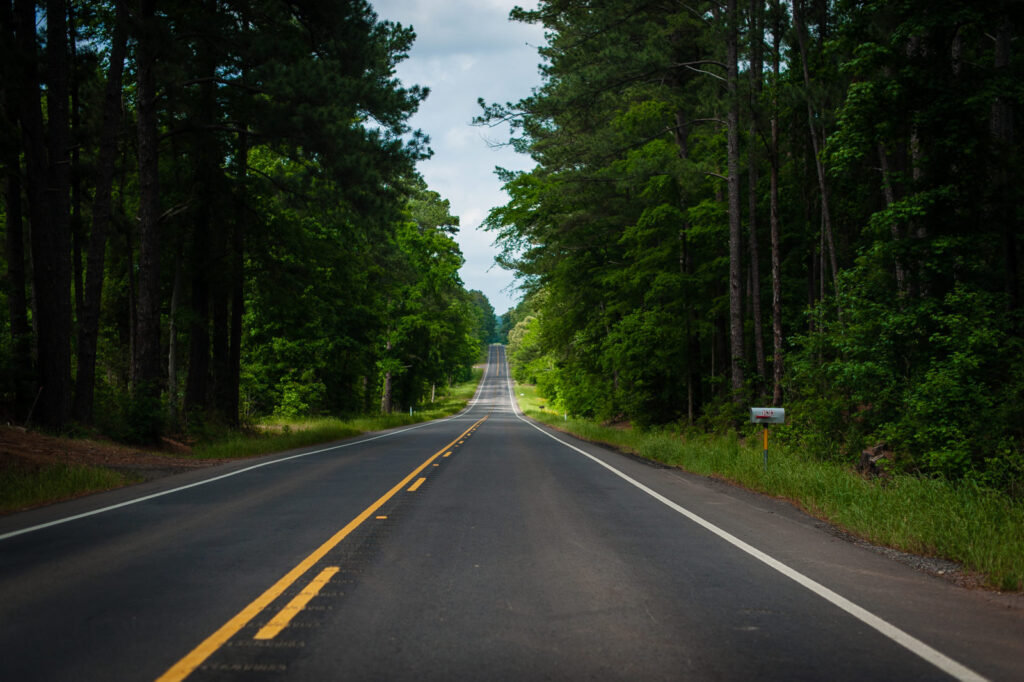
Traveling the East Texas Music Highway
Find the real roots of Texas music in this highway guide.