Please sign in as a member or guest below to access it.
Please sign in as a member or guest below to access it.

Ever wonder why Texas has a Panhandle? How Cajuns ended up in the Golden Triangle? Where you can taste the only authentic barbacoa?
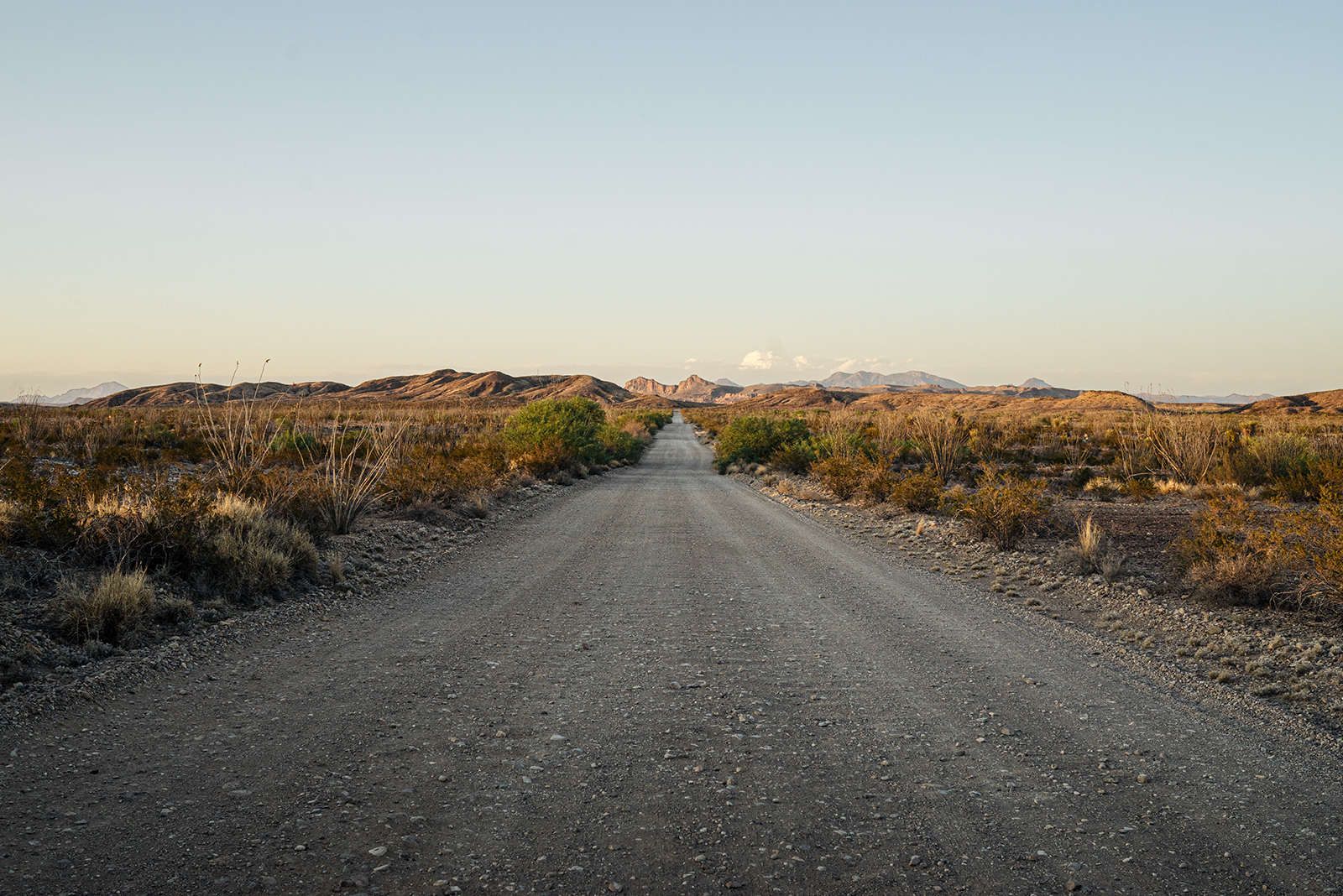
Texas has the longest international border of any state except Alaska — a 1,254-mile boundary along the Rio Grande that separates the U.S. from Mexico. But the Rio Grande isn’t the state’s only borderland. Texas is a crossroads — a territory of in-betweens and a place where cultures, histories, and geographies have longed met and mixed together. From Cajun country to the frontier, the Rio Grande to the Red River, the edges of Texas each have their own character. Head out to Texas’ very edges and explore these incredible regions.
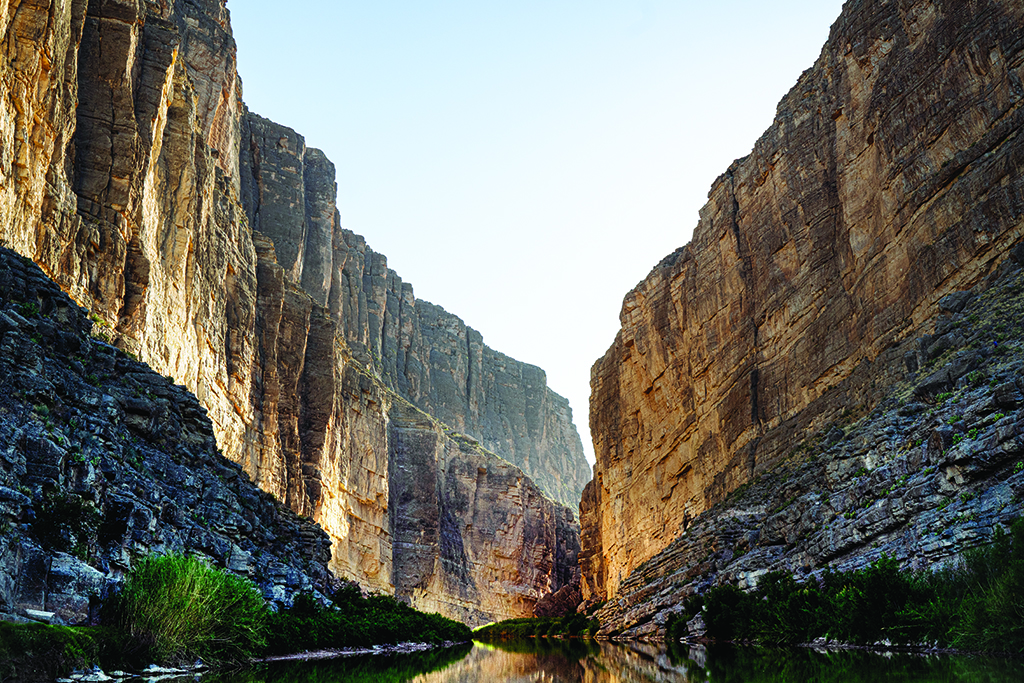
Texas’ southern border is defined by its great river. The Rio Grande twists and turns for more than a thousand miles as it makes its way from the majestic canyons of Big Bend country to the hot, semi-tropical plains of the Rio Grande Valley before spilling out into the Gulf of Mexico. Along the way, the river passes ranches, towns, cities, archeological sites, wastelands, and wetlands that all bear the distinctive mark of borderland culture.
The Rio Grande wasn’t always the southern border of the United States. In fact, until 1848, it was the center, not the edge, of the communities that lined its banks.
After the Mexican War, Mexico ceded all lands north and east of the Rio Grande to the U.S., but the people who lived along the river continued to trade together, farm together, and live together. This history helped establish a border culture that blends Mexican and Texan experiences. Here, food, tradition, custom, music, folklore, and art mingle and blend, making the Rio Grande a region steeped in collaboration and cross-pollination.
Boquillas Canyon
Although not as tall as the famous Santa Elena Canyon, Boquillas is Big Bend National Park’s longest and deepest canyon, offering an opportunity to hike or paddle through one of the most stunning spots on the entire Rio Grande border. For a true border experience, after exploring Boquillas, hop the small ferry offered by the National Park Service to cross the Rio Grande into Mexico and visit Boquillas del Carmen. The small village that sits on the Mexican side of the border was established by miners in the 19th century.
Seminole Canyon State Park & Historic Site
The Rio Grande has served as an oasis amidst the dry, rugged terrain of southern Texas and northern Mexico, and human settlements in the area date back tens of thousands of years. At Seminole Canyon, which sits northwest of Del Rio and the massive Amistad Reservoir, you can view the remnants of ancient Native American rock art along the cave outcroppings that line the canyon. Although many of the paintings are viewable by guided tour at Seminole Canyon, some of the best can only be viewed by canoe, kayak, or private boat from the river.
Vera’s Backyard Bar-B-Que
Barbacoa — the Mexican take on smoked meat — is a ubiquitous taqueria staple available all across the state. But to experience true Mexican barbacoa, you’ll have to head to Vera’s Backyard Bar-B-Que in Brownsville. The border town joint was grandfathered in to avoid health regulations that prohibit the authentic preparation of the dish for public consumption anywhere else. What is this special approach to barbacoa? Vera’s buries cow heads in a pit with smoldering mesquite and ebony coals to cook.
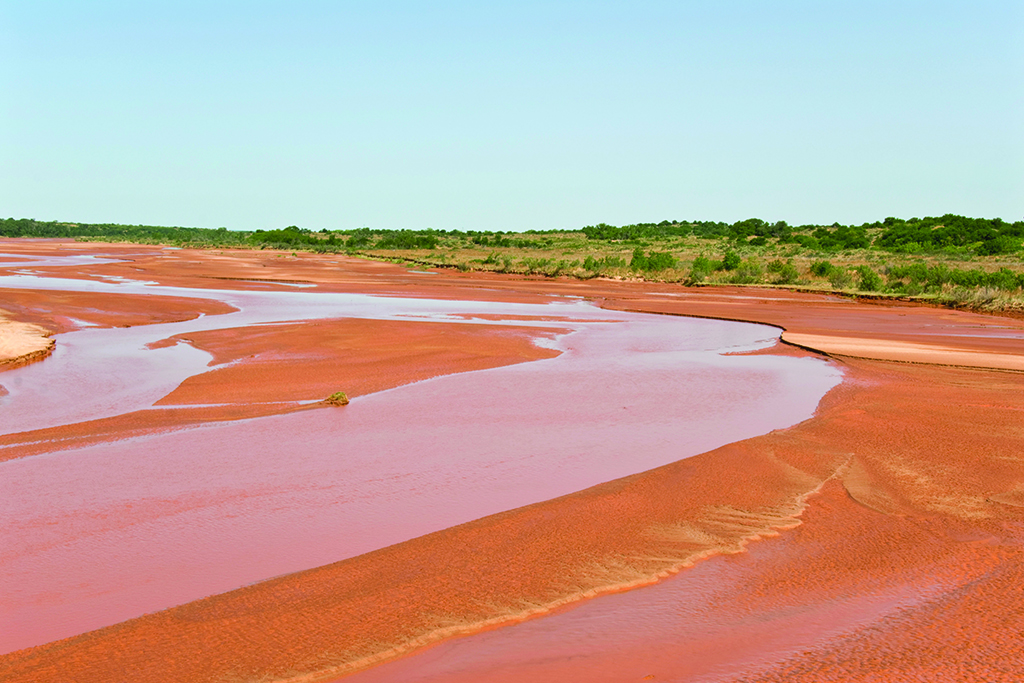
Texas’ northern border starts out on the high plains of the Panhandle, though the distinctive chimneylike top of the state’s shape wasn’t always its northern edge. After the Mexican War, Texas laid claim to all of the lands ceded by its southern neighbor, including areas that now make up parts of New Mexico, Colorado, and even Wyoming. In 1850, the U.S. Congress negotiated a compromise between Texas and residents of the other emerging western territories, giving shape to the trademark Panhandle and establishing the Red River as the state’s primary northern boundary.
In the 19th century, that boundary functioned almost as a second international border, marking the boundary between Texas and the Indian Territory. Outlaws in Texas could slip over the state line and disappear into semi-lawless obscurity, which is exactly what Dallas founder John Neely Bryan did for a time after killing a man in an altercation in a Dallas saloon.
The Texas-Oklahoma border has remained surprisingly contentious, most recently with landowners suing over rights to lands altered by the shifting path of the Red River. The most heated standoff took place in the 1930s. When Texas shut a new bridge on US-75 spanning the Red River because of pending litigation with the operator of a nearby bridge, the governor of Oklahoma sent armed troops to force its reopening.
The episode, which, thankfully, was eventually resolved without bloodshed, shows how even borders with friendly neighboring states can turn violent.
Saint Jo/Red River Station
Founded in 1849 at the headwaters of the Elm Fork of the Trinity River, the town of Saint Jo grew in the 1870s thanks to the establishment of the Chisholm Trail cattle drive, which wound north from Fort Worth and crossed the Red River at the Red River Station. Some of that frontier history is preserved in the Stonewall Saloon Museum on Saint Jo’s historic Main Street. After exploring the museum, head 28 miles northwest to find the Red River Station marker, which denotes the spot where the Chisholm Trail crossed the Red River.
Lake Texoma
Created in 1944, Lake Texoma is one of the largest reservoirs in the U.S. and one of the most popular spots for outdoor adventurers and nature seekers from Texas and Oklahoma. While you’ll find the usual blend of boating, swimming, hiking, camping, and exploring that make so many of Texas’ reservoirs popular summer spots, Texoma is unique. The Red River runs through land that was once a large inland sea, and the sediment it picks up along the way lends it a red hue and increases the river’s natural salinity. As a result, the waters of Lake Texoma are slightly salty, which makes it an ideal habitat for striped bass — a boon for Texas anglers.
Route 66
Cutting straight across the Panhandle, the Texas portion of Route 66 offers the perfect way to experience the geography and culture of this peculiar corner of the state, from plains so flat they are nearly disorienting to quirky Americana roadside culture. The drive along Route 66 from the Oklahoma border to the New Mexico border brings travelers past the iconic Cadillac Ranch and vintage spots such as the Vega Court historic motel. Be sure to make a pitstop at the Midpoint Cafe, which is considered the halfway mark between Route 66’s trail between Chicago and Los Angeles — and the inspiration for Flo’s V8 Cafe in the Pixar film Cars.
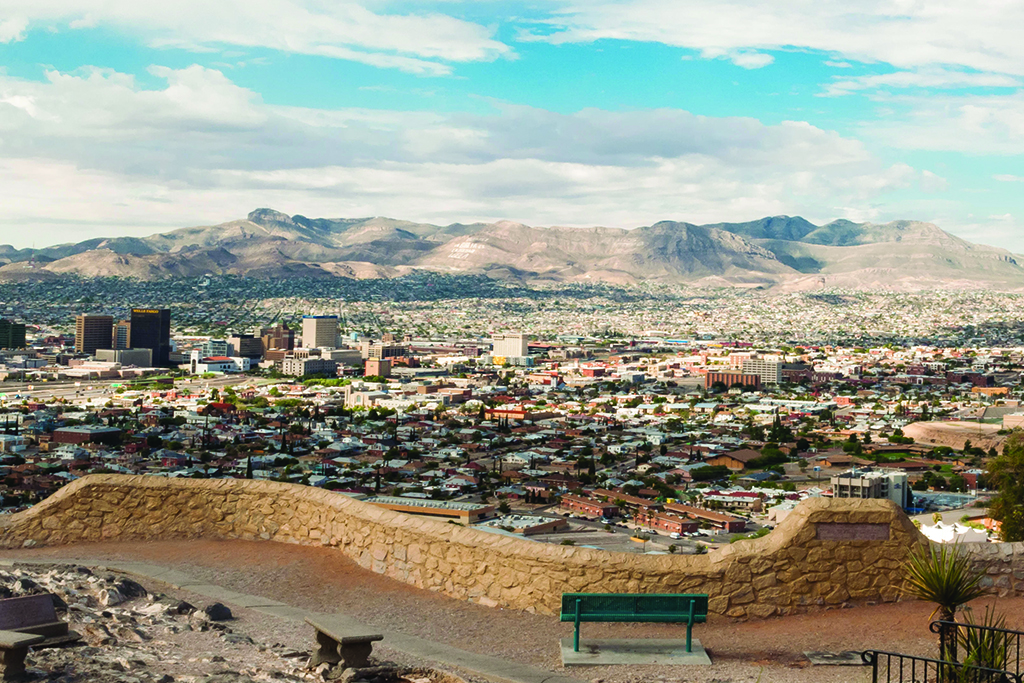
Texas’ western boundary is the only one not set by a river. The line that runs straight up the 103rd meridian was determined to be Texas’ western edge at the same time the distinctive Panhandle was drawn onto Texas’ map. The Treaty of Guadalupe Hidalgo that ended the Mexican War granted the U.S. all land north and east of the Rio Grande. However, it didn’t resolve how that land would be divided. The new state of Texas wanted to absorb the land that’s now New Mexico, but its residents petitioned the U.S. to create a new territory. The matter was settled when Congress passed a bill that offered Texas, which was still paying off debt from its revolution, $10 million to draw the boundary we know today.
The semi-arbitrary nature of that boundary feels appropriate when you drive toward the end of Texas. You can hardly tell you are moving from one state to the next. In the north, the high plains give way to a vast, arid expanse marked by mesas and remnants of dormant volcanoes. In the south, the Guadalupe Mountains draw a jagged crescent from Texas into New Mexico. At the far southwestern corner of the state, El Paso seems to bring the influences of all these intersections together, absorbing aspects of the Texan, Mexican, and New Mexican landscapes and cultures.
Guadalupe Mountains
While they offer some of Texas’ most attractive scenery, during the days of westward expansion, the Guadalupe Mountains were an impediment. Surveyors working on a new southern route for a transcontinental railroad encountered the mountains and determined they would have to reroute their rail line further south.
In the late-1860s, U.S. army divisions — as well as Texas Rangers — struggled to root out the mountain-dwelling Mescalero Apache tribe from the rugged terrain. Today, however, the Guadalupe Mountains offer some of the best hiking and camping in the state, and their remote location means stargazing is especially good. Visitors can also see the remnants of the Pinery Station, a stop on the Butterfield Overland Mail route which passed through the area in the 1850s.
Clovis, NM
In the 1950s, when musicians in Lubbock looked for a place to record, they crossed the border into New Mexico to visit Norman Petty’s small studio in Clovis. Here, future legends such as Buddy Holly and Roy Orbison would cut some of their earliest tracks and hone their mythic sound. Today, you can visit the studio by reservation and see the space on the frontier that gave birth to rock ’n’ roll.
El Paso
El Paso is the ultimate border town. It sits across the Rio Grande from Ciudad Juarez and a few miles from New Mexico. The area has been inhabited by Native American tribes for centuries. In the 16th century, it became an important crossroads for the Spanish traveling north through the mountains to their lands in New Mexico. By the 18th century, it was the largest population center on the northern frontier.
After Texas became a U.S. state, El Paso became an important stop for gold miners, pioneers, immigrants, outlaws, and the other members of the motley crew heading west. You can discover this history — including the story of the famous “Four Dead in Five Seconds Gunfight” — at the El Paso Museum of History.
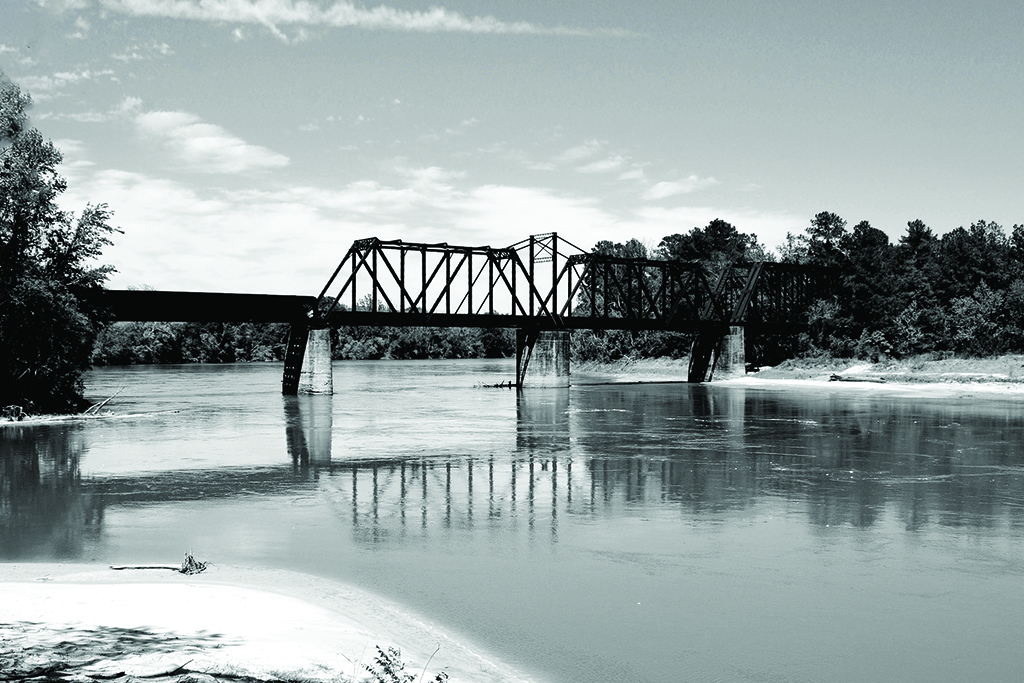
Borders are political creations, and they often fail to do much to hold back the ebb and flow of cultural, social, ecological, and economic forces. While the Sabine River separates a chunk of Texas from Louisiana, the southeastern part of Texas has long blurred with the influence of its eastern neighbor.
In the 18th century, after Acadians from Canada were relocated to French Louisiana, the Cajun culture they established in the southwestern corner of the state inevitably spilled over into Texas. Because of that spillage, this part of the state is sometimes referred to as Cajun Lapland.
The first Cajuns arrived in Texas around 1840, many taking up residence in the counties around the towns of Beaumont and Port Arthur. They were attracted by job opportunities on rice plantations, railroads, and, after oil was discovered in 1901 at Spindletop, oil rigs.
These Cajun transplants include such figures as Harry Choates, known as the Godfather of Cajun Music. Born in Louisiana in 1922, he moved to Port Arthur in the 1930s. In his 20s, he began playing dance halls in southeast Texas, as well as back in Louisiana Cajun country. In the 1940s, Choates produced a string of hits that would later be recorded by artists such as Waylon Jennings and Kenny Rogers.
Cajun culture is perhaps most beloved for its cuisine. Don’t miss four of the best joints in Texas’ Cajun country:
The Boudain Hut, Port Arthur: The highlight of this beloved local institution — besides its homemade head cheese — is the regular Zydeco music nights.
Crazy Cajun, Beaumont: We’re cheating a bit — the original Crazy Cajun is in Pineville, Louisiana, but the restaurant’s expansion into Texas follows in the footsteps of so many Cajuns who have made Texas home. During crawfish and alligator seasons, fresh shipments arrive daily from across the border.
Floyds Cajun Seafood, Webster: Founder Floyd Landry — or Dawg, as he’s known to regulars — has deep Texas and Louisiana roots. He and his partner, Bret Floyd (son of Houston Oilers legend Don Floyd), have expanded their restaurant throughout the southeastern corner of the state. Swing by the original location in Webster in April to experience the annual “Parking Lot Crawfish Party.”
Larry’s French Market and Cajun Restaurant, Groves: Open since 1978, Larry’s serves up barbecued crab, Cajun fried turkey, étouffée, gumbo, and fried and grilled fish all year long. When crawfish season rolls around, Larry’s brings in live Cajun and zydeco music every Thursday, Friday, and Saturday to get the swamp party rolling.
Make a trip to East Texas down the historic East Texas music highway.
© 2020 Texas Farm Bureau Insurance
A Traveler’s Guide to Nature Preserves in Texas
The pristine beauty of Texas’ diverse ecological systems are on display in these incredible preserves, where visitors can experience what Texas has looked like for thousands of years.
First Timer’s Guide to Tailgating
Hosting or attending a tailgate for the first time? Check out our guide to the three essentials of any tailgate: food, fun, and safety. Tailgate Grub Whether you pre-prep your game day snacks at home or grill them up right in the parking lot, these menu ideas will keep the crew’s spirits up (and appetites […]

Meet the 11 Texas Olympians Heading to Tokyo
Texas is always well represented at the Summer Olympics. Here are some of the athletes going for gold in Tokyo in 2021.
Our Tribute To Those Who Serve Texas
Texas Farm Bureau members say thank you to the first responders who protect our property, our possessions, and the people we love.
Noodling for Catfish in Texas’ Lakes
Noodling for catfish was illegal in Texas until former Gov. Rick Perry signed a bill permitting it in 2011.
5 Artisans Keeping Traditional Crafts Alive in Texas
These brilliant artists and artisans are passing down — and keeping alive — some of our most beloved traditions.