Please sign in as a member or guest below to access it.
Please sign in as a member or guest below to access it.

Knowing your zone is the easiest way to effectively plan your garden.
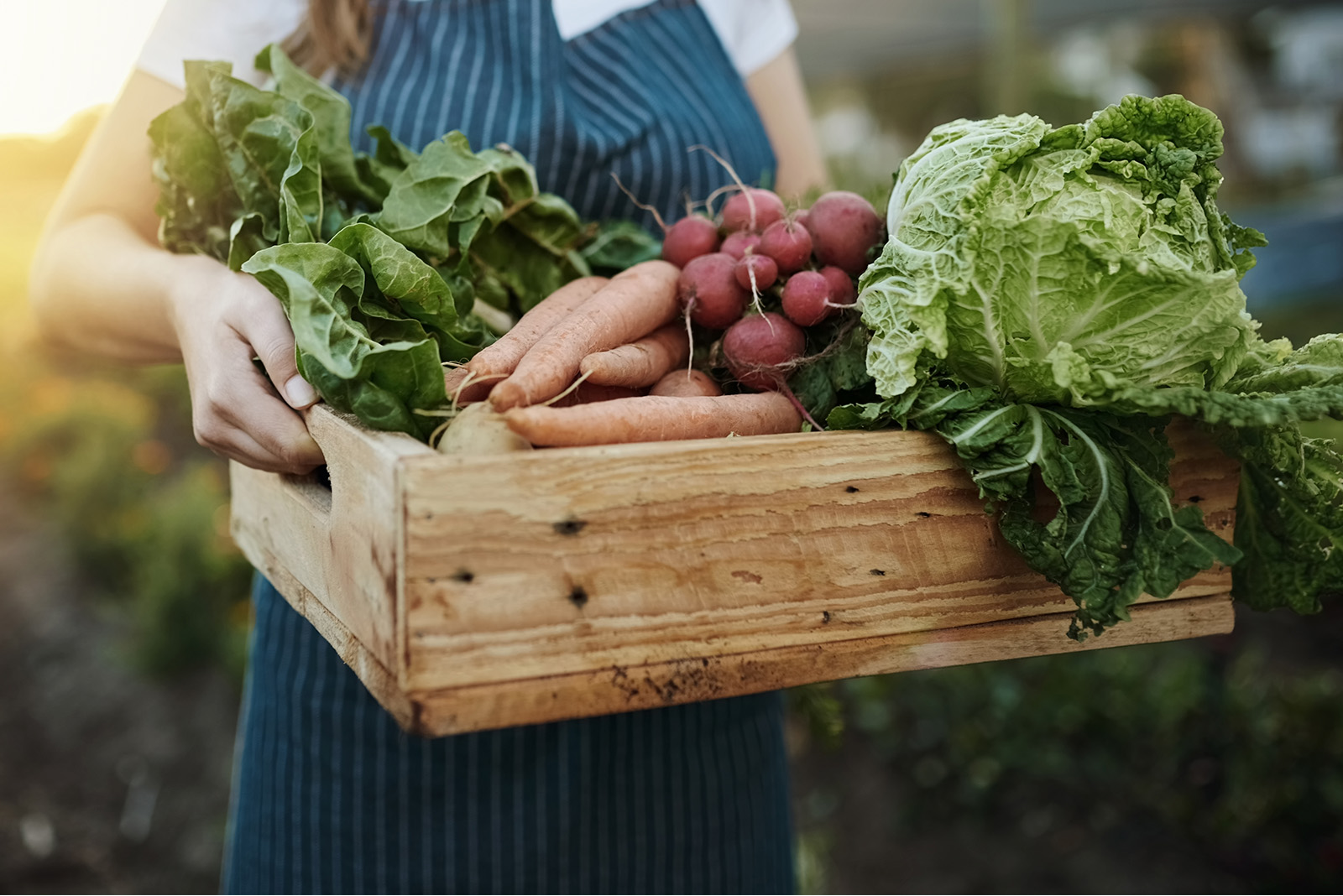
While we’re just starting to enjoy our summers, gardeners are turning their minds to fall. Before summer’s end, the first seeds of fall gardens will be planted with the promise of a first harvest around the corner. That makes summer the perfect time for planning.
Texas’ temperate climate affords two growing seasons that differ slightly throughout the state, which is so big that it encompasses five distinct climatic regions. These gardening regions each feature different temperature ranges, soil characteristics, and ideal times for planting. Use this map of Texas’ gardening zones to help you plan what you grow and how you prepare.
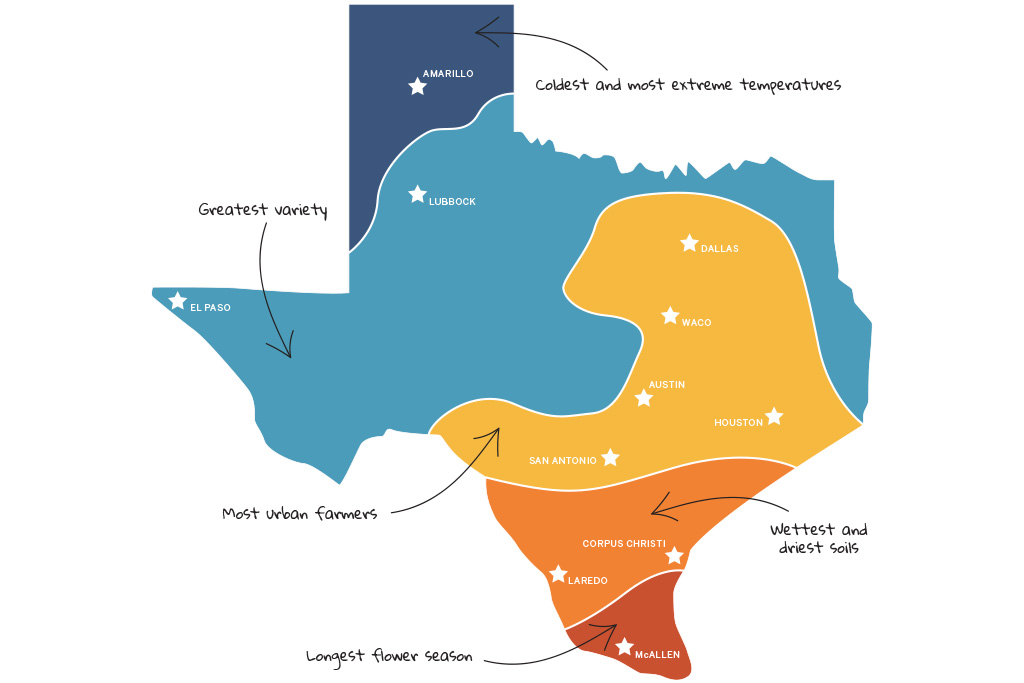
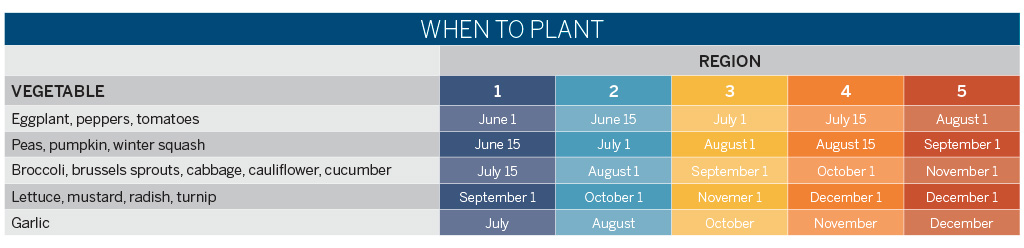
In Texas’ coolest and most extreme region, early winter storms loom over hot Septembers, with the average first frost swooping in before Nov. 1. It’s important to get fall crops in early.
Topological conditions vary greatly across this large swath of land. Plan for cold weather to set in a little sooner than in most of the state.
This region covering most of Texas’ urban areas has a slightly longer fall growing season due to a later first frost.
Where Texas enters the subtropical zone, growing conditions will be affected by proximity to water, while the rich Rio Grande Valley quickly gives way to arid desert.
In Texas’ warmest gardening zone, you can cultivate plenty of vegetables, herbs, and flowers late into the fall.
Starting a Backyard Chicken Coop From Scratch
Keep the top flock on the block.
Skip the décor section shopping, and create your own Christmas cheer.
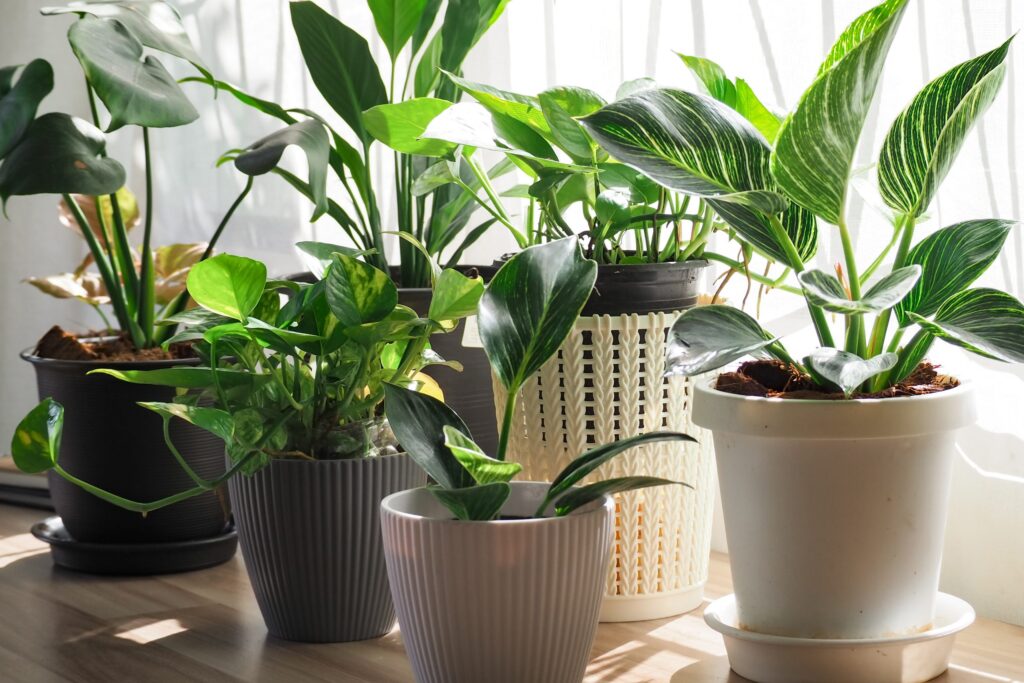
Container Gardening Made Simple
The solution to small garden spaces.
In addition to water and sunlight, plants need nutrients to grow.
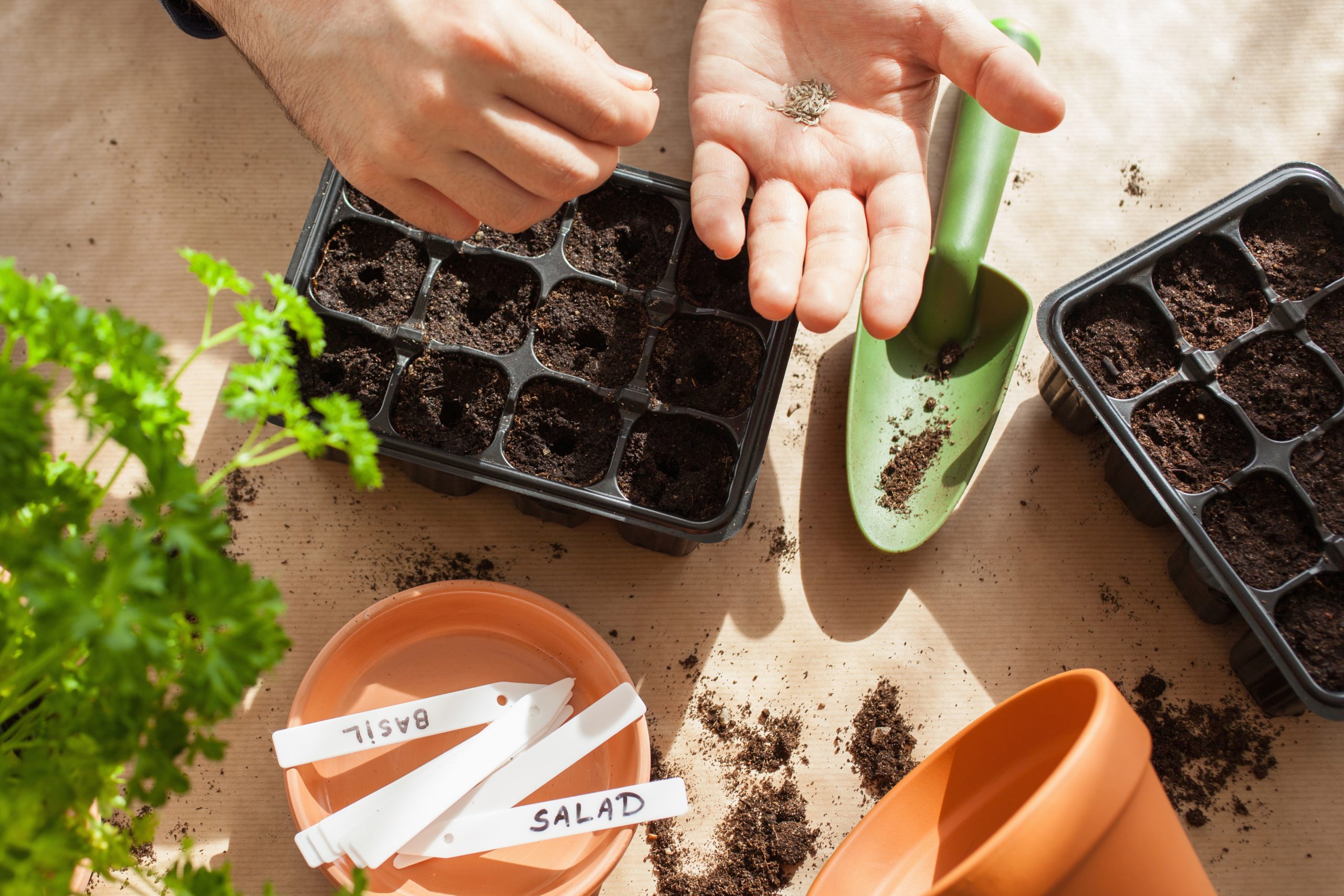
How to Germinate Seeds Ahead of Spring
Get your garden going (and growing) today.

9 Neighborhood Halloween Ideas
Bring the haunting to your neighborhood this Halloween with these community projects.