
Giant Sloth Fossil Uncovered in Lubbock
Only in Texas do you start building a six-lane divided freeway and end up unearthing giants from the ice age.
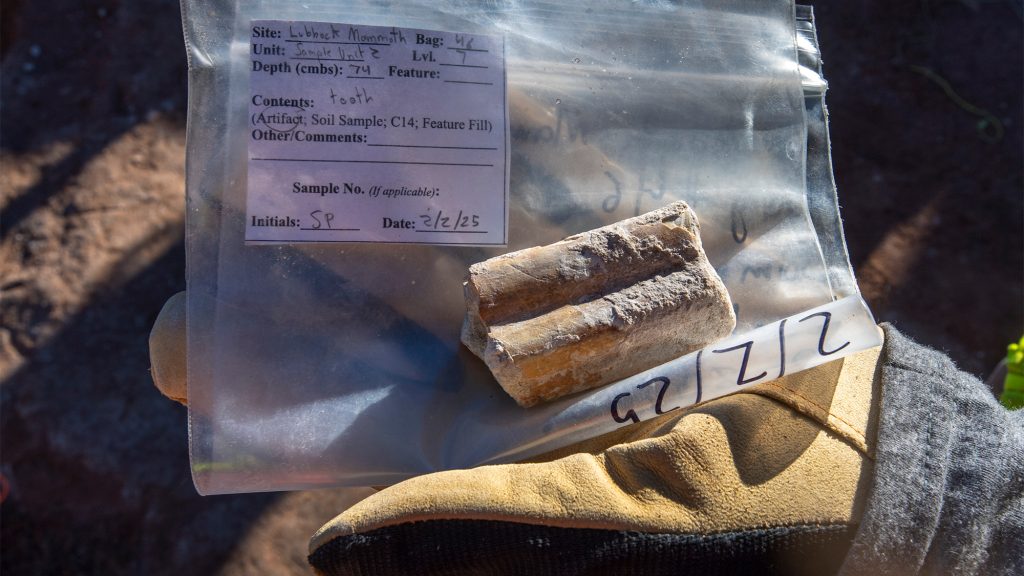
Last spring, as crews prepped land for Lubbock’s future Loop 88, an archaeological survey turned up fossils from massive ice age “megafauna,” including the distinctive tooth of a giant Shasta ground sloth — a species that could reach about 9 feet long and weigh roughly 550 pounds. You know, the weight of a modern refrigerator or baby grand piano. With claws.
What Happens Now?
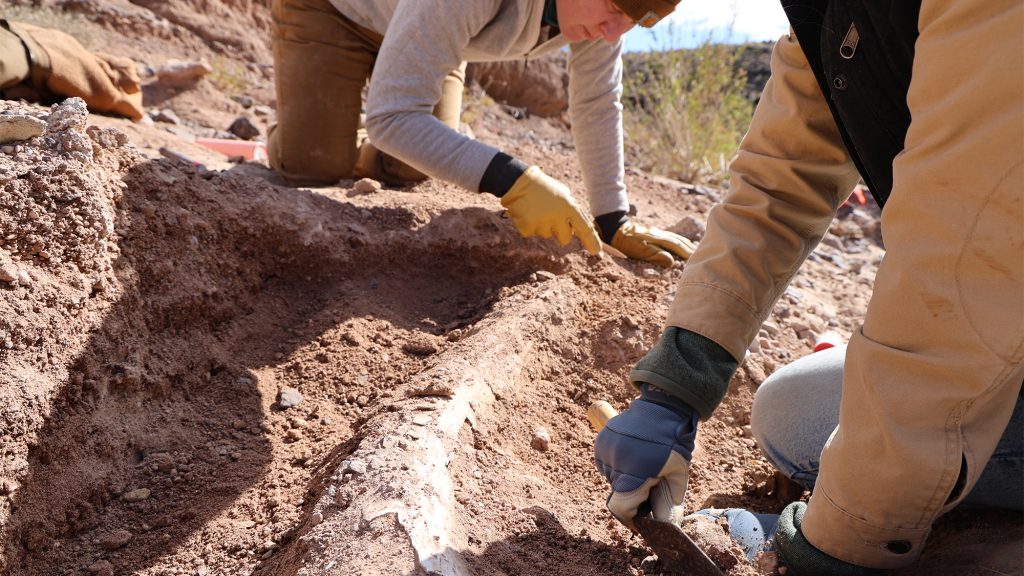
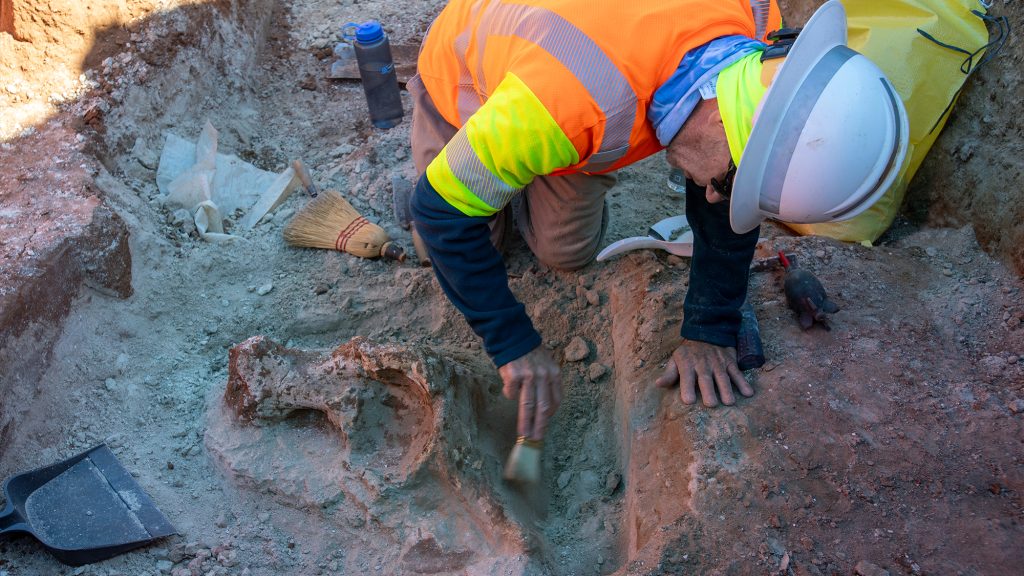
Alongside the tooth, archaeologists uncovered several large bones. TxDOT is partnering with the Museum of Texas Tech University to clean, identify, and house the finds, while archeologists analyze the surrounding sediment to pinpoint their age.
Researchers are trying to answer two big questions:
- Do all the bones belong to the same sloth, or are there Columbian mammoth or mastodon remains in the mix?
- Did people and these animals ever cross paths here? If stone tools or other human artifacts appear in the same layers as the bones, it will mark the first TxDOT project showing direct interaction between humans and ice age megafauna.
For anyone eager to see Loop 88 completed, don’t worry. TxDOT officials say discoveries such as this rarely delay construction because the surveys happen early. As project planner Chris Ringstaff put it, “We’re here to get the road built, but who doesn’t love digging up big ol’ animals?”
Why West Texas Keeps Coughing Up ‘Big Ol’ Animals’
The tooth didn’t shock archaeologists. This part of the Panhandle sits near ancient playas, which are remnants of old ice age watering holes where mammoths, ground sloths, ancient bison, and early humans once lived. Over thousands of years, floods, dust storms, and shifting climate buried bones, tools, and campfires under new layers of sediment.
Those layers are why a modern highway project can suddenly turn into a paleontology dig. The land may look flat and quiet today, but beneath it lies a deep archive of life on the Southern High Plains.
Elsewhere in Texas, ice age megafauna still turn up. Earlier last year, a Columbian mammoth skull was unearthed at a sand and gravel pit in Ellis County. And in far West Texas, a deer hunter at O2 Ranch in Brewster and Presidio counties found an isolated mammoth tusk. Finds such as these are reminders that these giants once grazed across much of Texas grassland, from Central and North Texas all the way out to the High Plains and Trans-Pecos.
See Texas’ Ancient History for Yourself
If you want to picture what this ice age world looked like — without picking up a shovel — you don’t have to go far.
Tour Lubbock Lake Landmark: Just north of the city sits Lubbock Lake Landmark, a 336-acre archaeological and natural history preserve run by the Museum of Texas Tech. Located in Yellowhouse Draw, an ancient valley near springs, the Landmark preserves nearly 12,000 years of human and animal history in well-layered sediment.
Since 1936, researchers there have uncovered:
- Mammoth, horse, camel, and bison bones.
- Bison kill sites where Paleoindian hunters processed meat.
- Charred bison bones that produced one of the first radiocarbon dates for early people on the Southern High Plains.
Today, the Landmark offers nearly 5 miles of trails through restored short-grass prairie, life-size bronze statues of ice age animals, night hikes in warmer months, and hands-on archaeology programs. It’s free to visit and perfect for families with kids who love colossal ancient creatures.
Last summer, high school and college students participated in a six-week summer field program at the Landmark, gaining hands-on experience in excavation and lab work at Area 8, where Lubbock’s earliest general store and Apache activity have been documented.
Visit the Museum of Texas Tech University: The museum houses ice age Columbian mammoth fossils, species cleverly named after the university, such as Technosaurus, and exhibits spanning history, art, clothing, anthropology, and paleontology. It’s large, free, open to the public, and an easy way to see finds similar to those emerging under Loop 88.
Curious about more weird Texas history? Long after giant sloths roamed West Texas, the U.S. Army brought another exotic creature to our great state: camels. (No, really!)