Please sign in as a member or guest below to access it.
Please sign in as a member or guest below to access it.

Last winter, Texas got slammed with an unprecedented winter storm. Before the next extreme weather hits, follow these tips for staying safe.
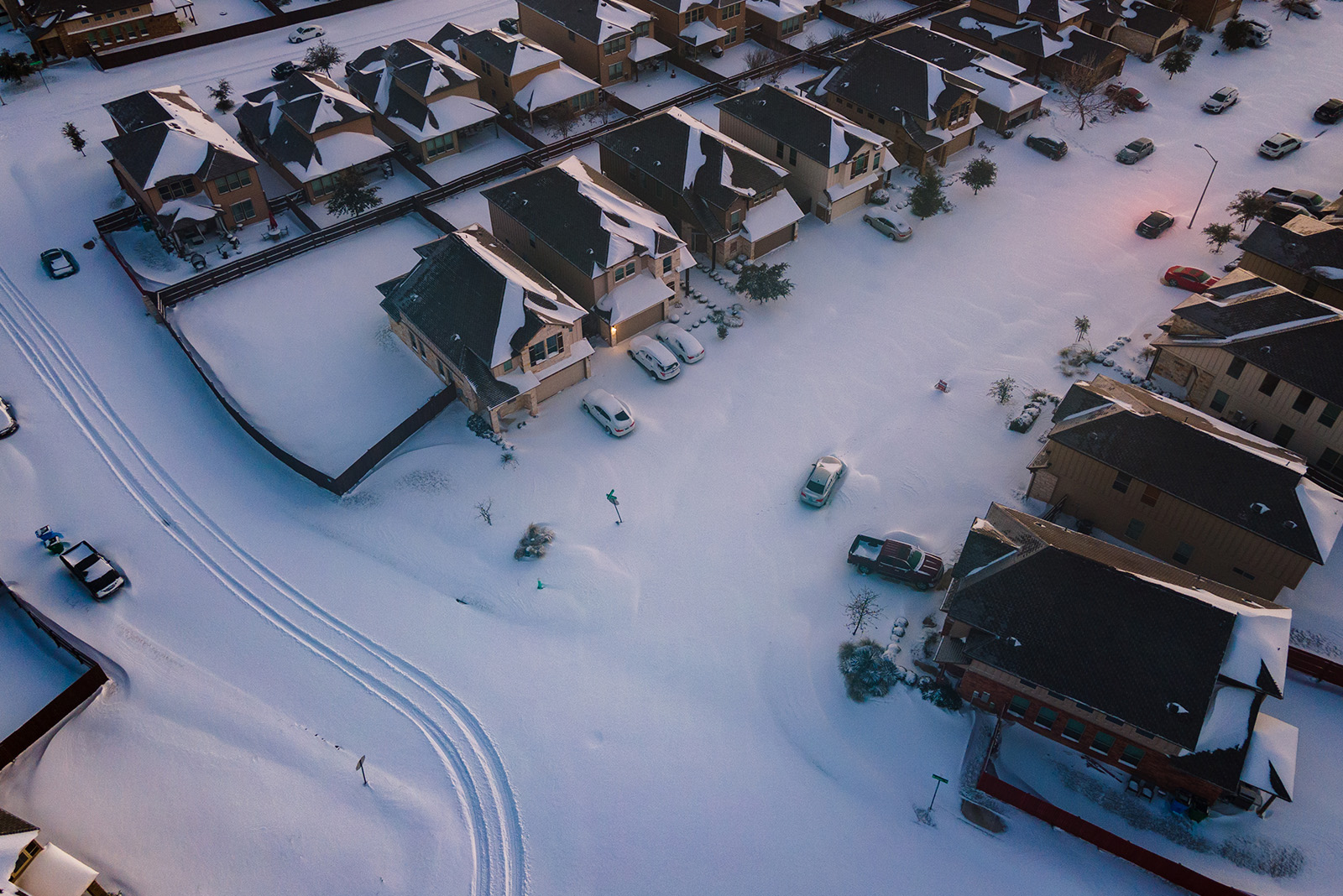
Many say it was a once-in-a- lifetime weather event: a polar vortex that swept down off the Great Plains and blanketed the entirety of Texas with subzero temperatures. Roads froze over, pipes burst, millions lost power, and the state’s entire electrical grid teetered on the brink of collapse.
Of the many lessons that can be drawn from last winter’s weather emergency, one was that you can never be too prepared for a worst-case scenario. In an event like a winter storm, many of the basic systems we rely on to stay warm, well-fed, and connected to the outside world can quickly break down. And while we may not see another storm quite like the one that slammed Texas last year again anytime soon, it is wise to prepare for the freezing weather that will inevitably reach us again.
After last year’s winter storm, many Texans learned a lot about the state’s electricity system. Part of what contributed to the outages was a disconnect between power-generating companies that are used to preparing for big summer usage surges and an electrical grid that wasn’t ready for winter weather.
Since the storm, the Texas Legislature has taken several measures to ensure that the mistakes of last year’s storm won’t be repeated. These measures include:
Unfortunately, there is no way to guarantee that no one will ever lose power. If a winter storm is approaching and you’re concerned about losing power, there are some key things you can do to prepare.
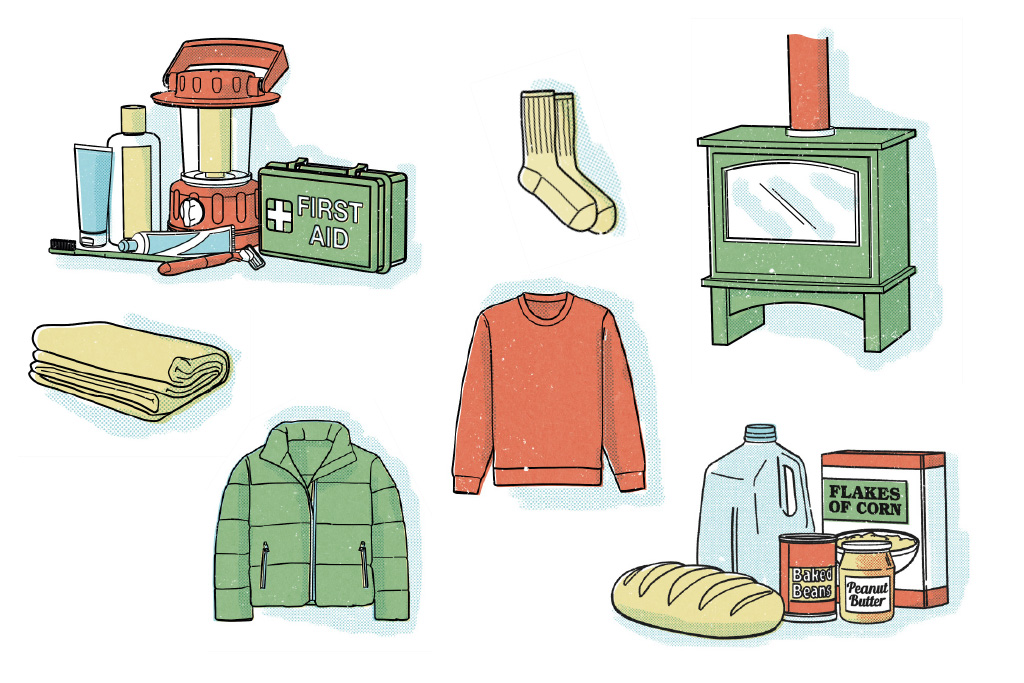
1. Create an emergency action kit and plan: There are a few key supplies that you will want on hand during an emergency. Gather these supplies and keep them in a safe, easily accessible location. Some staples include:
If an outage lasts for an extended period, it may be safer to find somewhere to shelter. Create a plan ahead of time to find a safe location, such as a friend or family member’s home, where you can go.
2. Gather extra clothing and blankets: Many Texas homes aren’t equipped with secondary heat sources. Even if they’re available, these heat sources can fail during an emergency. Gather plenty of warm clothes and blankets, focusing on having layers to put on and take off as needed.
3. Prepare for additional medical needs: If someone in your household requires home medical equipment, contact your local power company to register for any emergency programs they may offer.
4. Prepare an alternative supply of heat: This is important for staying warm and for cooking. Fireplaces and woodstoves work well. Be careful operating gas appliances and don’t bring outdoor heat sources or cooking gear — such as barbecues and camping stoves — indoors, as the fumes can be deadly.
5. Provision for food and water: Provisioning doesn’t mean stocking your prepper bunker for a year. Be mindful that your neighbors also need to stock some supplies. Start with:
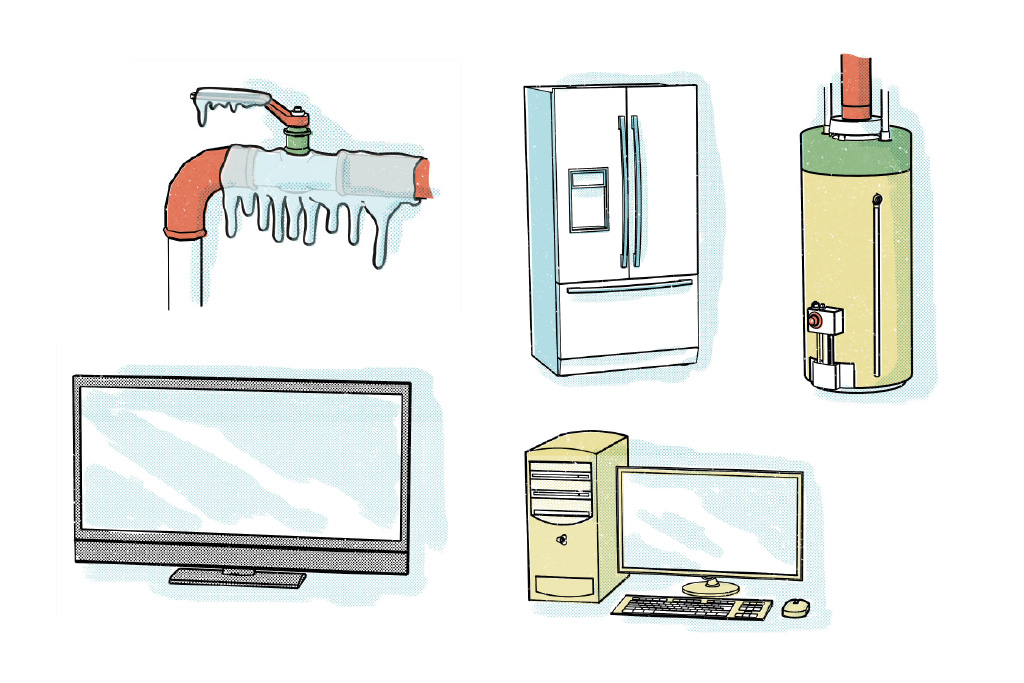
If you lose power during a winter storm, try not to panic. The first thing you should do is determine whether the outage is localized to your home or in the neighborhood. Check your home’s breakers and look for downed lines that connect your home to the grid.
If the whole neighborhood has lost power and all you can do is wait, first take care to stay warm. Layer up and start your alternative heat source if you have one. Make sure your doors and windows are closed; stop up gaps with blankets to trap heat and minimize drafts. After you have made sure everyone in your household is warm and safe, check your appliances.
Another option for avoiding some of the consequences of a power outage is to invest in a supplemental power generator. Generators convert gasoline, natural gas, propane, or diesel fuel into electrical energy. Here’s a look at some of the most common types of generators.
Portable Generators: These small mobile units that look like engines with wheels can be easily stored and maneuvered to allow access to power. These units are a good choice for homeowners looking for an easy source of supplemental power during an outage.
Power Take-Off Generators: Mostly for agricultural uses, these are essentially massive alternators that attach to farm equipment motors to convert their tremendous energy into usable electricity.
Recreational Vehicle Generators: These are powered by gas and propane and provide enough current to run an RV’s air conditioning. If you have an RV equipped with one of these, you might consider moving into the camper during a winter storm.
Standby Generators: Homeowners seriously tired of power outages might want to upgrade to a standby generator unit. These are essentially mini emergency power plants run by natural gas or propane. Electricity generated by the unit is then fed directly into the home’s electrical wiring so electrical appliances and sockets can run as normal.
As you prepare your home and family for a storm, follow this guide to winterizing your car.
A little maintenance goes a long way in the winter months.
Be prepared when the weather takes a turn for the south this winter with these informative driving safety tips.

9 Basic Car Parts Everyone Should Know
A beginner’s car trouble guide to what’s under the hood.

The Future Is Here: How Self-Driving Cars Are Changing Our Roads
Self-driving cars promise faster, safer, and more efficient roads. But how will these new technologies change the way we drive?
Your Annual Water Heater Maintenance
The Texas Department of Insurance recommends homeowners check their units for rust, cracks, and clogs at least once a year.
Types of Tires for Every Driving Condition
Texas has a diverse range of driving conditions. Can your tires handle them all?