Please sign in as a member or guest below to access it.
Please sign in as a member or guest below to access it.

Texas has always been cattle country — or has it?
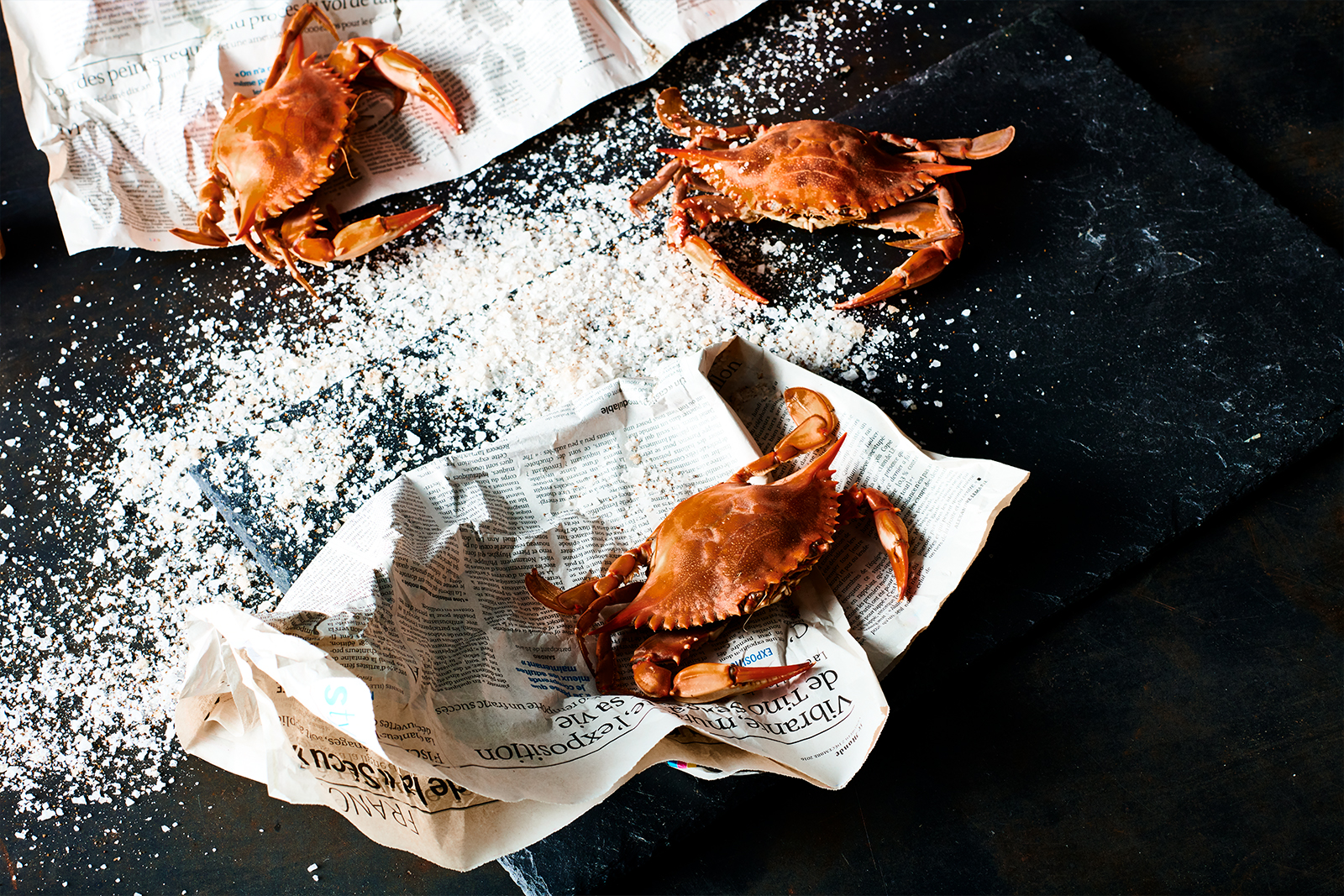
Texas has always been cattle country — the land of barbecue and steakhouses. But among all these altars to the land and the animals that roam it, the fruits of the sea can often go overlooked.
With 367 miles of shoreline, Texas ranks sixth among states with the greatest access to the sea. Our coastal cuisine dates back to our earliest days as a trading frontier, when 19th-century Galveston trains shipped fresh oysters to high-end hotels in San Antonio, and a booming fishing and shipping industry helped fuel the economic rise of the Republic of Texas.
Today, that tradition continues in the beachfront joints and in the international influences embedded in our cities, in the new reign of high-end sea-to-table dining and in the unbeatable coastal fry shacks of our shores. Here’s where to start.
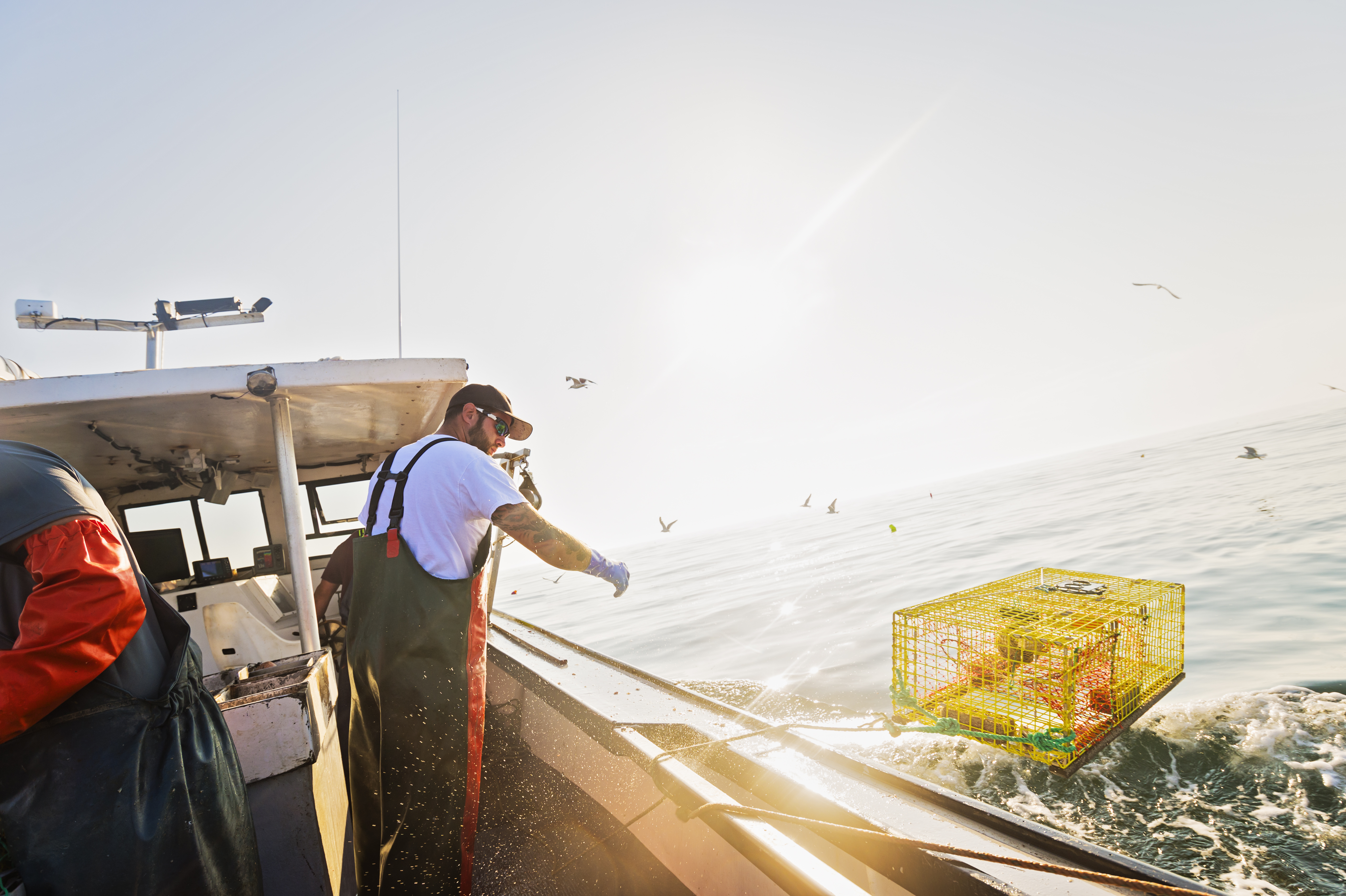
The precarious history of the Texas coast is one of discovery and settlement, storms and disruption, opportunity and struggle. In his book Texas Eats, food writer Robb Walsh recounts how Spanish explorer Cabeza de Vaca first washed up, hurricane-battered, on the shores of Galveston to discover a gorgeous natural bay and fecund fishery. De Vaca gave us some of the earliest accounts of the diets of native Texans there. Archaeological records show that some of the coast’s earliest inhabitants were migratory, following food sources cyclically; an abundance of oysters and seafood sustained tribes through the early part of the year.
Hurricanes and tropical storms were dominant forces in the development of the Texas coast, often ensuring it remained under constant development throughout centuries of settlement.
“Much of the Texas coast is hauntingly beautiful,” Walsh, a Galveston native, writes. “But longtime residents are prone to melancholy. They talk about the ruins of former homes and businesses lost to hurricanes the way war veterans talk about their battle scars. And every Texas beach resort and seafood restaurant seems to be built on the ruins of something more ambitious that no longer exists.”
Ironically, this cycle of destruction and rebuilding has helped preserve the natural ecosystem that sustains Texas’ abundant fisheries. Because the Texas coast isn’t as populated as the East and West coasts, its waters aren’t as overfished. Today, Texas ranks third behind Louisiana and Washington as the leading producer of seafood in the U.S. — but the precarious environment of the Third Coast means its seafood culture has often been overlooked and underappreciated.
Today, with many younger chefs exploring traditional methods and embracing the richness of the ingredients found along the coast, Texas’ seafood culture has never been stronger.
Fried seafood shacks are the backbone of Texas seafood culture, from the Golden Triangle to Galveston and Rockport to Corpus Christi.
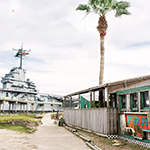 Pier 99 Restaurant, Corpus Christi
Catch a view of the bay and the USS Lexington alongside your classic fried calamari and gumbo. 2822 N. Shoreline Blvd., Corpus Christi, 361.887.0764
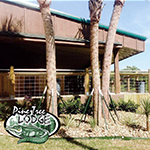
Pine Tree Lodge, Beaumont
Although currently closed for Hurricane Harvey repairs, this classic is well worth a trip as soon as it reopens for what can only be described as the Platonic ideal of Texas seafood — a platter complete with catfish, shrimp, alligator, oysters, and crawfish tails — and the view over Taylor Bay. 3296 Pine Tree Rd., Beaumont, 409.796.1600
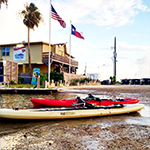 Stingaree Restaurant & Marina, Crystal Beach
Don’t miss the famed fried and boiled blue crabs and Oyster Jubilee — a platter of oysters cooked in every conceivable way — at this Bolivar Peninsula favorite. 1295 N. Stingaree Rd., Crystal Beach, 409.684.2731
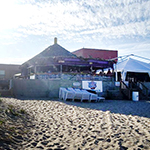 Wanna Wanna Beach Bar & Grill, South Padre Island
The palm-roofed hut over white sands is the ultimate stop-off for a cold refreshment and a basket of fried shrimp. 5100 Gulf Blvd., South Padre Island, 956.761.7677
Cajun Invasion
The changing tides of Texas’ history have introduced many cultural expressions to the state’s homegrown seafood scene. The Cajun influence in southeast Texas has been amped up since Hurricane Katrina, when many Louisianians moved into Texas, and gumbo has become popularized across the state.
Peruvian Influence
Restaurants throughout the state serve up Texas shrimp in lime-cured ceviche, an import from colonial-era Peru, where the Spanish invaders brought citrus fruits to the New World.
Vietnamese Fusion
Houston’s growing population of Vietnamese Texans has embraced the coast’s supply of snapper and grouper and incorporated their flavors in a new trend of fusion restaurants.
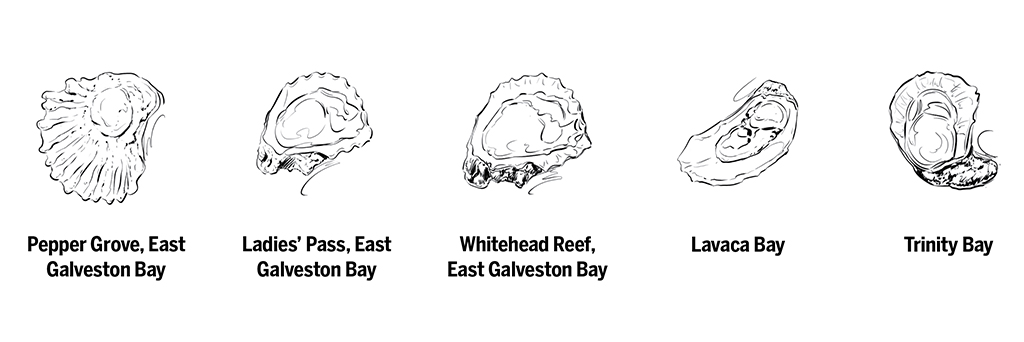
Texas oysters haven’t enjoyed the prestige of those found in Washington’s Puget Sound or the Long Island Sound’s Blue Point. But chefs, fishermen, and enthusiasts alike are rediscovering their subtle and succulent varieties. Because of their large size, Walsh calls them the best cooking oysters in the world. But they are also delicious raw and on the half shell, carrying with them flavors unique to particular reefs, bays, and inlets where they are harvested.
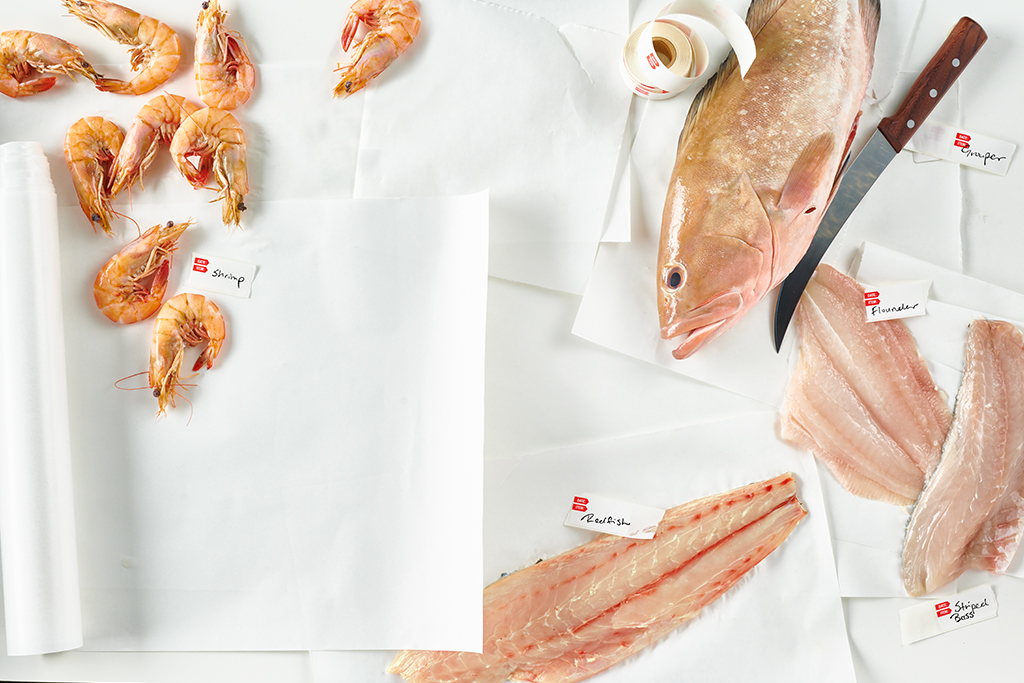
Dining out is one thing, but nothing beats grilling or broiling a fillet you’ve harvested from the sea with your own rod and reel. Texas is an angler’s paradise. The state’s rivers and creeks, lakes and reservoirs are well-stocked, but the true glory of Texas fishing is found at sea. Fishermen can dedicate a lifetime to understanding the fickle ways schools of trout and redfish make their way around the island-dotted shoreline. But for now, here’s a guide to the state’s most sought-after catches and the best spots to find them, from piers to bays, beach-casting to deep-sea adventures out in the Gulf.
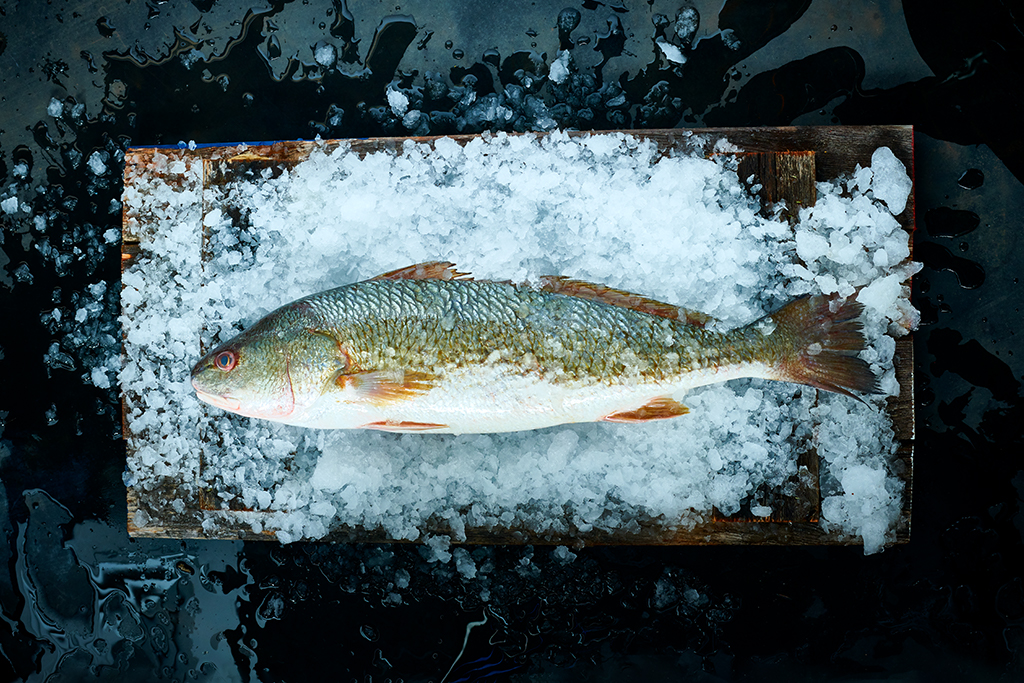
Redfish: Submerged vegetation, soft mud, oyster reefs, coves, points, jetties, old pier pilings: There are plenty of places to find one of Texas’ favorite fish. They will also take all kinds of bait. Stalk them in grass flats or by surf-casting or saltwater fly-fishing.
Trout: This elusive catch lives in shallower bays and estuaries in the spring and summer and moves out into deeper bay waters and the Gulf of Mexico in the fall. During drought, trout can also move up rivers and into bayous. Anglers often prefer popping cork rigs and live shrimp as bait.
Black drum: This delicious, versatile, and accessible fish populates both the shallowest and deepest waters of the Gulf, in clear and muddy waters alike. They make runs in deep bays and around jetties in February and March and hang in Laguna Madre over summer. They can even be caught in cold winter months.
Flounder: Look in bays after the first winter cold front, October to December, during the fall migration to the Gulf. Most fishermen prefer gigs to catch them.
Croaker: Found in abundance along the upper coast from Galveston Bay to Sabine Lake, these bottom-dwelling fish feed in soft mud and can be caught with shrimp bait on rods, summer to fall.
Grouper: This big, strong, and delicious fish comes in many species, some found in bays and larger varieties in deep waters offshore. Look for them near reefs, ledges, and shipping channels, and along depth changes.
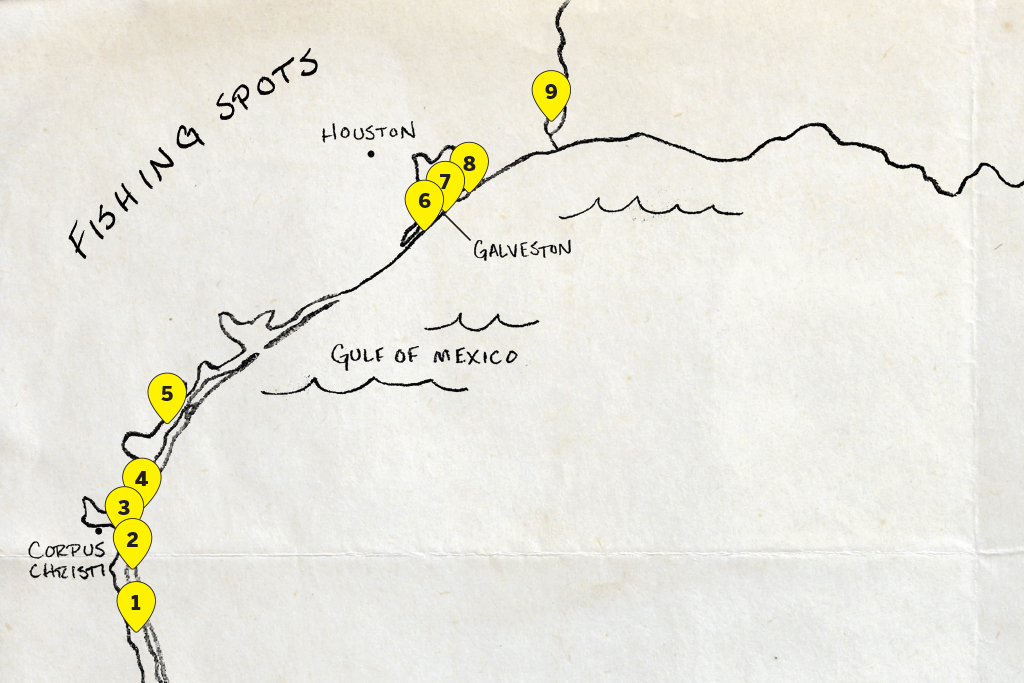
1. Laguna Madre, Port Mansfield
Type: Lagoon fishing
What you’ll catch: Redfish
2. Bird Island Basin, Padre Island National Seashore
Type: Shallow seagrass flat fishing, wading
What you’ll catch: Trout, bull redfish, and black drum
3. Bob Hall Pier, Corpus Christi
Type: Pier fishing
What you’ll catch: Sheepshead, speckled trout, pompano, black drum, redfish, and whiting
4. Fish Pass Jetty, Mustang Island
Type: Pier fishing
What you’ll catch: Whiting, mangrove snapper, trout, redfish, and snook
5. Espiritu Santo Bay, Port O’Connor
Type: Bay fishing
What you’ll catch: Lots of redfish
6. Galveston Fishing Pier, Galveston
Type: Pier fishing
What you’ll catch: Redfish, black drum, trout
7. Seawolf Park, Galveston
Type: Pier fishing
What you’ll catch: Lots of trout in July and August
8. North Jetties, Bolivar Peninsula
Type: Jetty fishing
What you’ll catch: Trout, croaker, flounder
9. Sabine Lake, Port Arthur
Type: Wading, boat fishing
What you’ll catch: Trout of all sizes
Texas seafood culture has evolved beyond seaside shacks and raw bars. Today, some of the state’s top chefs are incorporating new inspirations to push seafood into new territory. These are four chefs on the cutting edge.

Chris Shepherd, UB Preserv
The James Beard Award winner sticks to cooking with ingredients that come from within a 250-mile radius of the restaurant in an effort to showcase Houston’s unique culinary culture. Highlights of the menu include a pan-seared redfish. 1609 Westheimer Rd., Houston, 346.406.5923

Trong Nguyen, Crawfish & Noodles
At his unassuming restaurant in a Houston strip mall, Nguyen invented an only-in-Texas food fusion that took the culinary world by storm. The chef’s Vietnamese-inspired take on Cajun crawfish has won nods from the James Beard Awards, national food TV shows, and many other chefs. It’s a true testament to the living traditions of Texas’ culinary heritage. 11360 Bellaire Blvd., Ste. 990, Houston, 281.988.8098

Bryan Caswell, Reef
Reef’s 2007 opening changed the way the world thought about Texas seafood. A fierce advocate of fresh Gulf catch, Caswell has worked with some of the best chefs from around the world, but he returned to his native Houston to rediscover and elevate some of the underutilized fruits of the Third Coast, like tripletail, triggerfish, amberjack, cobia, wahoo, croaker, and blacktip shark. The restaurant closed after Hurricane Harvey but is set to reopen. 3540, 2600 Travis St., Houston, 713.526.8282

Sterling Ridings, Guild
Austin may not be the first place you think of when you imagine Gulf catch, but Guild sources its ingredients from Heritage Seafood’s Ben McBride, who makes regular drives to the coast and hauls back the best fish he can find on ice. In addition to a killer oyster bar, Riding’s progressive Gulf Coast classics include a barley risotto with royal red shrimp and white gazpacho served with hatch chile shrimp toast. 3800 N. Lamar Blvd., Austin (moving soon)
Find more secrets of the Texas coast here.
What Is the Spring Equinox? And How to Celebrate
It’s all about balance.
Keep Summer Colorful With DIY Tie-Dye
Your closet is about to get a whole lot groovier.

Spooky season awaits.
And where to pick your own stems.
Where Texas Ends: How Texas Borders Help Define Our Culture
Ever wonder why Texas has a Panhandle? How Cajuns ended up in the Golden Triangle? Where you can taste the only authentic barbacoa?
Where Did All the Electric Scooters in Texas Go?
And why are they suddenly back?