Please sign in as a member or guest below to access it.
Please sign in as a member or guest below to access it.

Step into the time machine.
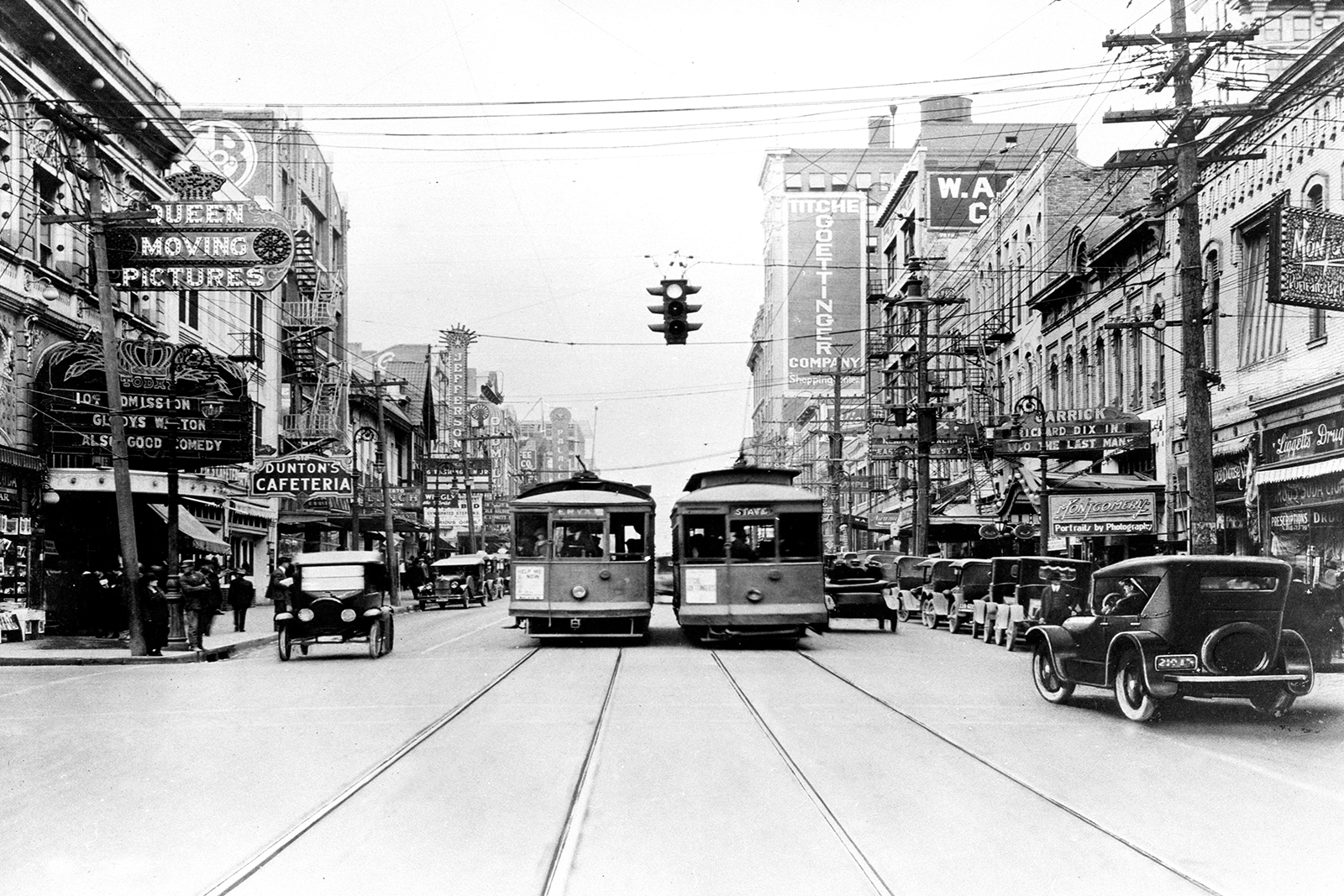
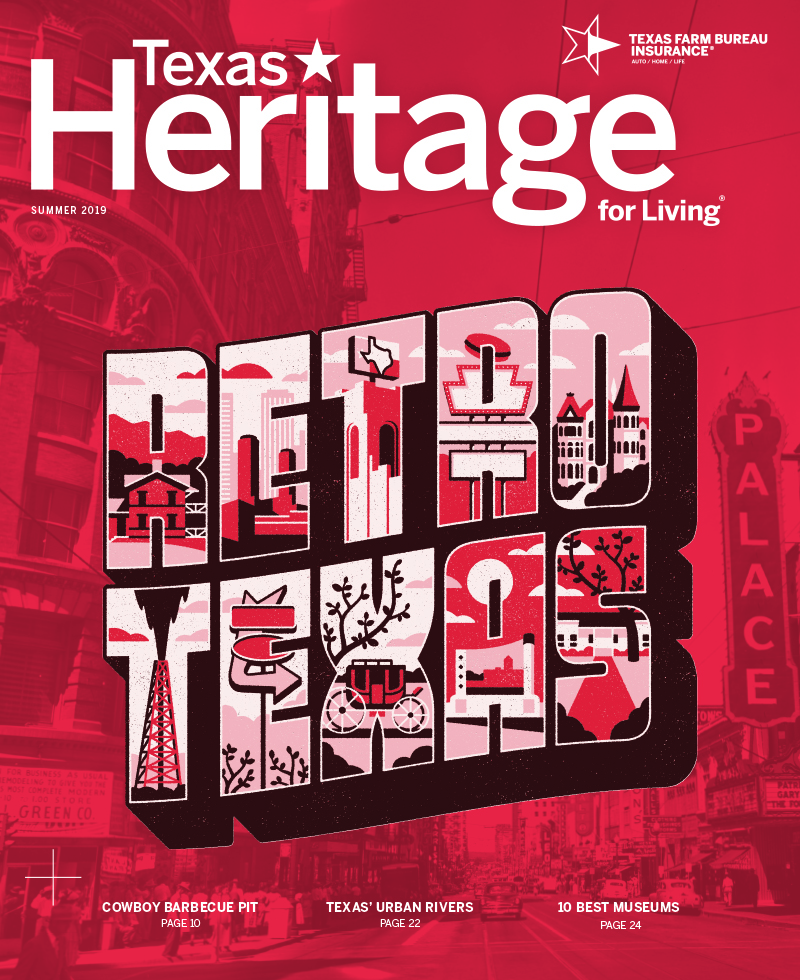
Step into the time machine with us as we head back to Texas’ decades past. The term “retro” can mean many things to many people — classic burger joints, historic drive-ins, high school auditoriums that once hosted sock hops, movie theaters etched into childhood memories. We’ve traipsed back through Texas history to choose 17 sites that carry with them memories of bygone days.
Visit these places to recapture what it was like to live here during the 17 decades since the Texas Revolution.
Alden Place, Houston: Our first step into the past lands us in a quaint Houston neighborhood that’s become synonymous with the ’90s. Sure, the brick duplexes and fourplexes of Alden Place date back to well before that, but the area has become inextricably linked with drifting, slacking ’90s life. Take a stroll through Tranquillity Park. It was built to commemorate the Apollo 11 moon landing in 1969, but it’s also where Ethan Hawke and Winona Ryder tumble through the turmoil and indecision that characterized Gen X angst in the 1994 film Reality Bites.
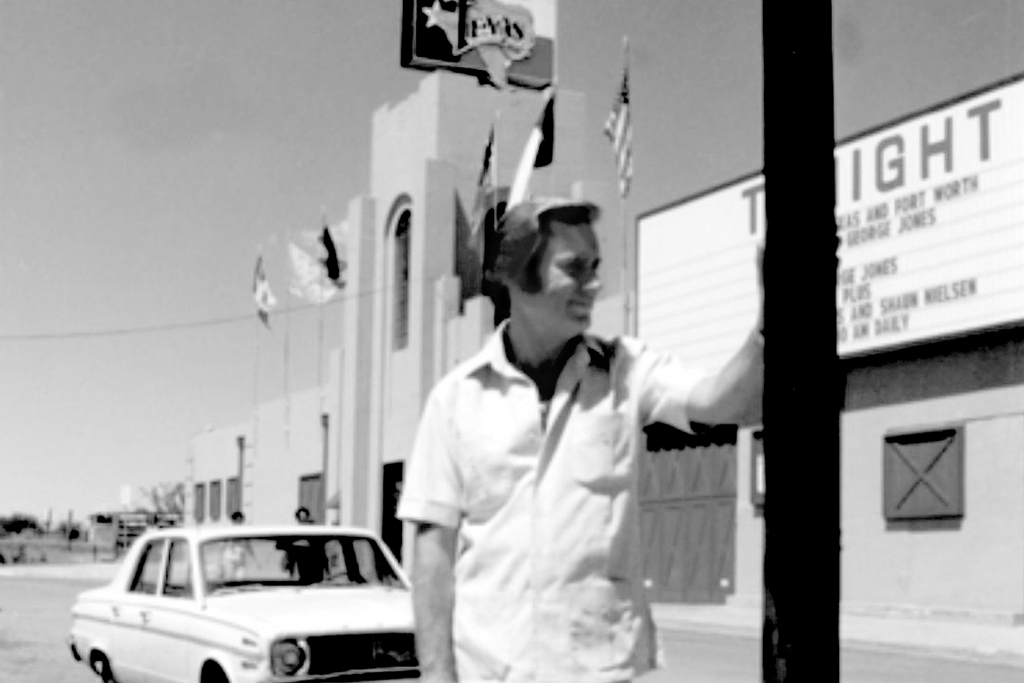
Billy Bob’s Texas, Fort Worth: The early 1980s marked an era of oil booms and real estate busts, and the swaggering, high-rolling Texas character took the world by storm through popular TV shows like Dallas and films like Urban Cowboy. Cowboy went chic, and Billy Bob’s opened in 1981 to offer city slickers a place to party in the fantasy wonderland of an old ranch hand. Although the building that houses Billy Bob’s dates back to the era when real cowboys strutted up and down the dusty streets of the Fort Worth Stockyards, inside the bar is still vintage cowboy ’80s. So pull on your sequin boots, grab your partner, and hit the dance floor.
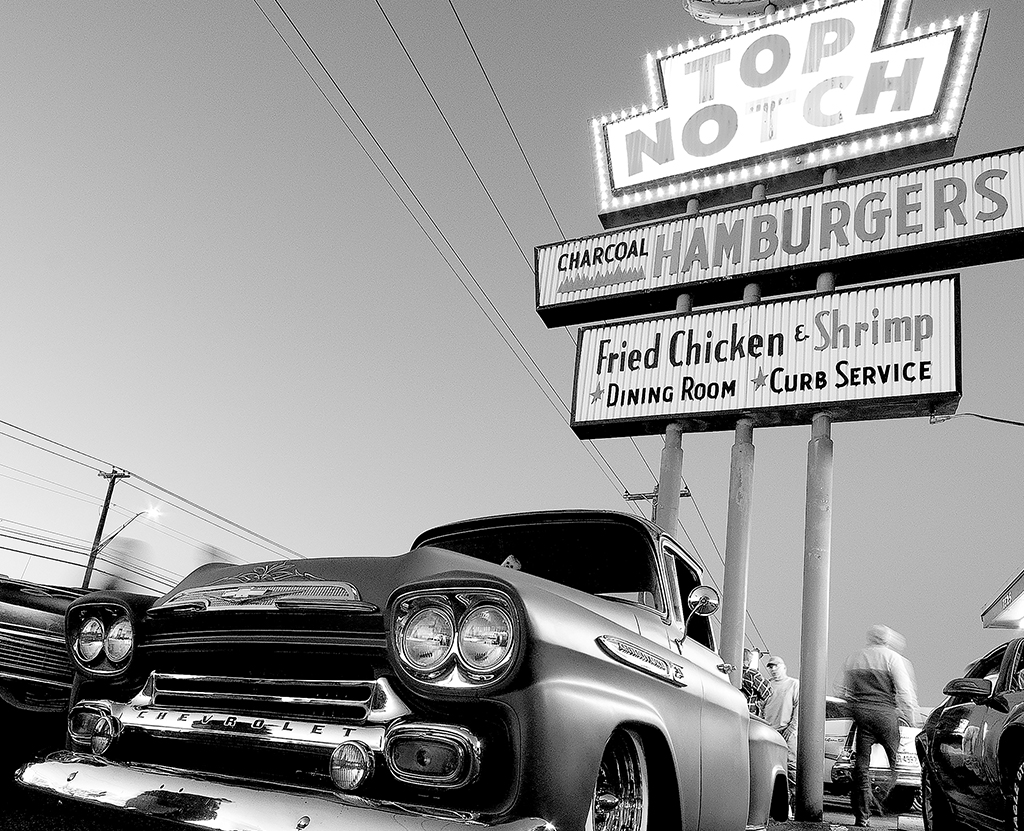
Top Notch Hamburgers, Austin: There are plenty of old-school burger joints in Texas that capture the look, feel, and charm of the era of nostalgic muscle cars and ZZ Top. But only Top Notch is the place where Richard Linklater set memorable scenes in his classic film about 1970s life, Dazed and Confused. Not much has changed since Top Notch first opened in ’71. The place still flips hamburgers and cheeseburgers and serves up fried chicken and shrimp. For the full throwback experience, order a Longhorn Special — a double burger with the joint’s signature sauce.
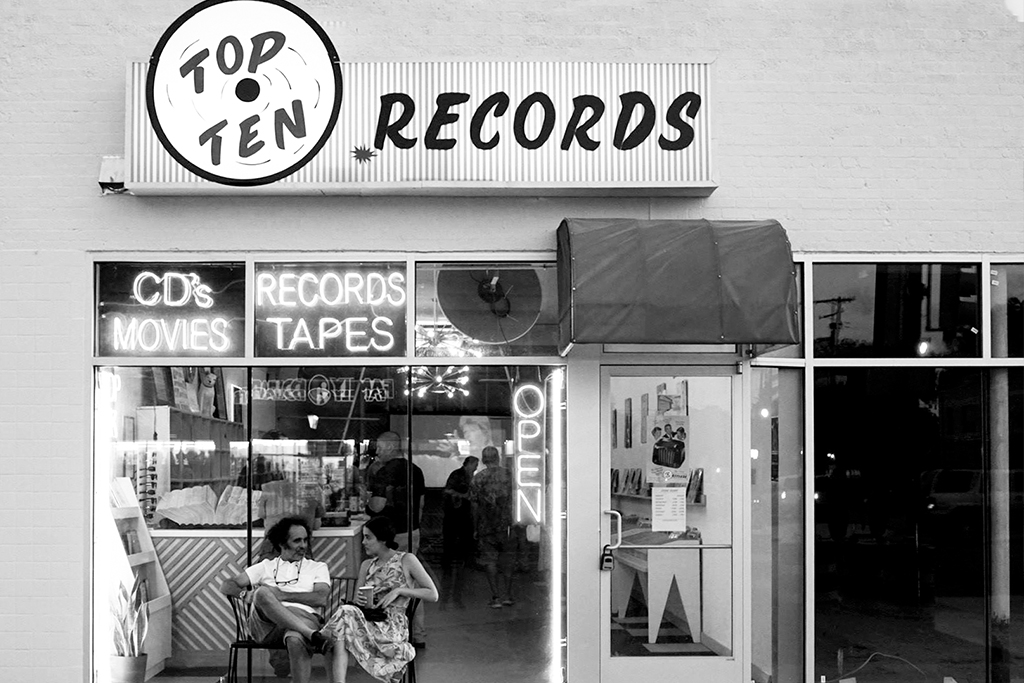
Top Ten Records, Dallas: Top Ten Records opened in 1956, but its place in history was cemented on one fateful day in 1963 when Dallas police officer J.D. Tippit slipped into the store to make a phone call. Moments later, he would encounter Lee Harvey Oswald on a nearby Dallas street, and Oswald would shoot him dead. Located across the street from the The Texas Theatre, where Oswald took shelter after the incident, Top Ten is Dallas’ longest-operating record store, and it still has the phone that Tippit used in the hours after the JFK assassination. In recent years, the store was purchased by a nonprofit that has turned it into an archive of local music history.
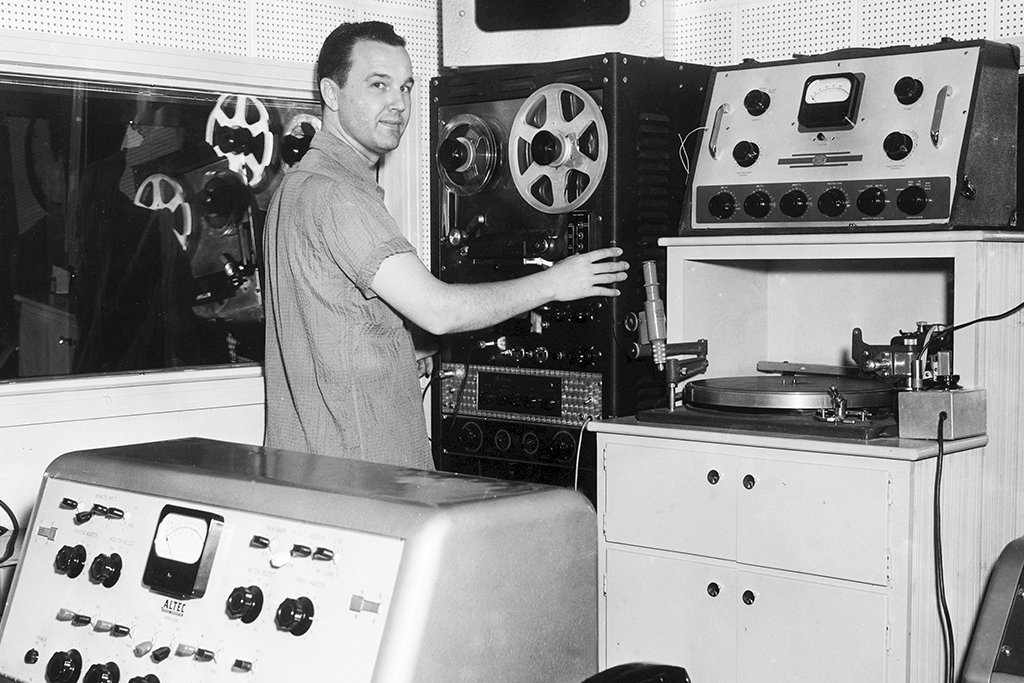
Norman Petty Studios, Clovis, New Mexico (close enough!): Norman Petty was born a few miles from the Texas border, in the tiny town of Clovis, New Mexico. After working as a recording engineer at a studio in Dallas, he returned to his tiny hometown and opened his own studio. It was one of the few places for musicians coming up in the wide-open flats of West Texas to record, and in the 1950s, the little studio became a hot spot for acts who would become legends. Buddy Holly, Roy Orbison, and Waylon Jennings were among the many musicians who recorded there. They helped craft a distinctive sound that would have an outsize influence on the history of American popular music. Today, you can visit the studio and see the equipment and some of the recording instruments used in the sessions. Clovis may be just on the other side of the Texas border, but Norman Petty Studios is the place where Texas gave America rock ’n’ roll. You’re welcome, America.
Mission Marquee Plaza, San Antonio: Nothing captures midcentury America quite like the drivein movie theater. There was a time when drive-ins dotted the state, and teenagers on dates and families looking for a cheap night out packed into the car and flocked to the drive-in. One of the earliest and most majestic of Texas’ theaters is the 1948 Mission Marquee Plaza (formerly the Mission Drive-In Theater). In 2014, the drive-in reopened after a multimillion-dollar upgrade to its grounds and Spanish colonial motif. The downside: The old parking lot was replaced with a new lawn. The upside: The upgraded theater now hosts outdoor movies from May through December. You’ll just need to bring a picnic blanket instead of a hot rod.
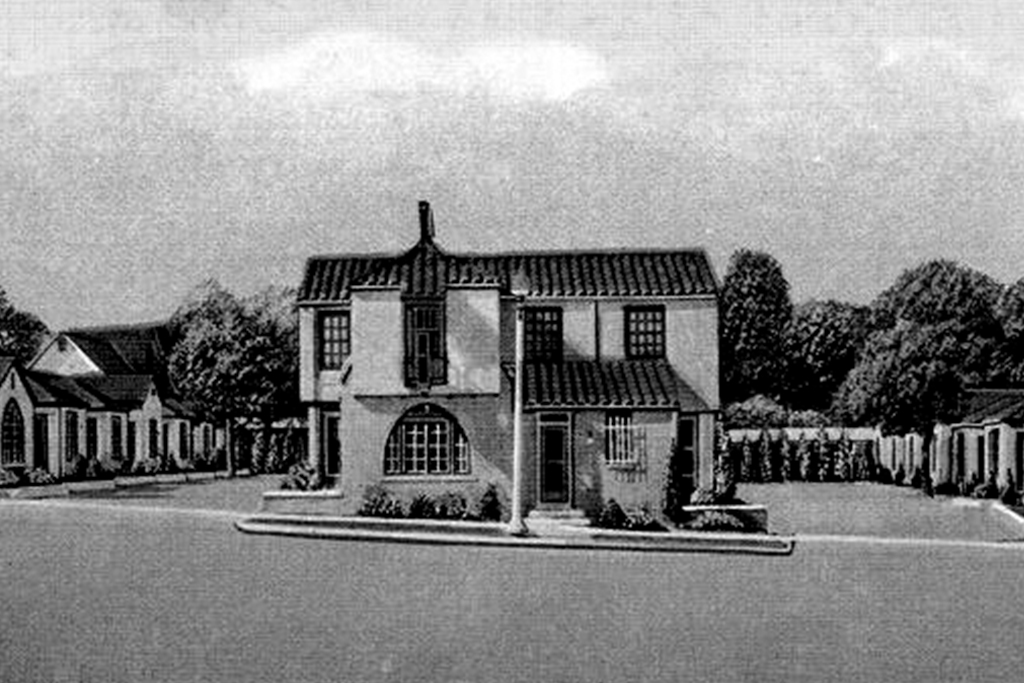
Hotel San José, Austin: As car ownership spread through the state, motor lodges opened along Texas’ blue highways to serve an increasingly mobile public. Hotel San José, built in 1936 just south of the Congress Avenue Bridge in Austin, advertised itself as an “ultramodern” rest stop for travelers on their way into or out of the capital city. By the end of the 20th century, the tiny bungalow rooms had fallen out of fashion, and the hotel fell into disrepair. In the 1990s, it was repurchased and refurbished into a laid-back oasis that emanates the cool and funky character of South Congress. It’s now one of Austin’s most popular hotels.
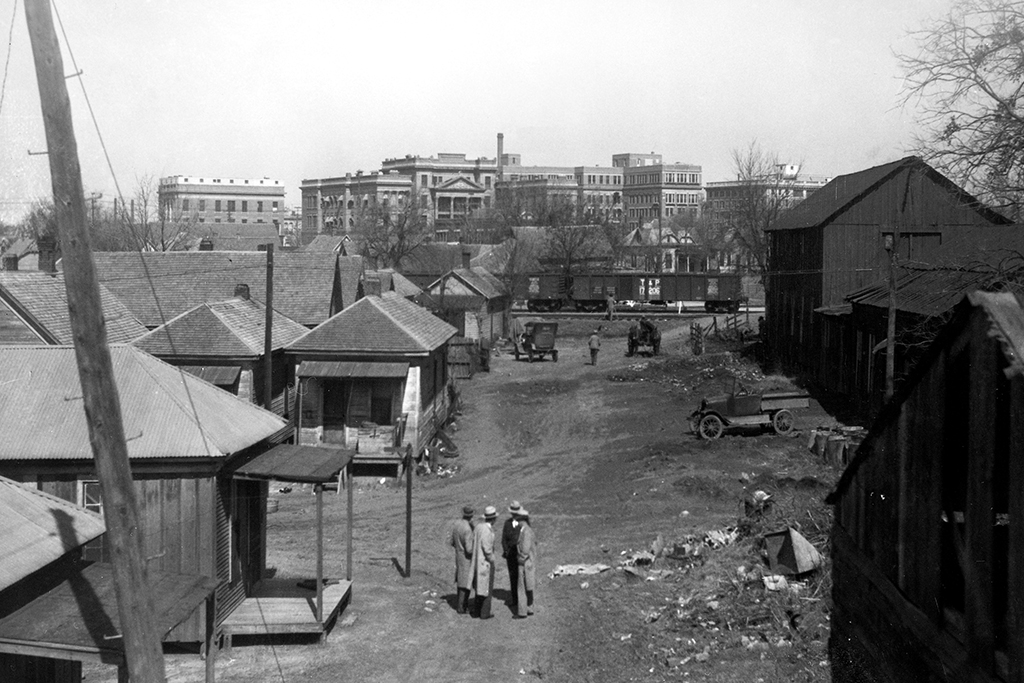
Deep Ellum, Dallas: The railroad intersection near the current corner of Elm Street and North Central Expressway on the eastern edge of downtown Dallas became a flourishing African American neighborhood in the beginning of the 19th century. The intersection called Deep Ellum became a hub where musicians gravitating to the city from the country looking for work found it in the neighborhood’s many teahouses and juke joints. The area became an incubator for the Texas blues. Today, an elevated highway runs through the intersection where blues giants like Blind Lemon Jefferson and T-Bone Walker used to play for spare change, but many of the old storefronts — now home to a growing number of fashionable restaurants and bars — still line the streets where legends once walked.
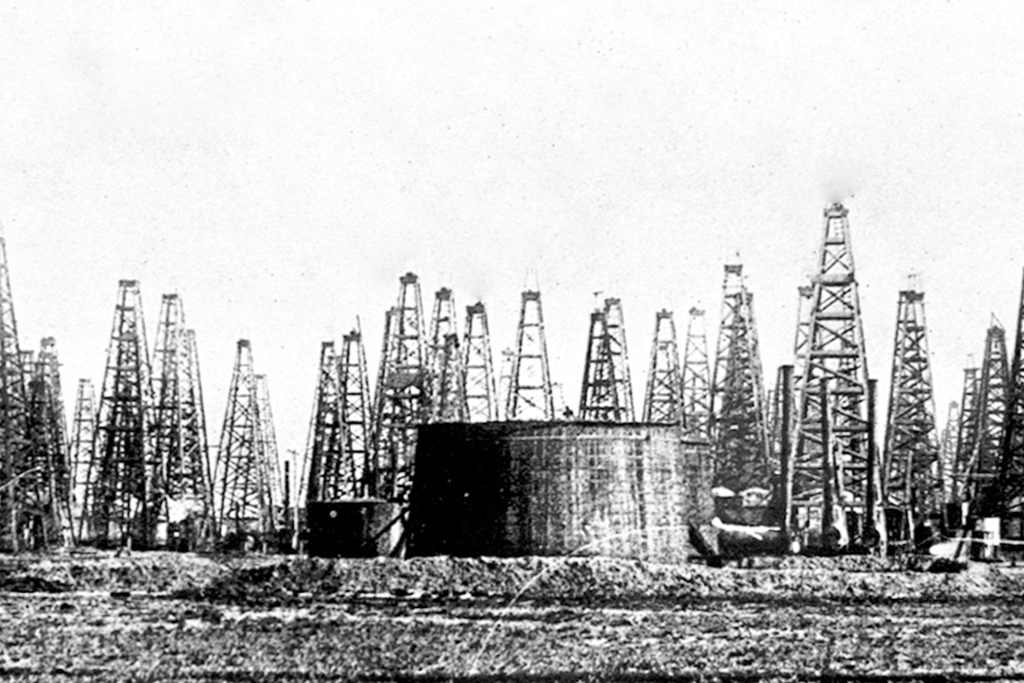
Spindletop-Gladys City Boomtown Museum, Beaumont: After oil was struck at Spindletop just south of Beaumont in 1901, the famous gusher rapidly transformed an area of marshy flats into a boomtown. Wildcatters rushed in and oil rigs rose up. To house, supply, feed, and entertain the thousands of workers who came to make their fortunes in the fields, the modest clapboard buildings of Gladys City appeared almost overnight. The oil at Spindletop eventually dried up, and Beaumont became the commercial hub of the still oil-rich region. Today, the Spindletop-Gladys City Boomtown Museum, on the campus of Lamar University, displays a reconstruction of the historic town and a monument to the gusher that kick-started Texas’ oil and gas legacy.
Kreuz Market, Lockhart: The customs and traditions German settlers brought with them to Texas have been formative to our state’s identity. Perhaps no contribution was more essential than barbecue — and there’s no more essential Texas barbecue joint than Kreuz Market. Charles Kreuz Sr. opened the market in 1900, serving German-style meats smoked in backyard pits. The store has moved and been rebuilt over the years, but the pits have moved with the owners, meaning the barbecue you enjoy nowadays was smoked the old-fashioned way in those same 1900s pits.
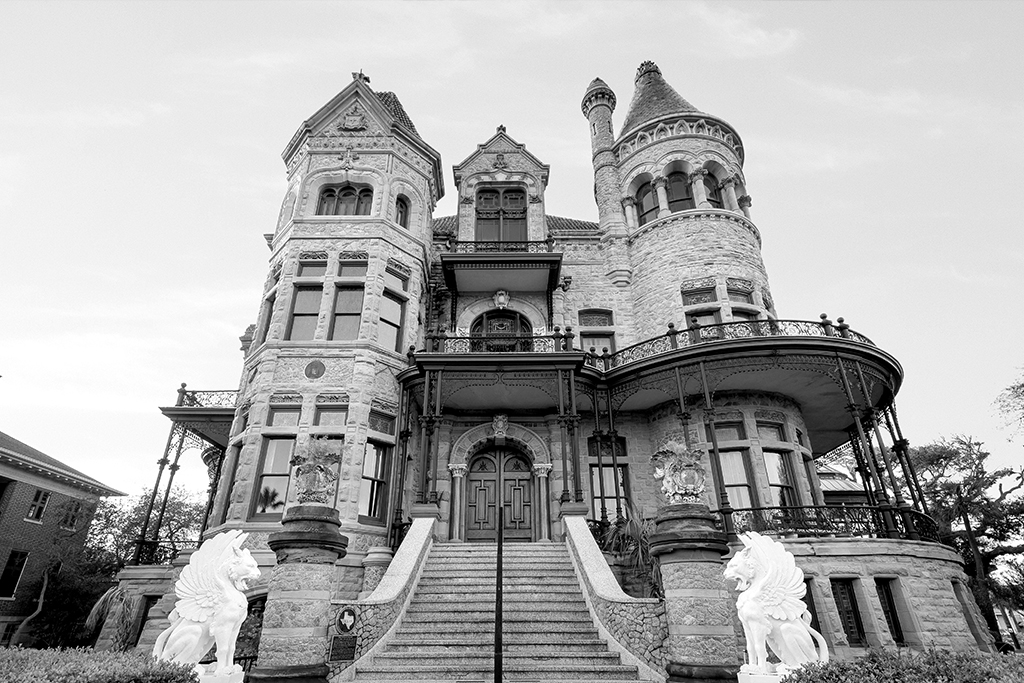
Bishop’s Palace, Galveston: During a late-19th-century time of prosperity, some of Texas’ wealthiest residents built new homes to reflect their newfound means and taste. The Victorian boom extended throughout the state, but there is no home that captures the ornamentation, grandeur, and style of the time quite like Bishop’s Palace. Finished in 1892 for Col. Walter Gresham, a Virginian and Civil War vet who helped found the Gulf, Colorado and Santa Fe Railway, the home’s design is influenced by the popular French Revival style, with cast-iron galleries, Romanesque and Tudor arches, incredible carved reliefs, and other ornate touches. Built of steel and stone, it withstood the 1900 hurricane that destroyed much of the island. Today, visitors can tour the remarkable property. It’s considered one of the finest examples of residential Victorian architecture in the country.
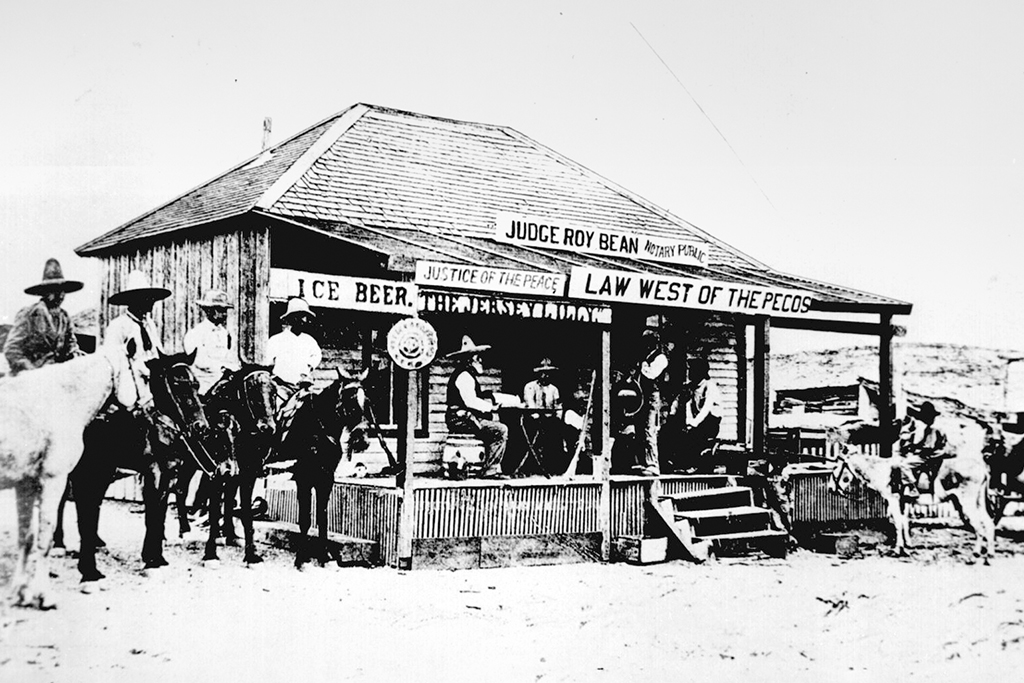
Jersey Lilly Saloon and Courtroom, Langtry: On the Western frontier filled with larger-than-life characters, few exceeded the grandeur of Judge Roy Bean. The self-proclaimed “Law West of the Pecos” operated saloons out of a tent that followed the crews constructing the Southern Pacific Railroad throughout the southernmost part of the state. In Langtry, he put down roots and opened the Jersey Lilly, named after a vaudeville performer. The one-room saloon doubled as a courthouse, and Bean presided over disputes that arose among the rough-and-tumble folk who were scraping out a living in the American West. Today, visitors traveling west of Del Rio can still visit the Jersey Lilly and walk through the tiny ghost town on the Rio Grande that preserves the feel of what life was like on the Texas frontier.
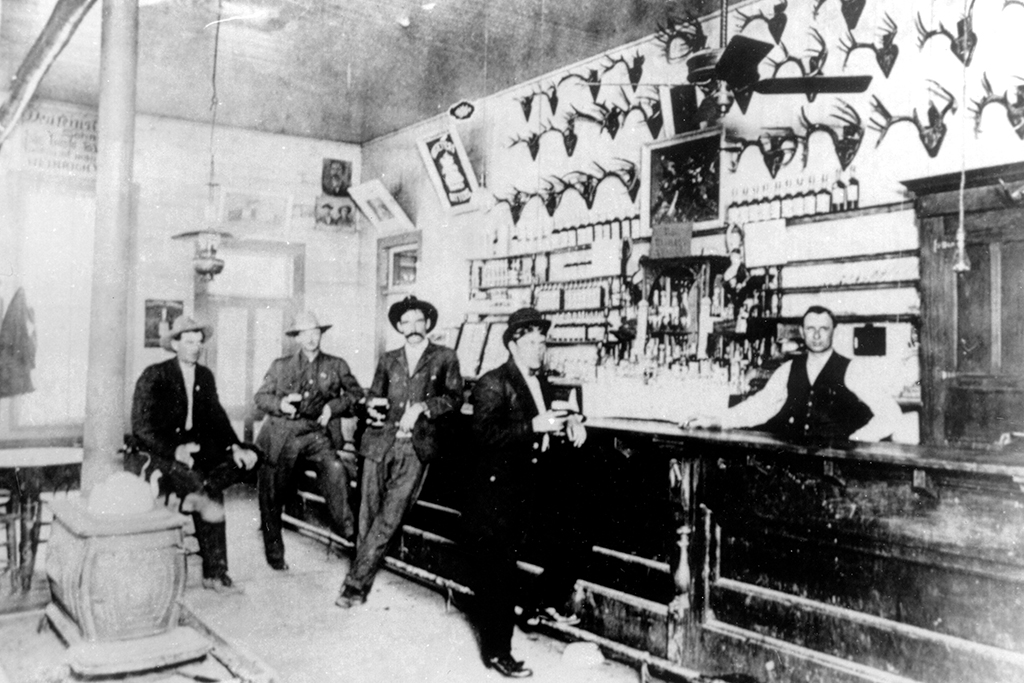
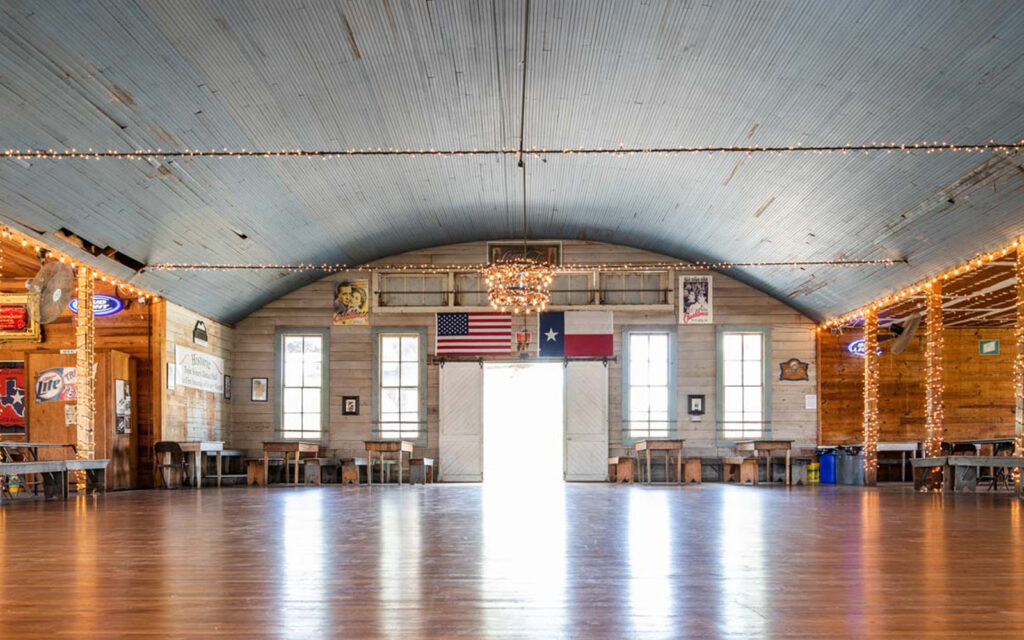
Gruene Hall, New Braunfels: Gruene Hall saw its first boot-scootin’ in 1878, making the venue the oldest and longest continually operating dance hall in the state. Early on, the boxy clapboard building held regular dances and offered a venue for traveling salesmen, community events, and some more questionable entertainment attractions of the day. Today, Gruene Hall remains a popular draw for Texas music lovers, and its stage features up-and-coming talent as well as big-name acts who love playing the intimate and historic venue that could be considered the birthplace of Texas music.
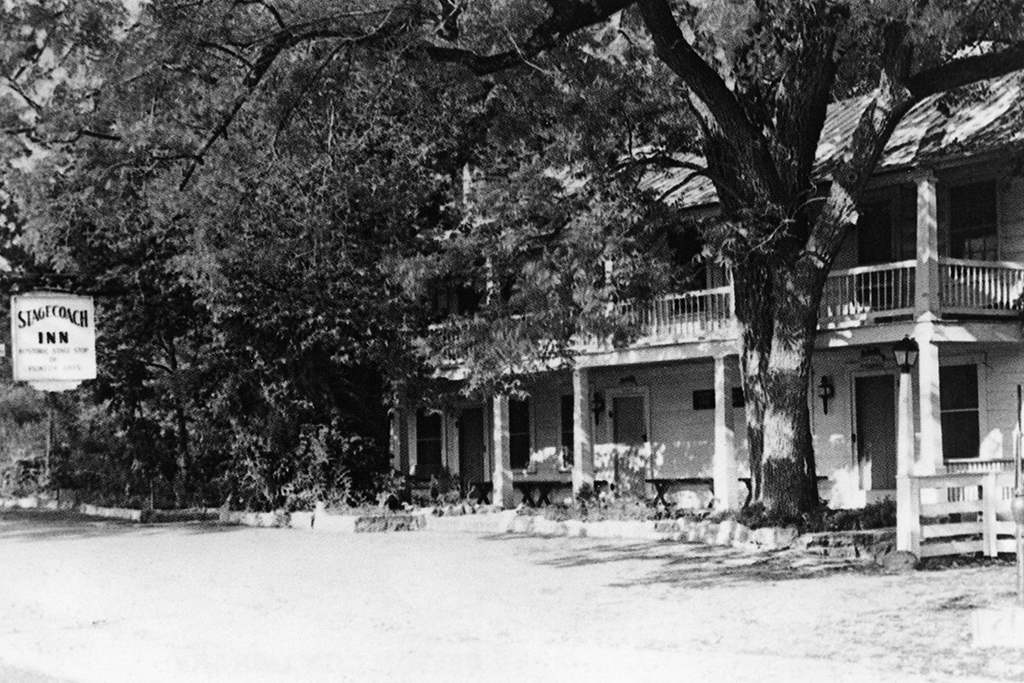
Stagecoach Inn, Salado: As the Civil War raged, W.B. Armstrong focused on building an inn on an opportune spot along a stagecoach trail about 50 miles north of Austin. By the time the war was over, the hotel had become a popular spot for the characters who began to drift into Texas and would go on to shape the history of the American West. Sam Houston, Gen. George Armstrong Custer, Robert E. Lee Jr., Charles Goodnight, Sam Bass, and Jesse James were just a few people who are believed to have stayed at the inn. In the 2010s, the Stagecoach underwent an extensive renovation and reopened with an upgraded restaurant and amenities. Today, you can sleep in the same rooms that once housed these legends and visit one of the state’s most treasured spots.
Fort Davis, Fort Davis: When Fort Davis was established in 1854 along the San Antonio-El Paso Road, it was one of the westernmost outposts in the state, deep in an area dominated by roving tribal bands of Comanche and other Native American tribes. Soldiers stationed at the garrison offered protection to traveling settlers, mail coaches, and wagon trains, many of which were headed to California as part of the gold rush. Today, you can visit the historic site, which is nestled up against the canyons of the Davis Mountains.
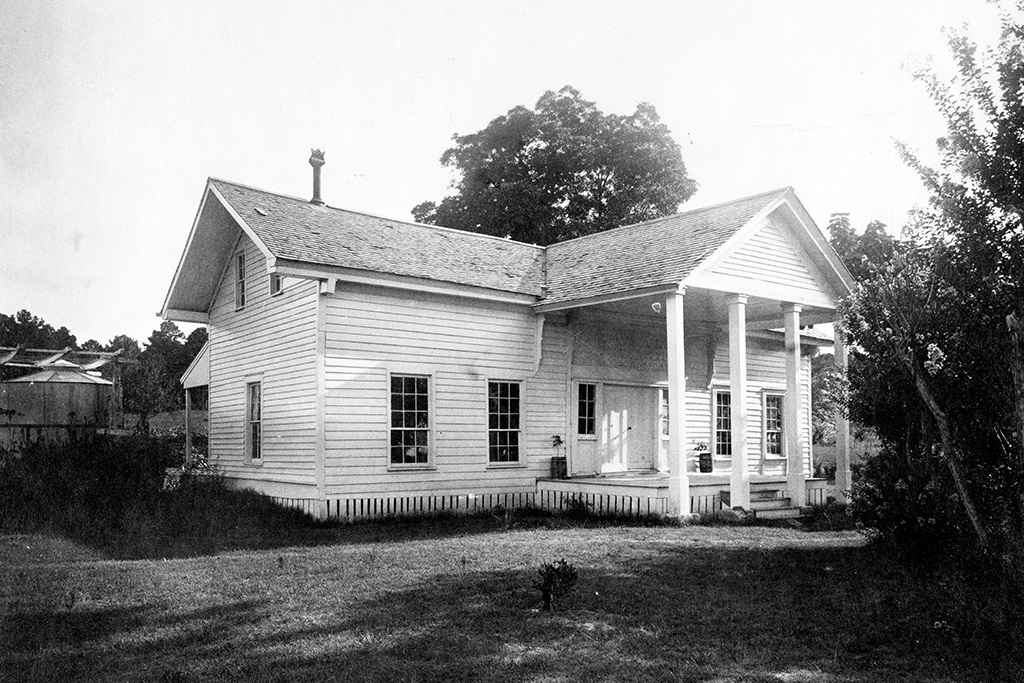
Woodland Home, Huntsville: Only 50,000 to 70,000 Texans lived in the state during the years of the Republic of Texas, mostly on the eastern side. The most prominent of all Texans at the time was Sam Houston. The former Texas president and then governor purchased 200 acres near present-day Huntsville in 1847. There, he built a modest log cabin, which he hoped to be his family’s home for generations to come. Today you can visit it, in the city often referred to as the “Mount Vernon of Texas.”
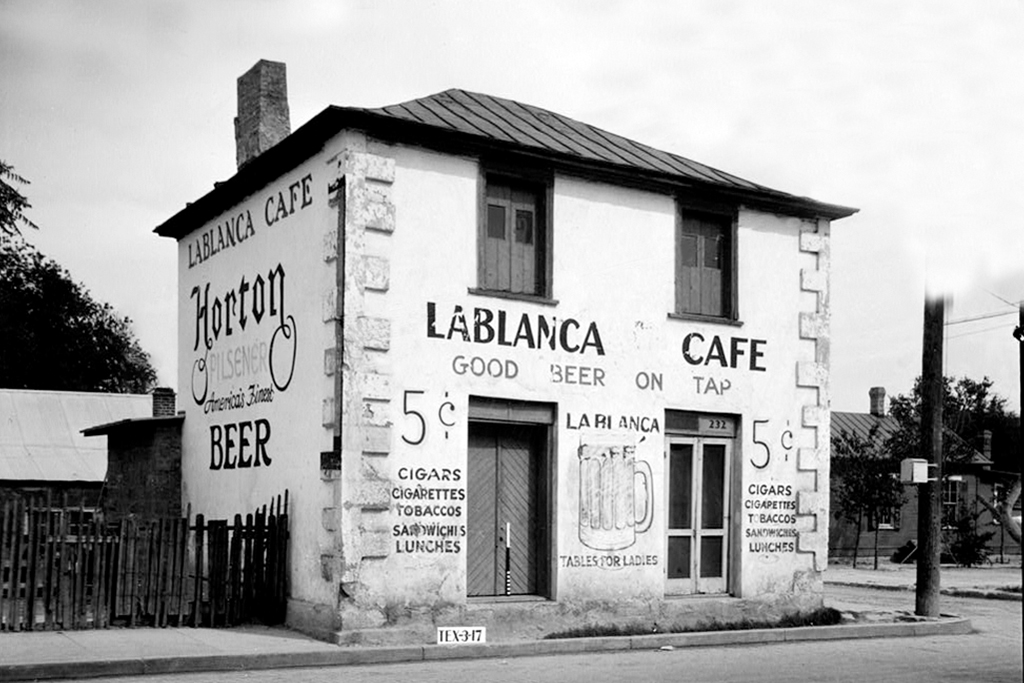
Casa Navarro State Historic Site, San Antonio: Texas patriot José Antonio Navarro began building his adobe home in the Laredito neighborhood of old San Antonio in 1832, when Texas was still part of Mexico. A few years later, Navarro became the first native-born Texan to sign Texas’ Declaration of Independence. Navarro would go on to serve in the Texas Legislature under three flags — Mexico, Texas, and the United States. You can still visit one of the oldest remaining adobe structures in San Antonio, a place that offers a physical connection to the very birth of Texas.
Do more Texas time traveling on the East Texas music highway or stepping into the painted churches of Little Bohemia.
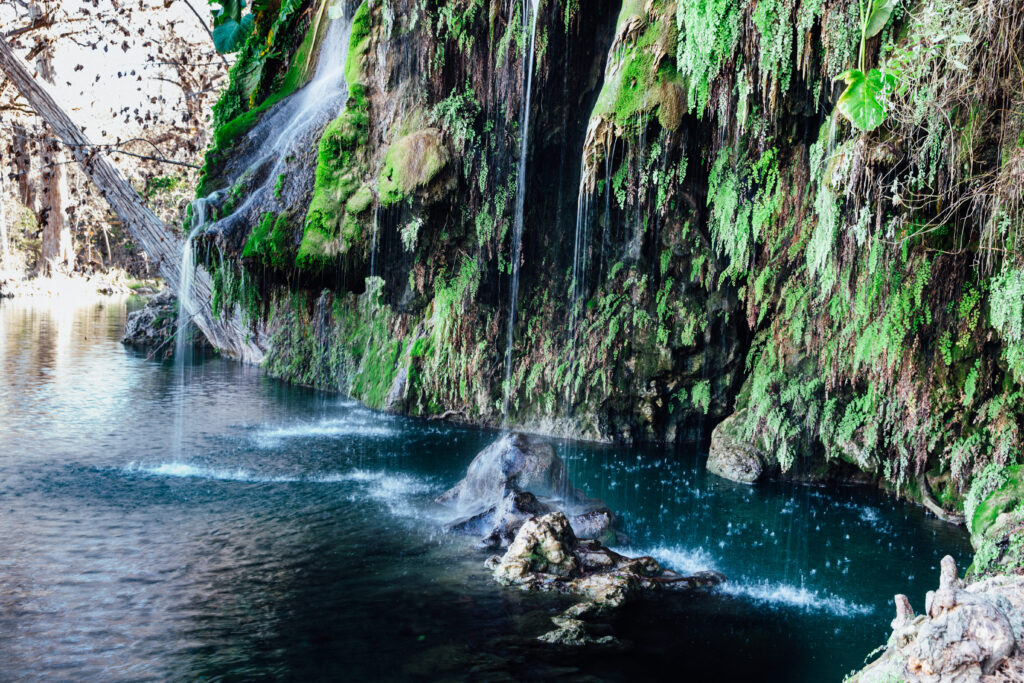
Explore the Hidden Underworld of Texas Caverns
Some of Texas’ most intriguing vistas are hidden away underground, where geological marvels have created spooky caves and caverns.

Support First Responders in Your Neighborhood
Meet and thank Texas’ everyday heroes.
The Ultimate Guide to Sailing in Texas
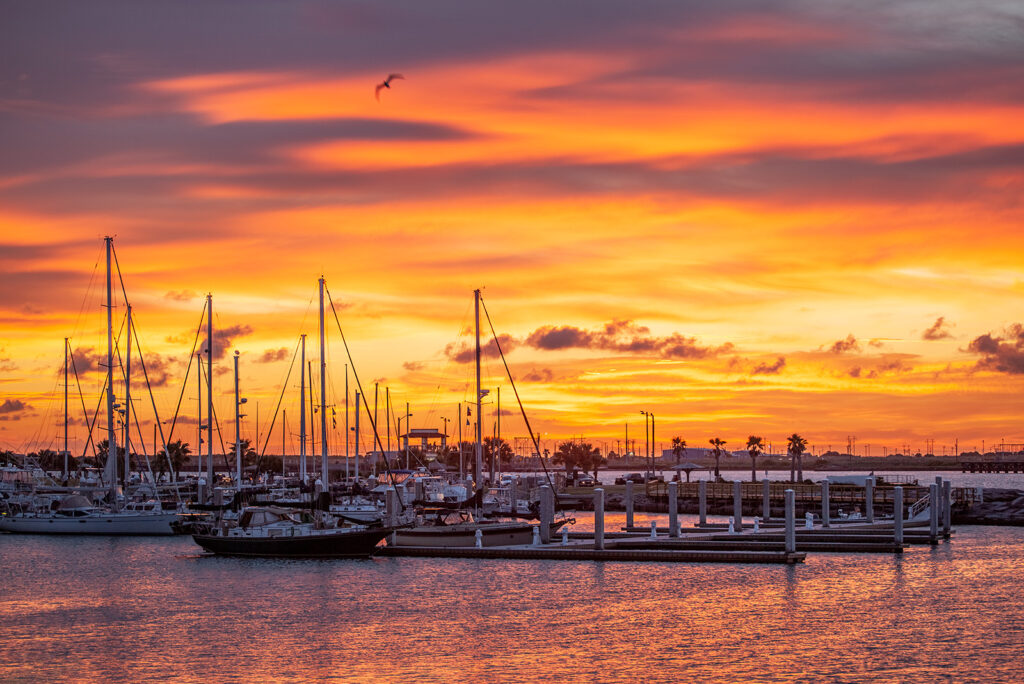
From sailing newbies to adventurous skippers, here’s everything the Texas coast has to offer sailors.
Take two steps into the past, two steps forward on the dance floor. The best nightlife in Texas is also the oldest.

A Few of Our Family’s Thanksgiving Traditions
Every family has their traditions. Here are some of ours.

Experience the Thrill of Sandboarding at Monahans Sandhills State Park
Ideal for both thrill-seekers and nature lovers, this park provides the perfect backdrop for a distinct adventure.