Please sign in as a member or guest below to access it.
Please sign in as a member or guest below to access it.

Every summer on South Padre Island, hundreds of baby sea turtle hatchlings make their way back to the sea.
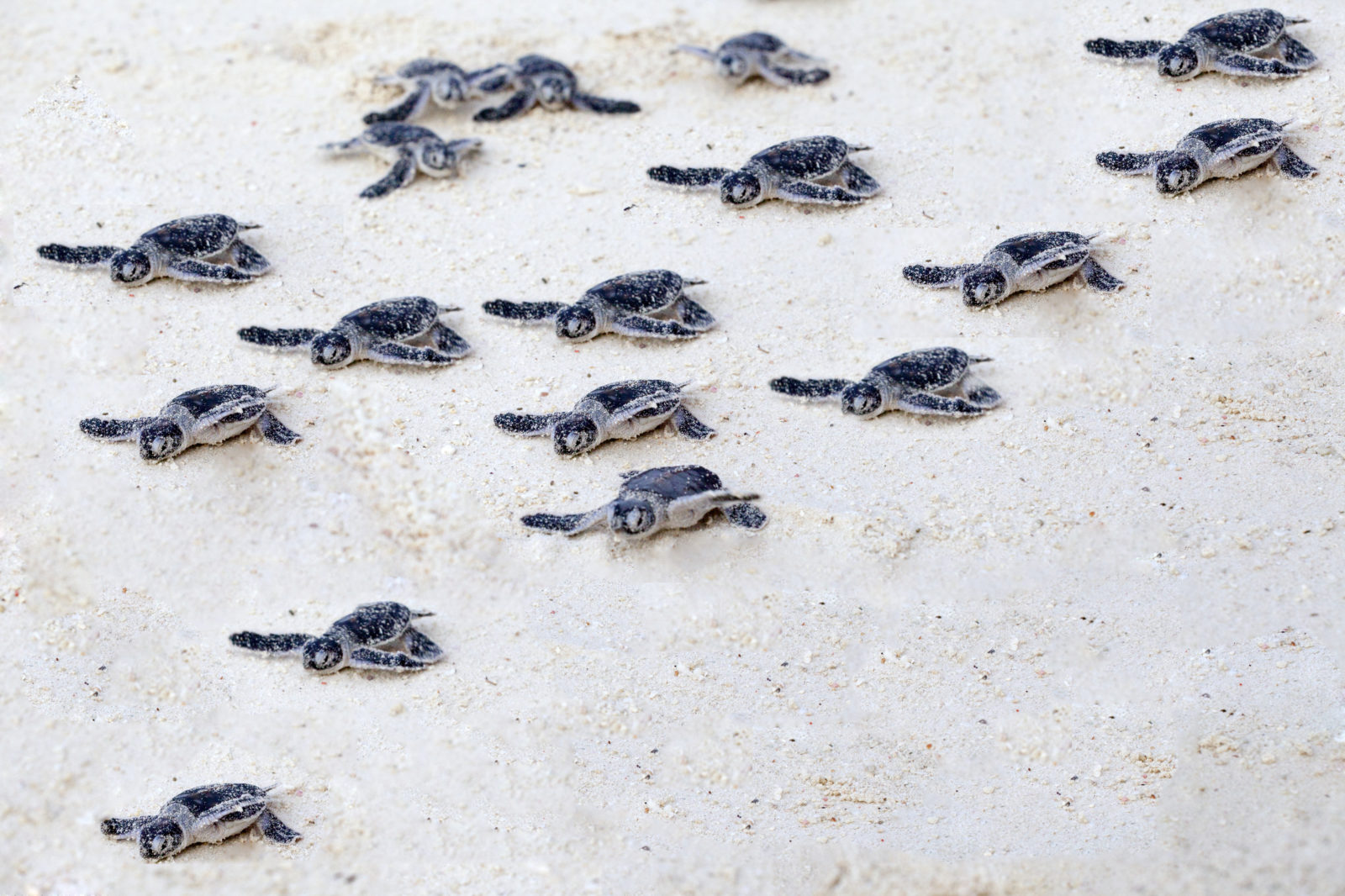
During the late summer along the Texas coast, a collaboration of scientists, national and state park rangers, researchers, conservationists, and volunteers give the ocean a special gift: hundreds of baby sea turtle hatchlings, making their way back to the sea.
There is nothing quite like watching a sea turtle release. It begins before dawn on the beaches of South Padre Island. A few Styrofoam boxes filled with baby turtles are unloaded from trucks. The tiny little turtles are placed in the sand, and while crowds of onlookers standby, cameras in hand, the little creatures begin to flop their way toward the waves.
The turtle releases Texans flock to each summer are part of an ongoing effort to save Atlantic sea turtles, which are dwindling in numbers.
Over the last century, more than 200 species of vertebrates have become extinct. During the 1980s, the critically endangered Kemp’s ridley — the rarest species of sea turtle on earth — was believed to have a population of only 200 nesting turtles, down from tens of thousands just 40 years before.
The United States and Mexico have since developed a binational recovery plan, and the releases are part of that ongoing effort to save the species.
The turtles tend to live in the Gulf of Mexico and prefer warmer waters, but some have ranged as far north as New Jersey and Nova Scotia. They like to live in shallow waters and feed on shellfish, particularly crab, which they dive to the ocean floor to catch.
Those little turtles that flop their way into the breakers at South Padre Island are beginning a journey that will see some of them grow to 2 feet in shell length, weigh up to 100 pounds, and live until they are 50 years old. The long life cycle is part of what makes saving the Kemp’s ridley so difficult.
The female turtles cannot lay eggs until they are about 10 or 12 years old. Once they start laying eggs, they will nest every one to three years. One of the remarkable aspects of this ritual is that the turtles will swim hundreds of miles to return to the same beach where they hatched in order to lay their eggs.
Because the turtles do not lay eggs very often, and because their ability to lay eggs depends on them getting back to their hatching beach, Kemp’s ridley sea turtles encounter many obstacles.
Plans to conserve Kemp’s ridley sea turtles have included:
Commercial fishing fleets must now use “turtle excluder devices,” which help keep turtles out of nets. Still, the species has had trouble rebounding, which makes the annual nesting ritual all the more critical to their survival.
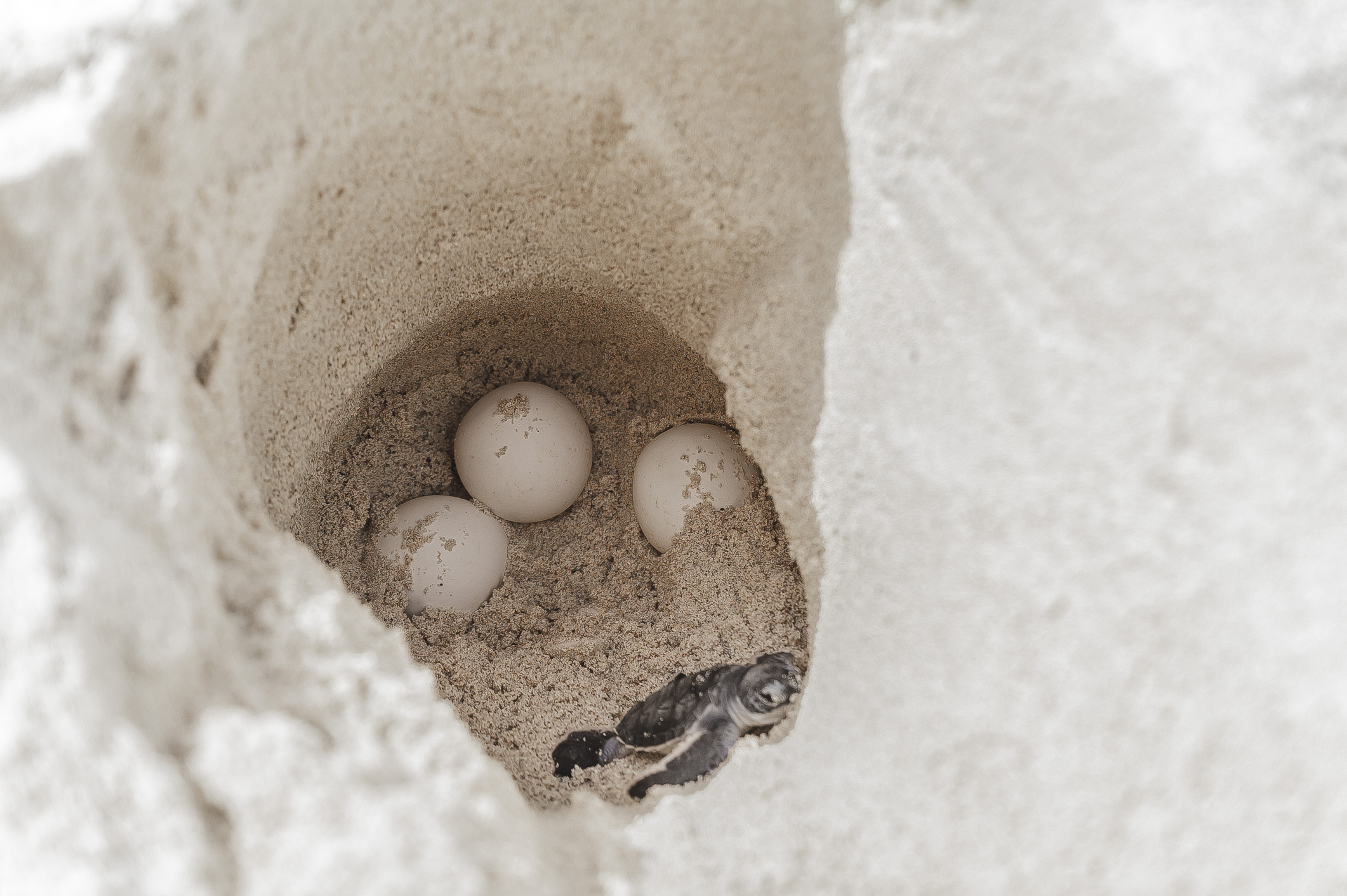
Along the Texas coast, the female turtles begin their march to the shore in April. During the nesting events, called arribadas, they crawl onto the sand, lay their eggs in a hole, and then cover the eggs with sand to help protect them from predators.
The track the female turtle leaves in the sand helps alert conservationists to the location of the nest. The mother turtle never returns to check on her eggs, but Texas conservation officials keep a careful watch over them.
They patrol the beaches looking for signs of nesting, and when they locate the eggs, specially trained staff remove the eggs from their nest and place them in protected areas. These fenced-in “corrals” ensure that the new baby turtles will be born on a beach that will continue to be protected in the coming years, so they can return and lay their own eggs.
Other eggs are moved to incubation centers. The corrals and the incubation centers are closed to the public to help protect the growing turtle embryos. But Texans far and wide travel to see the best part — the release.
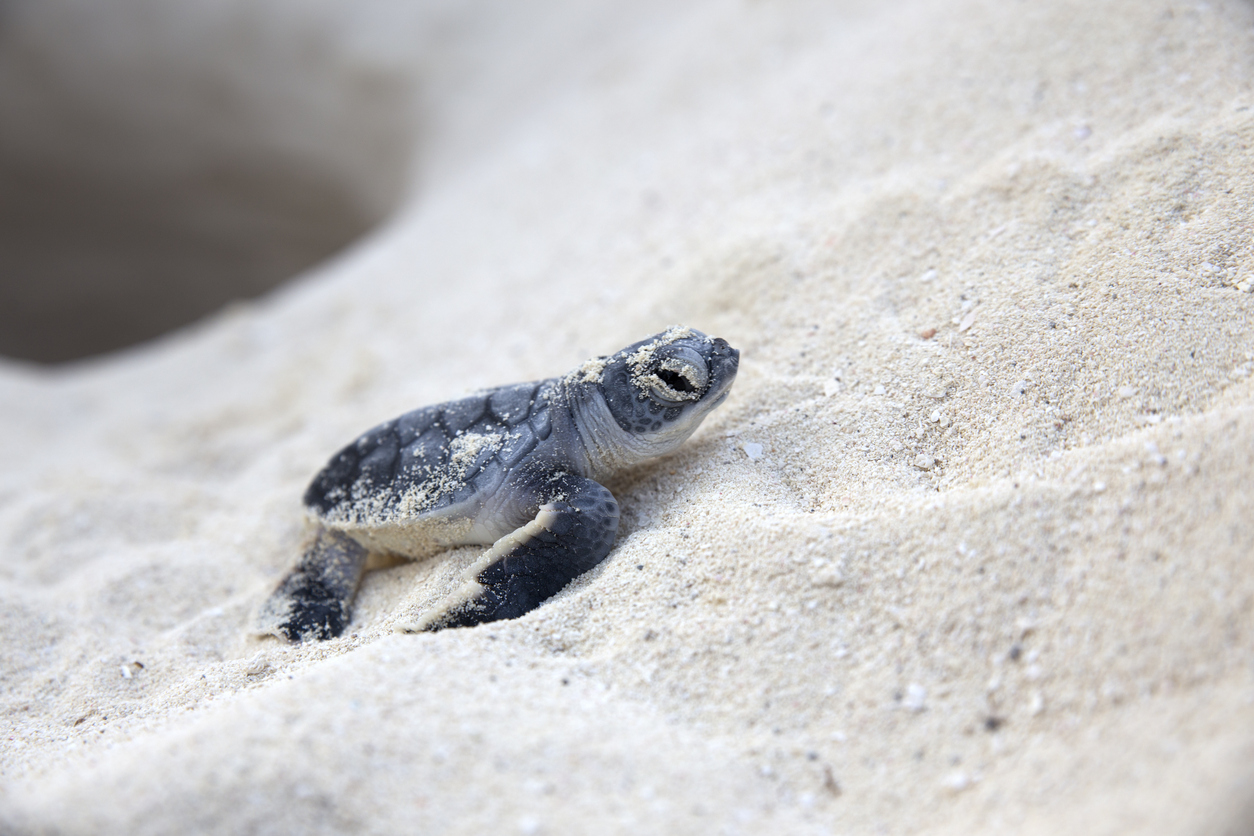
Sea turtle releases occur every summer, from mid-June through August, on South Padre Island.
If you attend a release, there are a few rules of etiquette to keep in mind.
Remember, you’re there to witness a moment in which human science and the wonders of nature join forces to help ensure the survival of one of Texas’ incredible and special animals.
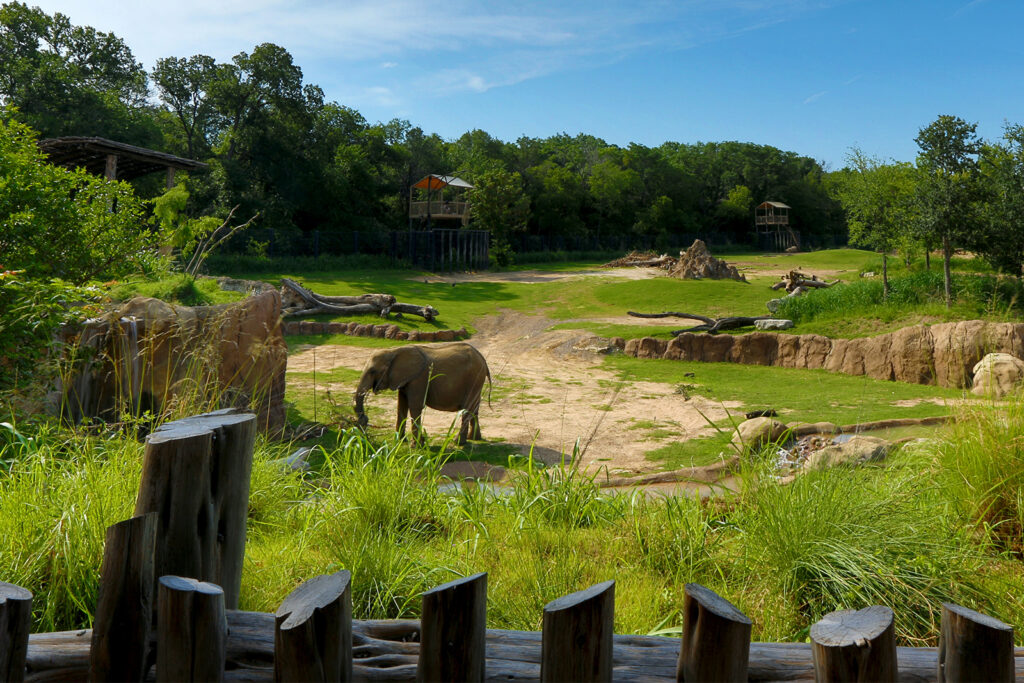
Find out more about Texas’ natural world at Caddo Lake, Palo Duro Canyon, and our state’s 10 best zoos.
Calling All Critters: Creating Wildlife-Friendly Spaces
Embrace your inner Snow White.
How to Recreate Summer Camp at Home
Crafts and games for long summer days.

Rock Out to the Jukebox at Texas State Park Dances
For generations of Texans, nothing has captured that summer feeling like dancing under the stars at Texas’ state parks.

The 4 Coolest Spots for Italian Ice in Texas
These ain’t your gas station’s slushies.
It’s time to hit the road and go hog-wild on a tour of the state’s best zoos.
Cool Water Destinations in Texas
Aquatic adventures await.