
A Beginner’s Guide to Modern Homesteading
We live in increasingly complicated, complex, connected, and, sometimes, downright chaotic times. Over the past two decades, technological innovations like easier internet access and social media have radically transformed our lives. Today, anything we desire can be found at the click of a button and shipped rapidly to our front doors. We sometimes know more about the intimate lives of strangers living on the other side of the planet than the neighbors on our block. It doesn’t come as a surprise, then, that amid this surge of convenience commercialization, a movement has taken hold to embrace a simpler form of living from the past.
The term “homesteading” conjures images of pioneers, log cabins, and verdant fields. But contemporary homesteading is more about creating personal sanctuaries for those desiring a more self-sufficient, intentional existence. While the popular idea of a homesteader involves families or couples who have taken their lives off the grid, staking out rugged existences in remote places, the reality is many people have incorporated aspects of the homesteading lifestyle into their daily routines. You don’t have to buy a cabin in the woods to embrace this way of life. The ethos of homesteading can be applied in an Austin apartment just as it can in Appalachia. It’s more about a state of mind. Welcome to the 21st-century frontier.
Origins of Contemporary Homesteading
The term homesteading came into popular use in the mid-19th century when the United States passed the Homestead Act of 1862. As the Civil War waged, the nation turned its collective eyes to the great expanse of Western lands that had yet to be settled by Anglo- and European Americans. Traditionally, new settlements were created by groups of people establishing rural villages or communes; the Homestead Act offered any American 160 acres of free land if they were willing to cultivate it. The gift spurred the period of rapid Western expansion.
Life in these remote places was often difficult, and it required a high level of self-sufficiency. The senses of autonomy and rugged self-determination inform the values of the contemporary homesteading movement. Modern adaptations of the homesteading lifestyle have their roots in eras like the Great Depression, when some Americans abandoned jobless lives in crowded cities to try their luck on the land, and World War II, when victory gardens were promoted as a patriotic duty. During the 1960s, the countercultural movement reimagined ways of living that moved away from consumerism and commercialism. The back-to-the-land movement was born.
Family farms are a key contributor to the U.S. food system, providing most Americans with their daily produce needs. Today, modern homesteaders aim to tap into aspects of this hard-working lifestyle and learn elements of self-reliance and mindful living, no matter the location. Urbanites can grow vegetables in balcony planters, suburbanites can install solar panels, and rural dwellers can tap into traditional crafts like spinning wool.
What Drives us Back to the Land?
Mindfulness
Amid the chaos, homesteading serves as an anchor. Activities like canning, woodworking,
or gardening require concentration and offer respite from digital noise.
Environmental Care
From composting to solar power, homesteading aligns with the ideals of protecting the land we live on.
Resilience
There’s a satisfaction in knowing you can make do with what you have, be it making soap or repairing a bicycle.
Beginner’s Guide To Modern Homesteading
From the outside, homesteading can seem intimidating. How do you amass the skills necessary to eke out a self-sufficient life? What kind of special tools and gear do you need to get started? How do you find the time?
The best way to start is to take it slow. You don’t need to go from zero to off the grid immediately. Instead, incorporate manageable new habits into your daily routine, and remember: The whole appeal of homesteading is that it offers a way to be more intentional and restorative about the way you live. If the homesteading bug has bitten, here are a few ways to begin.
STEP 1: BE EAGER TO LEARN
Even if you are ready to go all in on a homesteading lifestyle, one characteristic of successful homesteaders is that they know they are never finished learning. You will continually cultivate new skills or perfect your methods and techniques to meet your needs. After all, this is what makes homesteading so appealing: It is a way to stay curious and continually learn about who we are, what we are capable of, and how we live.
STEP 2: CULTIVATE ESSENTIAL SKILLS
Even if you dream of living on several acres of land that support yourself and your family, you can start your homesteading journey by learning and practicing some essential skills long before you sign the deed to that property.

1. Homemaking: Ditch the dishwasher and washing machine by hand-cleaning your dishes and clothes. You’ll find plenty of online resources that can also teach you how to make laundry detergents, household cleaners, and soap. This can be a simple and empowering way to quickly start disconnecting from some energy-intensive appliances and consumer products we use daily.

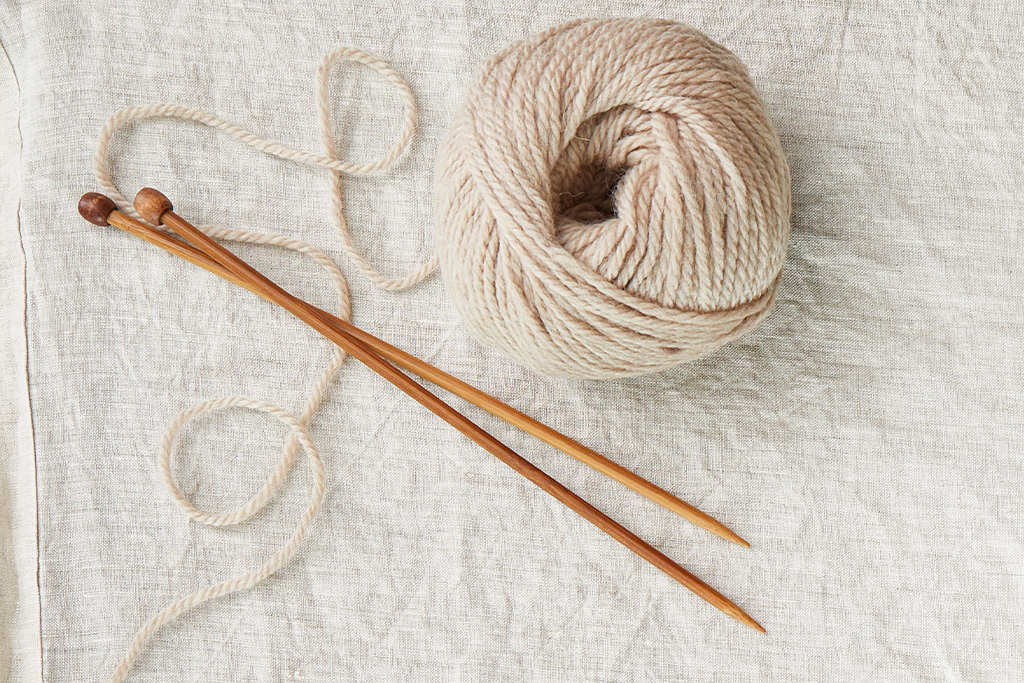
2. Clothing: You don’t need an acre of land to practice your sewing, crocheting, or knitting skills. While these practices have become popular hobbies, mastering them will help you extend the life of your clothes and begin to create unique, handcrafted items to replace some store-bought essentials like hats, gloves, and scarves.

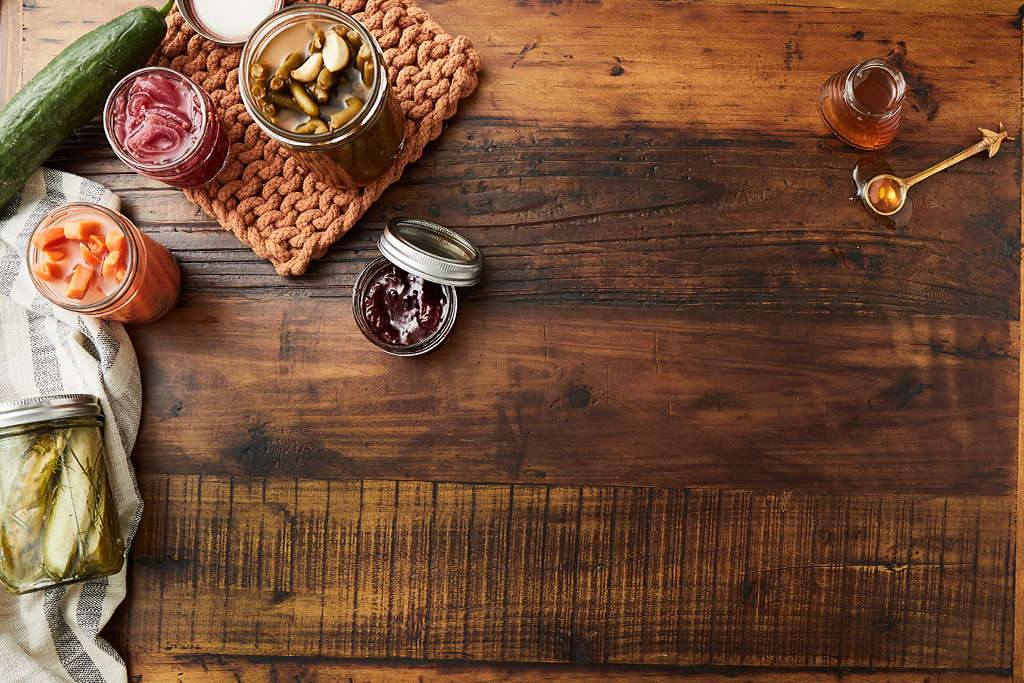
3. Food Preservation: Knowing how to preserve and reuse produce is imperative, especially when your home garden starts churning out delicious fresh fruits and vegetables. Start by learning how to can your produce using a water bath or pressure methods, as well as curing, smoking, and dehydrating foods. Long before refrigeration, smoking and curing were standard practices to preserve meats, and dehydrating can extend the life of the fresh herb gardens that begin on your windowsill.

4. Carpentry: Learning to handle basic tools can enable you to repair and build simple structures. Begin by finding a local organization that offers classes or see if any local carpenters are open to taking on an apprentice. You’ll soon find that tackling your home repair projects will make you feel more empowered and confident.

5. First Aid: Knowing how to deal with minor medical issues can be invaluable when striving for self-sufficiency. Basic first-aid and CPR courses and certifications are widely available, and they will provide a foundational understanding of simple, life-saving medical techniques. Seek out home remedies and other medicinal practices that can help alleviate common symptoms and ailments to reduce dependence on pharmaceuticals.
STEP 3: REIMAGINE YOUR PANTRY
Nowadays, keeping a stocked kitchen is not as all-consuming for most as it once was hundreds of years ago thanks to the diverse and widespread network of farmers markets, grocery stores, and restaurants. While the convenience and availability of a great range of foodstuffs is an incredible benefit of our modern world, homesteading offers an opportunity to grow an appreciation for and deeper understanding of what we consume and where it comes from.
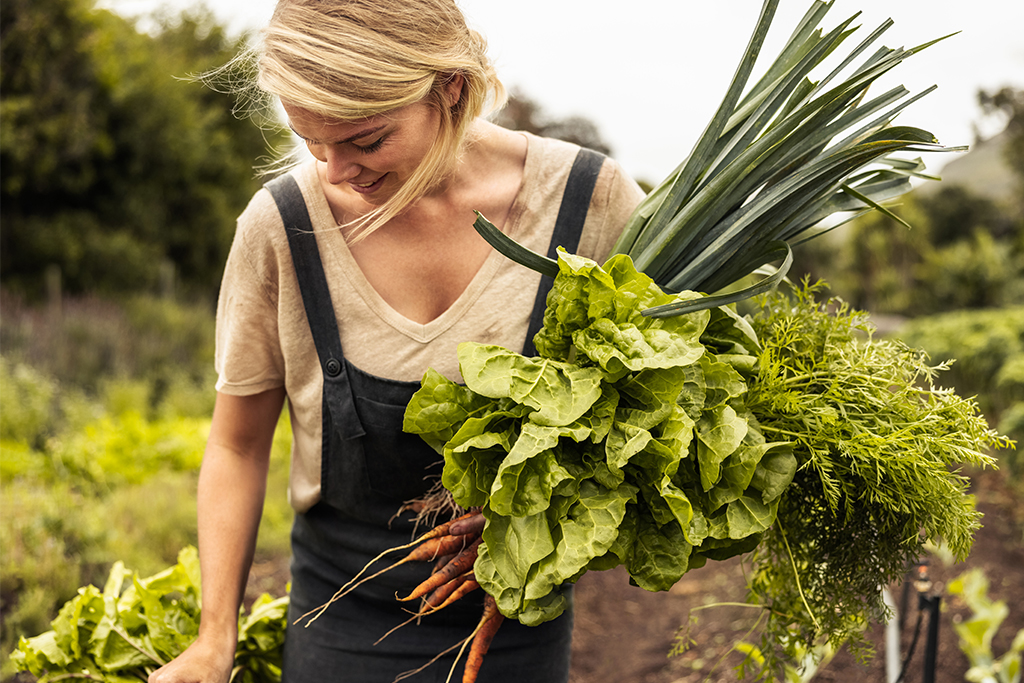
1. Start a Garden: Start small and simple if you don’t yet have a green thumb. Easy-to-grow vegetables include roots like carrots and radishes, as well as tomatoes, green beans, and cucumbers. Start here and get a few healthy seasons of crops under your belt, and you’ll soon have the confidence to branch out, so to speak.
2. Produce Your Own Food Staples: We are so used to grabbing essential items from the local supermarket shelves that many of us don’t realize how easy it is to bake our bread or make our own butter, yogurt, and cheeses. Dedicate a weekend afternoon to the tasks, and you’ll quickly learn to turn a few gallons of raw milk into delicious, handcrafted dairy items.
3. Source Local Foods: Even before you have your own garden or small herd of goats, you may find fresh, locally produced foods in your community. While the ethos of homesteading emphasizes self-sufficiency, the movement’s popularity has led to many homestead communities helping locals source essentials. Join a food co-op or build relationships with nearby farms to access locally grown fruits and vegetables, raw milk, and sustainably harvested meats.
4. Start a Backyard Chicken Coop: The simplest gateway into animal husbandry is the backyard chicken coop. Chickens are relatively easy to care for, do not require much space, and coops can be built easily or created with recycled materials. Plus, there’s nothing like heading out in the morning to collect fresh eggs for breakfast. Read more about starting a chicken coop.
5. Fall in Love with Fermenting: Fermenting may sound intimidating, but it is an essential homesteading skill that helps preserve foods and creates delicious, new, health-boosting concoctions. All you need are a few simple tools — vessels, fermentation weights, an airlock, and a sauerkraut pounder for packing things tight — and you’ll be on your way to a culinary adventure. In addition to fruits and veggies, milk, eggs, meat, grains, herbs, and honey can all be preserved with fermentation.
STEP 4: MOVE TOWARD ZERO-WASTE LIVING
Zero-waste goes beyond your trash bin. A thoughtful zero-waste strategy strives to reduce the energy we consume and eliminate the unseen ways toxic contaminants enter the ecosystem.
1. Energy: Advances in technologies have helped homesteaders unplug from the grid.
2. Rethinking Laundry: Creating your own laundry detergent, washing with cold water, and line-drying your clothes are all simple ways to reduce energy consumption and unintended runoff from common cleaning products.
3. Composting: One of the easiest, most environmentally friendly habits you can cultivate is composting food scraps and waste. Not only does this keep food items out of landfills, where they transform into potentially harmful methane, but composting provides you with the essential tool for restoring and nurturing healthy soils. You don’t even need any special gear. A simple compost pile in a quiet corner of the yard will quickly begin producing the good stuff.
4. Quit the Plastic: From switching to reusable containers and glass jars to cutting out water bottles and soft drinks, cutting down on plastic consumption will go a long way to eliminating the amount of trash your household creates.
5. Upcycling: Go beyond recycling. The concept of upcycling involves taking items typically thought of as trash and using them for new, more permanent uses. Old tires could be turned into a garden liner. Plastic bottles can be turned into pots for an herb garden. Old fabric can be repurposed as gift wrap or cleaning rags. Let your imagination run wild.
STEP 5: ACHIEVE NEXT-LEVEL HOMESTEADING
It might not have been easy, but you’ve done it. You’ve spent months or years learning some essential homestead skills and may have gained a newfound appreciation for the hard work that goes on behind the scenes to create a successful food system along the way. You’ve found ways to transition your
life and income to a place where living more disconnected from modern society is possible. Maybe you’ve even found land with everything you need to cultivate a self-sufficient lifestyle. And now you’re ready to take the plunge.
Here are a few considerations to keep in mind before finalizing your homestead.
1. You Have a Plan. All successful homesteaders have a firm sense of what they are trying to accomplish. A one-size-fits-all plan does not exist. Perhaps you are happy simply growing more of your own food and preserving it. Or maybe you dream of going entirely off the grid and producing all your own food and energy. No matter your ambition, know upfront what you hope to accomplish so you can prepare to achieve it.
2. You Are Debt-Free. One of the things that keeps us tied to our modern lives is the need for regular income, and a significant driver of that need is debt. Being debt-free is important if you hope to live fully off the grid. This doesn’t mean that you must give up an income altogether. Many homesteaders make ends meet by offering their unique set of skills and services to bring in revenue that supplements what they can produce on their own. This is more difficult,
3. You Found Your Property. The kind of property you pick will reflect the scale and ambition of your homestead plan. Do you want to maintain a herd of cattle? Do you plan to grow some or all your food? Can your property provide energy or water? Do local zoning and permitting codes allow for your lifestyle or the construction of new structures you may need to realize it? Before settling on your dream land, do your research.
4. You’ve Learned Husbandry. Most homesteaders keep some animals on their property. This could be as simple as a chicken coop or a range as extensive as a herd of beef cattle or dairy cows. Not only will these animals help provide the required food, but they can also double as an additional source of income. Before going all in, you should learn to properly care for and attend to the animals you hope to keep. And if you eat meat, learning to dress and butcher livestock is an essential skill you must know.
5. You Have a Food Strategy. Not all homesteaders live entirely off the food they produce themselves. However, all successful homesteaders have a clear plan for sourcing their food. This may include building a community with other homesteaders who produce foodstuffs that can be bartered or shared. This may include learning beekeeping to produce honey or focusing on a crop that can be preserved or turned into jams to sell.
Homesteading Trends
1. Connection
As people become more aware of how contemporary society often limits interaction with the natural world, more are turning to homesteading to reconnect with nature.
2. Urban Homesteading
No longer contained to the dream of rural life, urban dwellers are increasingly finding ways to incorporate homesteading skills and habits into their lives.
3. Permaculture
Homesteaders are not just looking to grow their food, they are exploring ways to cultivate the earth in self-sustaining, eco-friendly ways.
As you acquire land or animals to build your homestead, it’s important to ensure you have the proper coverage. Learn more from our Agents, who answered some of the most common questions about farm and ranch insurance.
© 2023 Texas Farm Bureau Insurance