
How to Vet Home Contractors
Most contractor horror stories don’t start out with an obvious villain — they start with rushed decisions, vague paperwork, and a homeowner trying to be “easy to work with.” Now, you don’t need to be downright difficult to avoid a snafu, just diligent in your contractor hiring process.
As you start eyeing your home maintenance to-do list, use these best practices to avoid getting scammed or stuck with a half-finished job.

Carefully Read Reviews and References
At first glance, a sea of five-star ratings looks reassuring — but take a closer look. Were all the reviews posted suspiciously close together? Does the wording feel copy-and-paste? Are there many reviews from profiles that have only ever posted one review? Those are signs of paid feedback.
Weigh recent reviews most heavily, since crews and ownership can change over time. And look for details across multiple platforms. Reviews that mention specifics, such as scope, schedule, and how problems were handled, are more trustworthy than “Great job!” with no context.
Pro tip: Skim the worst reviews first and see what patterns emerge and how the business responds. A calm, factual response suggests professionalism. Defensive, insulting, or blame-shifting responses usually mean more drama later.
It’s perfectly reasonable to ask the contractor for at least three references from people who hired them for a similar project type and size in the last six to 12 months. When you contact references, you’re not just listening for praise — you’re listening for how the contractor behaves when things get complicated.
Questions to ask:
- Did they finish on time? If not, why?
- Did the final price match the estimate? If not, what changed?
- How did they handle problems or surprises?
- Was the crew respectful and clean?
- Was any warranty work needed, and did they come back quickly?
- Would you hire them again?
Bonus: Ask for before/after photos and, when appropriate, addresses you can drive by to look at exteriors, including roofs, concrete, fences, or siding.
Obtain Multiple Estimates in Writing
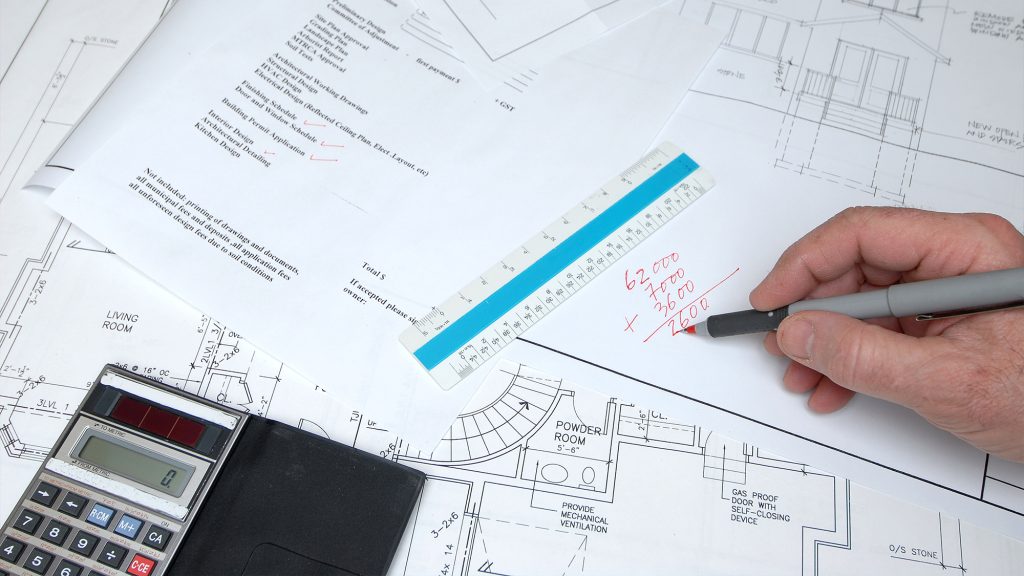
Get at least three quotes (more if it’s a large remodel). Don’t automatically choose the lowest — use the set of estimates to understand the realistic range. The key is making sure you’re comparing apples to apples: the same scope, material specifications, prep work, timeline, payment schedule, and warranty terms.
Push for clarity on vague line items such as “labor: $8,000” with no breakdown. If one quote is dramatically lower, it often means something is missing from the scope, cheaper materials are assumed, or the contractor expects to make it up through change orders later.
A word of warning: The fastest way projects blow up is saying, “We’ll figure it out as we go.” Written change-order rules — what triggers a change, how it’s priced, and when it must be approved — keep budgets from drifting far beyond what you agreed to.

Verify Licenses and Insurance
If you’ve found someone you’d like to work with, there are a few critical steps to take and details to confirm before signing any agreements.
First thing, get definitive proof that the contractor is licensed. Texas does not have a statewide licensing system, but our cities and counties do. Ask for their license number and look it up on your local licensing board site to ensure it is active and in the correct trade. (A plumbing license does not qualify a contractor to do electrical work.) Make sure the license is issued to the same business name as on your quote and contract. Dishonest contractors sometimes “borrow” a buddy’s license number to look legitimate on paper.
Next, confirm required permits. If the job is electrical, plumbing, or structural, ask who is pulling the permit. In most cases, the contractor should handle this. If they push you to skip permits or suggest you pull them yourself so they can “stay out of it,” that’s a big red flag. Permits aren’t just bureaucracy; they help ensure work is inspected and up to code.
Ask for a certificate of insurance (COI) sent directly from their agent if possible. Look for general liability (covers property damage) and workers’ compensation (covers injuries).
For bigger jobs, check for proof that the contractor is bonded. A bond is a third-party guarantee that if the contractor doesn’t finish the job or pay subcontractors, or violates licensing rules, there may be funds you can claim against (up to the bond limit). If subcontractors will be involved, confirm they’re properly licensed and insured too.
Before you call a contractor, check whether what you need done is a simple DIY. Our guide breaks down some common projects even beginners can tackle.
 premium
 premium