
Please sign in as a member or guest below to access it.
Please sign in as a member or guest below to access it.

And how to prevent them.

Warmer weather definitely brings out the good vibes, but hanging outside in the sun isn’t always just fun and games. Along with the risk of a painful sunburn (consider this your reminder to wear sunscreen daily), high heat and humidity can lead to serious health concerns and heat-related emergencies. Research shows even 10–15 minutes of unprotected sun exposure can leave skin red and sore, and longer stretches raise the risk of sun poisoning, heat exhaustion, and heatstroke.
The good news is a few simple precautions can go a long way: Spend time in air-conditioned spaces when you can, take regular breaks from the sun, watch for extreme heat warnings, and drink more water than usual. Still, the heat can get the best of us, so it’s important to know the warning signs of heat-related illness and how to respond if they appear.
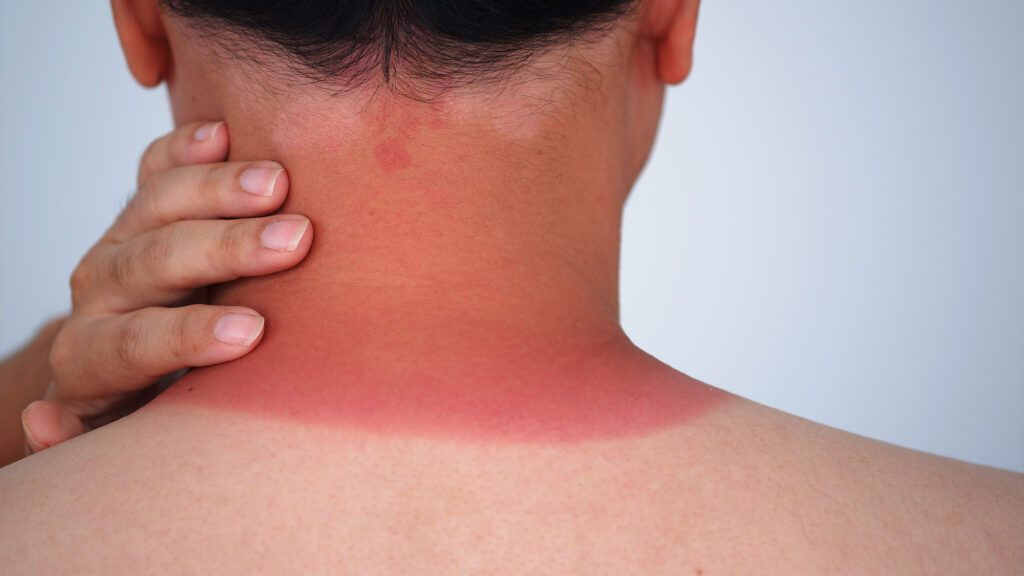
Sun poisoning is one of the first serious risks from overexposure. It can show up as red, painful-to-the-touch, blistering, or swollen skin, along with fever or chills, fatigue, nausea, cramping, headache, dehydration, dizziness, or confusion. If symptoms appear, the priority is to get indoors right away and begin cooling the body with lukewarm showers or baths. Gently washing the skin with mild soap can help prevent infection, and rehydrating with water and electrolytes is key.
Soothing remedies, such as placing aloe vera, cold compresses, or even cold yogurt on the skin, may help ease discomfort. Over-the-counter pain relievers such as ibuprofen or acetaminophen (if approved by your physician) can also help reduce pain and swelling. If symptoms worsen or don’t improve, it’s important to seek medical care.
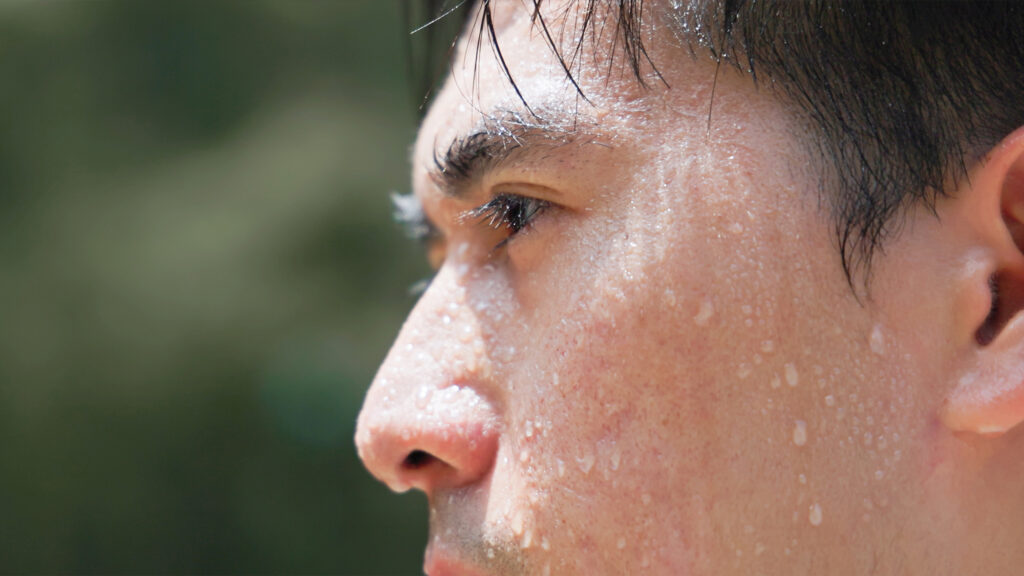
Heat exhaustion is another warning sign that the body is struggling to regulate temperature. It often presents as cool, moist, pale or flushed skin; heavy sweating; an elevated body temperature between 101 and 104 degrees Fahrenheit; headache; nausea; dizziness; weakness; and an elevated heart rate.
If someone begins to vomit or lose consciousness, call 911 immediately. Otherwise, move them to a cooler environment, have them lie down, loosen tight clothing, and help cool their body with fans or damp cloths. Small sips of cool water or electrolyte drinks can also help if they are fully alert and able to drink.
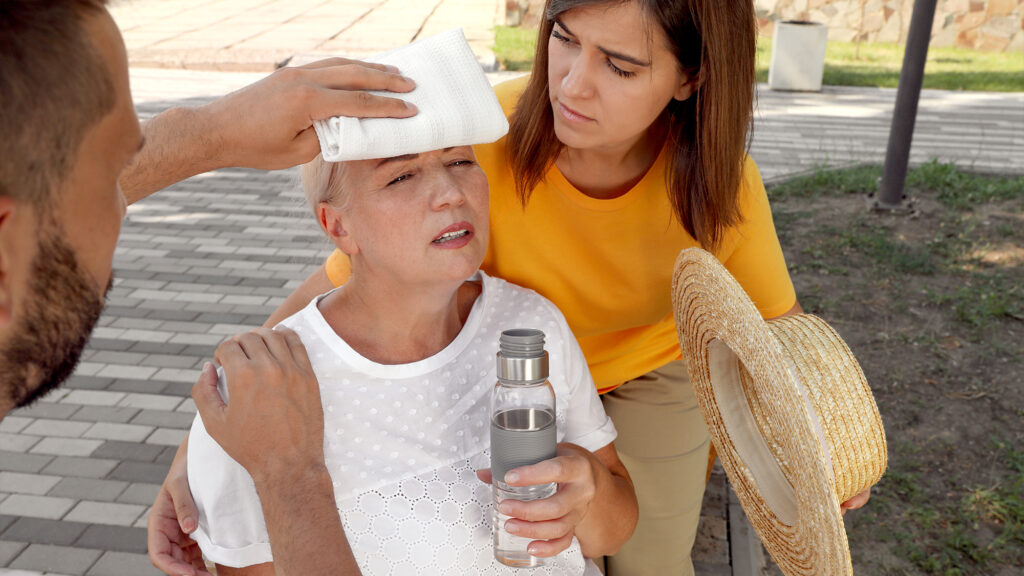
Heatstroke is the most severe heat-related illness and requires immediate emergency attention. Warning signs include a body temperature above 103 degrees Fahrenheit, hot or dry skin, a strong and rapid pulse, severe headache, confusion, dizziness, nausea or vomiting, and possible loss of consciousness.
If heatstroke is suspected, call 911 right away. While waiting for help, move the person to a cooler location and use cool cloths or a cool bath to begin lowering body temperature, but do not give fluids. Prompt medical care is critical.
How to Avoid an EmergencyThe best approach to prevent a heat emergency, of course, is prevention. Avoid prolonged sun exposure and strenuous activity during peak heat hours, typically between 10 a.m. and 4 p.m. Dress in lightweight, light-colored, loose-fitting clothing, and don’t forget a wide-brimmed hat and sunglasses. Wear broad-spectrum sunscreen with at least SPF 30 and reapply every two hours. Stay consistently hydrated with water and electrolytes and take frequent breaks in shade or air conditioning when needed. It also helps to identify nearby cooling spots, such as libraries, community centers, or splash pads, especially on the hottest days.
Finally, keep an eye on weather alerts and check in on friends, family, and neighbors — especially those who may be more vulnerable to extreme heat, such as young children or seniors. Paying attention to early warning signs and acting quickly can make all the difference when temperatures rise.
Before things heat up, review our guide with best practices to staying cool in Texas.
How to Avoid AI-Scams This Holiday Season
Baby, it’s bad out there.
Protection From Lightning Strikes
Some acts of nature are not covered under your normal policies.

How to Stay Safe on Your Next Hike
Ready to hit the trail?
Hydration Tips to Help You Drink More Water
Why is staying hydrated so hard?
Prep Your Home for Texas’ Next Ice Storm
Don’t get left out in the cold.
The future is here, and it lets you remote control your home.