Please sign in as a member or guest below to access it.
Please sign in as a member or guest below to access it.

Here are a few things you can check off the list yourself.

Barring any obvious bumps, drags, or unsettling noises, most of us don’t think much about vehicle maintenance until a warning light glows on our dashboard. But your vehicle will run best if you invest in an annual checkup.
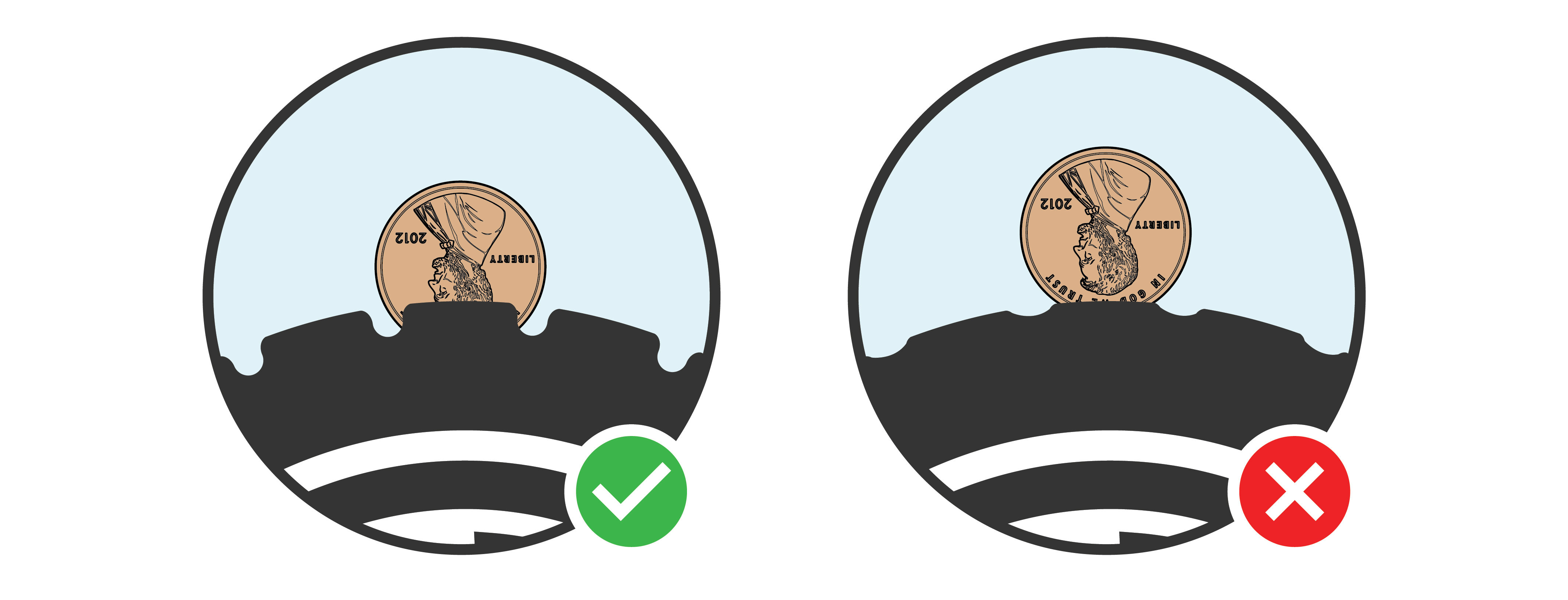
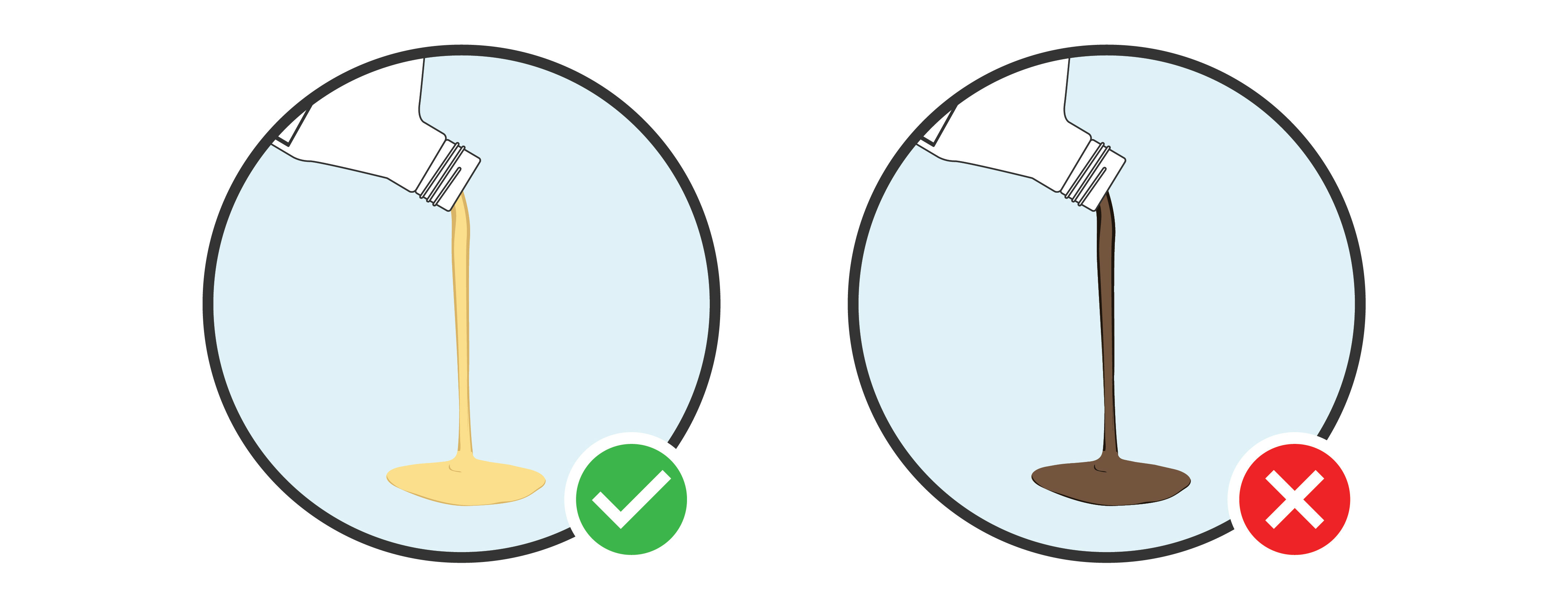
Though you should always take your car to a mechanic for a thorough examination, there are a few checks and repairs that you can perform yourself. Here’s a car-maintenance checklist that may save you some time and money at the service center.

Texas Farm Bureau Insurance auto policies renew annually, which is a great time to discuss with your Agent any changes and discounts that go into calculating your anticipated monthly premium for the next year.
Kathy Bledsoe, a Texas Farm Bureau Insurance county secretary in McKinney, recommends being proactive with your policy and asking your Agent questions about how to qualify for discounts or how to reduce costs.
“We send out a pre-renewal notice that tells policyholders what their premium will be at their renewal. This ensures you have enough time to make sure everything is correct before your first bill arrives,” Bledsoe says.
Contact your Texas Farm Bureau Insurance Agent after you receive this notice to learn more about renewing and updating your insurance policy.
Coverage and discounts are subject to qualifications and policy terms and may vary by situation. © 2020 Texas Farm Bureau Insurance

A Guide to Encountering Texas Wildife
What to do and what not to do.

It’s the era of scams, hackers, and data mining. How do you protect yourself?
Wake-up Call: Drowsy Driving Can Have Dire Consequences
With Texas' unpredictable winter weather, it’s important for Texans to be aware of the dangers of drowsy driving.

What to Do in Heat Emergencies
And how to prevent them.

Since credit and debit cards have adopted the microchip, thieves have adapted their sinister approaches.
How to Prevent Cold-Weather Road Accidents
Winter is coming. For your car.