Please sign in as a member or guest below to access it.
Please sign in as a member or guest below to access it.

Is your chim chim cher-ee in top shape?
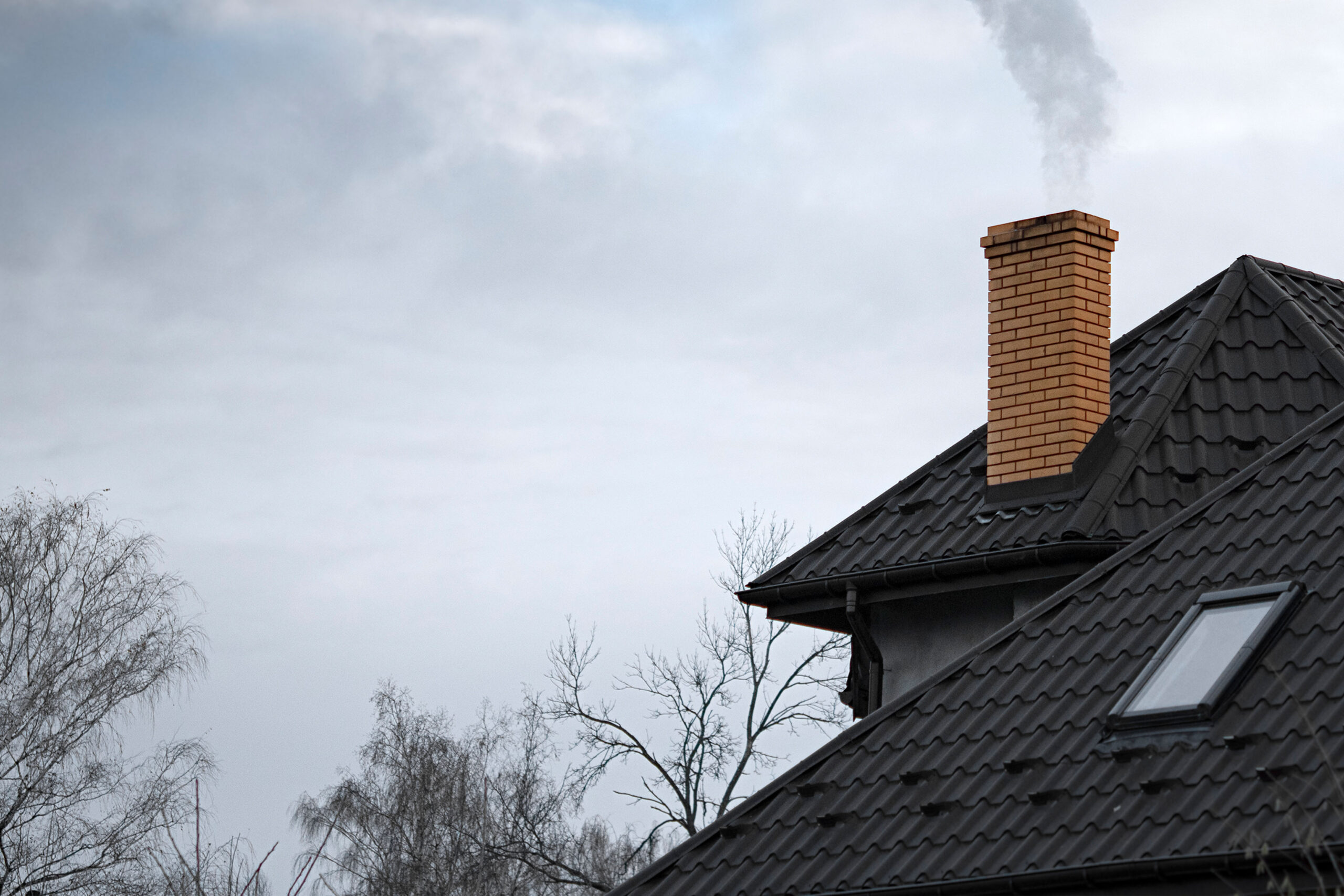
For many, the words “chimney sweep” evoke images of a cheery, soot-covered man tap dancing on rooftops across London. But chimney sweeps are more than the beloved character of a classic Disney musical number — they’re professionals ensuring your chimney stays a source of warmth and comfort through winter, as opposed to a fire hazard.
It’s important to have your chimney regularly inspected and swept to ensure it functions properly. Song and dance are optional.
According to the National Fire Protection Association, the leading factor contributing to home heating fires is failure to clean the heating equipment (primarily chimneys). Getting your chimney cleaned is important for ensuring the safety of you and your family. When creosote, a byproduct of burning wood, accumulates in the chimney, it can ignite and cause a fire. A chimney sweep can remove this buildup, reducing the risk of a chimney fire.
Chimney inspections are also important because they can identify any problems with your chimney, such as cracks or damage, that could cause it to malfunction or become unsafe. For example, a cracked chimney liner can allow carbon monoxide and other dangerous gases to leak into your home, which can be deadly. A chimney sweep or inspector can identify and repair these issues before they become a serious problem.
The frequency of inspections and sweepings will depend on several factors, including:
As a general rule, wood-burning chimneys should be inspected at least once a year and swept as needed. If you use your fireplace or wood-burning stove frequently, you may need to sweep it more often. Gas-fired chimneys typically do not need to be swept as often, but they should still get inspected at least once a year to ensure they are safe and in good repair.
Chimneys with tight bends or narrow flues can be more challenging to clean and may need to be swept more often. Similarly, chimneys that are used to vent appliances, such as furnaces or boilers, may need to be inspected and cleaned more frequently due to the higher levels of combustion byproducts they produce.
If you notice any of the following, have your chimney checked out by a professional:
If you’re hearing noises in your chimney and it doesn’t sound like Santa, but more like a chirping or chittering, you may have someone nesting in your chimney. It’s important that you contact a wildlife rehabilitator before attempting a wildlife rescue on your own. These trained professionals will be able to safely move wildlife without endangering them — or you and your home.
If you just moved into a new home with a chimney, or it’s been a year since yours had a good scrub, schedule an inspection and cleaning before lighting a fire.
Do you know the ins and outs of wood-burning fireplace and stove safety? Find our full guide here.
Here birdy, birdy, birdy.

How to Germinate Seeds Ahead of Spring
Get your garden going (and growing) today.
Looking for a quick way to improve both your indoor air quality and your mood? Green up your home with these indoor gardening tips.
How to Make Your Roof Last Longer
Keep your home’s crown in prime condition.
Six methods to keep yourself, your home, and your family safer.
Cold-Weather Herbs to Keep In Your Kitchen
These hardy herbs can outlast the frost and keep your garden green all winter.