
Please sign in as a member or guest below to access it.
Please sign in as a member or guest below to access it.

Texas is famous for foundation problems. Here’s what to look for.
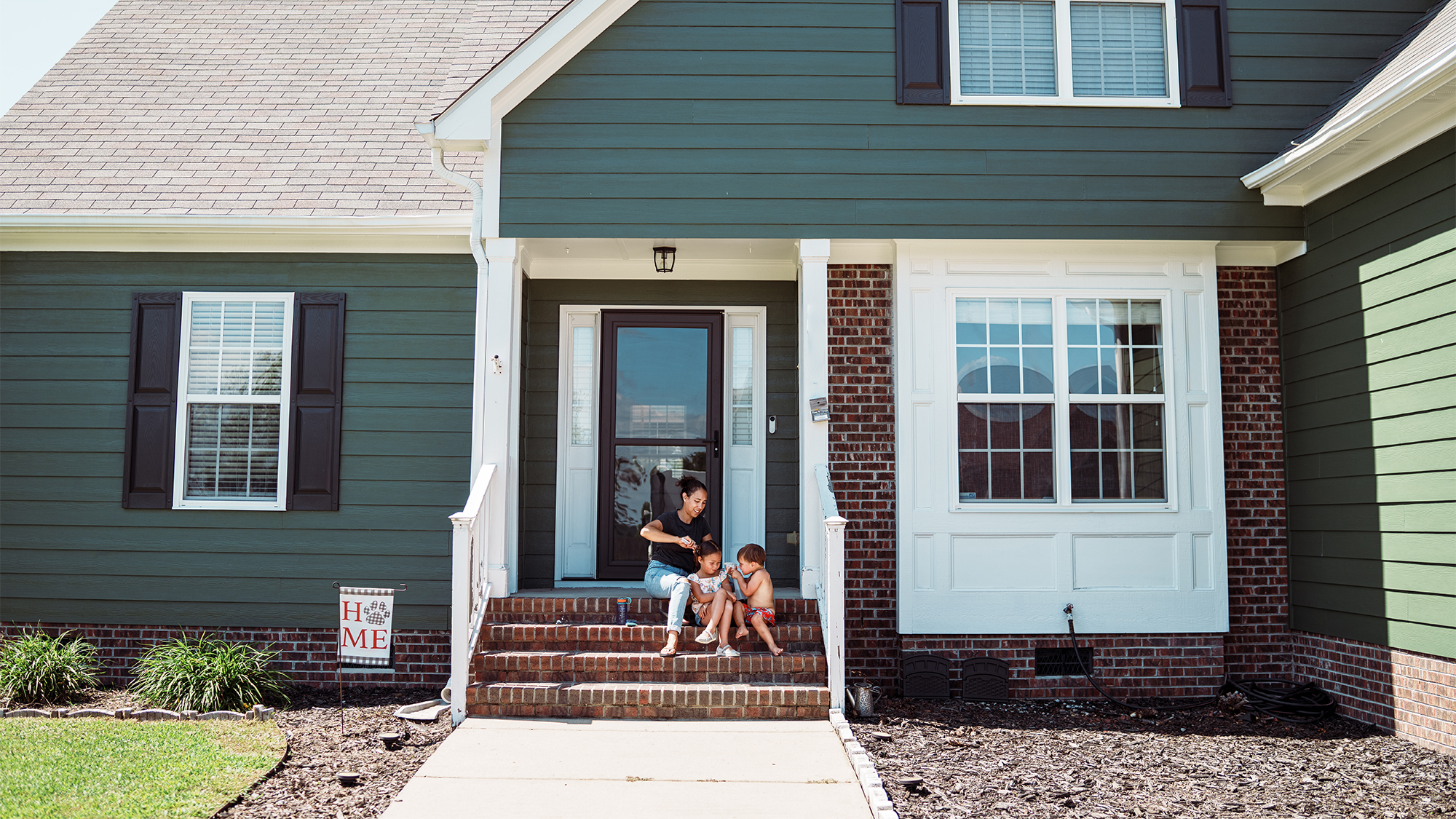
In Texas, homes and foundation problems are pretty much a package deal. Texas’ expansive clay soils, long droughts, and extreme temperatures create conditions that cause nearly every home’s foundation to shift over time, no matter where you live in the state or how old your home is.
Foundation repairs are among the top three most expensive home repairs (along with HVAC and roofing) and can run homeowners between $3,000–$5,000. Depending on the severity and your foundation type, that price could jack up even higher.
Regular inspections, both by the homeowner and a professional, are the best way to avoid high bills. Not every crack is a sign of major trouble, of course, but recognizing the warning signs can help homeowners mitigate lofty repairs and a whole lot of trouble.
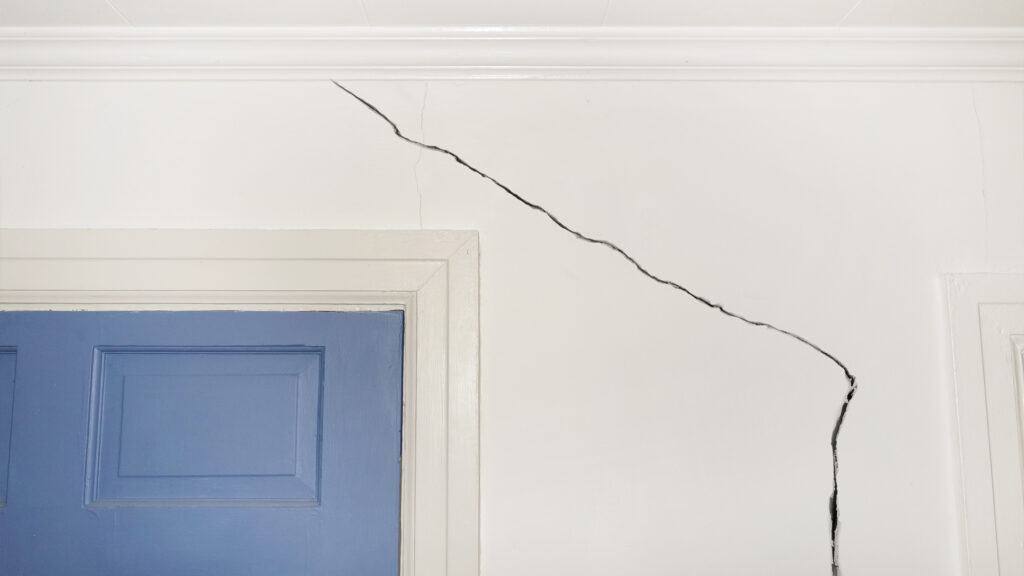
Here are four telltale signs that your home has foundation issues.
Cracks: The most common indicator of foundation movement is cracking: drywall, brick, concrete, or around door and window frames.
Uneven Floors: This suggests that one side of your home has settled differently than the other.
Jammed Doors or Windows: Doorways and windowpanes that are suddenly sticking closed, failing to latch properly, or appear misaligned indicate foundation problems.
Drainage Issues: Poor drainage, standing water, or inconsistent moisture levels around the home can place incredible stress on the foundation.
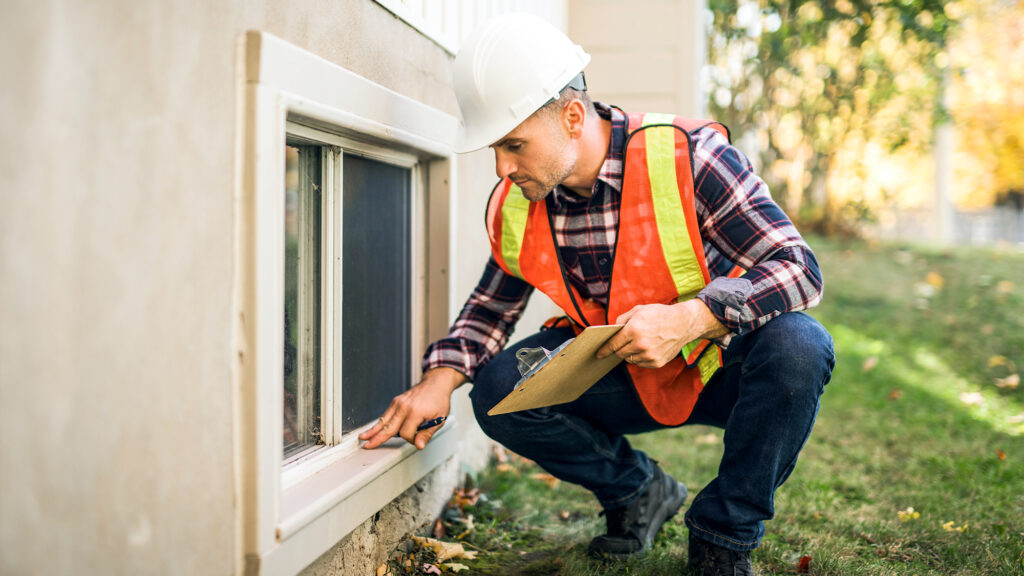
If you suspect a problem, a professional inspection is the first step. Inspectors typically examine both the interior and exterior of the home, looking for evidence of an underlying foundation problem: cracks, uneven floors, gaps around doors and windows, signs of soil movement, and moisture-related issues.
The inspector may recommend a variety of repair methods, depending on the severity of the problem and the type of foundation. Most commonly, you’ll need to stabilize your foundation with piers (structural supports driven deep into the ground to prop up your foundation).
But unfortunately, foundation problems rarely stay isolated, even after a repair. If a shifting foundation affected your walls, floors, doors, windows, plumbing, or other structures throughout the home, you’re looking at interior repairs as well. As with everything related to homeownership, catching problems as soon as possible is the best way to avoid extensive damage and higher repair costs later.
Learn more about what’s involved in a foundation inspection.
9 Upgrades to Make Before Selling Your Home
A few strategic touches can help boost your home’s appeal.

Declutter and make some extra cash at the same time.
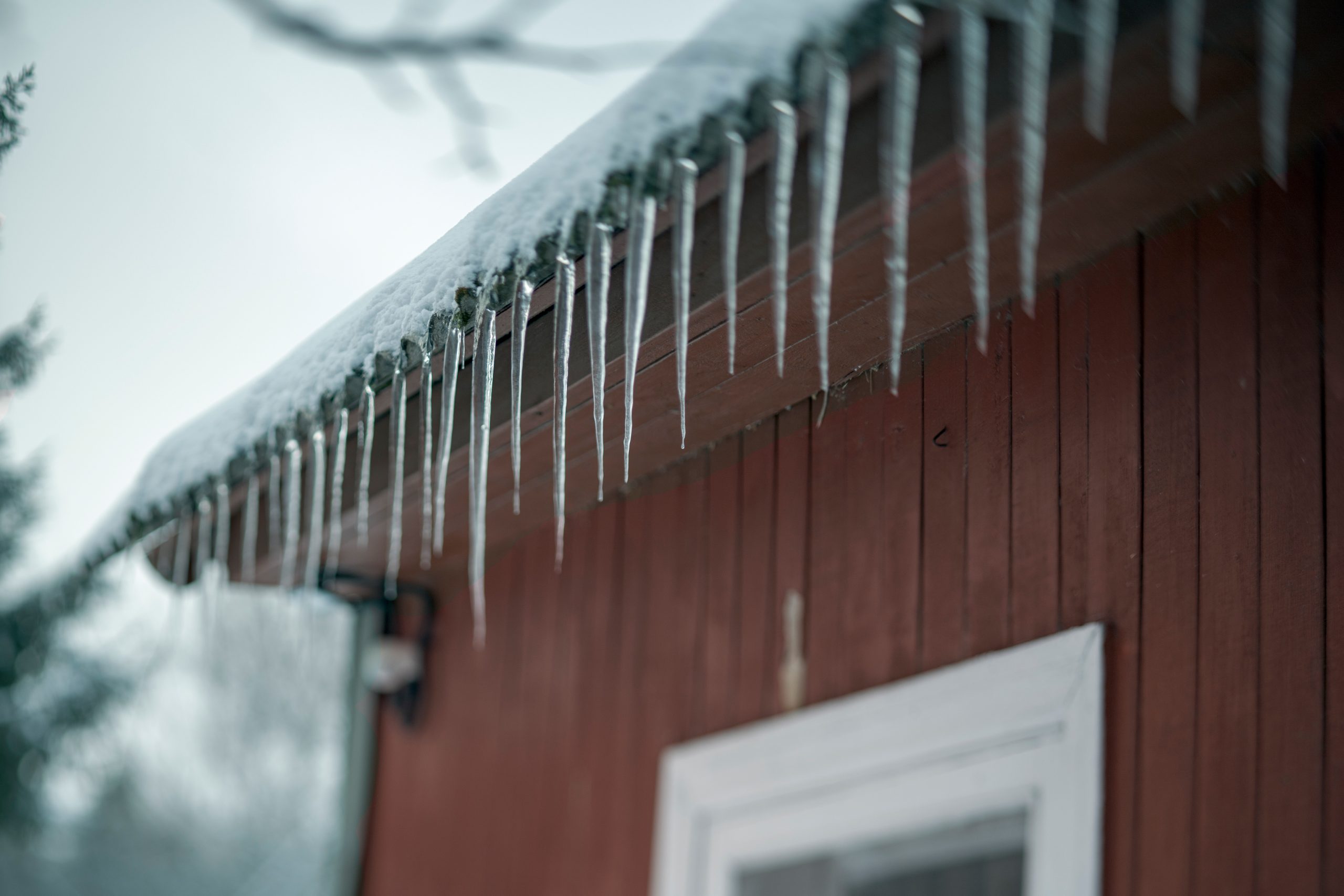
Get ahead of Old Man Winter with these tips.

No license or insurance? Pass.

C’mon in! The water’s fine!

5 Curb Appeal Tips to Help You Sell Faster
Does your house stand out to potential buyers? Try these five tricks.