
Please sign in as a member or guest below to access it.
Please sign in as a member or guest below to access it.

Don’t toss it. Regrow it!
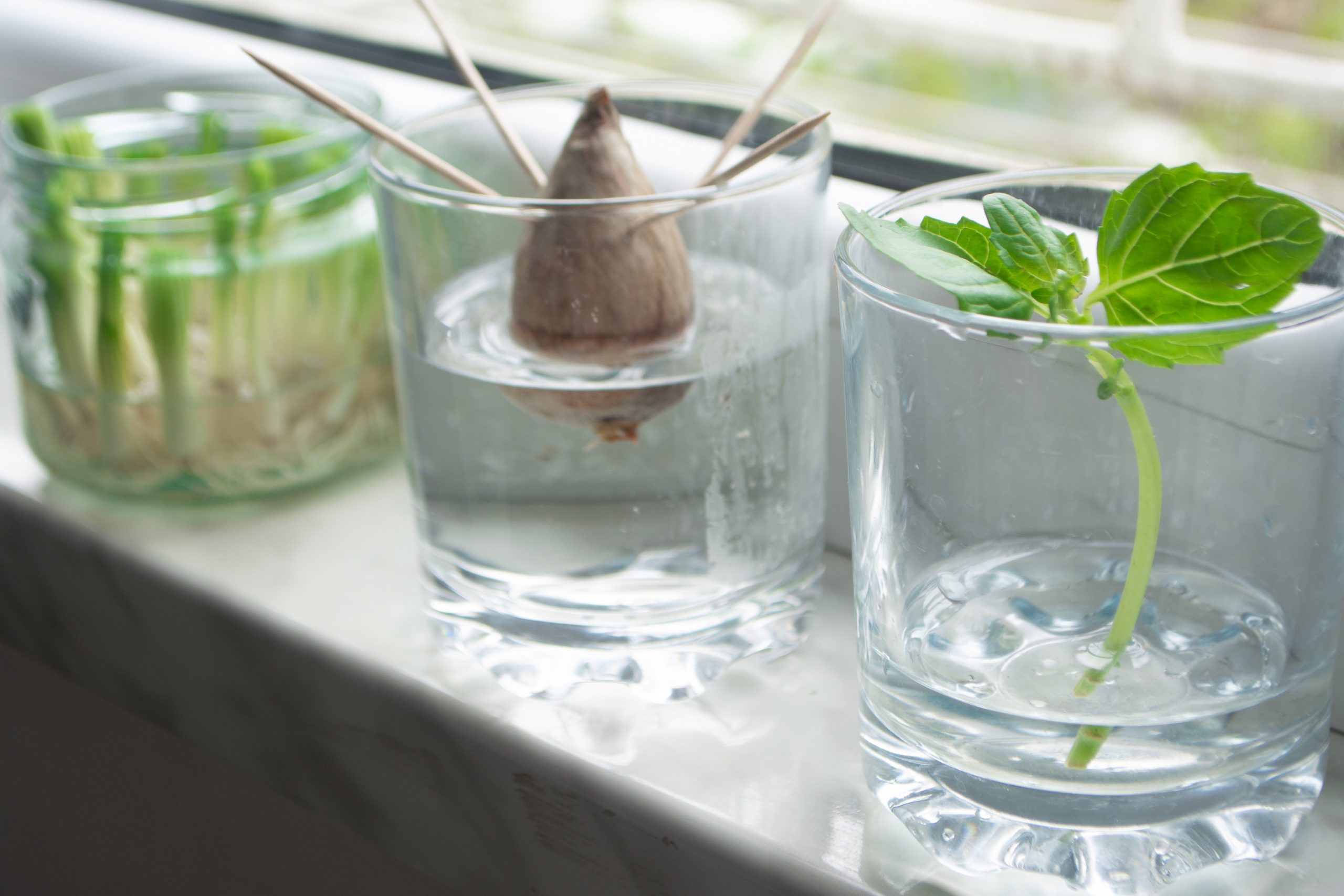
Between 30-40% of the American food supply is wasted, according to an estimate from the U.S. Department of Agriculture. While some food loss is outside of consumer control, there are practices everyday Americans can do to help.
Starting a balcony garden can help you cut costs at the grocery store, where shoppers continue to face rising prices. Composting table scraps can enhance your garden’s soil quality while reducing waste. But, before you compost, give regrowing certain fruits and vegetables a try. Whether you’re easing into a modern homesteading lifestyle or simply want to test out your green thumb, here’s how to give no-waste kitchen gardening a go.
Look for fruits and vegetables that can grow stems and branches, eventually producing leaves or flowers. A few tips for the best results:
Here’s a closer look at some regenerating produce options and how to get them started:
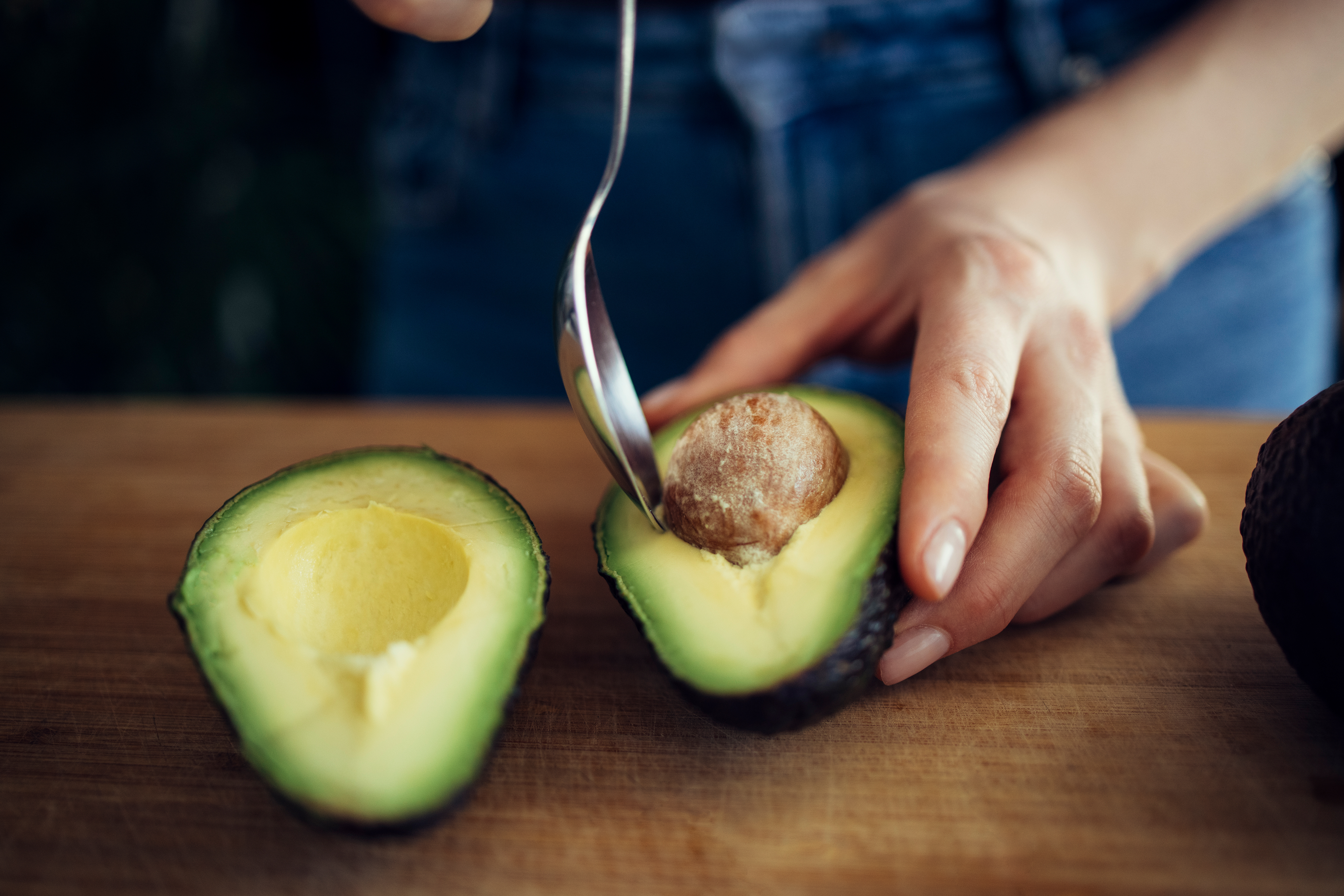
Wash and dry the pit. Fill a mason jar with water and press three toothpicks around the middle of the pit. The pit will be suspended from the rim with the broad end submerged. Sit in a warm spot with a lot of sunlight; replenish the water as needed. Once the stem reaches 6-7 inches in height, trim it back by half. Plant the seed in soil once the stem begins to produce leaves again.
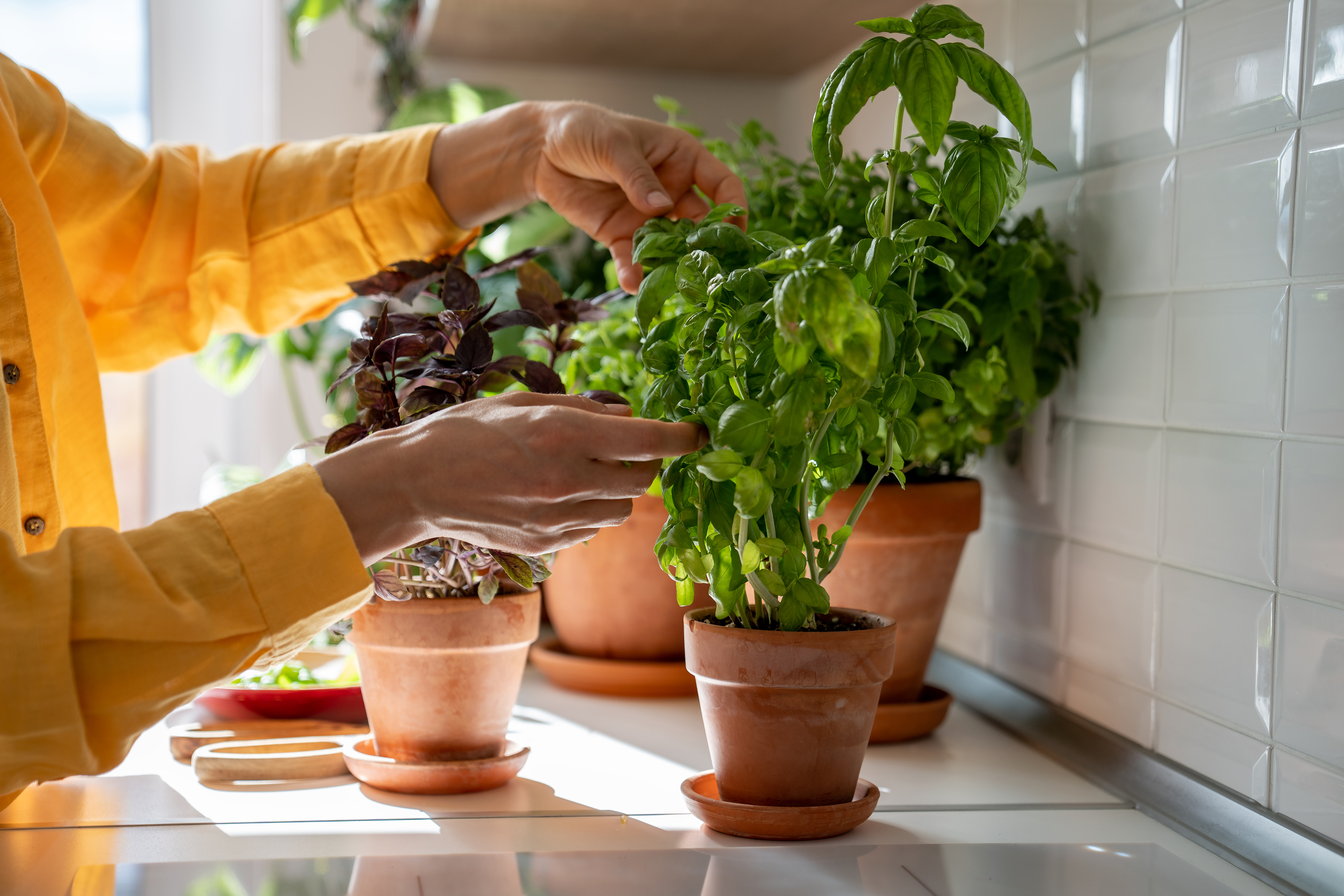
Take a basil plant stem that’s about 4 inches long and place it into a glass of water. Be careful not to submerge the leaves. Put the glass in a bright spot that’s out of direct sunlight. You should see roots forming in a few days. Transfer the plant to soil when the roots are about an inch long. Learn more about creating a DIY herb garden.
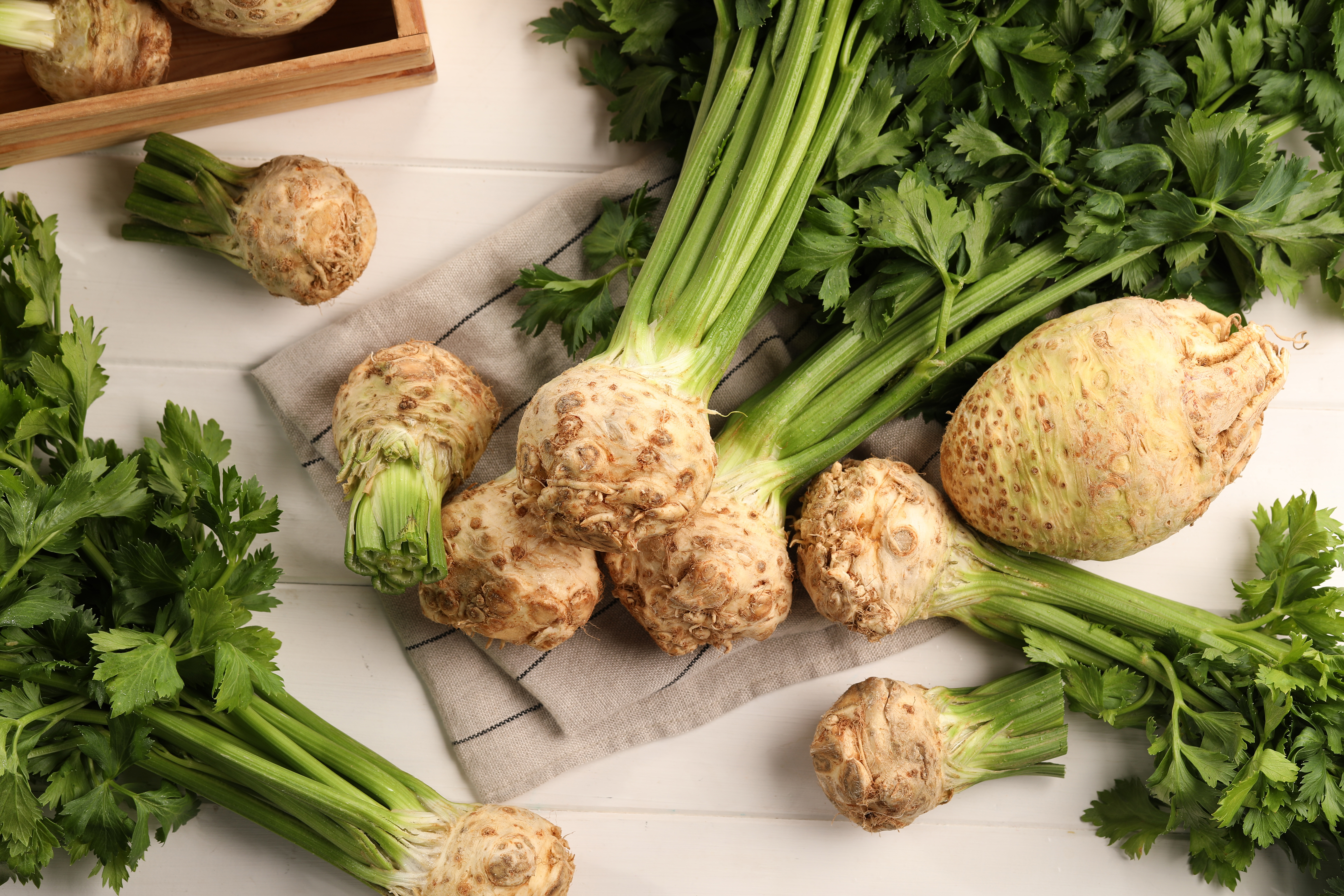
Trim about 2 inches off the bottom of the celery bunch and set the ends in a shallow bowl of water. (Don’t submerge, though!) After several days, roots will grow from the base and leaves from the top. Plant the sprouted celery in soil in early spring for a longer harvest.
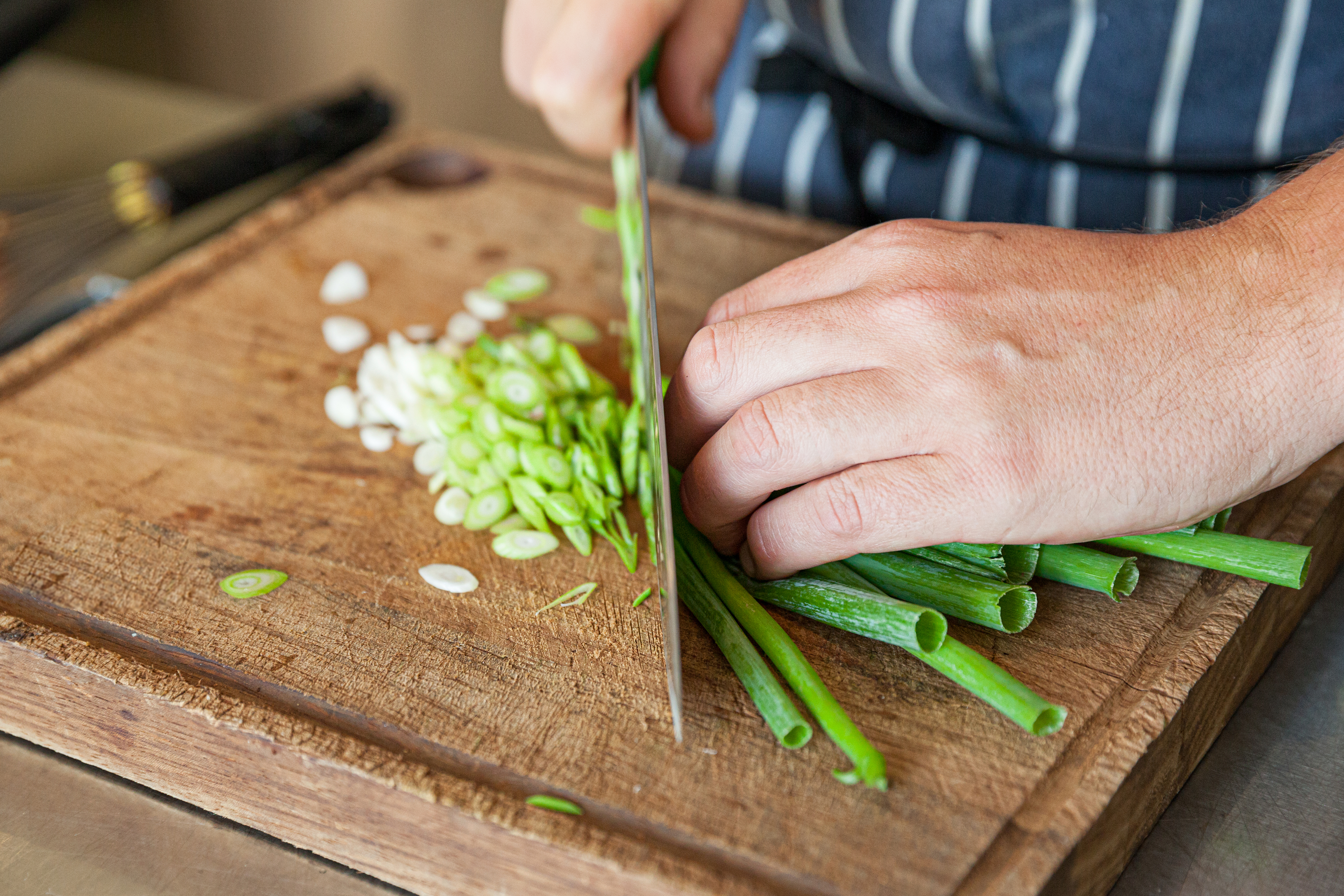
This is, perhaps, the easiest kitchen scrap to regrow. Choose a handful of green onions with healthy roots; cut them with 1-2 inches of stem attached to the roots. Submerge the roots in water and place the jar in a bright spot away from direct sunlight. Keep adding water as needed, and you should see growth in about three days.
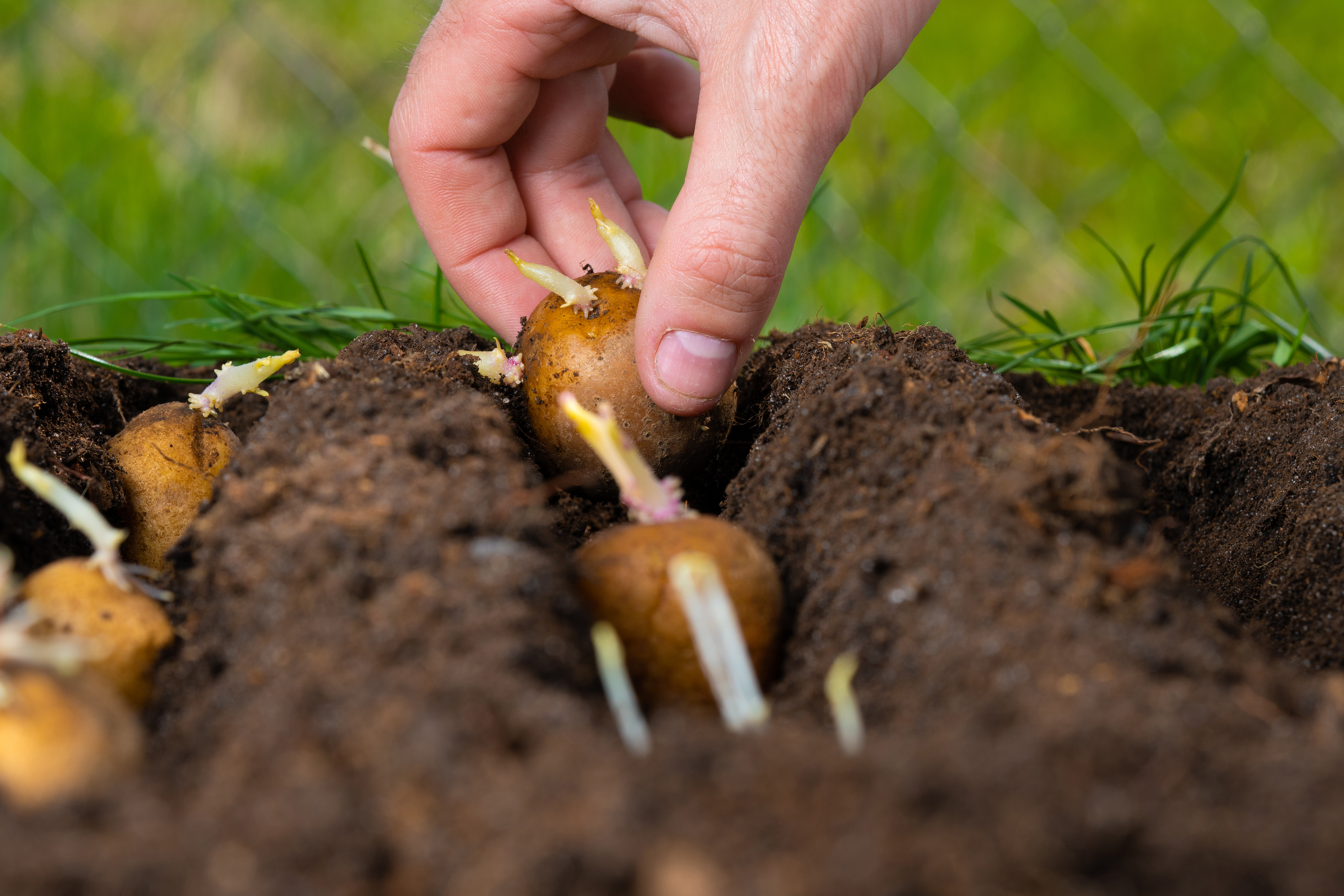
Once your potato sprouts “eyes,” plant a piece in a pot with soil. You should see green shoots in a couple of weeks; within a few months, new potatoes will start forming. Consider setting this pot on your porch or in the backyard, as it will need decent drainage.
Now that you’ve grown food, learn how to store it. Read our guide to preserving food.
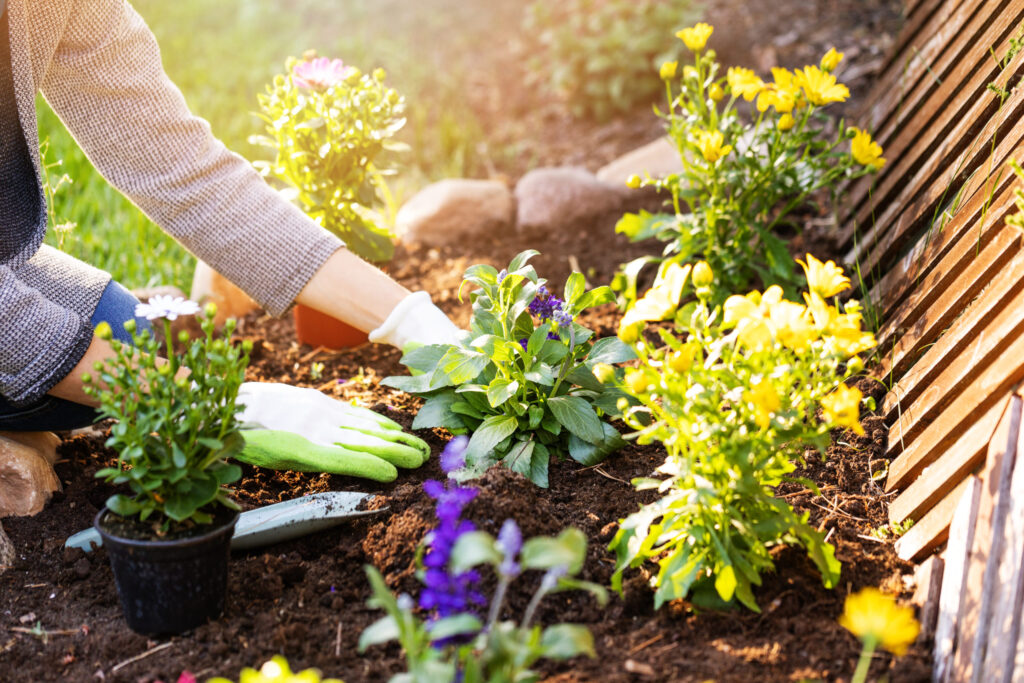
How to Start Ecological Gardening
Show your Texas pride by planting some native Texas plants.

Now is the time to prepare your garden for the winter months before crisp autumn days fade into the cool of winter and nature prepares for her annual hibernation.
Don’t dismiss the power of watering plants by hand.
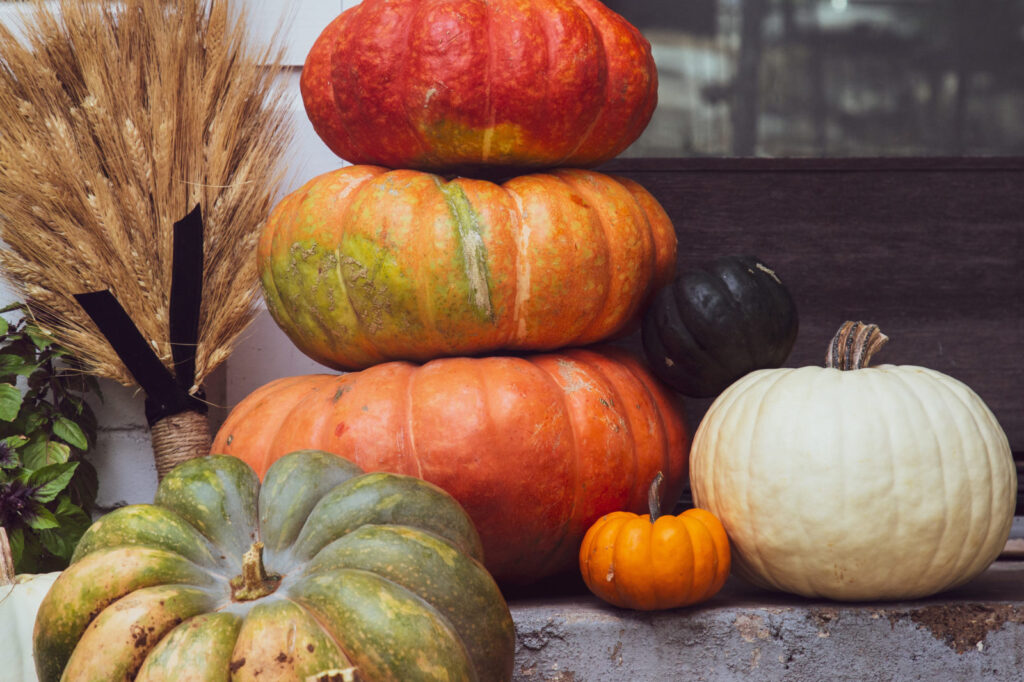
Fill Your Home With Decorative Gourds
Fill your home with touches of Texas’s favorite inedible crop for a little magic and whimsy.

Your Annual Home Maintenance Checklist
When was the last time you cleaned the gutters? Checked the roof? Here’s the ultimate guide to making sure you can easily keep up with home maintenance.

What to Waterproof Before a Rainy Spring
Survive the soggy season.