Please sign in as a member or guest below to access it.
Please sign in as a member or guest below to access it.

In addition to water and sunlight, plants need nutrients to grow.
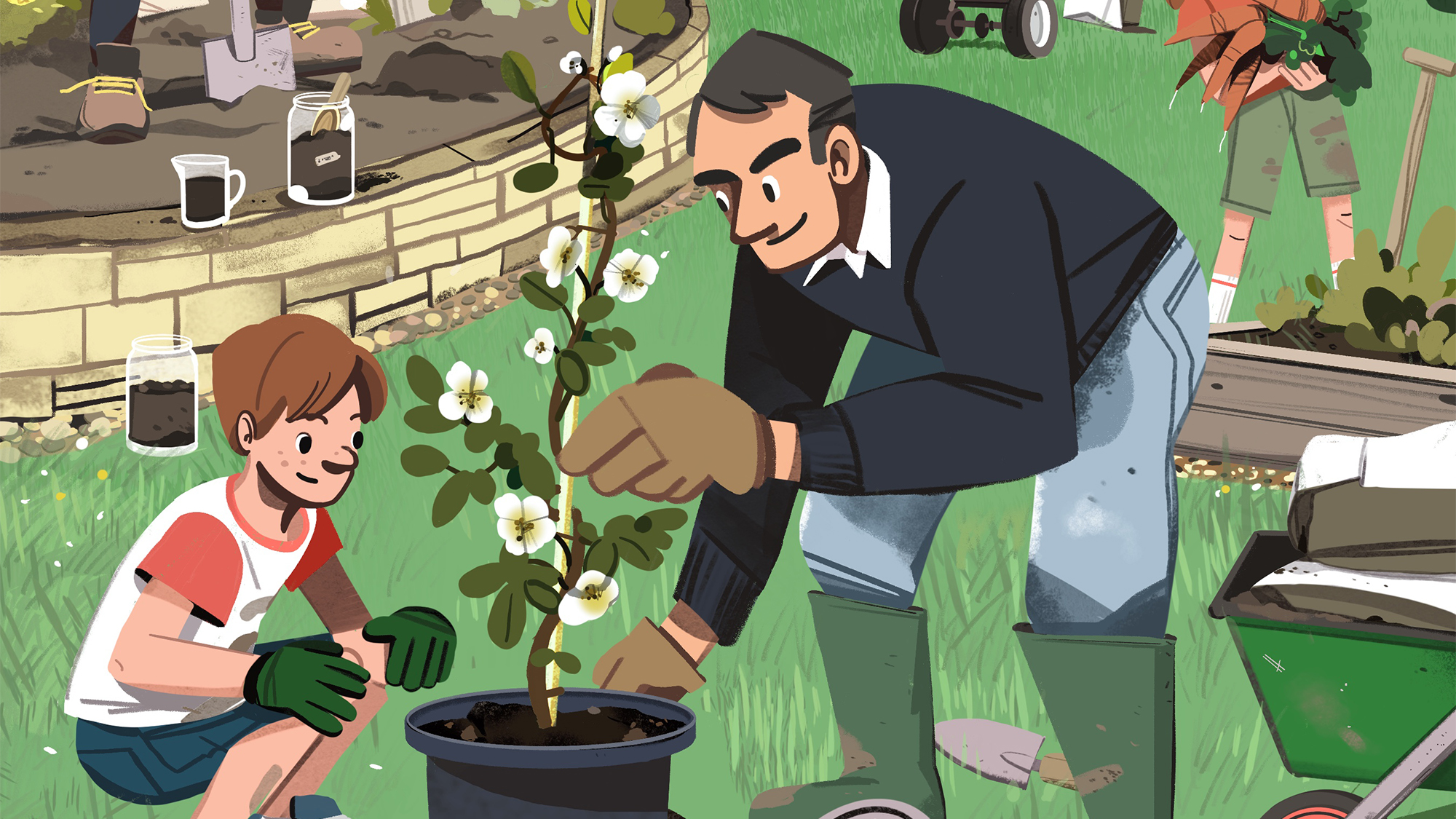
In addition to water and sunlight, plants need nutrients to grow. Usually, they draw most of these nutrients from the soil, but if the soil is depleted or poor quality, fertilizer can bridge the gap.
The chemical elements plants need are grouped into two main categories: macronutrients and micronutrients. Micronutrients, such as iron and zinc, are still important in Texas gardens, but the three macronutrients matter most:
All fertilizer bags list these nutrients as a set of three numbers — for example, 20–0–6 for a lawn fertilizer that contains mostly nitrogen. These numbers always represent N–P–K, in that order.
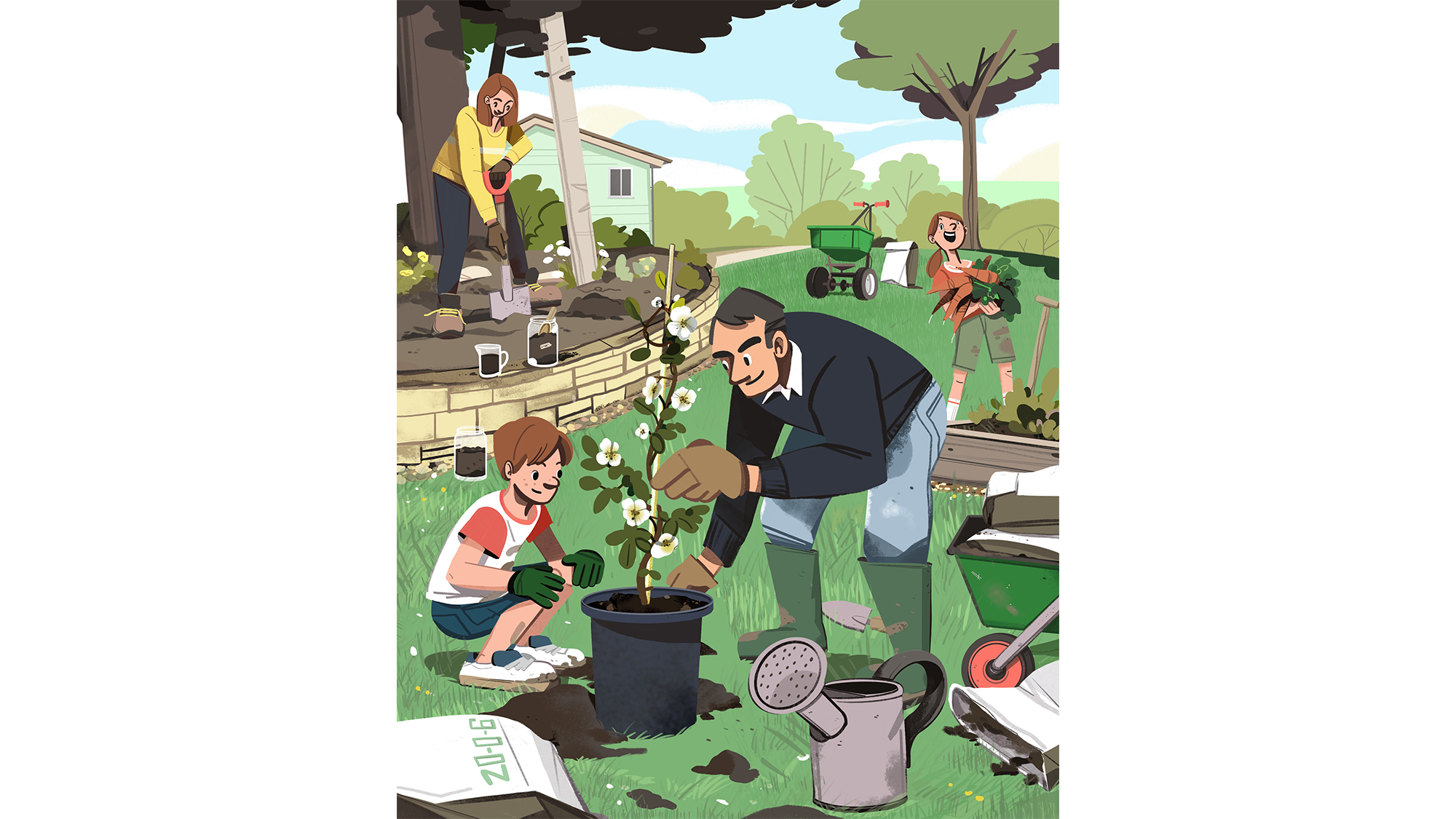
Fertilizers fall into two basic categories: organic and synthetic. Organic fertilizers come from natural sources such as compost, manure, or bone meal. Their nutrient levels are lower and release slowly, but they enrich the soil over time by increasing organic matter and supporting microbial life. You can either buy them or make them yourself.
Synthetic fertilizers are made from chemical compounds such as urea, ammonium nitrate, or superphosphate. Their nutrient content is precise and fast-acting, making them useful for correcting deficiencies quickly or giving targeted boosts during the growing season. But overuse may degrade soil structure or contribute to runoff.
Both types can be useful and work well in combination.
Selecting the right fertilizer depends on what your plants need and what your soil already has. Common grasses, including Saint Augustine, Bermuda, and zoysia, thrive on nitrogen-rich blends. Slow-release nitrogen helps lawns survive stressful summers. But never use lawn fertilizer on garden beds: Many contain herbicides, and the high nitrogen can promote leafy growth at the expense of blooms. Most Texas soils already contain adequate phosphorus, so avoid adding more unless a soil test indicates it’s needed.
To know for sure what your soil needs, submit a soil test to a local lab, which you can find by searching “Texas cooperative extension soil testing” online. Collect several samples from 4–6 inches deep, stir them together, and send in about half a pint of the finished blend. Plan to retest every few years.
Fertilizer is most effective on lawns after the cold season ends. Vegetables should be fertilized at planting and then periodically as they grow. Flowers can be fertilized in early spring; if you fertilize well in the spring, you can usually use less fertilizer in the fall.
Vegetables benefit from a balanced fertilizer early in the season. As plants begin to set fruit, switch to blends higher in phosphorus and potassium. Different crops have different feeding needs. For example, asparagus is a heavy feeder that benefits from additional fertilizer during peak growth, while carrots need only a small amount of fertilizer at planting.
After applying fertilizer, water it in so nutrients can move into the soil without burning the foliage. Always follow the label instructions to avoid overapplication, which can damage plants and soil.
Even soil needs a little help sometimes. Take the extra time to figure out what your plants and soil need and how you can provide it. You’ll be rewarded with a lawn or garden that’s prepared to thrive in the Texas climate.
Set your plants up for success with our complete spring gardening guide.
How to Create an Indoor Zen Garden
Zen gardens are the perfect indoor activity to create a peaceful, serene corner of your home.
How Strategic Landscaping Can Improve Home Security
Plant a little extra security in your yard.
Perennial Plants: A Complete Guide
You don’t have to have a green thumb to plant a lovely garden you can enjoy for years to come.

The Ultimate Stay-at-Home Guide for a Clean, Clutter-Free Home
If we have to stay home, it helps if our homes are at their best.
A Beginner’s Guide to Backyard Beekeeping
You don’t have to go full-on apiarist to keep some bees and make your own honey in your backyard. Here’s a beginner’s guide.
Give your lawn easy-care curb appeal.