Please sign in as a member or guest below to access it.
Please sign in as a member or guest below to access it.

Learn the differences between Uber, Lyft, Waymo, and other apps.
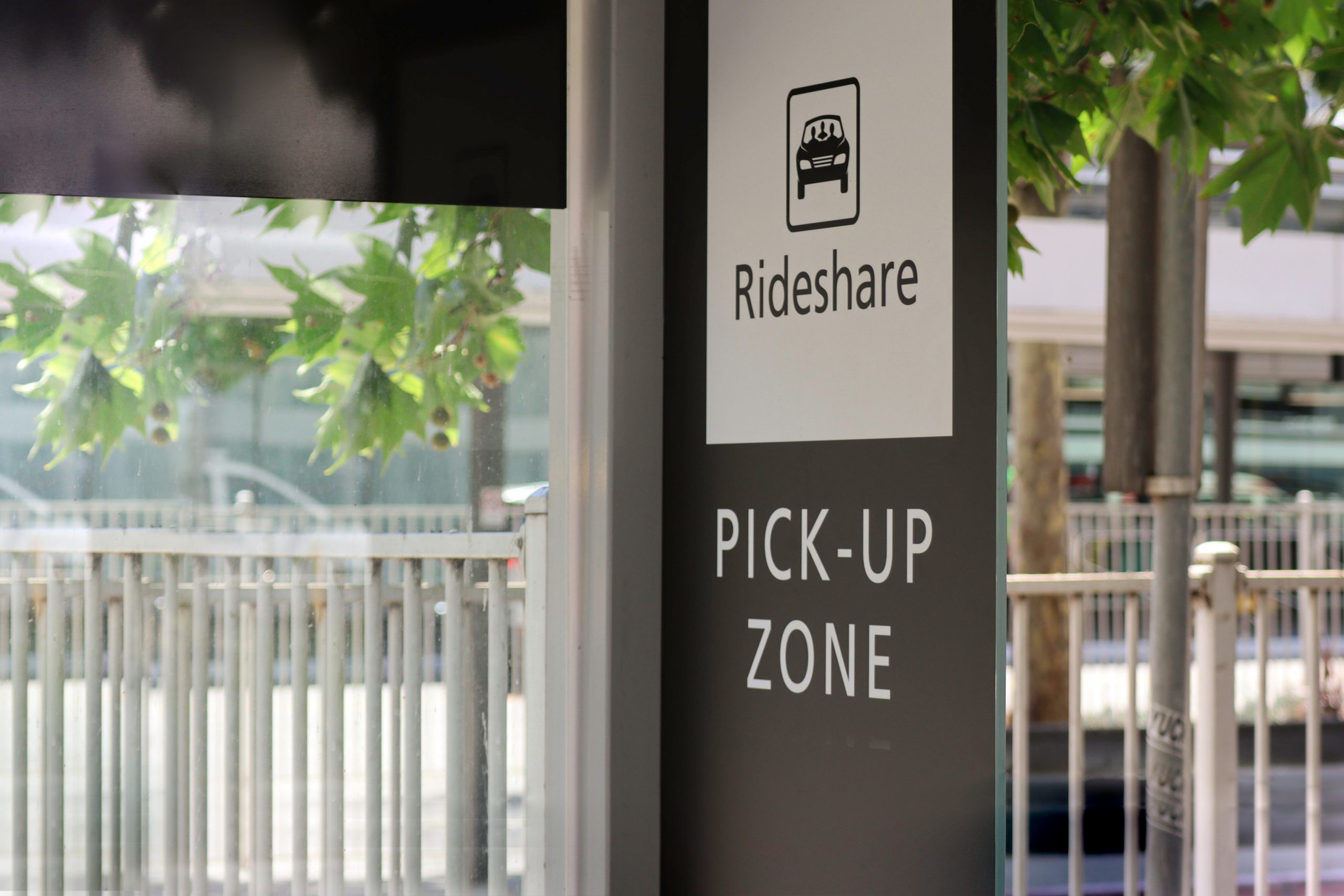
Rideshare applications have taken over and revolutionized the transportation industry, making many of our lives significantly easier. Calling a ride directly from your phone is undoubtedly simpler than attempting to hail a cab off the street (especially in Texas). But before you hop in the car, there are a few things you should know.
Ahead, we outline the best rideshare apps, along with their unique pros and cons and safety tips to help ensure a smooth and comfortable ride.
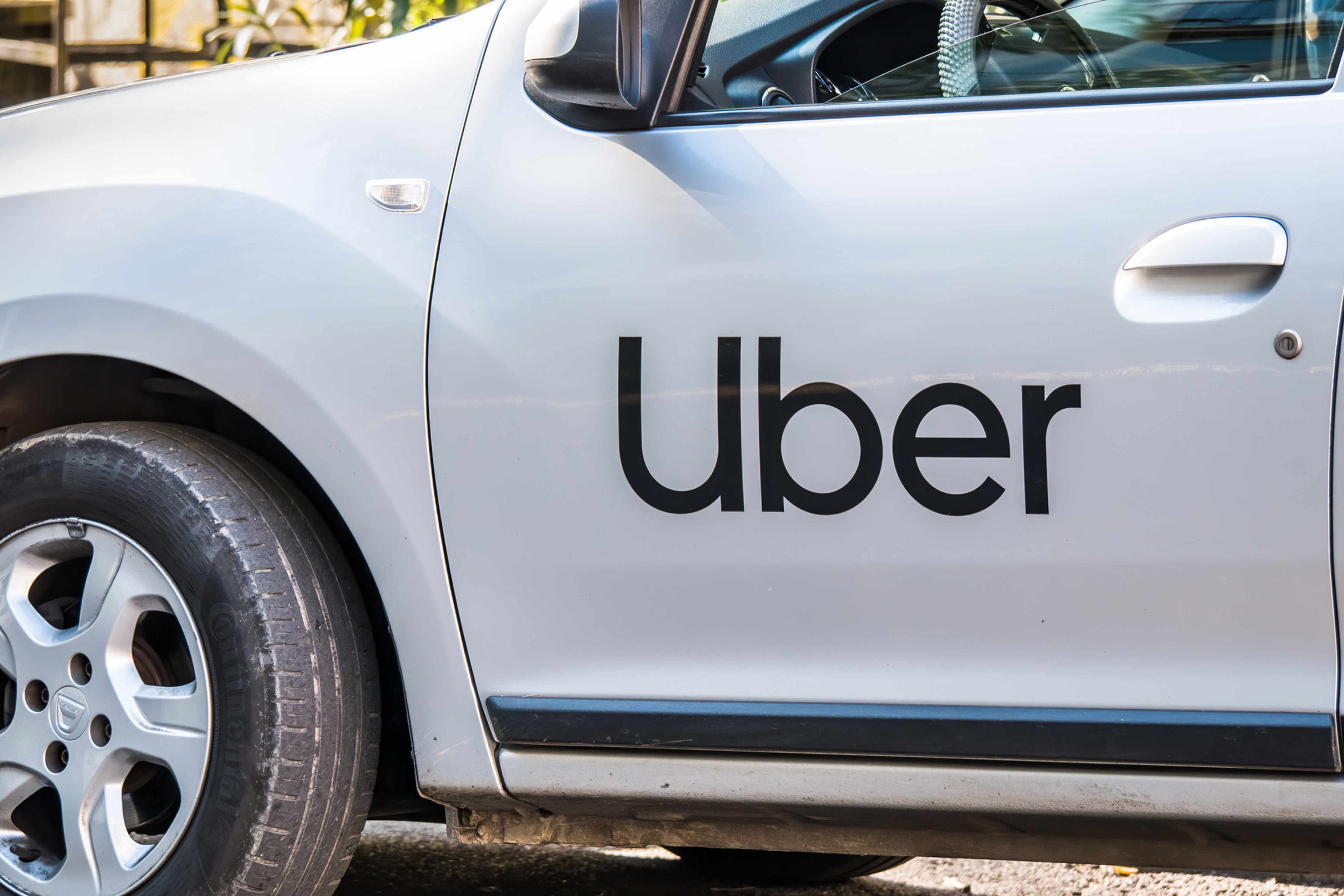
Uber has been a global trailblazer in the rideshare industry since its inception in 2009. Powered by a widely accessible app, Uber is the ultimate ride-hailing option, whether you need to run an errand, get to the airport, or pick up last-minute groceries.
Pros:
Cons:
Of note: In addition to rideshare services, Uber also offers food delivery, package delivery, and car rental options.
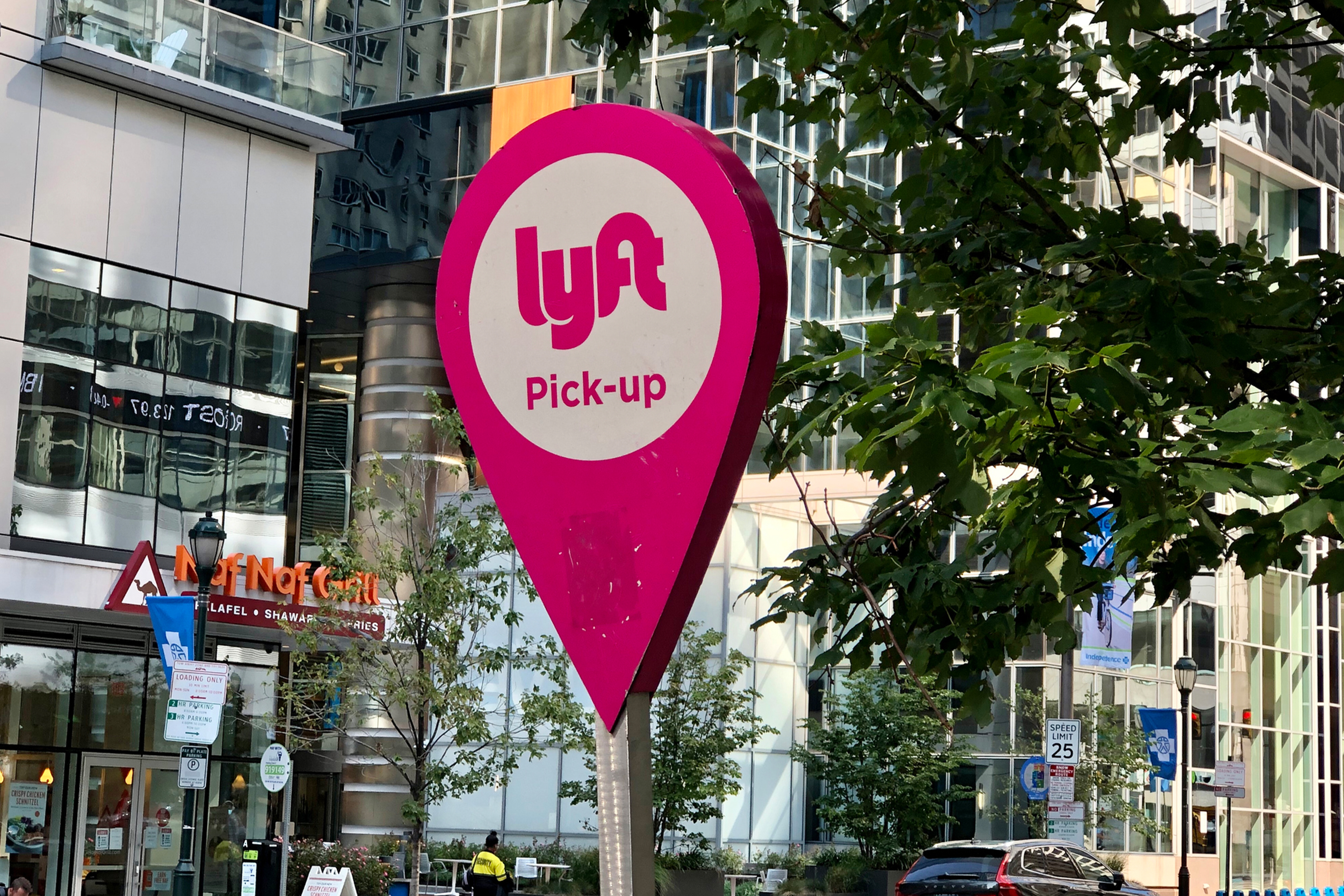
Lyft is a popular rideshare company that connects riders with drivers through a mobile app. Much like Uber, Lyft offers on-demand, scheduled ahead, late-night, or morning commute routes for a competitive price.
Pros:
Cons:
Of note: Along with car services, Lyft allows users to book bikes and scooters.

After the rideshare boom, Curb entered the chat. The app directly connects riders with professional taxi drivers in major cities, getting you from point A to point B.
Pros:
Cons:
Of note: Since Curb operates exclusively through taxi drivers, rideshare services may be less accessible in rural areas.
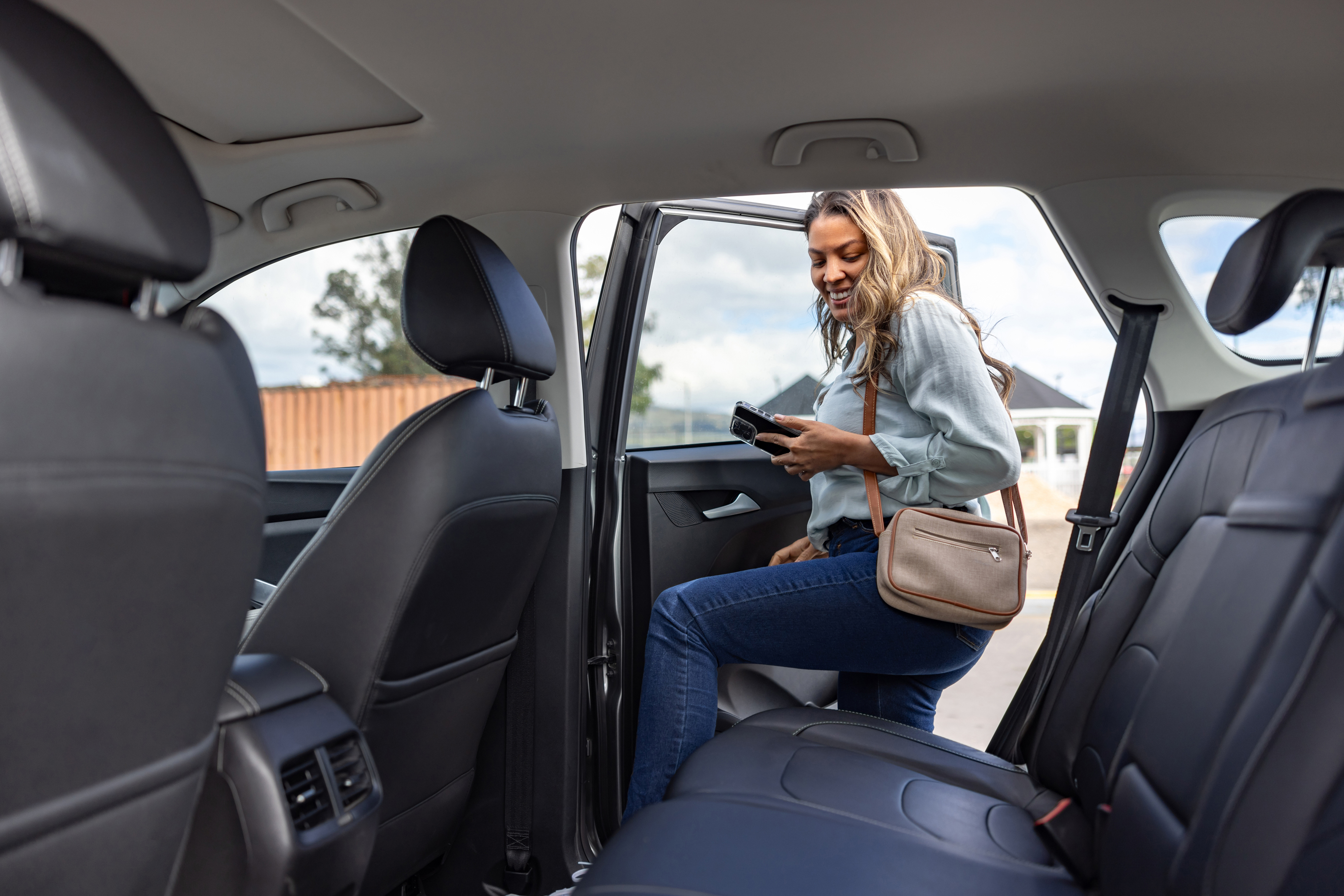
Via is a commuter rideshare service that connects passengers with drivers in a shared setting. Similar to public transportation, Via books rides and matches passengers headed in the same direction.
Pros:
Cons:
Of note: Via is designed for shared rides, so it’s more of a public transit service than an on-demand rideshare equivalent (such as Uber or Lyft).
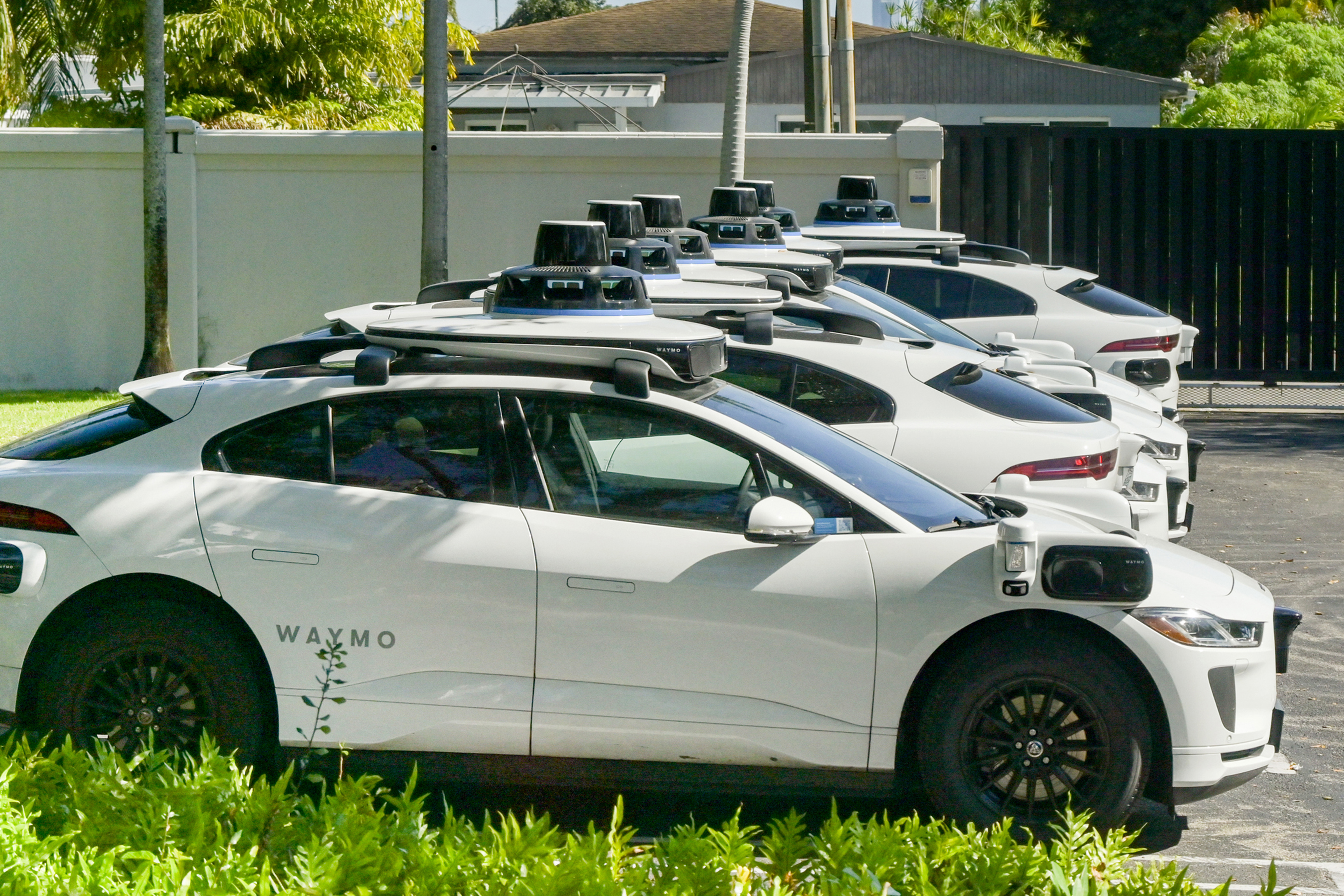
Waymo is one of the first rideshare companies to offer publicly available autonomous vehicles, meaning they operate without human drivers. The cars operate on artificial intelligence and a suite of sensors, cameras, and radars.
Pros:
Cons:
Of note: Studies prove self-driving cars to be incredibly safe, so you should never touch or interact with the steering wheel or pedals.
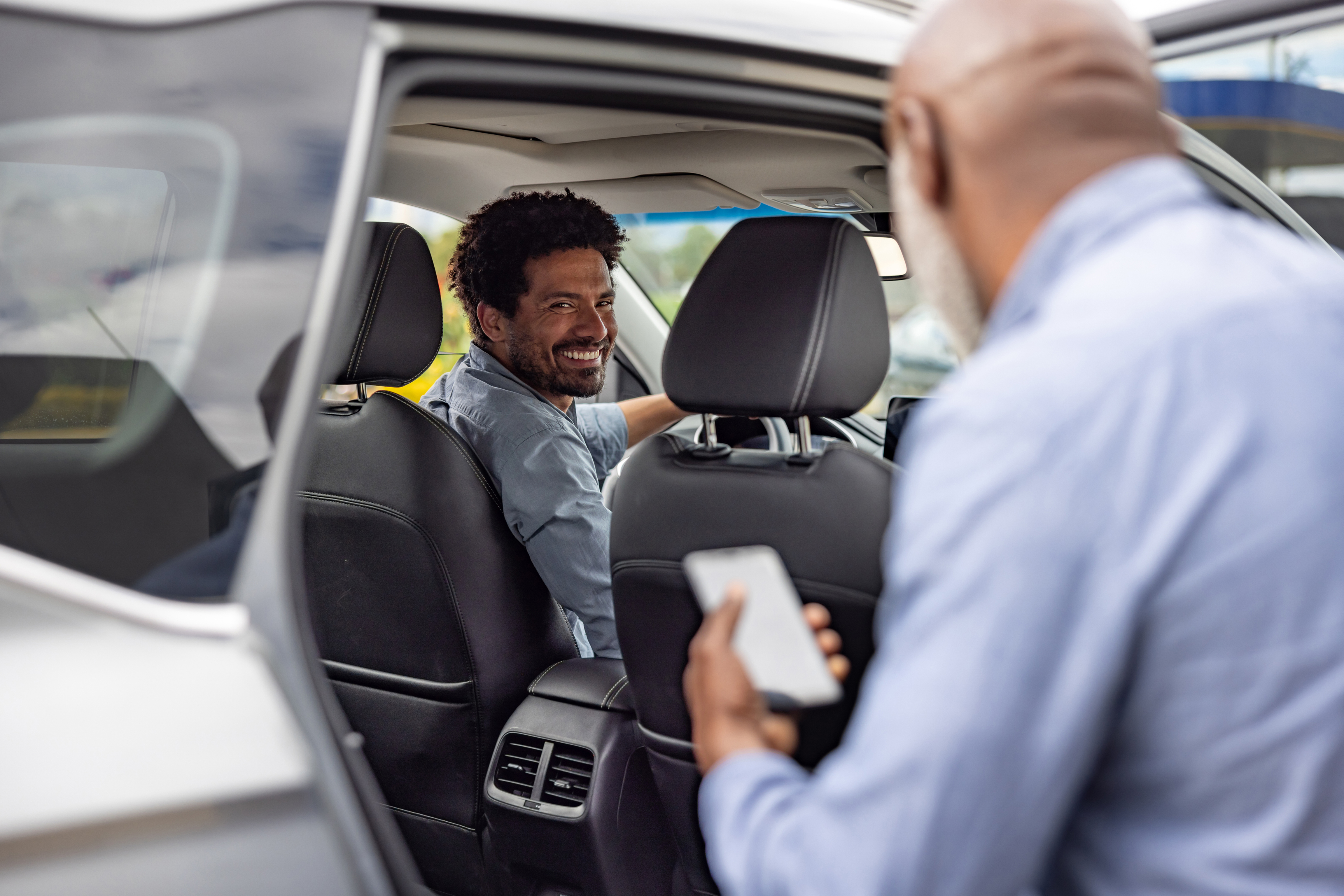
Like most things in life, stay vigilant when using a rideshare service. All drivers undergo background checks, but always verify the driver and vehicle details before entering to ensure you’re getting in the correct car. It’s also beneficial to share your trip with a close contact, sit in the back seat, wear your seat belt, and trust your instincts.
In the event of an emergency, most rideshare apps offer an emergency button. Alternatively, you can call 911. Commercial insurance is typically activated by the rideshare company while on a trip. That said, coverage varies on the plan, situation, and claim, so always specify directly with your provider.
Want to learn more about self-driving cars? Here are a few ways they’re changing our roads.

Your Car Was Broken Into or Stolen. What Next?
Take a deep breath and follow this guide.
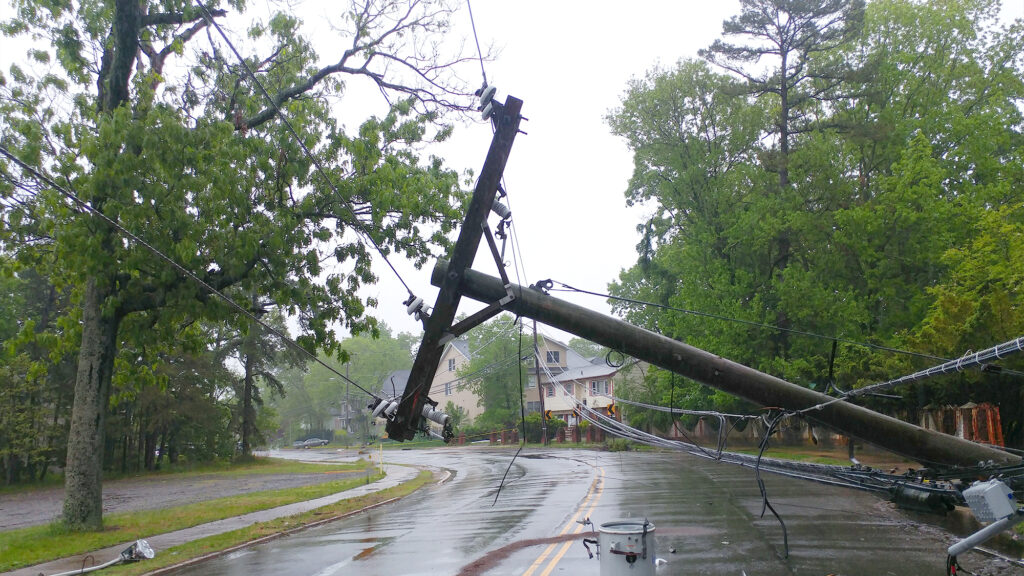
Prepping for Power Outages in Texas
A few proactive measures can help keep your household safer and more comfortable during a blackout.
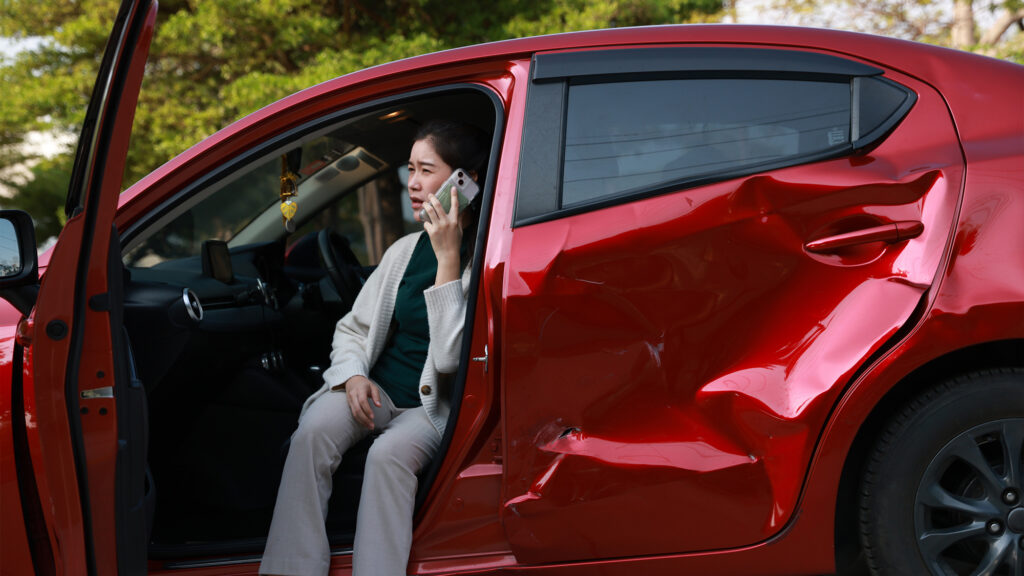
No one plans for a car accident but knowing what to do next can make it a little easier to navigate.

Roundup: Complete Texas Safety Guide
Safety and security are essential to how we feel and move throughout the world. We’ve rounded up our best articles to create this safety guide to help you and your family navigate everything from Texas weather to outdoor recreation. At Home Home is where the heart is, so take extra measures to keep it your […]
It’s just like riding a bike. Almost.
8-Step Witness Response Guide for Car Accidents
Did you witness a collision? We spell out eight ways to offer assistance.