Please sign in as a member or guest below to access it.
Please sign in as a member or guest below to access it.

What do you do if you’re not supposed to water, but your foundation is cracking?
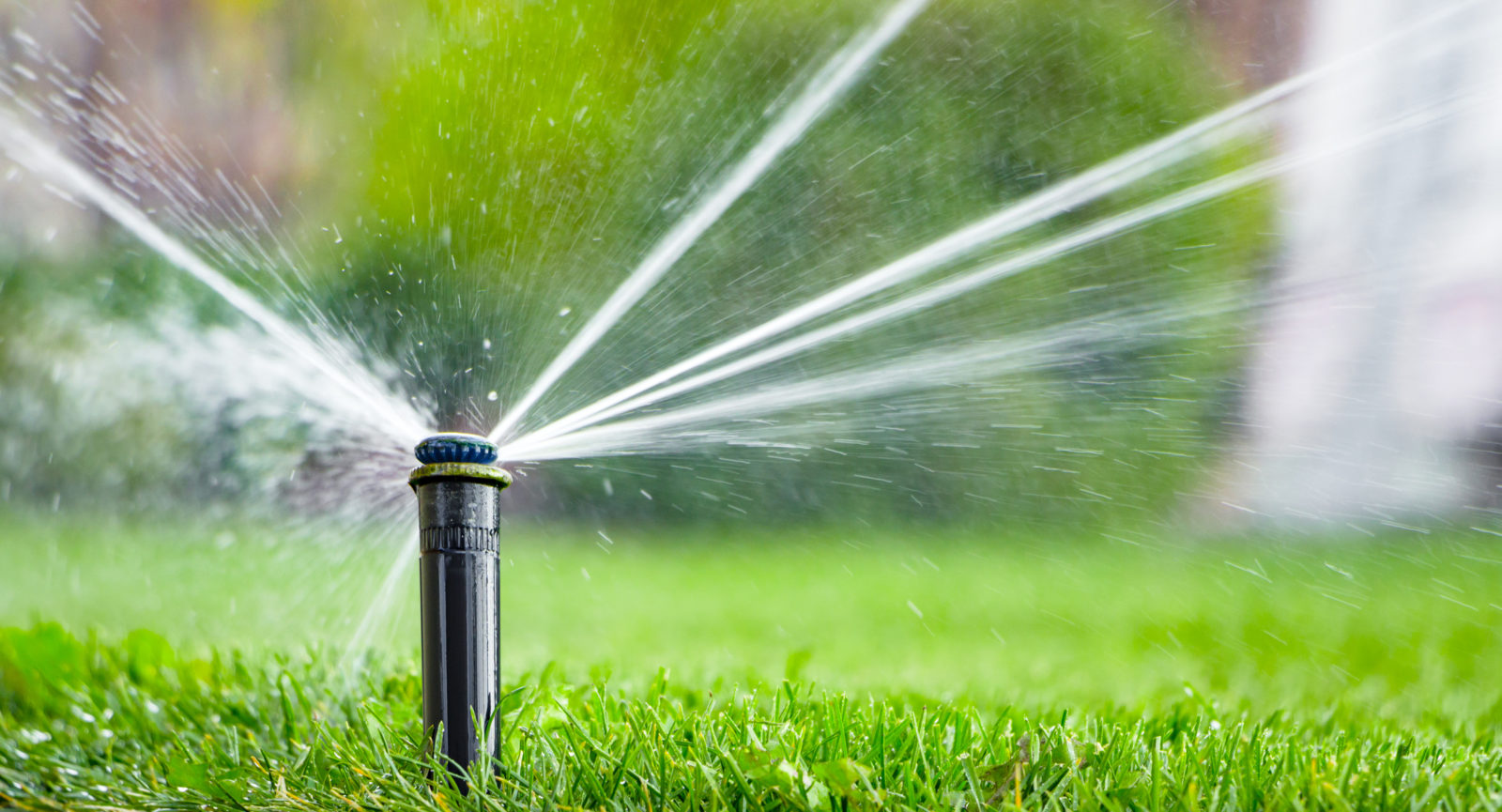
Droughts can hit Texas at any time of the year, but when the heat of summer causes dry conditions, it’s especially important to protect your property while still conserving water.
During a drought, the highest priority is saving water, but conservation doesn’t have to mean abandoning your yard to the elements. Texas A&M AgriLife’s Earth-Kind landscaping program recommends:
Droughts increase the risk of wildfire because so much vegetation is dry, dormant, or dead. The Texas Forest Service’s Firewise Landscaping Checklist includes:
If your home or outbuildings have concrete slab foundations, watering around them can help prevent soil shrinkage that causes foundation shifting, cracking, and other costly structural damage. Jennifer Summers, a Realtor with Keller Williams in Round Rock, says homeowners who move to Texas from other places that don’t have the same foundational issues are at higher risk.
The Texas A&M AgriLife Water Education Network recommends setting up a foundation watering zone and schedule if you have an irrigation system or using a timer on an outdoor faucet attached to a soaker house to ensure regular foundation watering.
If you own rental property, Summers recommends making sure your tenant or manager keeps the foundation watered. “In my experience, homes that are being used as investment properties tend to suffer the most damage,” she says, because the owners aren’t on-site to supervise watering and tenants may want to limit their water bills.
Get a quote to make sure you have the property coverage you need to protect you and your family against heat, drought, and other Texas weather extremes.
Coverage and discounts are subject to qualifications and policy terms and may vary by situation.
Build the Ultimate Backyard Tree House
It’s every kid’s dream —and every dad’s dream project.
Perennial Plants: A Complete Guide
You don’t have to have a green thumb to plant a lovely garden you can enjoy for years to come.
A Texas Homeowners’ Guide to Foundation Problems
Texas is famous for foundation problems. Here’s what to look for.
Skip the décor section shopping, and create your own Christmas cheer.
Houseplant Hacks for Busy People
Tell the plants to water themselves!

Your Guide to Growing Berries in Your Backyard
For the amateur Texas berry farmer, blackberries and blueberries are the way to go.