Please sign in as a member or guest below to access it.
Please sign in as a member or guest below to access it.

All you have to do is learn.
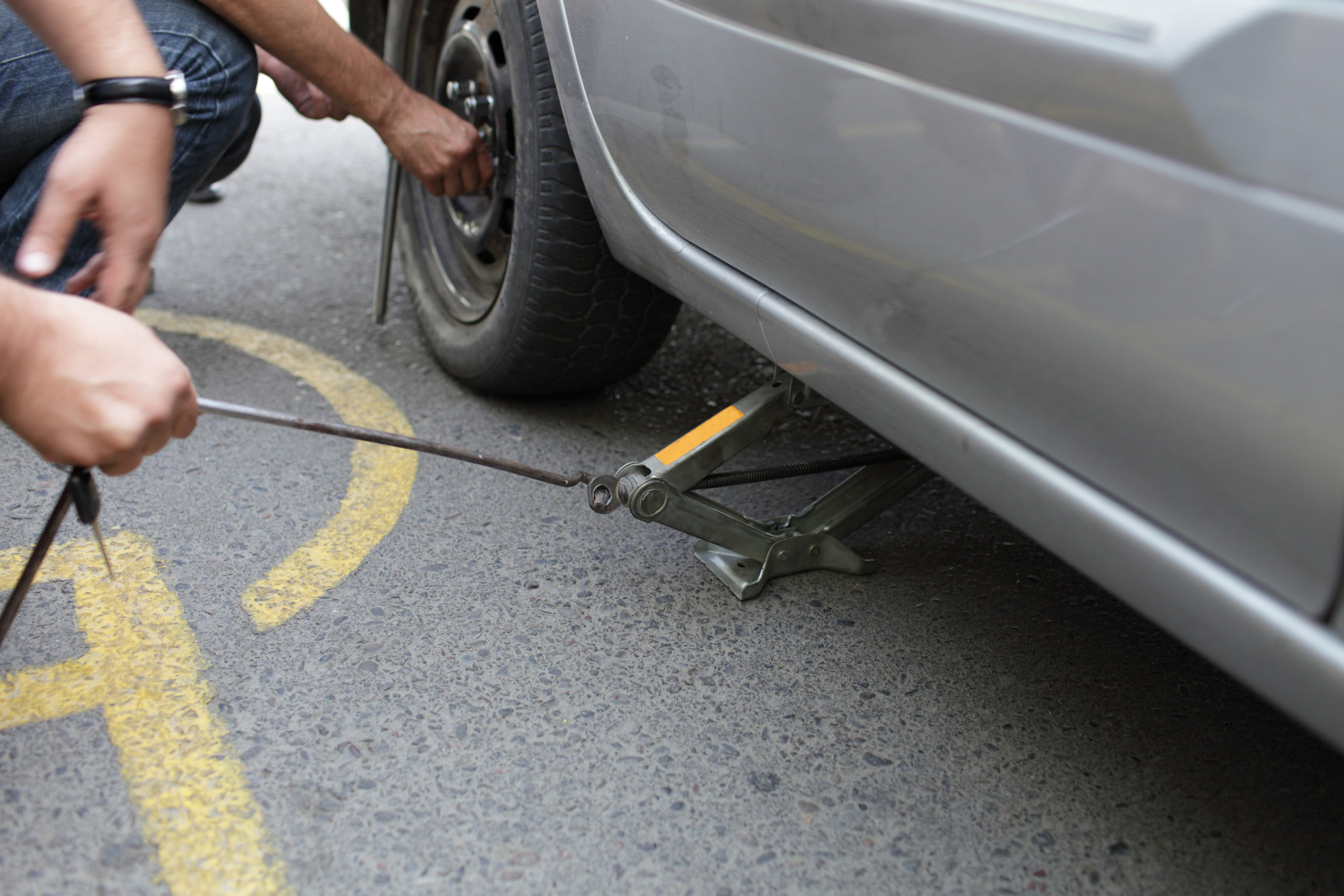
Whether you walk to your car in the morning only to find the tire flat against the concrete driveway or you feel the rim of your wheel rattle as you drive down a highway, flat tires never come at a good time.
For many people, a flat tire is more than a headache and a disruption — it’s an insurmountable obstacle. The good news is that you can change your own tire — you just have to learn how. To start, take a deep breath and follow this simple guide on how to change a flat tire.
Don’t delay. Your spare isn’t designed to do much more than help you get to the shop so you can get a full-size tire back on your car. Once you have your spare secured, head to the shop and get your tire fixed as soon as possible.
And there you have it! If you need more roadside assistance, Texas Farm Bureau Insurance has you covered.
Coverage and discounts are subject to qualifications and policy terms and may vary by situation. © 2020 Texas Farm Bureau Insurance
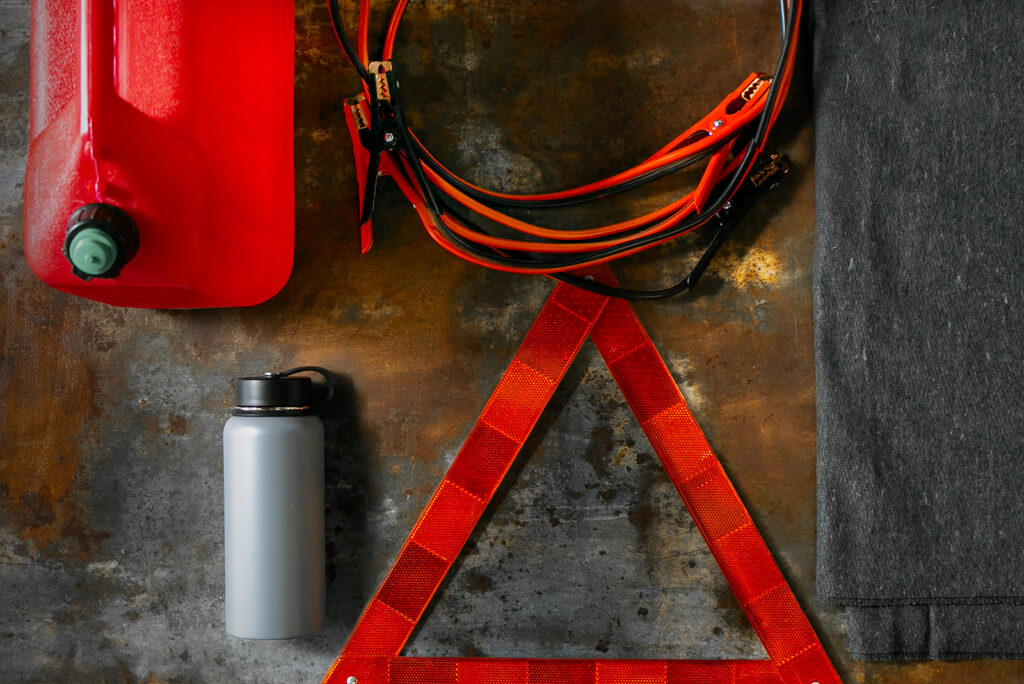
4 Roadside Safety Tips for Texas Drivers
Keep yourself protected with this guide to getting back on the road to safety.
Protecting Kids on Social Media
From Facebook to Snapchat — how do you protect your children on social media? Learn more in our helpful parent's guide to social media safety.
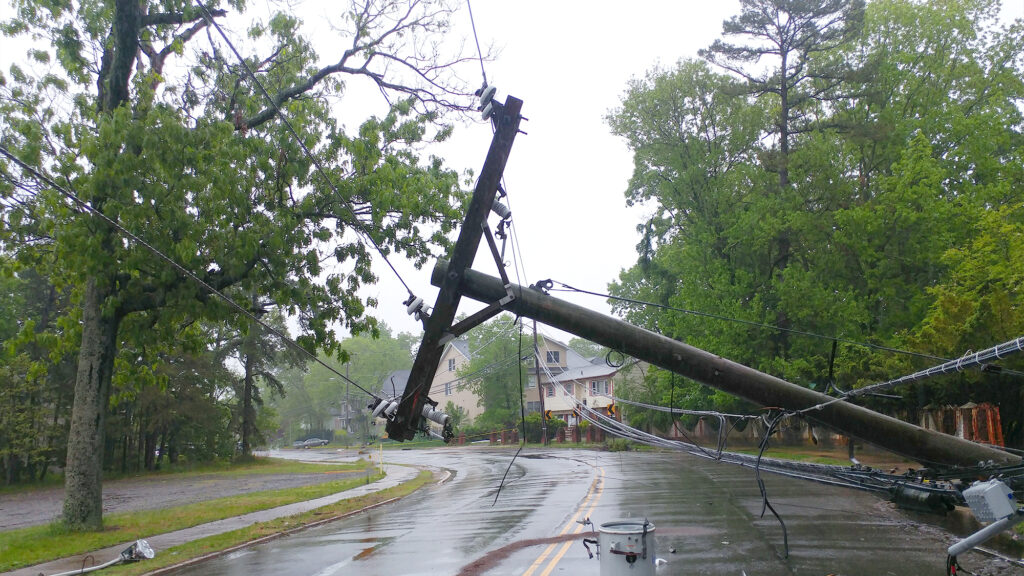
Prepping for Power Outages in Texas
A few proactive measures can help keep your household safer and more comfortable during a blackout.

The Texas Driver’s Summer Road Safety Guide
Don’t let your car get too hot to handle.

How to Protect Your Child From School Sickness
It happens every year. Midway through the fall semester, suddenly everyone seems to be sick.
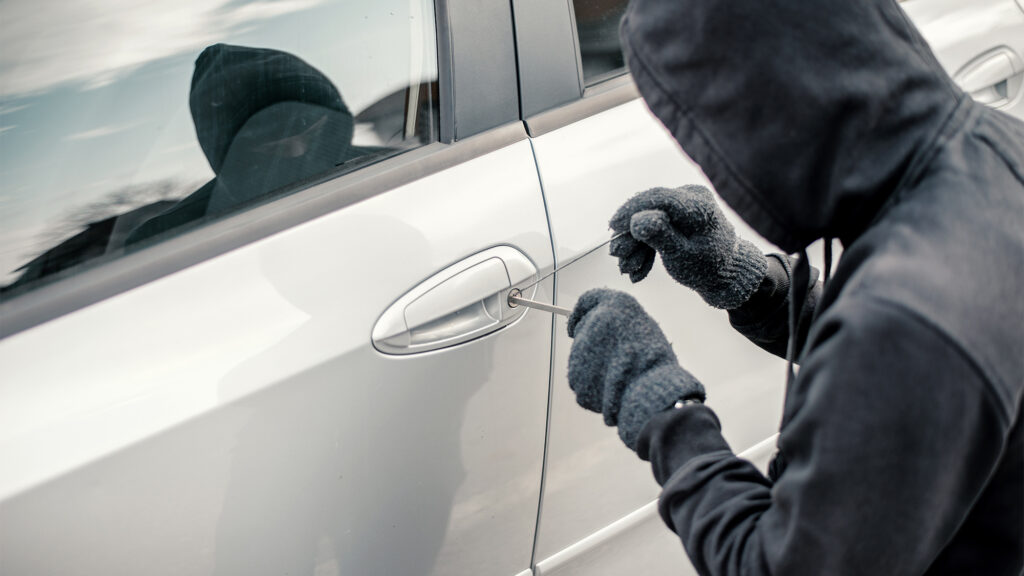
Tips for Deterring Car Break-Ins
Thieves like an easy target. Don’t make your vehicle one.