
Please sign in as a member or guest below to access it.
Please sign in as a member or guest below to access it.

Everyone knows about Big Bend National Park. But not everyone dares to head into the vast expanse for days at a time, with only gallons of water and their own two feet.
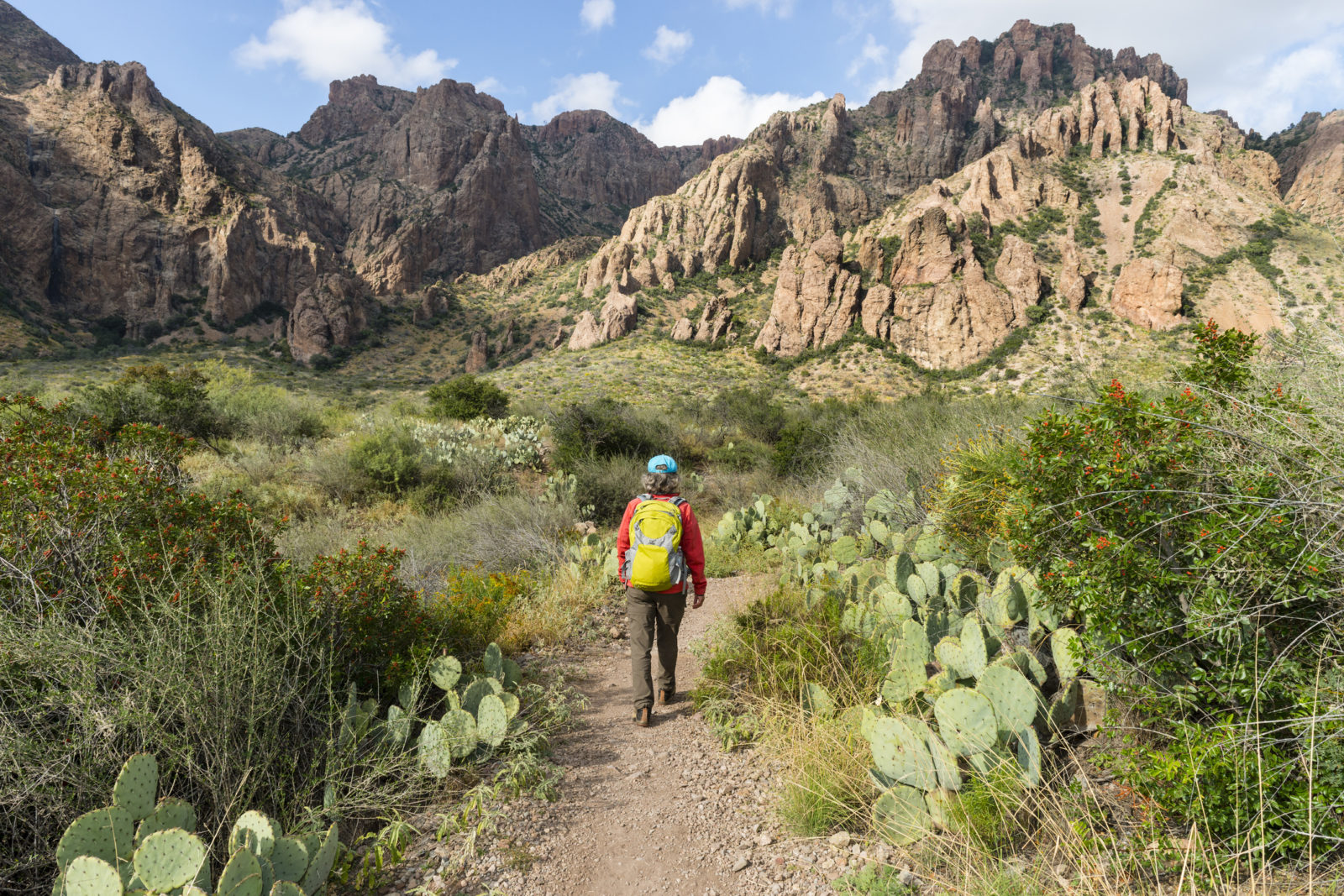
Big Bend National Park is one of the least visited parks in the national park system. It’s also one of the largest. That means a trek out into raw frontier wilderness can be one of extreme solitude. For backpackers, it can also be a long, grueling adventure with no water source but what you hike in with.
But while you might not see any other humans out there, don’t think the Chihuahuan Desert will be empty. Out in the stark desert landscape live more birds, bats, and cacti than in any other national park. You’ll find 1,200 species of plants, 67 species of amphibians and reptiles, and 3,600 species of insects. And we haven’t even mentioned the deer, mountain lions, and Mexican black bears.
For backpackers, Big Bend is something of a pilgrimage site. It’s difficult to get to, at least a day’s drive from any major city, and many of the 150 miles of trails winding through 801,163 protected acres are accessible only by four-wheel drive along rocky dirt roads.
The granddaddy of Big Bend hikes is the Outer Mountain Loop, a three-day trek taking you from the forests of the Chisos Basin out to the desert that requires a deep thirst for adventure.
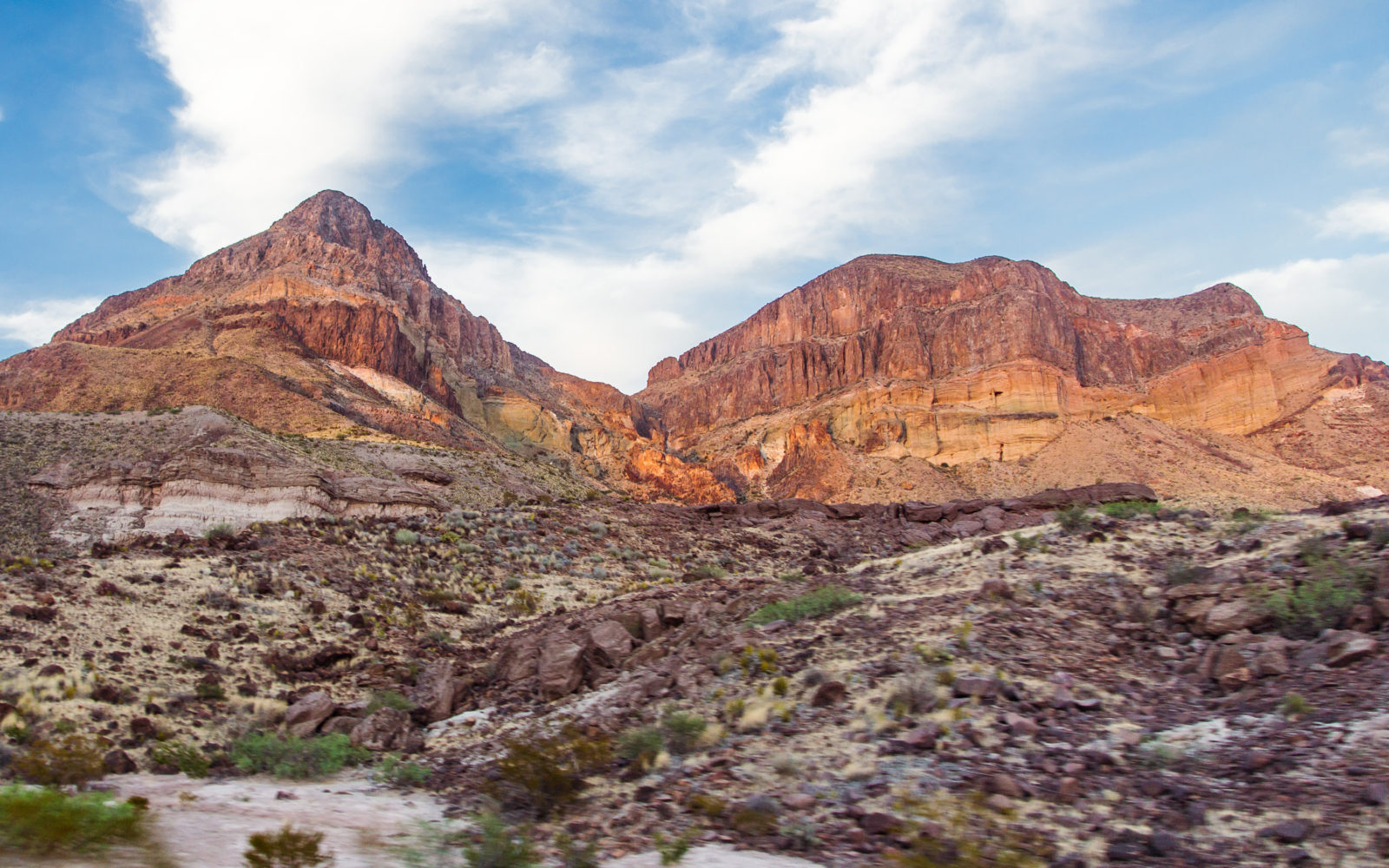
Near the center of the park, the Chisos Mountains rise up dramatically from the desert floor to a height of almost 8,000 feet, creating a distinct topological climate zone. Entering the valley can feel as if you have left the desert and entered the middle of the Rockies.
Most backpackers begin the Outer Mountain Loop in the Chisos Basin and head clockwise along the loop through Boot Canyon and all the way to Juniper Canyon. At the canyon, hikers will have to say goodbye to the shade of the piñon, juniper, and oak woodlands of the mountains and make the steep descent into the Chihuahuan Desert below. The desert grasslands offer a welcome place to stop for the night.
The next day will take you down the hottest and most exposed section of the loop, the Dodson Trail, as you descend 2,000 feet and then begin to climb again. You’ll pass the ruins of several ranches as you make your way to Blue Creek Canyon. Here, you’ll be able to make camp again.
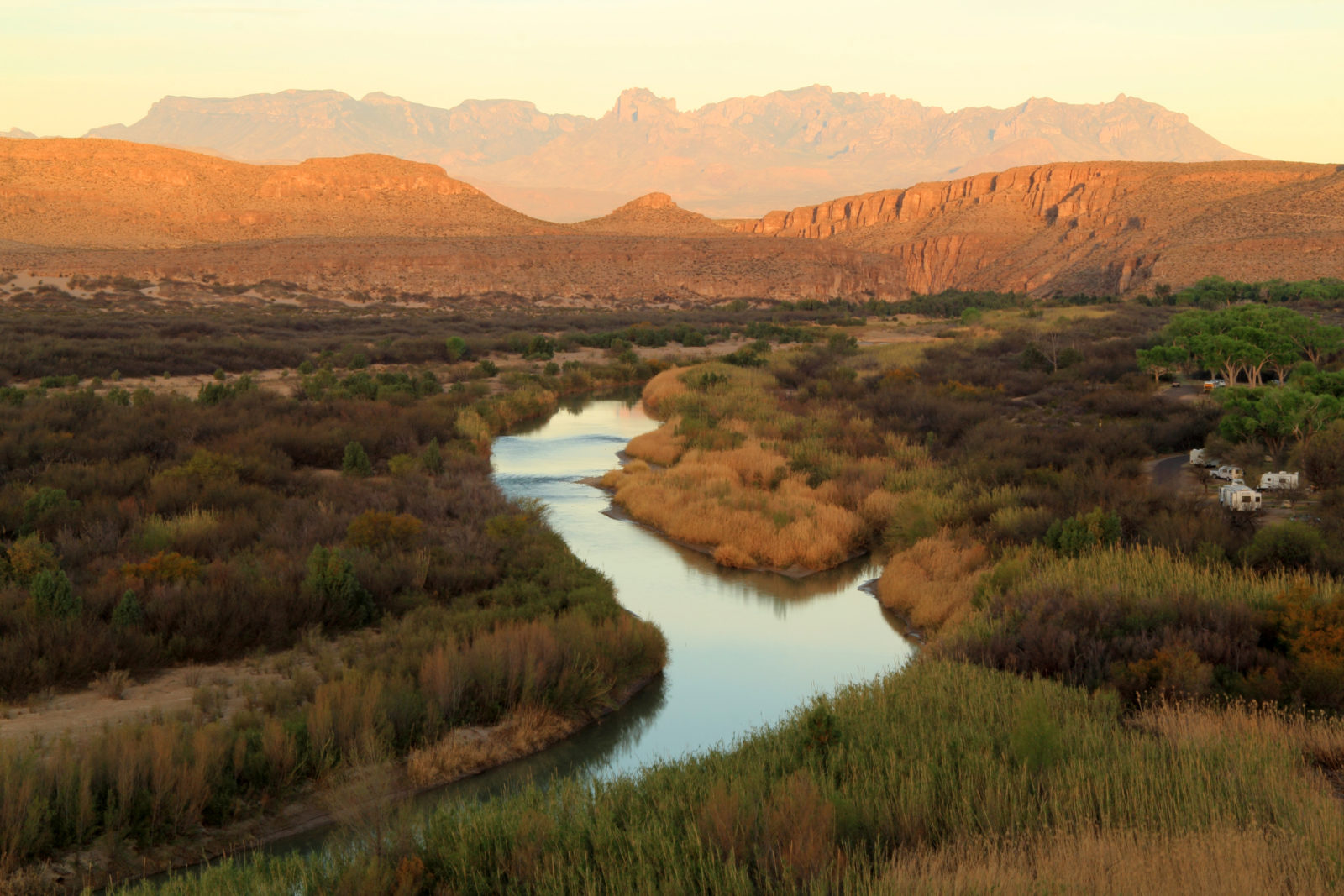
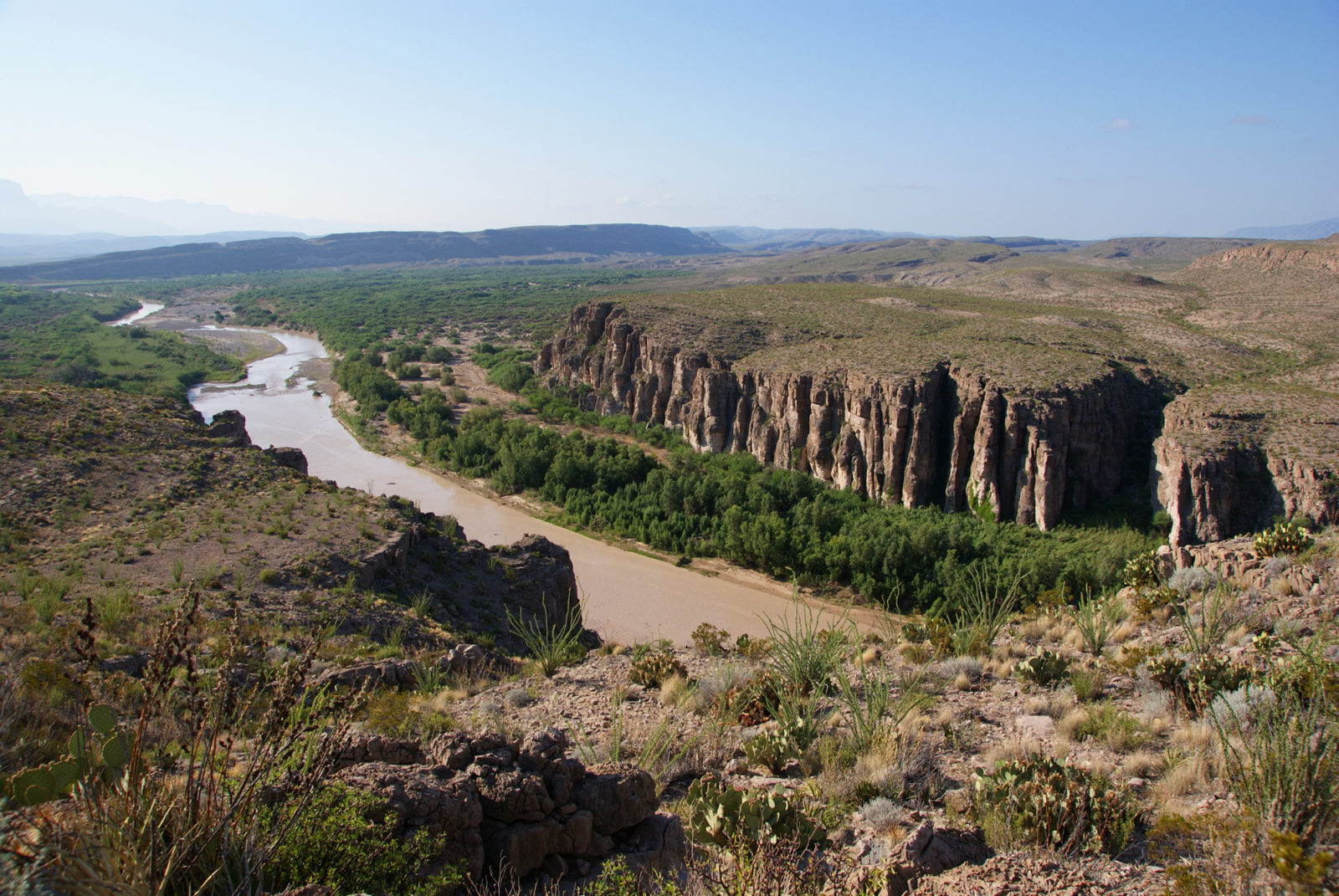
Big Bend National Park derives its name from the long, lazy bend in the Rio Grande, which cuts its way through this part of the state, creating the southern border of the United States. Over millions of years, the river has carved through the limestone, and at Santa Elena Canyon, it creases a spectacular gorge with walls as tall as 1,500 feet. One of the spots that’s easily accessible by car, the trail into the canyon leads along the rocky shores of the river and along the edge of the canyon wall for about a mile. More adventurous explorers may want to consider kayaking or canoeing more deeply into Santa Elena and exploring its rapids.
To close the loop, you’ll ascend 2,500 feet up Blue Creek Canyon into the high Chisos woodlands. Witness evidence of the 1989 human-caused Blue Creek Fire before you reach the Laguna Meadows and a flat trail. When you reach the summit, the only thing left is to descend back to the Chisos Basin where you began.
Hike to the border and cross into Mexico at Boquillas Canyon. A five-dollar rowboat ride will bring you south of the border. From there you can hike or hire a local burro to take you into the tiny town of Boquillas. Check out the nearby Hot Springs historic trail, which offers a short, one-mile riverside hike that passes a homestead, abandoned resort, pictographs, and natural hot springs.
For more Texas adventures, try surfing oil tanker waves in Galveston Bay or exploring on horseback.
Six Must-Try Texas Food Stands
Good eats come from all kinds of surprising spots.
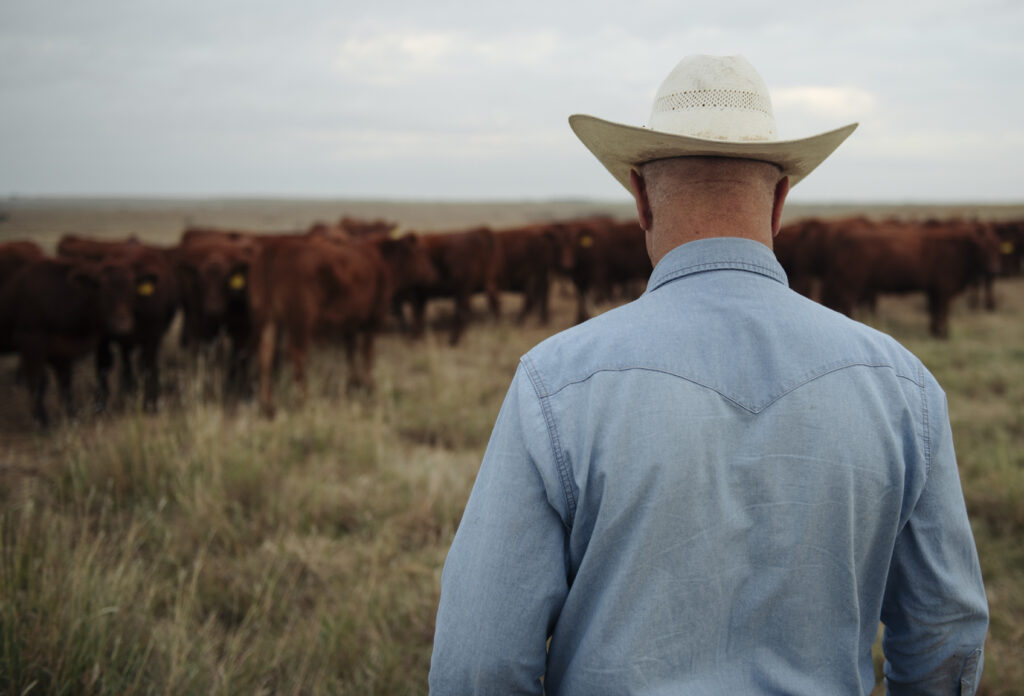
What a Pandemic Means for Texas Farmers and Ranchers
The future is uncertain, but the Brite Ranch has weathered tough times before.

How to Celebrate Texas Independence Day
From the Alamo to backyard barbecues, March 2 marks Texas’ bold stand for independence.
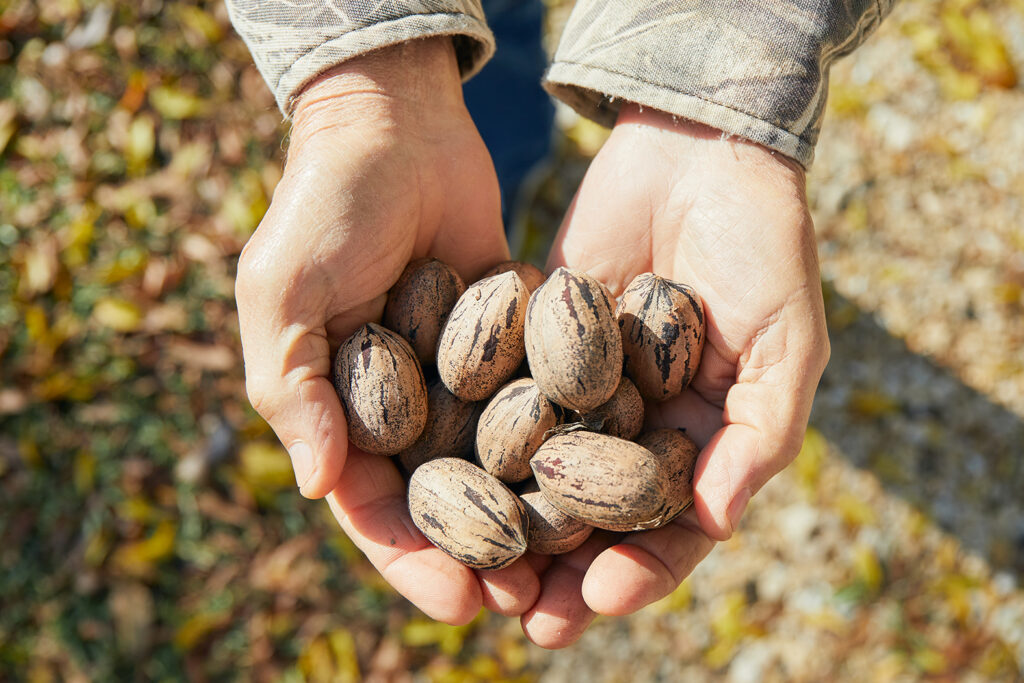
Texas is nutty for pecans.
The Ultimate Texas Holiday Guide
Make this holiday merry, bright, and safe with our Texas holiday guide!
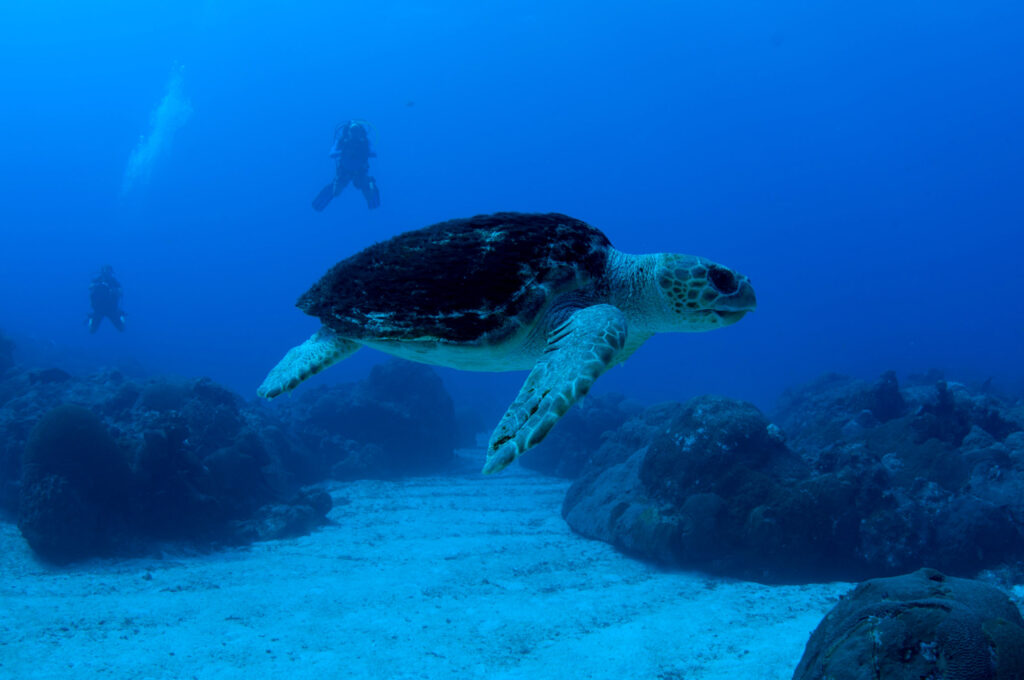
A Tour of Texas’ Unique Scuba Diving Spots
See underwater coral reefs and flooded nuclear bases while scuba diving in Texas.