Please sign in as a member or guest below to access it.
Please sign in as a member or guest below to access it.

Texas has long been a crossroads for people from different cultures and histories, but no cultural group has left as enduring a mark on contemporary Texan culture as Mexico.
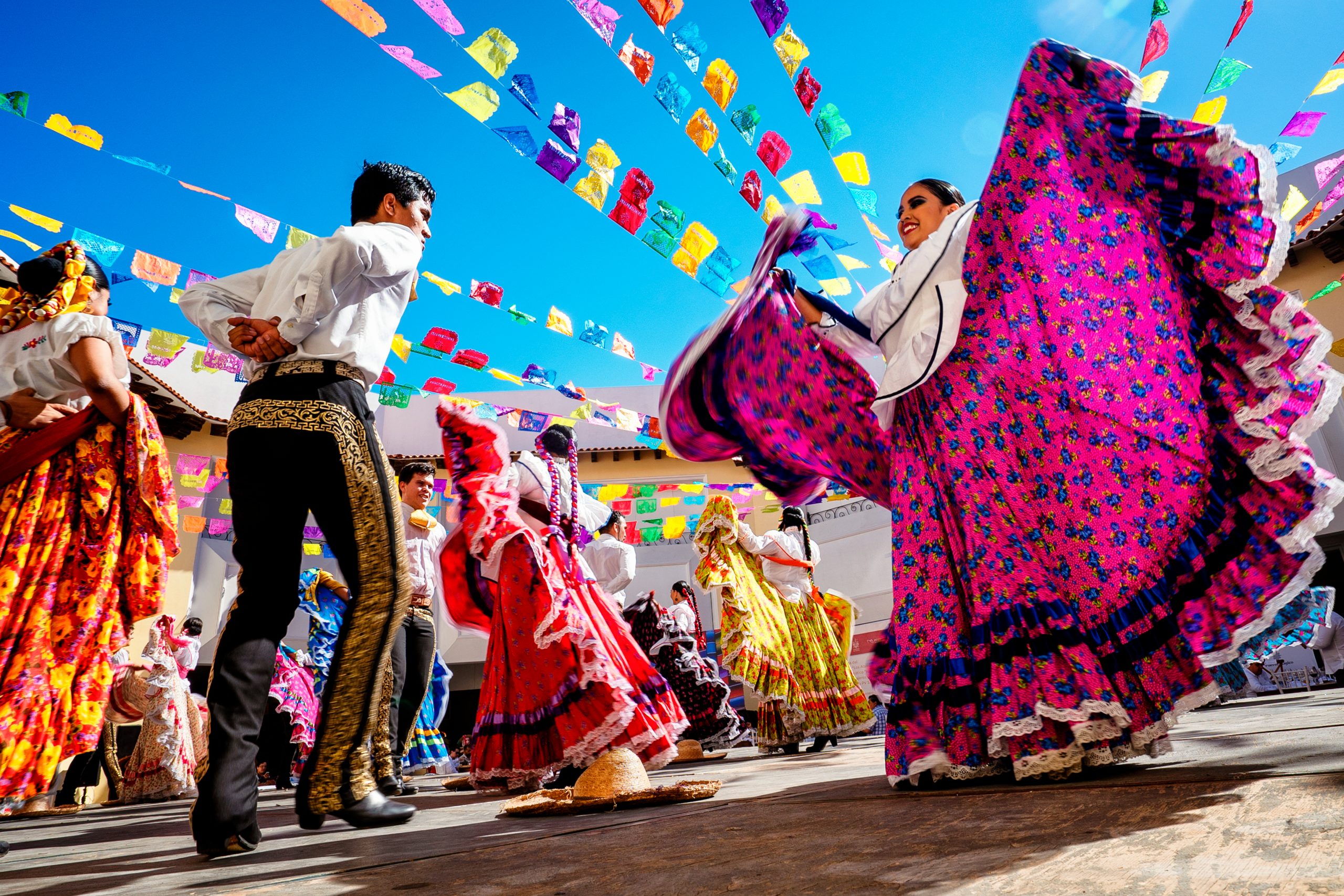
Texas has long been a crossroads for people from different cultures. In honor of National Hispanic Heritage Month and Mexican Independence Day, we explore the ways Mexican culture in Texas has shaped and continues to influence the state today. We delve into the stories of the places whose names derive from Mexican history, cultural tropes that are deeply rooted in Mexican culture, and words from the Spanish language that have become ingrained in Texan English. As we journey through the heart of Texas, we discover that the lines between these cultures have become beautifully blurred, creating a unique fusion that transcends borders. The result is a dynamic, evolving identity that celebrates both the shared history and the vibrant futures of Texas and Mexico.
The world over, if you mention Texas, people immediately think of the cowboy. But the fact that the cowboy — from the classic dress to the romantic mystique — derives directly from Mexican culture says everything you need to know about the interconnectedness of these cultures. But it’s not just the cowboy. Here are some classic Texas icons with Mexican roots.
Cowboys: The term cowboy was originally used to describe Mexican vaqueros (mounted herdsmen). Many cowboys in Texas were of Mexican descent, and they contributed to the development of cowboy culture in Texas.
Rodeo: The rodeo was created in Mexico in the 16th century as a way for cattle ranchers to showcase their skills. It eventually made its way to Texas as a competitive sport for cowboys working the 19th-century cattle trails, captivating audiences intrigued by the romance of life on the frontier.
Cowboy hat: The cowboy hat was also a Mexican invention, specifically by the vaqueros. It was designed to provide protection from the sun and the rain while herding cattle. It later became a fashion statement and a symbol of the American West.
Ranches: Ranches have a long history in Mexico, dating back to the Spanish colonial period. The Spanish government encouraged the cattle industry in Texas, and many ranches in South Texas were established before the American Revolution. The word itself derives from the Spanish term rancho, which was the headquarters of the ranchero.
Piñata: The origin of the piñata is contested. Some trace it back to an Aztec religious celebration, while others say Marco Polo saw the practice in China and brought it back to Europe. Either way, the classic party game, which was first documented in Mexico in the 16th century, is now a common feature of many types of Texan celebrations.
Cascarones: Cascarones are colorful eggs filled with confetti that are traditionally used in Mexican Easter celebrations. They have also become popular in Texas, where they are often used in Easter egg hunts and other celebrations.
Texas: The word Texas itself comes from the Caddo Indian word tejas, which means friends or allies. The Spanish adopted the word to describe the region, and it stuck.
The Alamo: The famous battle during the Texas Revolution in 1836 — and the films and popular media it inspired — turned this former Franciscan mission in San Antonio into Texas’ most popular tourist attraction. But that shared history also makes the Alamo a powerful symbol of Texan and Mexican heritage.
San Antonio Missions: These four Spanish colonial missions in San Antonio are a UNESCO World Heritage Site and a tribute to the area’s Hispanic heritage. Built in the 18th century to convert the Indigenous population to Christianity, they remain an impressive monument to the height of Spanish power in Texas.
The Rio Grande: This mighty river wasn’t always a contested borderland. It gave life to the fertile Rio Grande Valley, and even after it divided the two nations, a symbiotic transnational culture flourished. Today, it is a reminder of the ties that bind the U.S. and Mexico and of nature’s beauty and power.
Centro de Artes: This two-story art space in San Antonio is dedicated to exhibitions that tell the story of the Latino experience in the U.S. Shows focus on contemporary artists, with an emphasis on South Texas and regional creators, whose work offer unique perspectives into the identities of Latino communities in Texas.
Casa Navarro State Historic Site: This historic site in San Antonio was once the home of José Antonio Navarro, a prominent Tejano politician and signer of the Texas Declaration of Independence.
La Villita Historic Arts Village: This historic district of San Antonio is a charming, preserved Spanish colonial neighborhood that has been transformed into an arts and culture center. With galleries, shops, and restaurants, it’s a popular destination for tourists.
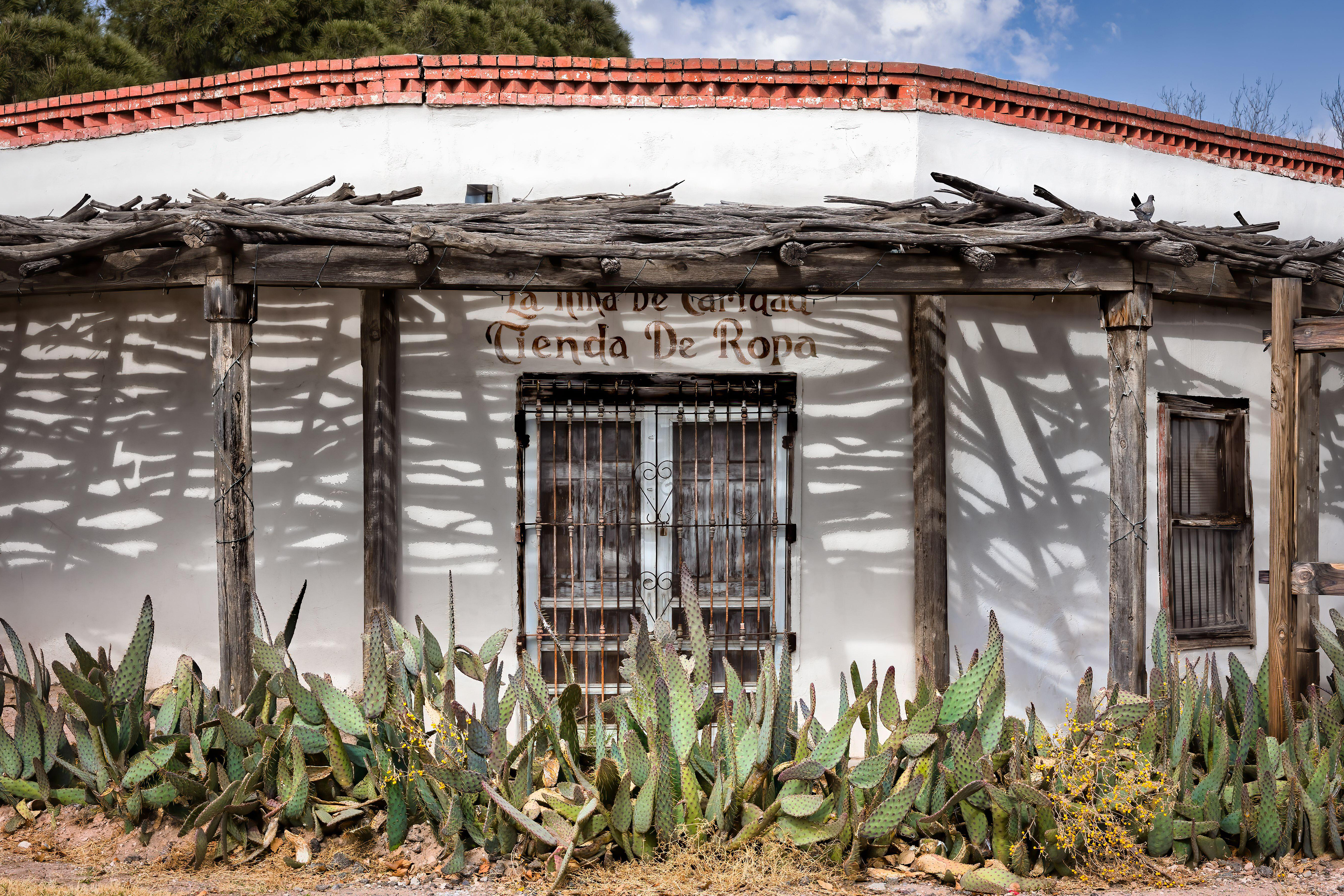
San Elizario Historic District: This historic district in San Elizario, located about 17 miles southeast of El Paso, is a well-preserved example of a Spanish colonial settlement in the region. With its adobe buildings, mission church, and museum, it’s a reminder of the rich history and culture of El Paso County.
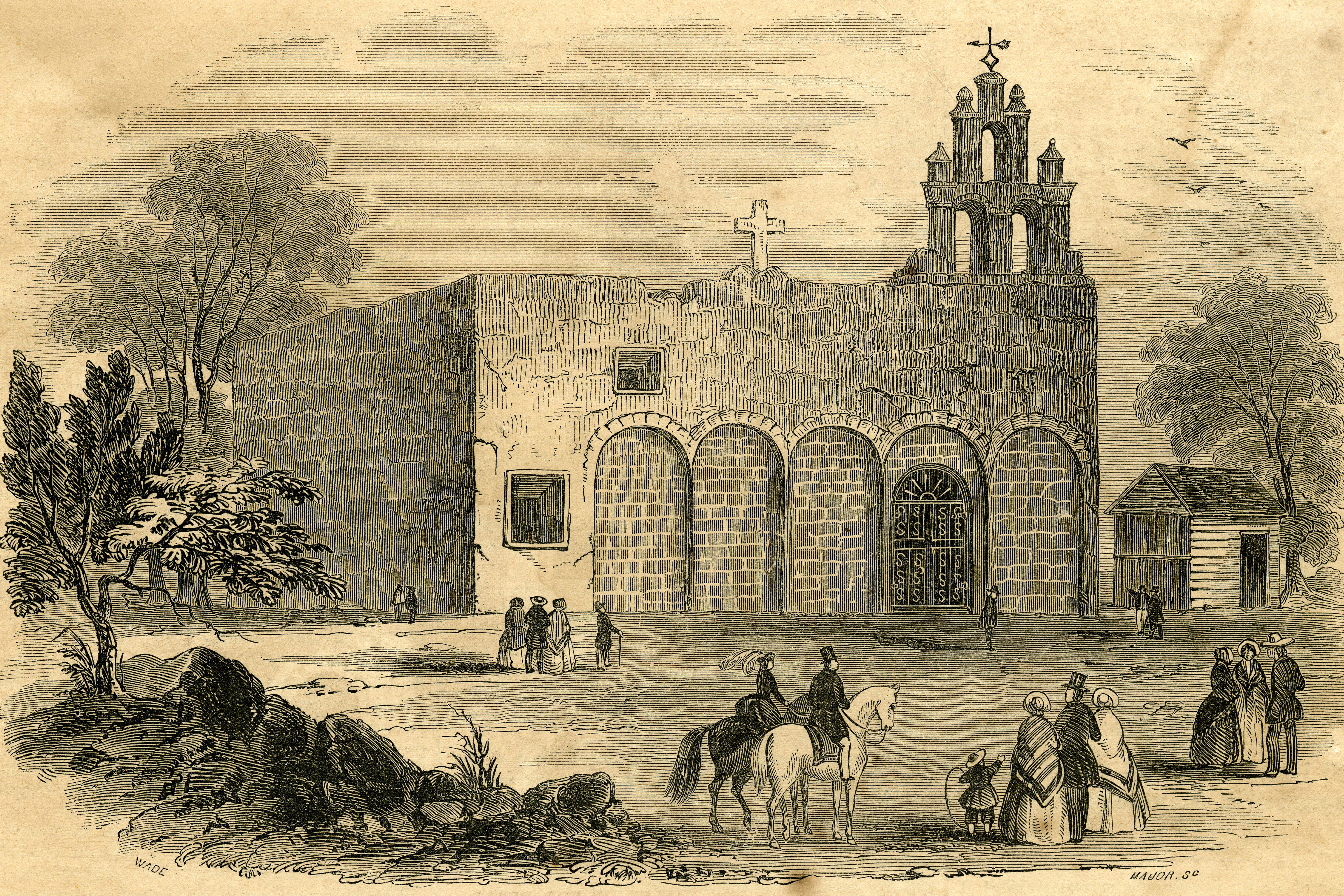
Several laws still on the Texas books can trace their origin back to the Spanish colonial days. Many of these concepts are so common that we take them for granted, not knowing their real roots.
Community Property: The Spanish legal system established the concept of community property, which means that assets and property acquired during a marriage are owned equally by both spouses.
Water Law: The Spanish established a system of water law that is still in use in Texas today. Under this system, water is considered a public resource that is subject to government regulation, and landowners are given the right to use water for domestic purposes and agriculture.
Homestead Exemption: The Spanish established the concept of homestead exemption, which means that a person’s primary residence is exempt from seizure by creditors. This principle is still recognized in Texas law today, most commonly as a property tax decrease for primary residences.
Eminent Domain: The Spanish established the principle of eminent domain, which gives the government the right to take private property for public use. This principle is still recognized — if controversial — in Texas law today.
Adverse Possession: The Spanish established the principle of adverse possession, which allows a person who has used someone else’s property openly and continuously for a certain period of time to claim legal ownership of that property as long as they meet the burden of proof.
Spanish and English have long lived shoulder-to- shoulder in Texas, which has led to some unique linguistic traditions and conventions. Ready to brush up on your Spanglish?
¡Adiós!: Bye!
Amigo: friend
Chisme: gossip
Comadre/Compadre: close friend or confidant
Fiesta: party
Gringo/a: foreigner, specifically an American; likely derived from the Spanish “griego,” meaning “Greek”
¡Hola!: Hello!
Mamacita/papacito: terms of endearment, often flirtatious
No problemo: no problem
Patio: yard
¿Qué pasa?: “What’s up?” or “What’s happening?”
Señorita: young woman or girl
Siesta: literally, “sixth hour,” when shops in Spain close to rest out the hot weather
Sombrero: hat
Taco: from the Nahuatl word tlahco, which means “half” or “in the middle”
Telenovela: a Spanish-language soap opera
Tortilla: literally, “little cake”
¡Vámos!: Let’s go!
Vato (slang): guy, dude
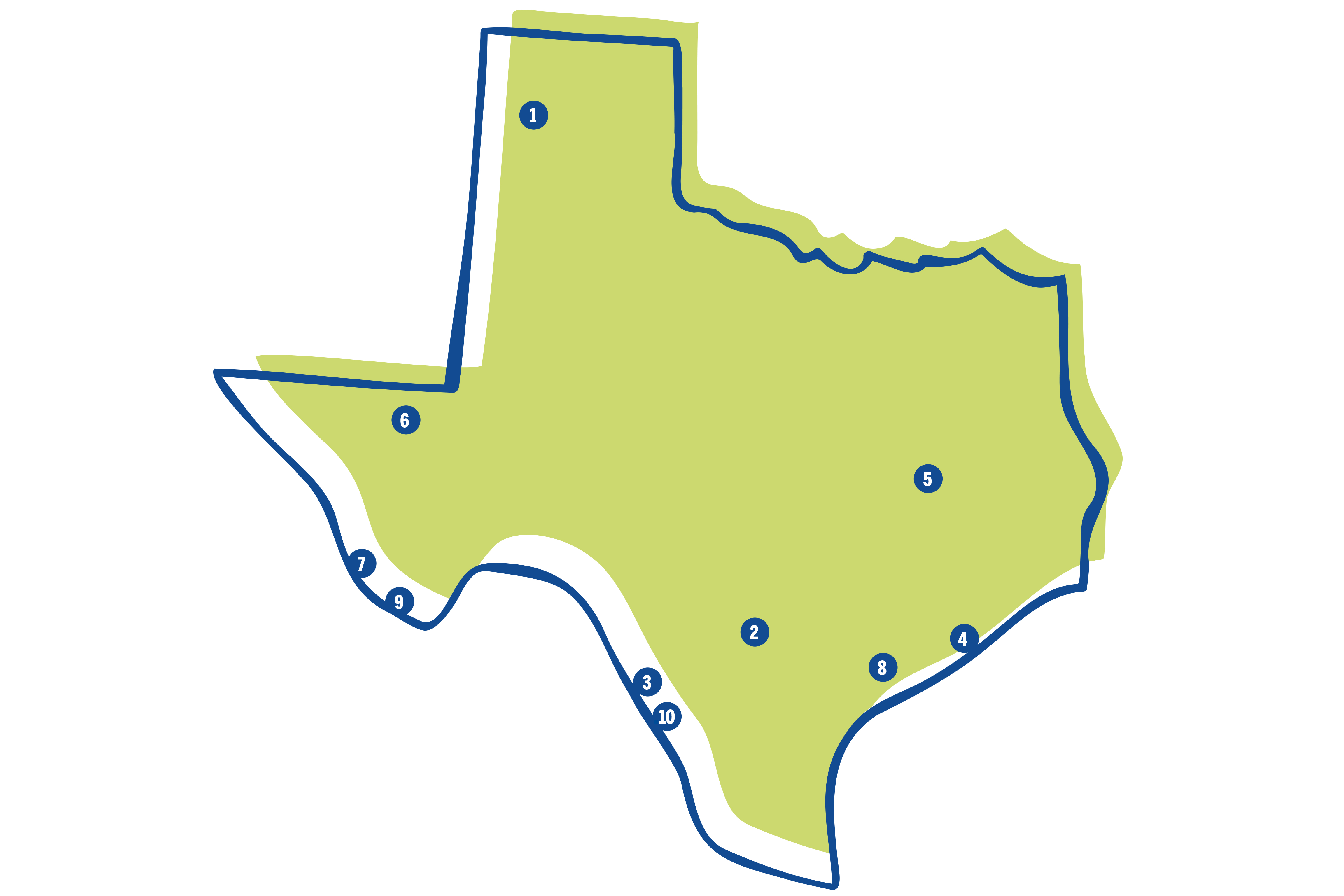
The Spanish named many cities and geographical features after Christian saints (San Antonio) or, after descriptors, like El Paso (named for the pass from the desert into the southern Rocky Mountains). But what are the meanings of some of Texas’ other Spanish-origin locations? Here are a few you may not know.
1. Amarillo: This Panhandle city’s name, the Spanish word for “yellow,” was inspired by the color of the area’s subsoil.
2. Bexar: Pronounced “bear,” this South Central Texas county, named after San Antonio de Béxar — originally Villa de San Fernando de Béxar — the first civil government established by the Spanish in the province of Texas.
3. Laredo: This border city is named after the Spanish city of Laredo in Cantabria, on Spain’s northern coast. There are disputing records of why early settlers chose to name the former Rio Grande ferry crossing after the town.
4. Matagorda: This southeast coastal county’s name means “thick brush” or “dense forest,” reflecting the area’s natural landscape.
5. Nacogdoches: This East Texas city’s Native American name was later adapted by Spanish settlers. The name means “the place of the high ground.”
6. Pecos: This West Texas city takes its name from the Pecos River, which is derived from a Spanish adaptation of the Native American name for the Pecos Pueblo (p’æyok’ona).
7. Presidio: This town in Far West Texas is named after the Spanish word for “fortress” or “castle,” reflecting its historic significance as a frontier military outpost.
8. Refugio: This coastal county in southeast Texas has a Spanish name that means “refuge” or “shelter,” reflecting the area’s historical importance as a safe haven for settlers.
9. Terlingua: Before it became a popular stop-off for travelers moving in and out of Big Bend, this ghost town was named for its position at the convergence of the nearby creek’s three forks: the tres lenguas, or “three tongues.”
10. Zapata: This county in South Texas is named after Col. Antonio Zapata, the Mexican revolutionary who fought for land reform in the early 1800s.
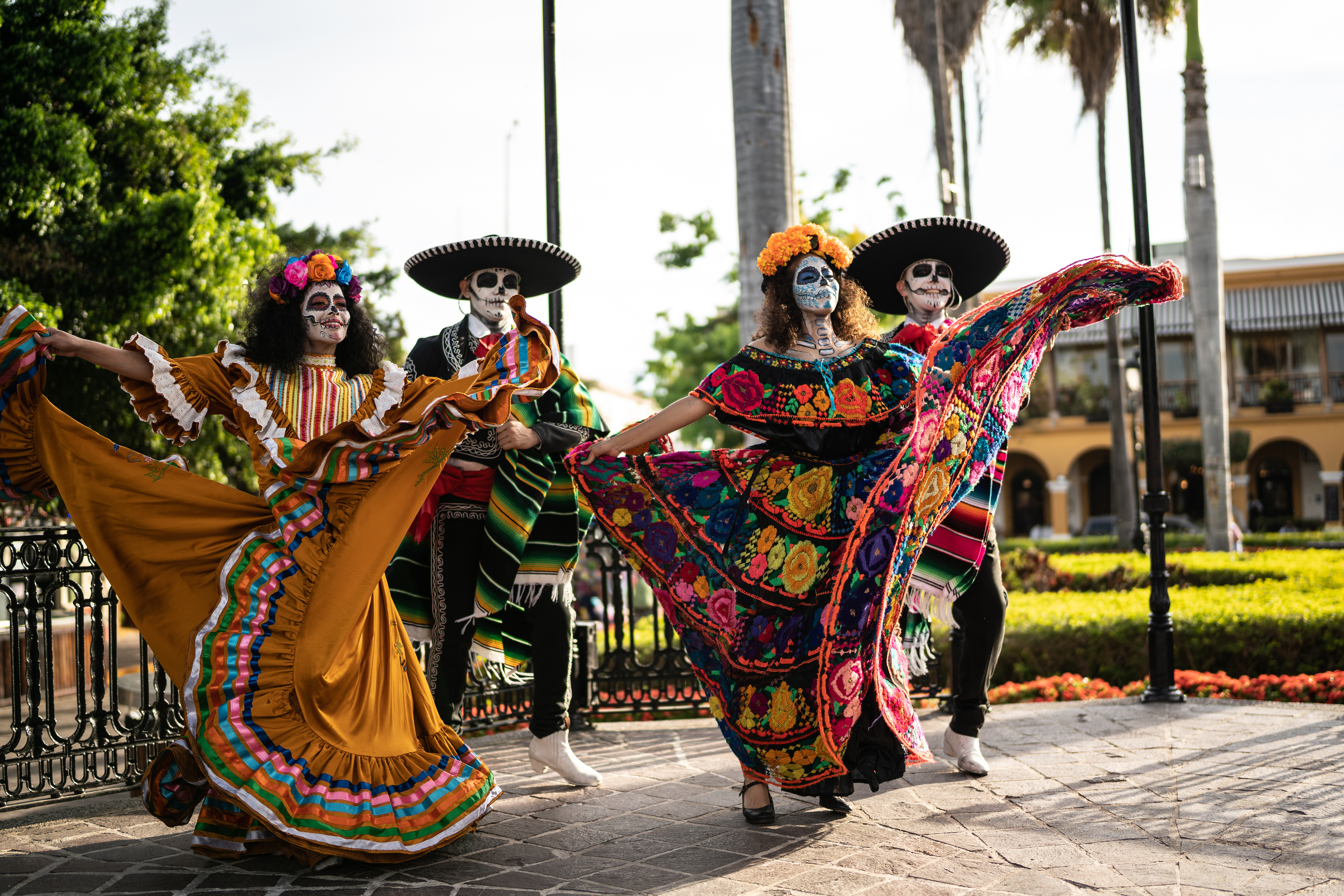
Mexican Independence Day: Mexico gained independence from Spain in 1821. However, the holiday is celebrated on Sept. 16, honoring Miguel Hidalgo y Costilla’s 1810 declaration that sparked the Mexican War of Independence. Festivities include fireworks, parades, and traditional food like chiles en nogada.
National Hispanic Heritage Month: The month, dedicated to celebrating the contributions and accomplishments of Hispanic Americans, kicks off the day before Mexican Independence Day. Attend cultural events, read books by Hispanic authors, and explore new Hispanic cuisine and music.
Day of the Dead: Observe this significant Mexican holiday on Nov. 1-2 by learning about it. Often, those observing will build and maintain an altar for deceased loved ones and decorate with marigolds. Enjoy traditional foods like pan de muerto and tamales and join in parades and festivities.
Quinceañeras: Celebrate a young woman’s coming of age on her 15th birthday with a traditional ceremony. Attend a Catholic Mass, followed by a reception with food, music, and dancing. The quinceañera wears a formal gown and is presented to the community as a young adult.
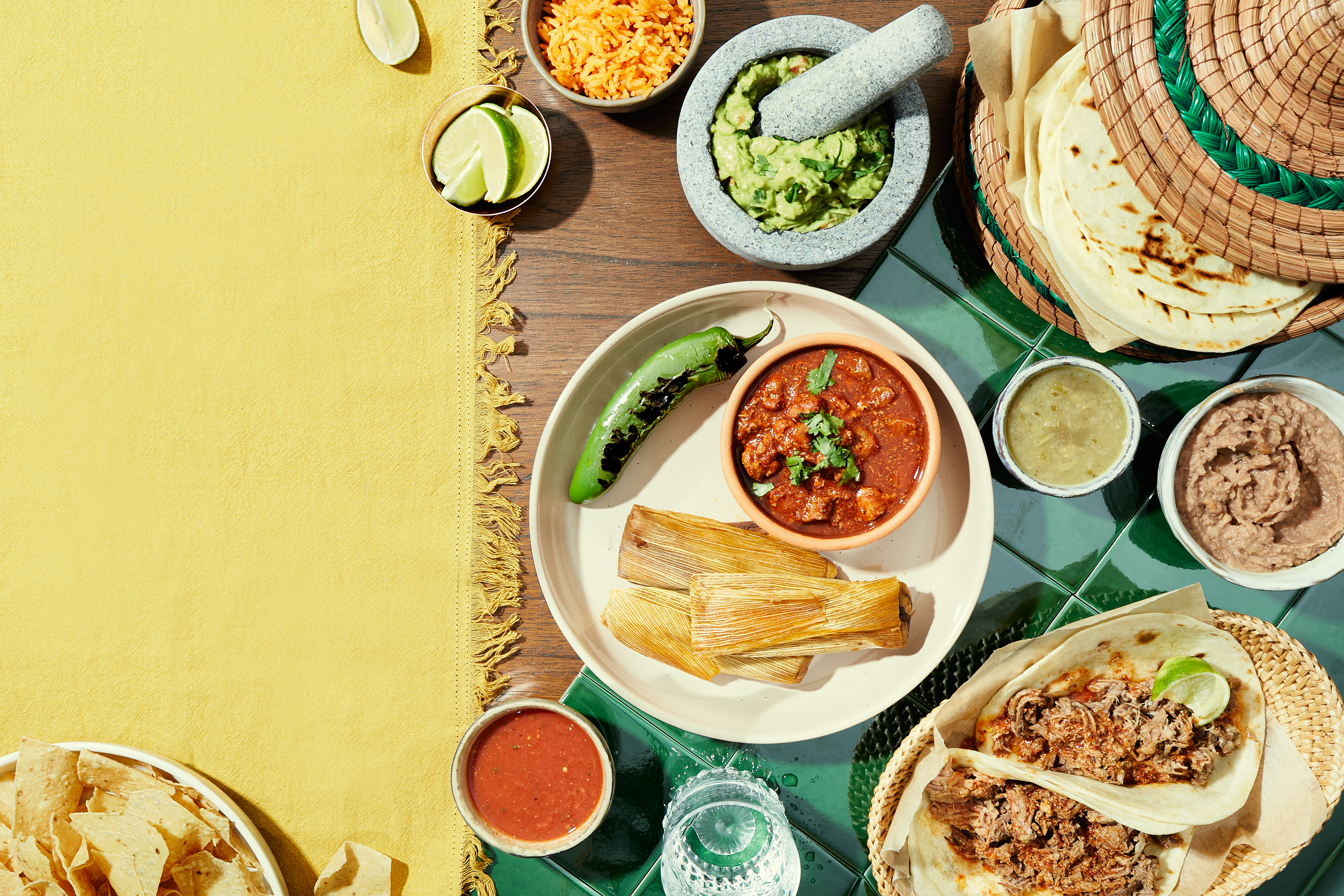
There is perhaps no better expression of the blended traditions of Mexican-, Anglo-, and Native American Texas than Tex-Mex cuisine. Tex-Mex fuses Mexican and American ingredients and styles of cooking. The result — dishes chili con carne, fajitas, and nachos — have become cultural staples shared across borders. Mexican ingredients like cilantro, cumin, and chiles are also commonly used in Texan cuisine, as are Mexican techniques like roasting and grilling. And Mexican barbacoa has left an important imprint on Texas barbecue culture, just as prior generations of Germans and Czechs influenced Texas barbecue styles. Here are the stories behind some of the classics.
Chili con carne: Though there is debate around the origins of chili — including one legend that attributes the first recipe to a 17th-century teleporting Spanish nun — by the 19th century, there were reports of cowboys cooking a variation of the hearty stew of meat, spices, and chiles along the trail. The dish was popularized by the famed Chili Queens of San Antonio, who sold bowls of chili scooped from large simmering pots. The Chili Queens were a staple of San Antonio life until the late 1930s, when the stands were forced to consolidate to a central commissary kitchen, with local officials citing sanitation concerns.
Christmas tamales: These steamed bundles of masa filled with meat, cheese, or vegetables are a beloved part of Christmas traditions in Mexico and Texas. Tamales trace their roots back to pre-Columbian times when Aztecs, Mayans, and Incas made some version of the dish. The name comes from the Nahuatl word tamalii, which simply means “wrapped food” and is the basis for so much of Mexican cooking. The pork tamales that are now common on tables around Christmas time didn’t emerge until the Spanish arrived with pigs in tow.
Barbacoa: This slow-cooked meat dish originating in Mexico has become an essential part of Texas barbecue culture. Traditionally made by slow-cooking beef or lamb over an open fire or in a pit, barbacoa has been enjoyed for centuries by Mexican ranchers and workers. Today, there is one taqueria — Vera’s Backyard Bar-B-Cue in Brownsville — that makes the most traditional version of this dish by burying and steam-smoking a cow’s head underground.
Guacamole: This creamy, tangy dip made from avocado, lime juice, and spices is a staple of Mexican and Tex-Mex cuisine. The Aztecs made a version of the popular party dip called “ahuaca-mulli.” When the Spanish arrived, they added new flavors like onions and cilantro and butchered the pronunciation of the name, leading to the emergence of guacamole as a storied staple of Super Bowl parties everywhere.
If this has inspired you to craft your own Hispanic heritage celebration, check out five regional Tex-Mex guacamole twists that are sure to be the perfect blend culturally flavors.
It’s Yuletide season, y’all!
We may not have sleigh bells and fresh snow, but there are plenty of holiday traditions that make Texas the perfect place to be.

Roundup: Guides to Water Sports in Texas
Find inspiration for your next aquatic adventure.
The Story Behind the $300K Hereford Steer
Two brothers from Meadow share how they led their steer to a record-breaking title.
3 Oktoberfest Celebrations in Texas
From traditional food to big, blowout festivals, here are our favorite ways to embrace German culture this fall.
Winter Activities for When It’s 70 and Sunny
Are you familiar with hygge?