Please sign in as a member or guest below to access it.
Please sign in as a member or guest below to access it.

While Wiggins Farms grows crops in East Texas and The Rio Grande Valley, they're building a legacy.
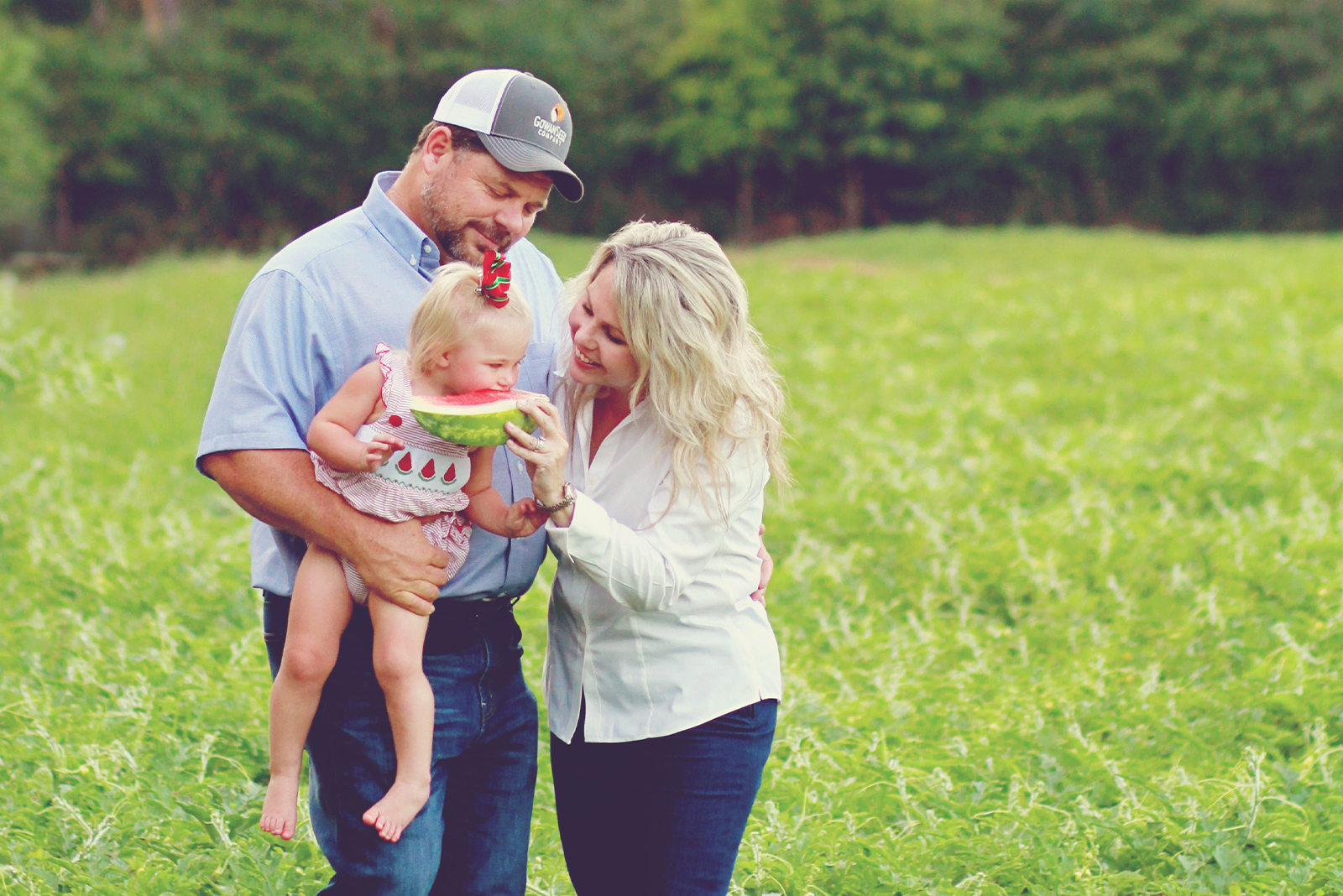
Kerri Wiggins of Wiggins Farms speaks with the most endearing Southern accent. It’s the sweet lilt of Sunday mornings, potlucks, hair salons, and bragging about your children. She loves to talk about what matters most to her: acres of rich soil, family members to work the land, and children to carry on the legacy. In short, she’s the epitome of the rural Texas matriarch.
“Our family has been farming for five generations,” Kerri says. “We’ve been farming in the Rio Grande Valley for 20 years.”
Watermelon is the main focus on Wiggins Farms, but the Wigginses also grow onions, along with a rotation of corn, grain, and wheat. It’s truly a family-run business, with husband Darren and their two sons, Jared and Jesse, working the farm and playing key roles in its operation. Jared’s wife, Ashlyn, and Jesse are key in the sales office, while Jared runs the newer East Texas farm as well as helping in the Valley.
Beyond their own fields, the Wigginses have also been watermelon advocates. Jesse is president of both the Texas Watermelon Association and the National Watermelon Promotion Board. “Everyone is a key player in the support of this industry,” Kerri says. “It’s a team effort, and everyone’s contributions matter. It takes everyone, from the shed to the field to the store.”
Farming watermelon is especially labor-intensive because everything is done by hand. It’s one area of farming that cannot be easily industrialized. The behemoth steel harvesters that do so well with other crops would destroy the watermelons, leaving behind a pulpy mess. Kerri explains that in the absence of these machines, the farmers are the ones who must work with precision.
“My husband is particular about how they walk through the fields, how they harvest them.”
People aren’t the only ones who have to work the land. Honeybees have an important job as well. They must pollinate every single watermelon blossom for it to bear fruit. There are other environmental factors that impact watermelon growth.
The wind is so ferocious in the valley that months before planting watermelons, you must first plant grains and grasses in between the rows; these serve as windbreaks. Then you have to kill those plants to keep them from stealing nutrients from the watermelons.
All this — the windbreaks, the pollination, the harvesting by hand — must be done months in advance, so the crops can be ready for three important holidays when most Americans eat watermelons: Memorial Day, the Fourth of July, and Labor Day.
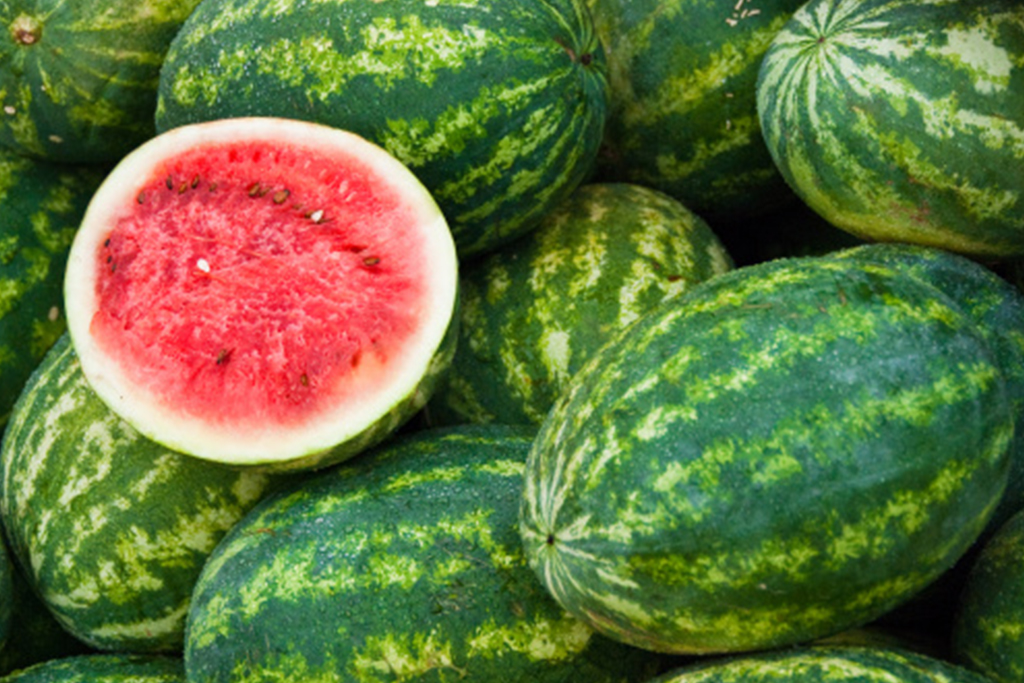
Despite all the challenges, business has been good for Wiggins Farms. Texas’ early warm weather gives watermelon farmers a longer growing season, enabling them to get their watermelons to market first.
Three years ago, the family expanded their operation to Shelby County in East Texas, a move that’s created a brand-new challenge: The family was spread thin over the 500 or so miles between the two farms. That’s a lot of miles on the pickup truck.
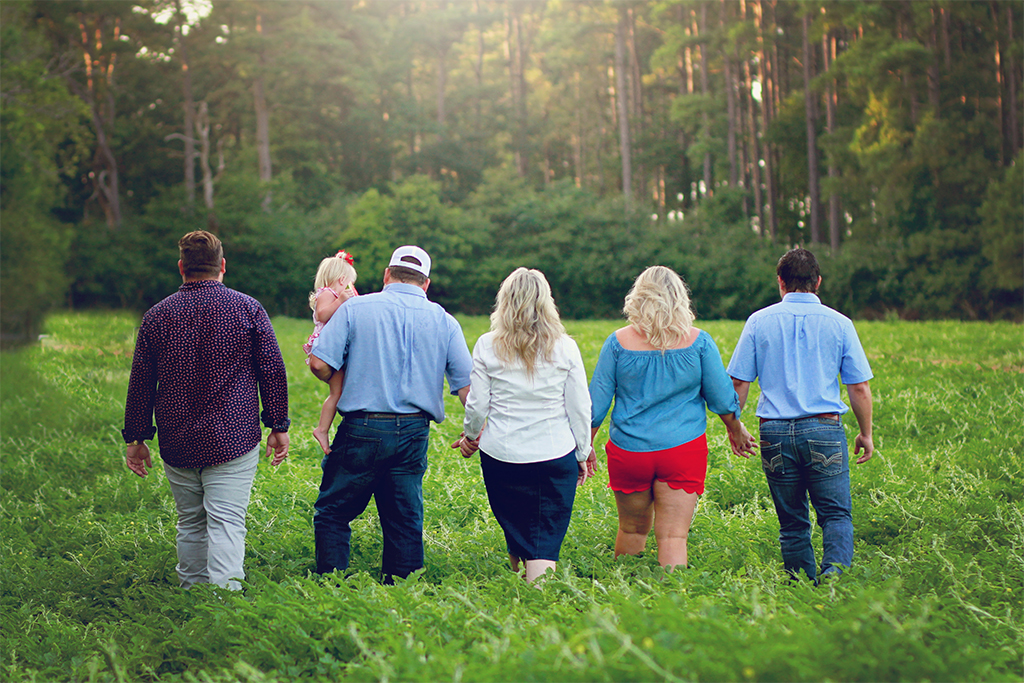
But Kerri appreciates the dynasty they are building and loves that her grandchildren can walk through the fields just as Darren’s grandfather once did. These fields support her family, which, as her sons marry and have children, has become several families — or as the matriarch would say, “Nothing like planting something and watching it grow.”
Ryan Pinkston, the Wiggins family’s Texas Farm Bureau Insurance Agent, has known them for enough years to have a true admiration for what they’ve built. Pinkston describes Darren as the kind of person you could call and count on at 4:30 in the morning if you were on the side of the road.
He’s committed to being the same kind of person for Darren. “They put 1,500 miles on the truck in one weekend,” he says. “They’ll make a couple trips a week. It’s very important to know what your coverage includes; they’re on the road so much, roadside assistance and towing are essential. They have that coverage. Hope they never need it.”
Pinkston meets with the Wigginses every year to review all their coverage; with a farm-and-ranch policy, commercial coverage of their offices and watermelon warehouses, a business vehicle, and personal home and auto, there’s a lot to protect.
Pinkston is confident the Wigginses’ expansion will work out well. “They mesh so well together. They want to be in the farming business,” he says, “and they’re very good at it. Even though we’re losing that more and more in today’s society, they’re passing that farming tradition on to the kids.”
Call your Texas Farm Bureau Insurance Agent to talk about building your legacy with the right coverage.
Coverage and discounts are subject to qualifications and policy terms and may vary by situation.
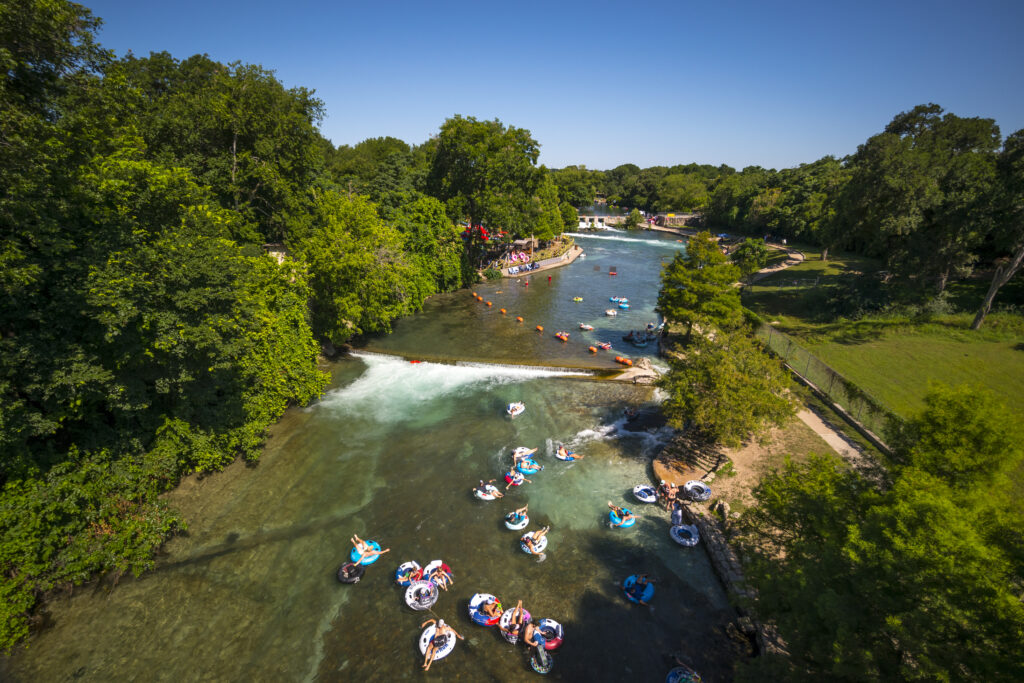
The Ultimate Guide to Texas River Tubing
Which river to choose, what to bring, and where to jump. We have your answers here.

Go ‘fore’ the win.

6 of the Best Doughnut Shops in Texas
While delicious, not all doughnuts are created equal.
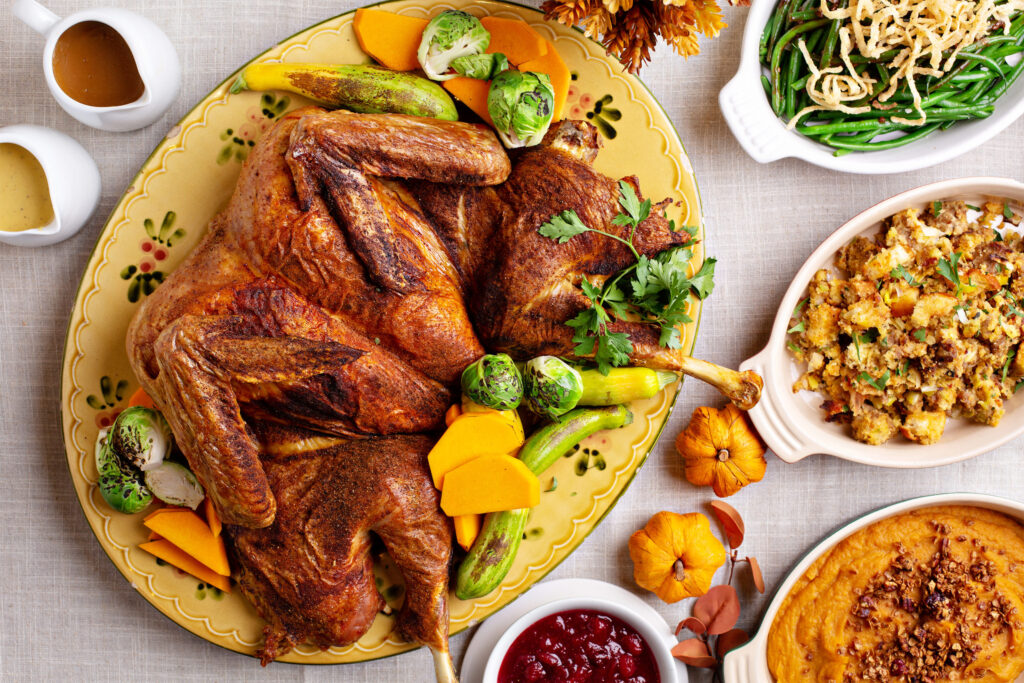
Start-to-Finish Thanksgiving Dinner Ideas
It’s all about the sides. And the pies. And the drinks. And the rolls.
A must-hit list of museums, from the essentials to the esoteric.
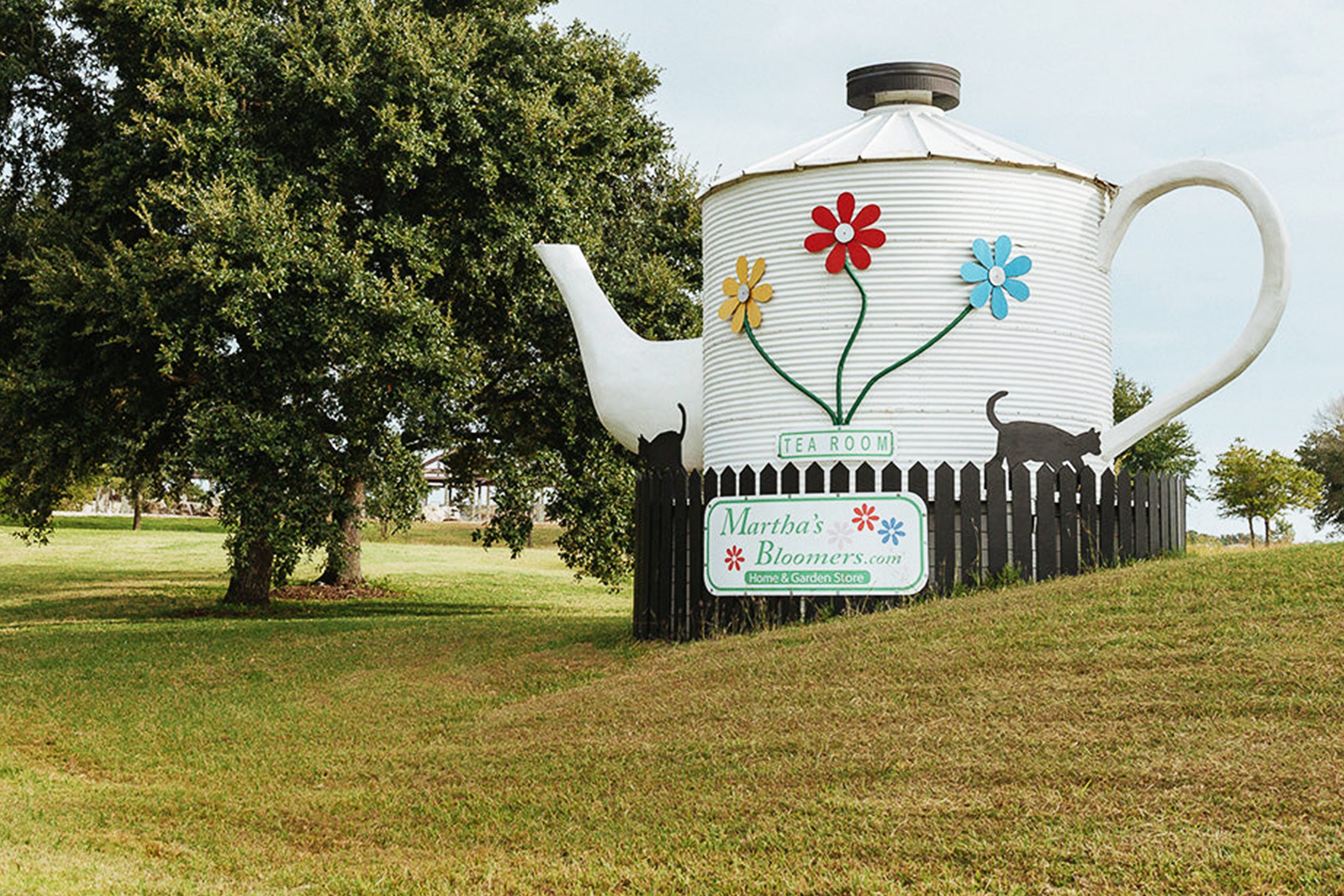
Unusual Texas Roadside Attractions
They have to be seen to be believed.