Please sign in as a member or guest below to access it.
Please sign in as a member or guest below to access it.

Sixteen national parks. One big state.
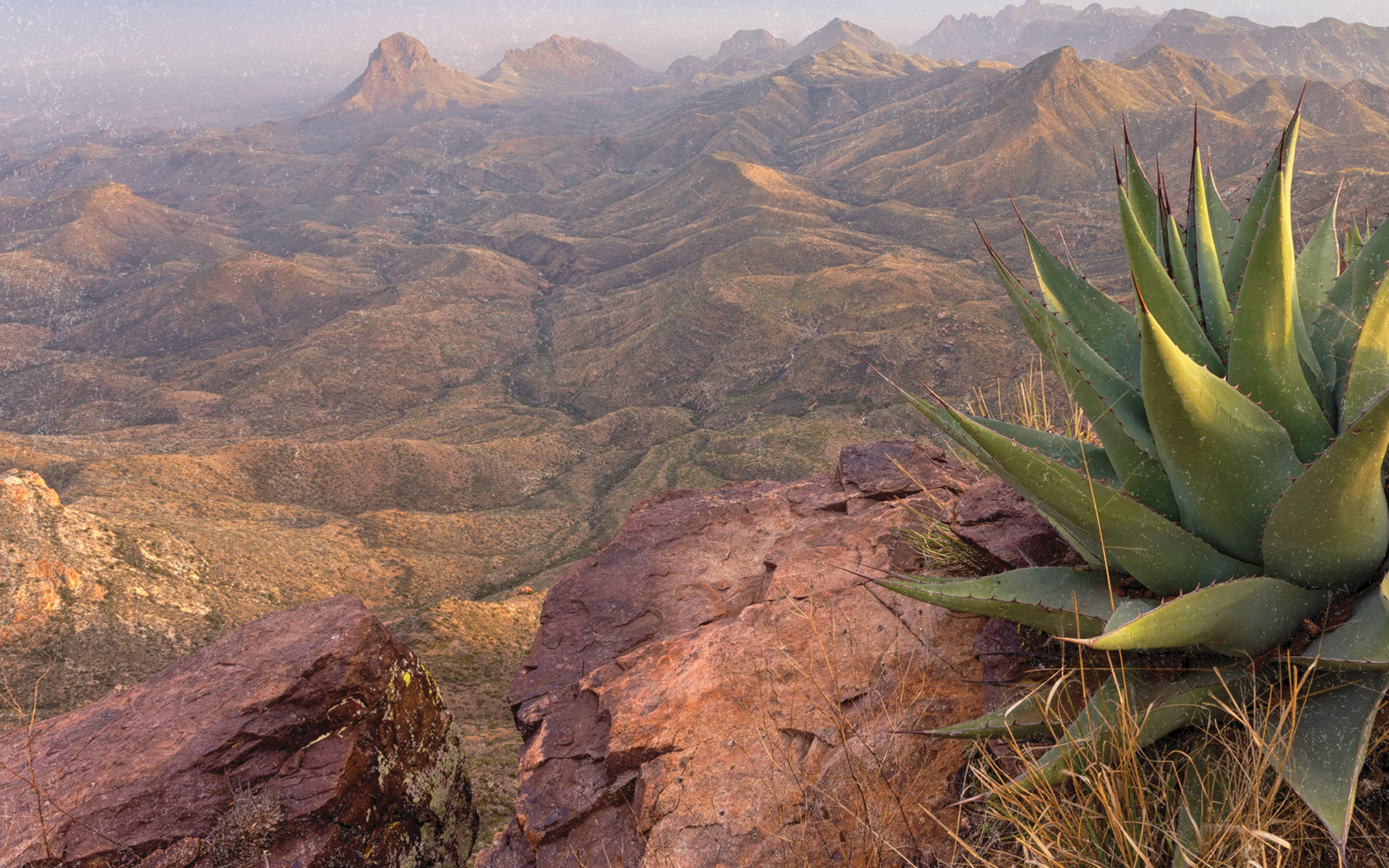
The day began before dawn, at the basin of the Chisos mountain range in Big Bend National Park and on up the trail winding through a valley, following a difficult set of switchbacks that quickly rise 2,000 feet up the canyon before settling onto the top of the ridge line.
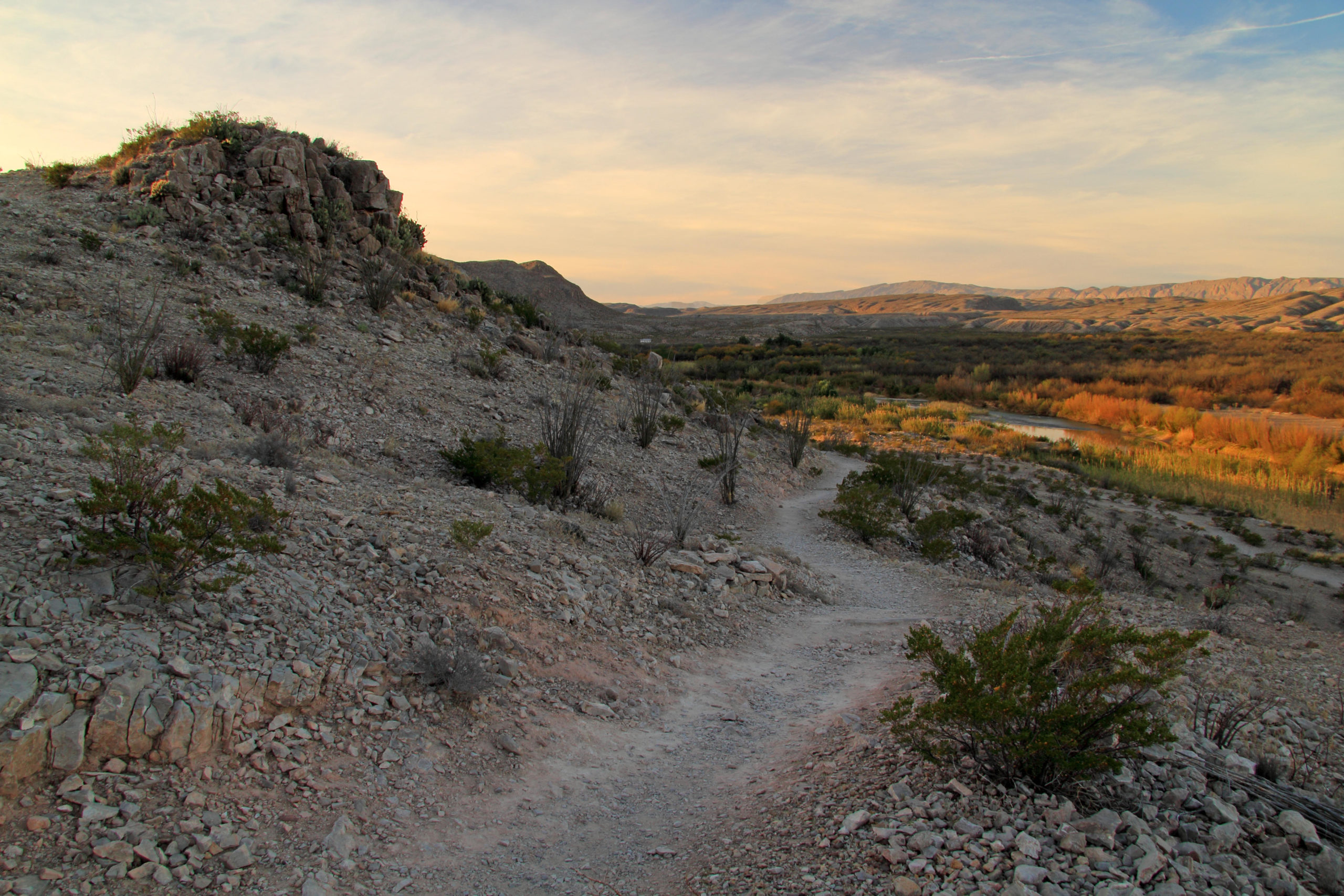
The park office back down in the basin warned of mountain lion sightings nearby, but I wasn’t lucky enough to see them on this trip. What I would see, however, is perhaps the most stunning and iconic sight in Texas: the view from the South Rim, a sheer drop off the southern face of the Chisos that looks out on the wide expanse of the Chihuahuan Desert.
In the late afternoon sun, the wash of color and texture extends all the way across the Rio Grande and into Mexico. If there’s a single spot that captures the extraordinary diversity of character of Texas’ national parks, this is it.
The 16 National Park Service sites Texas enjoys include preserves, historic sites, and two National Historic Trails, which protect overland routes that were instrumental in the foundation of the United States. They should be on every Texan’s bucket list.
Big Bend National Park: Established in 1944, Big Bend was the first of Texas’ parks to enter the national system. Because of its relative isolation in the far southwestern corner of the state, it is also the least visited national park in America. Nonetheless, an adventure in Big Bend is a Texas rite of passage. Begin your journey at Santa Elena Canyon, whose dramatic walls rise upward of 1,500 feet off the shoreline of the Rio Grande. There are many hiking paths, campsites, and dirt roads that cut their way across the park’s massive expanse of desert, and even a spot where you can take a donkey across the border into Mexico. In the center of the park, the Chisos Mountains sit like an oasis in the middle of the sparse desert landscape. They feel like a park unto themselves, with canyons, waterfalls, blooming vegetation, and an incredible diversity of wildlife.
Chamizal National Memorial: An urban park in El Paso celebrates the peaceful resolution to a 100-year border dispute between the U.S. and Mexico.
El Camino Real de Tierra Adentro National Historic Trail: Two of the national park system’s historical trails cut through Texas. This small portion of the “Royal Road” that the Spanish followed into the interior of New Mexico cuts through the far western corner of the state in El Paso and the Guadalupe Mountains.
Fort Davis National Historic Site: Fort Davis is perhaps the best preserved of the 19th-century U.S. Army forts that were constructed throughout the southwest to protect wagon trains, early settlers, mail routes, and land claims.
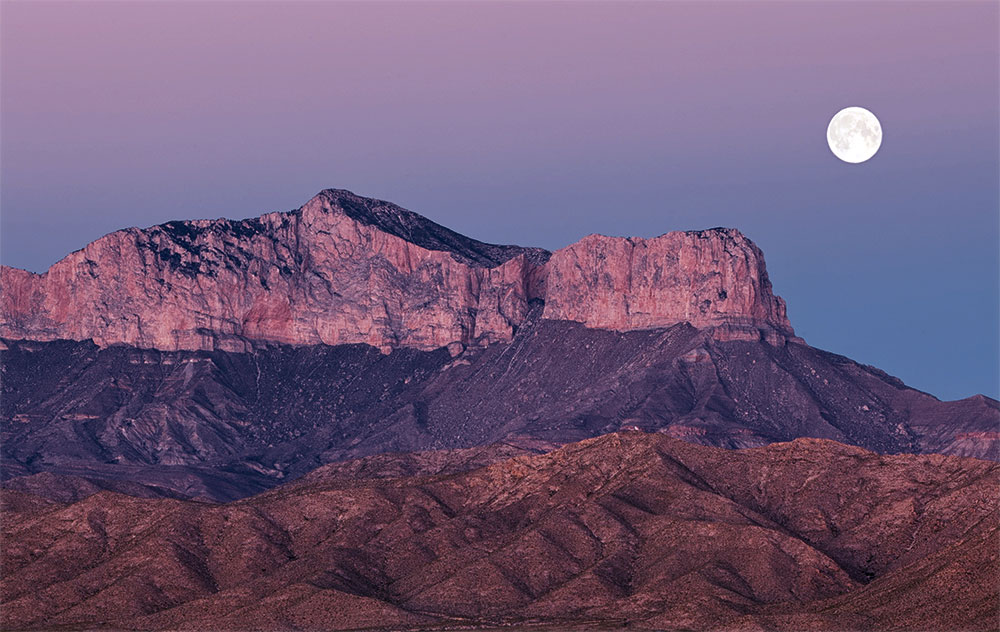
Guadalupe Mountains National Park: The Guadalupe Mountains leap out from the flats of West Texas along the New Mexico border. The mountains have been home to humans for more than 10,000 years, and, from the time of the earliest Spanish explorers through the establishment of overland trading routes in the 19th century, they have played a pivotal role in shaping the history of the Southwest. The park affords hiking and camping through its three major ecosystems: piñon pine-spotted deserts, maple- and ash-covered canyons, and alpine uplands. But no trip to the Guadalupe Mountains would be complete without catching the view after sundown, when the stars are bigger and brighter than anywhere else in the state.
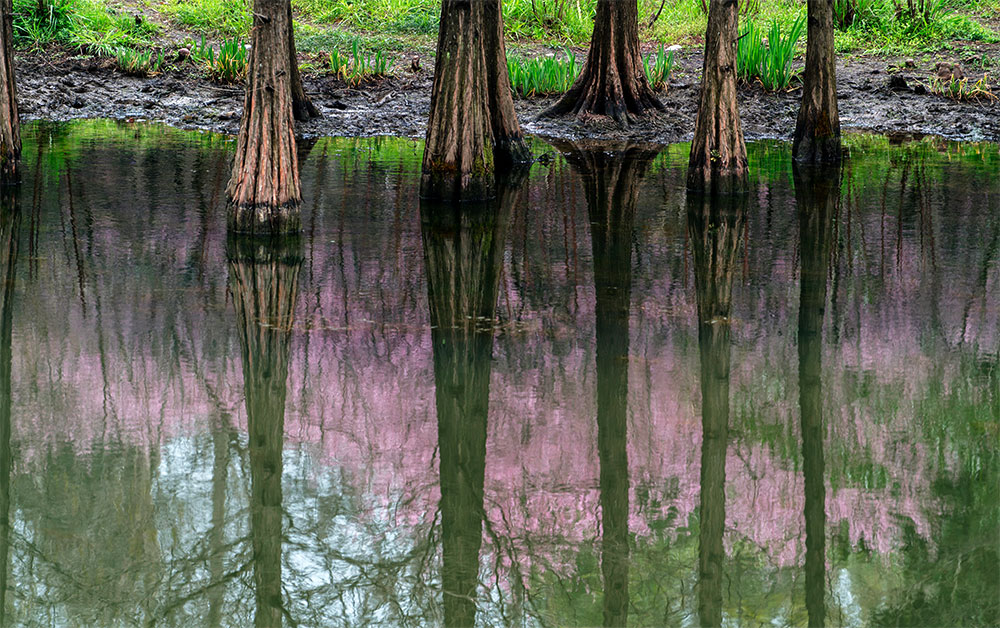
Big Thicket National Preserve: In their book Big Thicket Legacy, Campbell and Lynn Loughmiller sum up the strange appeal of the spooky, swampy East Texas forest like this: “One’s fondness for the area is hard to explain. It has no commanding peak or awesome gorge, no topographical feature of distinction. Its appeal is more subtle.” That subtlety is belied by an astounding biodiversity unparalleled by any region in the world outside of the tropics. Visitors today enjoy paddling in the dank waters, hiking through the extraordinary forest, and camping out in the mysterious woods that have inspired numerous ghost stories.
El Camino Real de los Tejas National Historic Trail: The other of two national historical trails that wind through the state, this path follows the trading route across southeast Texas that the earliest Anglo settlers took to get here.
Alibates Flint Quarries National Monument: Now a significant archeological site, the quarries once yielded colorful flint that early inhabitants used for hunting mammoth 13,000 years ago out in the wide stretches of the high Panhandle plains.
Lake Meredith National Recreation Area: The 10,000-acre lake is an oasis in the middle of the Panhandle that attracts boaters, swimmers, campers, hikers, and anglers.
Lyndon B. Johnson National Historical Park: The preserved birthplace, home, and final resting place of the 36th president of the United States honors a man whose character was shaped by the rugged Texas Hill Country.
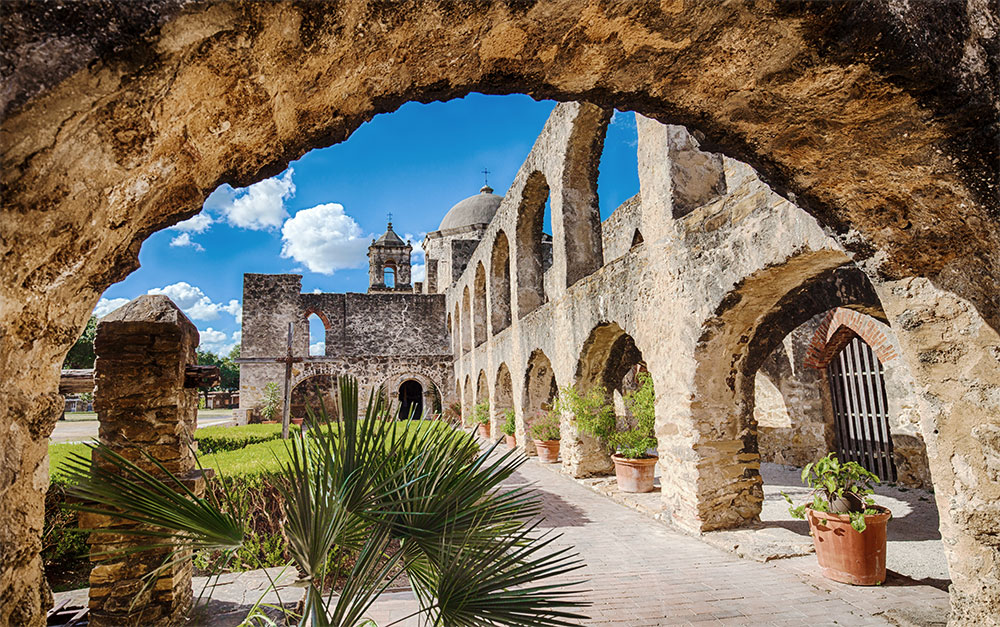
San Antonio Missions National Historical Park: The earliest sites of the missions located in the heart of San Antonio were established in the 1600s as outposts of a new European culture looking to spread its control and influence. Today, the four Spanish frontier missions stand remarkably preserved, offering insight into the lives and culture of the state’s first European settlers and sites that played a major role in shaping the history of the state. The park offers plenty of educational opportunities and connects the historic sites through 15 miles of hiking, biking, and paddling trails.
Waco Mammoth National Monument: One of the newest national parks, this paleontological site contains the remains of a nursery herd of mammoths. President Barack Obama issued a presidential proclamation in 2015 to protect the 67,000-year-old fossils.
Amistad National Recreation Area: The International Amistad Reservoir has created ecological issues including difficulties with preserving ancient Native American rock art upstream. But the huge lake off the Rio Grande has become a very popular destination for watersports and angling.
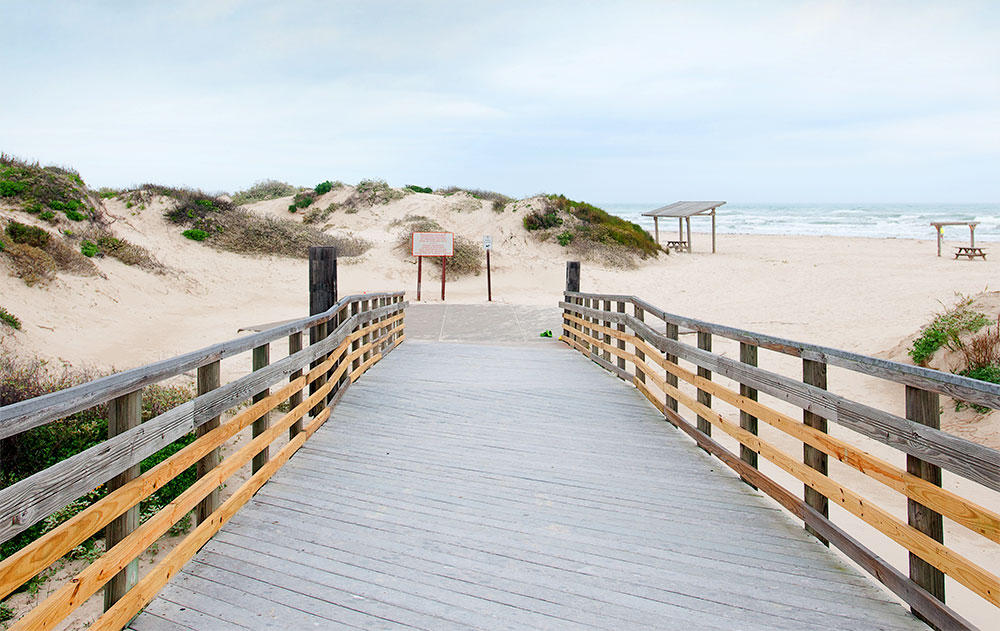
Padre Island National Seashore: Forget the spring break branding that hangs over the word “Padre” in most Texans’ imaginations. The stretch of protected Gulf coastline contains some of the most exquisite beaches in America, famous for baby sea turtles and some of the best bird-watching around. The best way to access the shoreline is in a four-wheel-drive vehicle, as only 4 miles of it is accessible by road. This helps preserve the stretches of pristine sandy beaches, and rewards intrepid adventurers who set out in search of some of the state’s best sunsets and most serene settings.
Palo Alto Battlefield National Historical Park: The battlefield of the first major conflict in the Mexican-American War offers a historical interpretation of the conflict that led to the establishment of the Rio Grande as Texas’ southern border.
Rio Grande Wild & Scenic River: Just downstream from Big Bend, this protected stretch of the Rio Grande is tough to get to, but adventurous kayakers are rewarded with ancient limestone canyons and the wild remote beauty of the U.S.-Mexico border.
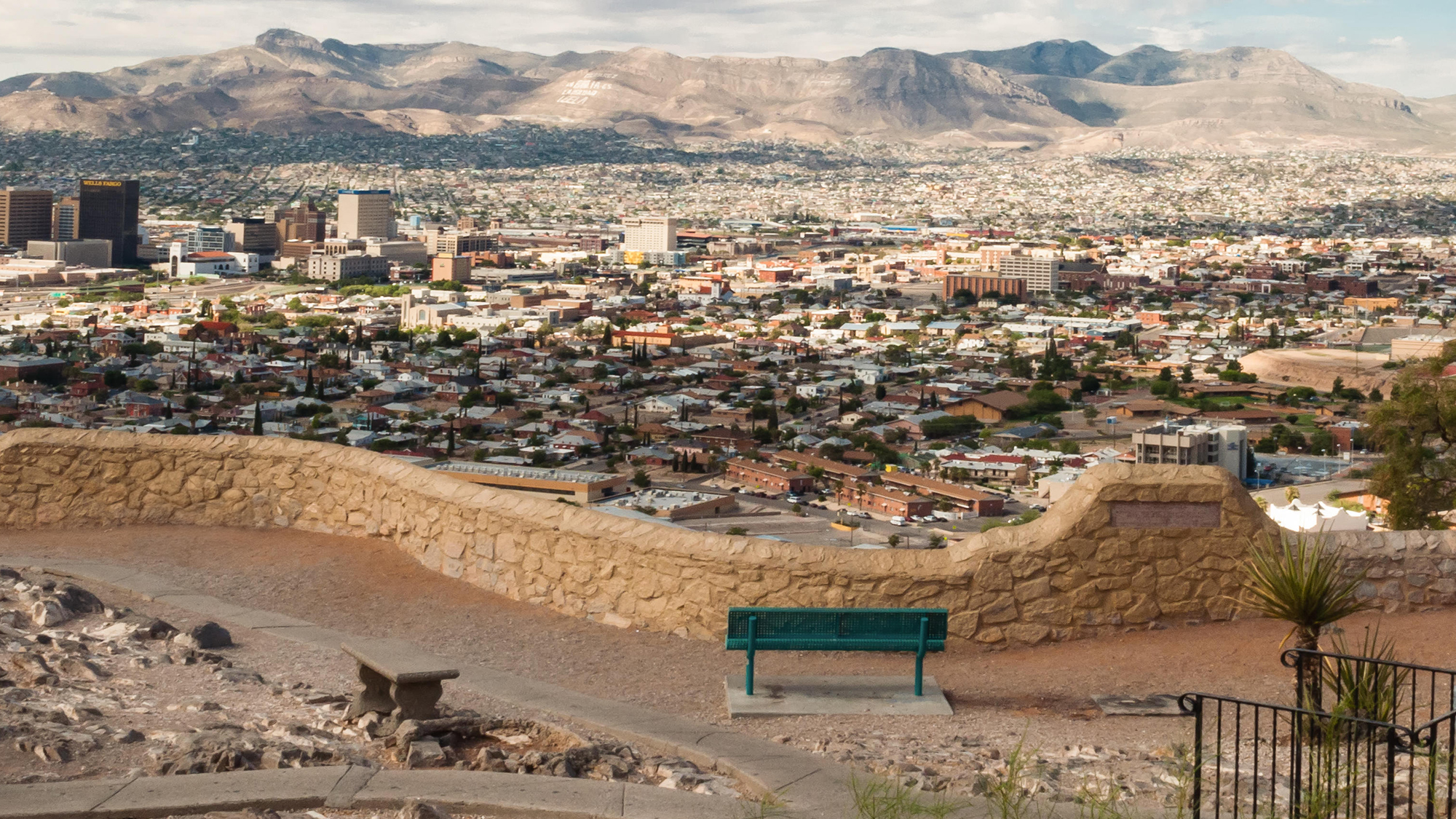
Don’t pass on El Paso.
The Ultimate Guide to Texas’ Gardens & Orchards
Spring is the perfect time to head to botanical gardens, visit local farms, pick fresh fruit and berries, and swing by Texas’ famous roadside fruit and vegetable stands.
9 Wildlife Sanctuaries in Texas Where Wildlife Roams Free
Explore thousands of acres of Texas that have been set aside as national wildlife sanctuaries.
How to Be a Modern Cowboy or Cowgirl
Ready to hit the trails?

How to Throw a Texas State Fair at Home
These recipes and activities will bring the Fair home
Elevate Your Road Trip Snacks with These Iconic Stops
Barbecue on board!