
Please sign in as a member or guest below to access it.
Please sign in as a member or guest below to access it.

Embark on a culinary journey that will transport you, and your taste buds, back in time.
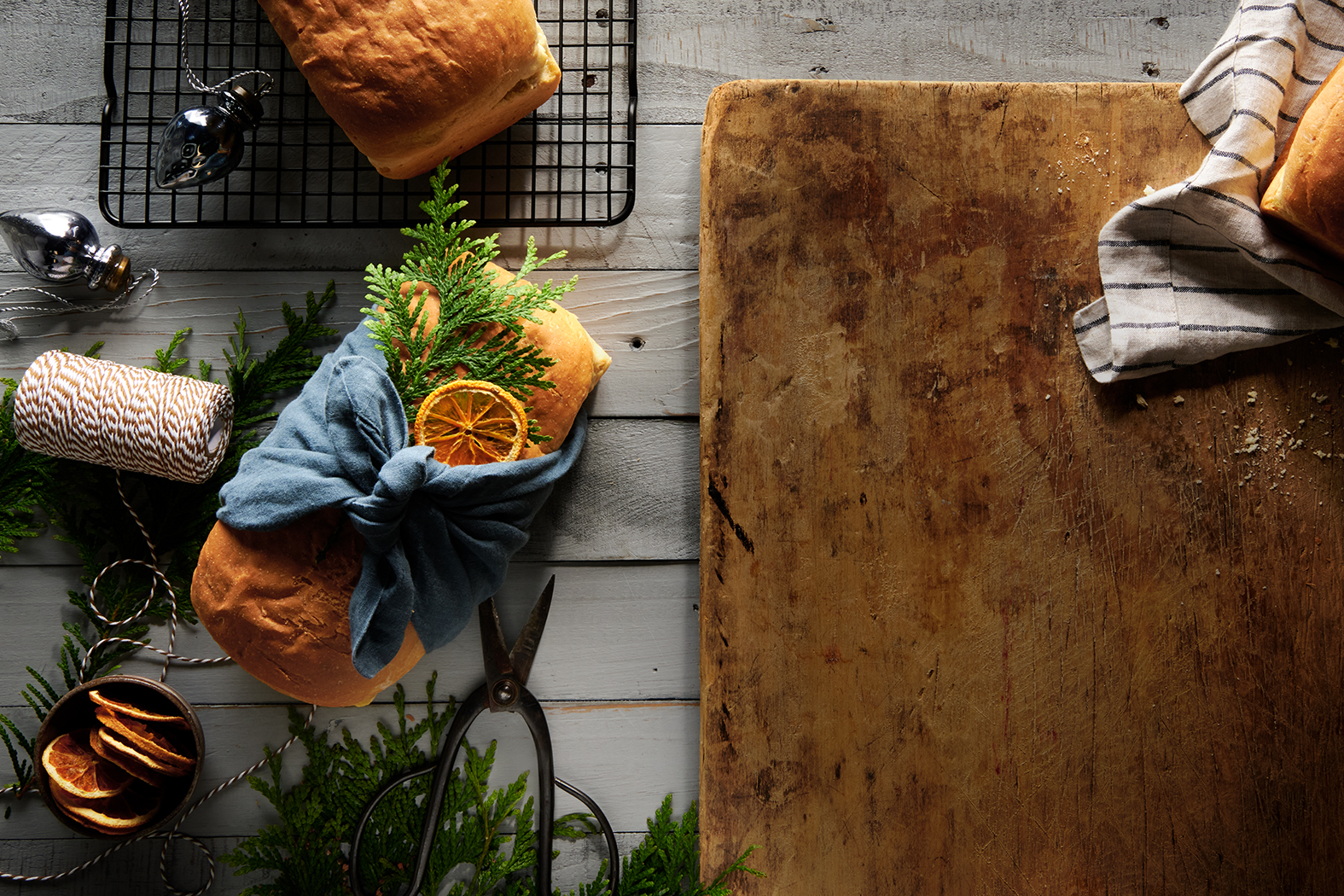
There’s nothing like the scent of freshly baked bread filling your home, especially on a crisp morning. This winter, I invite you to try an American baking custom that can be traced back to the late 1700s: salt- rising bread. The pioneer women of early America discovered they could raise bread dough without yeast, and now you, too, can perfect the craft with this step-by-step recipe.
My fascination with salt-rising bread stems from my introduction to the “Little House” books. Ma would make salt-rising bread when times were good — no need for a sourdough starter or wheat berries to be ground in the coffee grinder.
If you read James Beard’s introduction to this recipe in his cookbook “American Cookery,” you may be disinclined to make salt-rising bread: “The flavor is distinctive and the smell rather startling.” Yet, the glowing descriptions of the texture and flavor of this bread are universal. Moreover, this recipe could be a way to connect to generations past.
Salt-rising bread is uniquely American; most research has yet to show versions outside this country!
Given the small amount of salt in these recipes, one might question where the name came from. Evidently, pioneer women in Appalachia used to keep a bag of rock salt by their cooking fire. They found that putting the starter on a bed of rock salt by the hearth kept it at the right temperature — hence the name “salt-rising bread.”
So, join me, take a step back in time, and bring this fascinating bread to your present-day dinner table.

Ingredients
For the Starter:
1 1/2 cups hot water
1 medium potato, peeled and sliced thin
2 tablespoons white or yellow cornmeal
1 teaspoon granulated sugar
1/2 teaspoon salt
Swap your starter: “Joy of Cooking” gives two different versions of salt-rising bread, one using cornmeal and the other using potato in the starter.
For the Bread:
Liquid from starter (above)
1/2 cup warm water (100-115 F)
1/4 teaspoon baking soda
1/2 cup lukewarm whole milk (90-110 F)
1 tablespoon melted butter
1 teaspoon salt
4 1/2-5 1/2 cups all-purpose or hard-wheat flour
Method
For the Starter:
In a 2-quart oven-safe bowl, mix all ingredients for the starter. Cover with oven-safe plate. Heat oven to 250 F, turn off when temperature is reached, and add covered starter to oven for 20 minutes, or until top is covered with 1/2 to 1-inch of foam. Keep warm.
For the Bread:
Strain liquid from starter into mixing bowl, pour the 1/2 cup warm water over the remaining potatoes, pressing out as much liquid as possible. Discard the potatoes. Add baking soda, milk, melted butter, and salt to the starter liquid. Mix well. Stir in 2 cups of flour and beat until very smooth. Stir in remaining flour, one cup at a time, until all 4 1/2 cups are used and soft dough is formed. Add 1 cup of flour to breadboard, add dough, sprinkle some flour on top, and knead lightly for 10-12 minutes, or until dough is smooth but still soft. Divide dough into two loaves. Place into well-buttered bread pans, brush top of each loaf with melted butter, cover, and place in warm, draft-free spot to rise for 4-5 hours or until doubled in size. Bake in preheated oven at 375 F for 35-45 minutes or until loaves shrink from sides of the pan. Remove from pans to cool.
Once cooled, enjoy your salt-rising bread with:
There’s nothing better than using freshly baked bread to sop up the last bits of soup or stew. Check out soup recipes to warm your weeknights this winter.

The Complete Guide to Grazing Boards
From contemporary and sleek to romantic and bohemian, a grazing board or table is a fun and stress-free way to serve food at your next get-together.

Recipe: No-Bake Groundhog Cookies
A new Texas tradition for Groundhog Day.
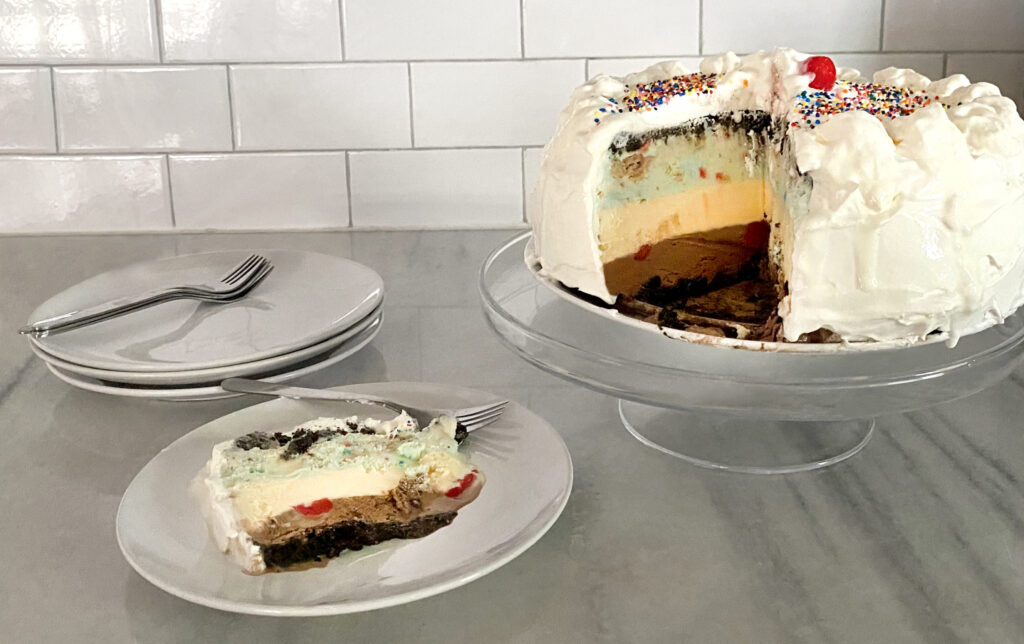
No-Recipe Recipe: Easy Homemade Ice-Cream Cake
We would say “get the scoop,” but it’s really more of a slice.
Pure holiday magic.
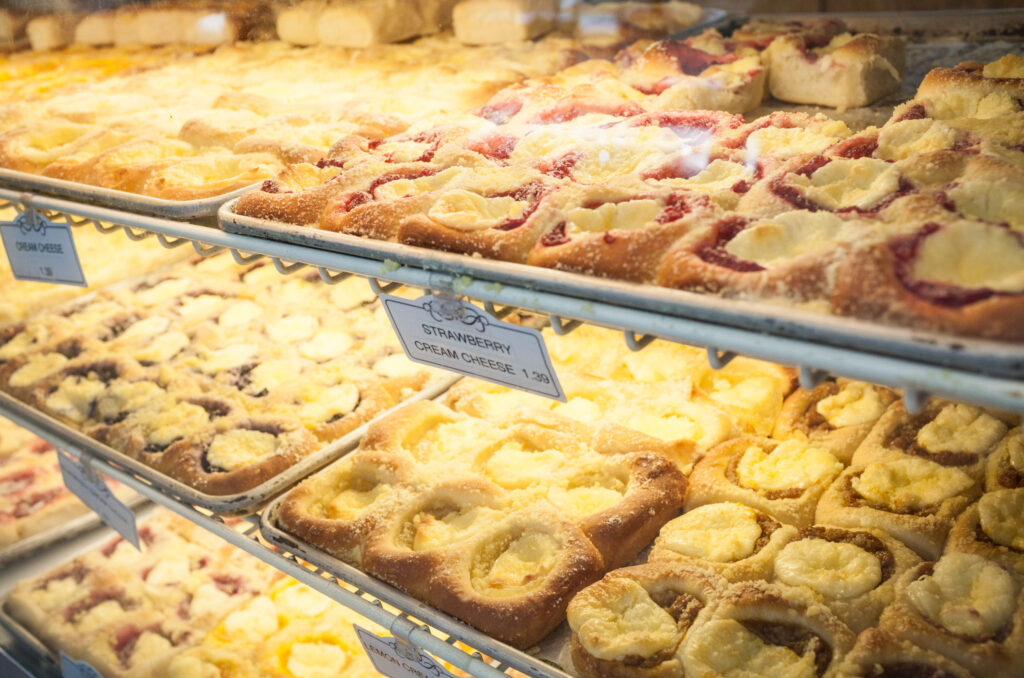
It’s Always Time for Kolaches at Czech Stop
Czech, please!
The Quest for the Perfect Cake
When works of art are made with sugar crystals, frosting, and confectionery, you can have your centerpiece and eat it, too.