Please sign in as a member or guest below to access it.
Please sign in as a member or guest below to access it.

Now you can have your curb appeal and eat it too.
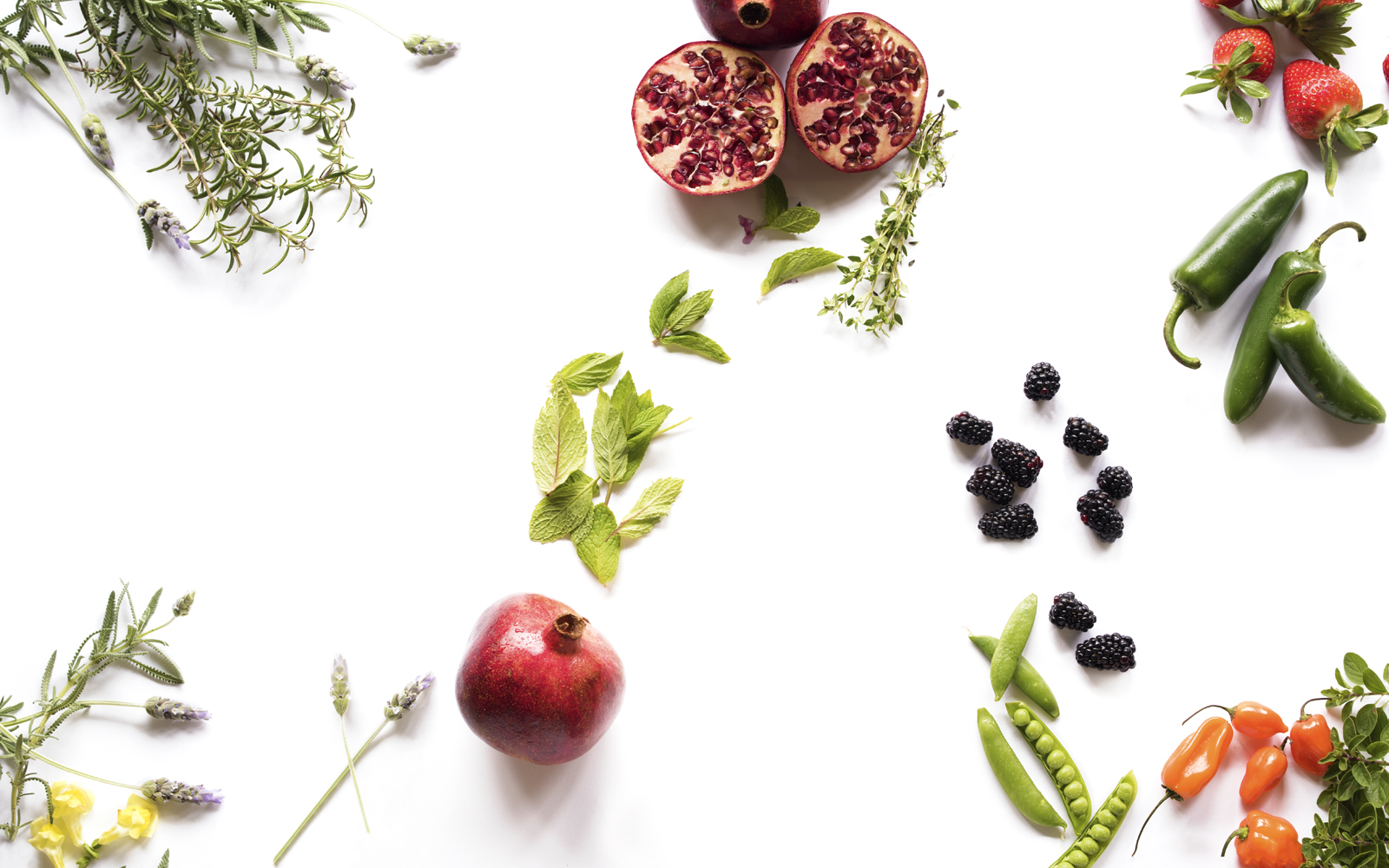
Some gardens are all about their surface charms, whether they are lusciously overgrown, neatly bedded and bordered, or wildly spontaneous. Others have deeper roots and favor a more utilitarian goal: filling your table with leafy green substance. What if you could have your curb appeal and eat it too? Edible plants look ornamental and give your garden a wealth of growth, a splash of color, and an extra nourishing glow. Follow this guide for a garden that looks as good as it tastes.
Don’t be afraid to get all your plants together to make new friends. Sometimes, when creating a beautifully landscaped garden or flower bed, it’s the more the merrier — especially when you have to make the party last all year.
Tip: The key to styling your garden is to ensure year-round growth; that means building a framework of evergreen herbs whose looks will withstand cold snaps and droughts.
Plant: Woody Mediterranean herbs like rosemary and thyme are easy to grow into sculpted shrubs or to let run free in more natural patterns in beds. These silver-leaved herbs flower prettily in spring and impart a delicious fragrance throughout the summer.
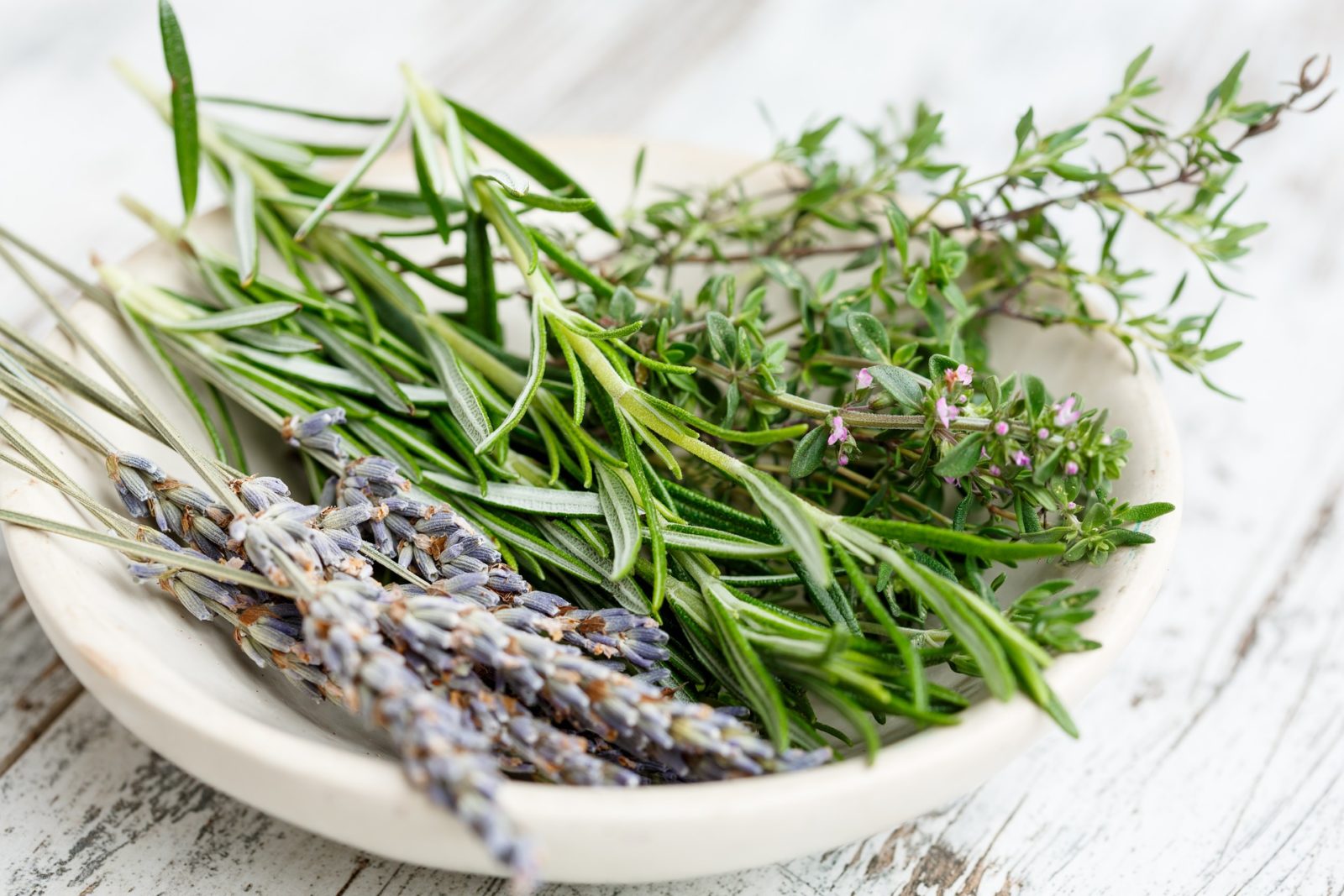
Nothing beats the fresh, woody smell of a herbaceous and flowery garden. When you’re thinking about edible planting, it’s about so much more than just carrots and salads; think roots and herbs in your cooking and flowers in your drinks.
Tip: Plant a large variety for pleasant pops of color and enchanting aromatherapy. Prune woody growth in wintertime to ensure herbs last year after year.
Plant: Lavender forms a great basis for borders, flowering with a heady scent in spring through summer. Mint and lemon balm will add coveted textural depth to your greenery and will smell amazing. Wild garlic, borage, chrysanthemums, chocolate daisies, and chives all have glorious perfumes and make a fancy addition to salads, punches, and baked goods.
Royal, welcoming, and intrinsically pleasing, trees are an irreplaceable aspect of a garden, front lawn, or backyard. They act as shields between your home and the glare of the midday Texas sun; refuges for children reading books or playing make-believe; and, of course, the bearers of seasonal harvests and colorful displays year-round.
Tip: Winter is the ideal time to bed in new trees. Look forward to flowers in spring, a harvest in the fall, and, of course, the fruits of your labor thereafter.
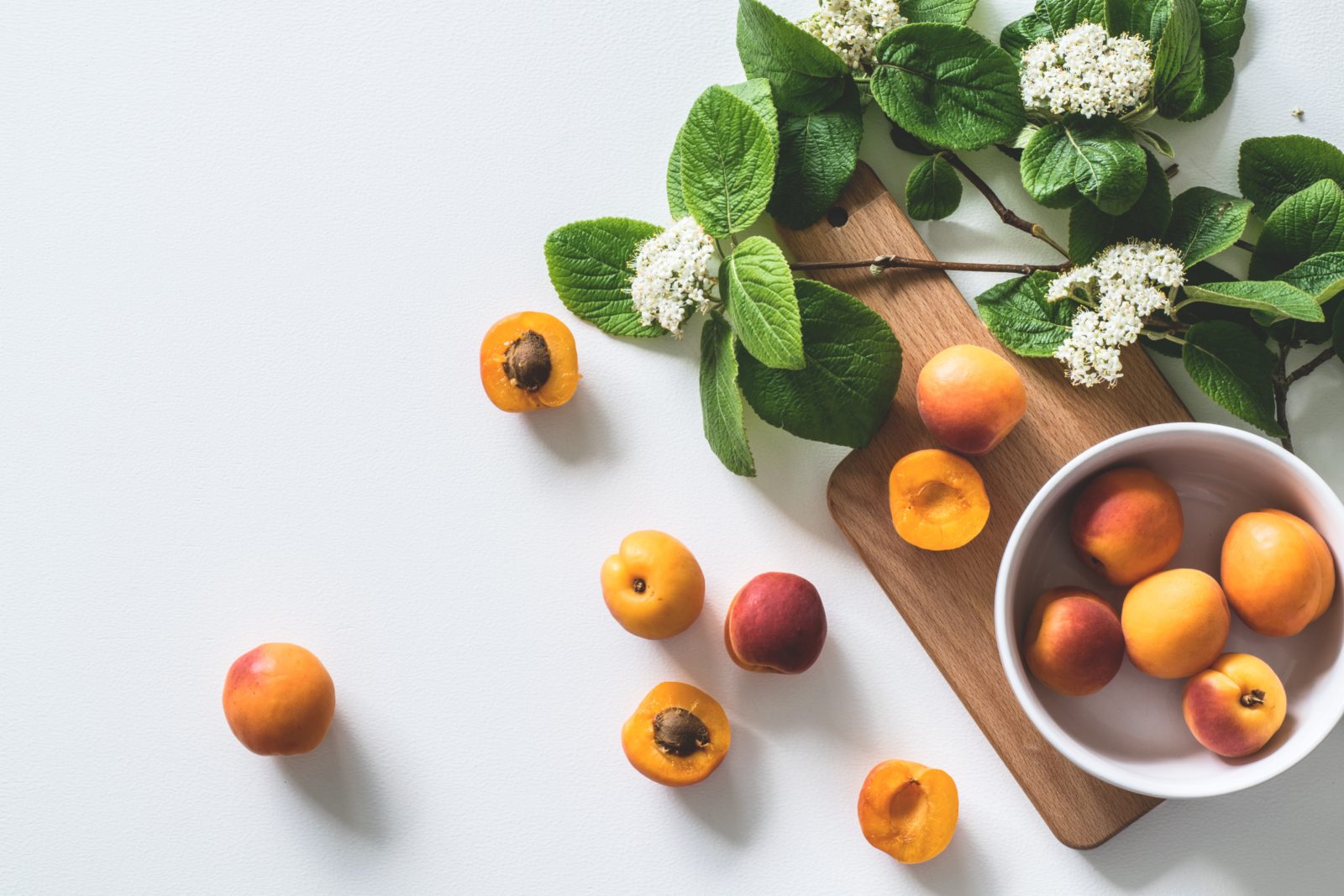
Plant: You can never go wrong with the classic apple or peach. Less common pomegranate and persimmon, both drought-resistant once established, are true winners: The Wonderful pomegranate variety is easy-growing, blooms a vibrant orange, and yields fall-ripening fruit, while oriental persimmon varieties like Eureka grow bursts of ornamental jewel-like fruit. A dwarf fig tree is ideal for limited space — it is self-pollinating and can even grow in a small container — and will deliver a crop in its first season.
Climbing plants are so much fun and fit in anywhere. This is a true case of “come as you are” — many berries, vegetables, and gourds that are good at climbing can fit into arches and nooks in your garden with minimal work on your part.
Tip: Find a sunny spot to set up trellises and arbors, or even train growth along a porch railing or low wall. Planting climbers is the perfect way to conceal an unsightly dividing wall or chain-link fence with sweet florals and vegetation.
Plant: Blackberries, dewberries, and blueberries have attractive foliage and brambles when not fruiting, and fruit generously in late summer. For a covetable garden nook, grow small gourds up a trellised arbor — just be sure to trim the gourds overhead before they get too large and fall off on your head. Climbing peas and string beans look attractive on strong trellises; Chinese string beans are particularly striking, with long burgundy pods and heart-shaped leaves.
A carefree array of bright, attractive planters can cheer up even the dreariest day and is a nice way to put some personality into your landscape.
Tip: When it comes to planters, anything goes! Old enamel sinks, wooden canoes, galvanized buckets, baskets, teapots — even Wellington boots can be used to start your flower and vegetable beds; all you need to do is ensure there are drainage holes in the bottom.
Plant: Trailing plants like oregano and Allstar strawberries (which crop all at once) are perfect in hanging planters. Try brightly colored jalapeños and other hot peppers; a single plant has a massive production, so it’s a good idea to keep it in its own little space.
Gardening can be fun for the whole family. Check out our tips for growing your kid’s little green thumbs.
How to Protect Your Home During Droughts
What do you do if you’re not supposed to water, but your foundation is cracking?
Starting a Backyard Chicken Coop From Scratch
Keep the top flock on the block.
Plant a Family Garden, Grow Little Green Thumbs
Now is the time to wrangle up the kids, tune up the bicycles, and get outdoors. It’s also the perfect time for planting.
Preserve your garden before it freezes over.
Home Remedies for Outdoor Dangers
Ward against sunburn, overheating, and common stings, bites, and scrapes with flora and fauna this spring.
Evict high home humidity levels.