
Please sign in as a member or guest below to access it.
Please sign in as a member or guest below to access it.

Take a tour of your home to make sure it’s not a haven for critters.
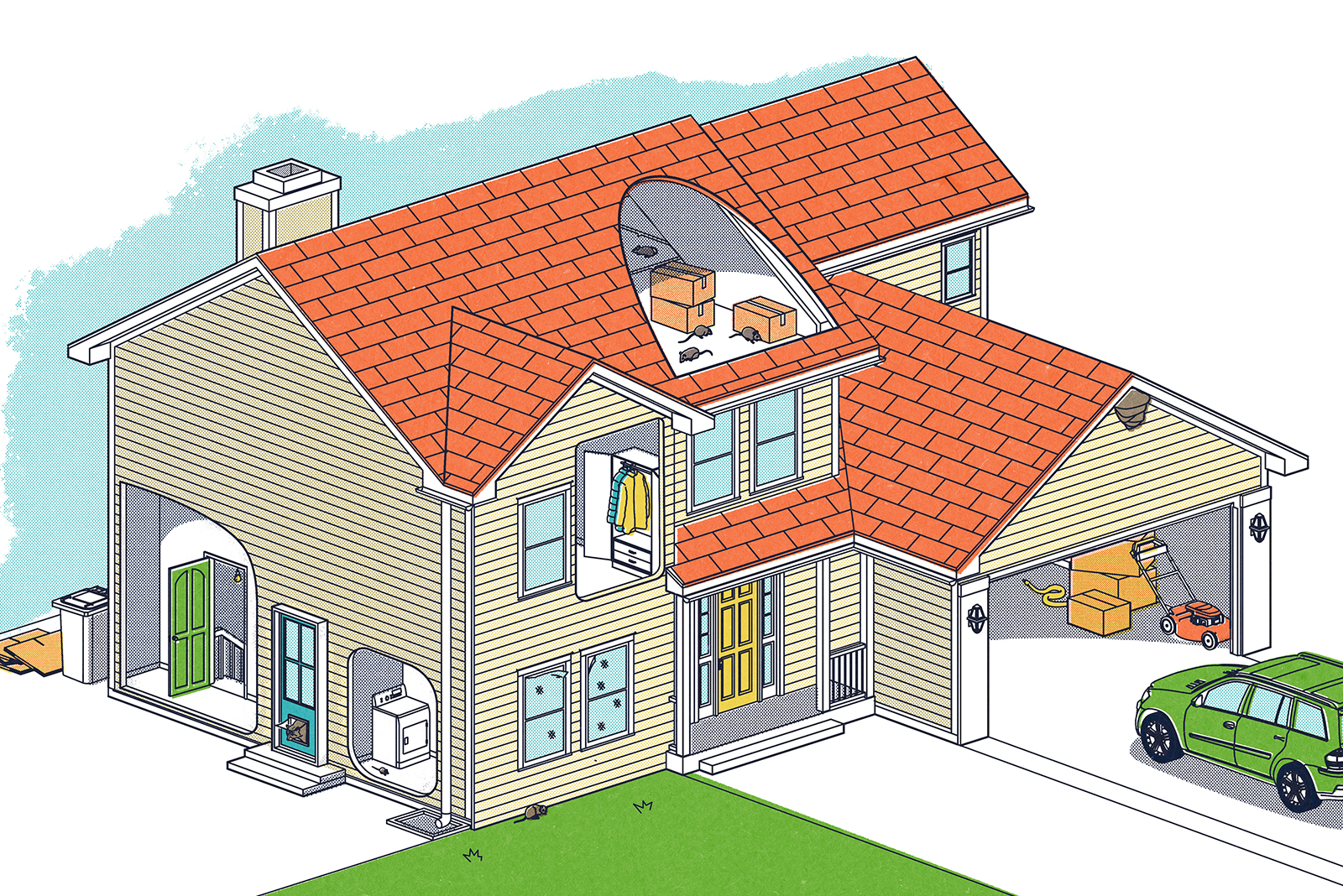
While little critters scurried to find refuge during the colder months, could your home have become a preferred five-star accommodation for them? Find out by taking this tour of your house to make sure it’s not Critter Plaza.
Here are 10 places different wildlife could have gotten into your home and how to make sure your home is safe and sealed.
1. Window screens. Have critters clawed their way in to comfort through your window? Check all your window screens for rips, tears, and holes.
2. Basement. Did your basement stay warm and dry all winter? Is there moisture on the ground? If so, many insects will be enjoying your basement spa! Mop and thoroughly dry any damp surfaces. Make sure it’s dry under the sink and behind the refrigerator, too.
3. Cardboard. Grubs love to hatch under flattened boxes. Move any cardboard destined for recycling outside.
4. Dryer. The warm lint in the back coil is the perfect junior suite for a family of mice. Make sure the vent is closed from the outside.
5. Pet doors. If your pets can come and go as they please, can other animals do the same? Make sure wily raccoons can’t pry the flap open from the outside by getting a two-way secure door.
6. Linen closets. Your blankets and coats are lush havens for moths and flies. Look up and down the shelves; dust; and shake out blankets, throws, and duvets as needed to verify that no one has taken up residence.
7. Attic/crawl space. Your attic or overhead storage is a popular party spot for squatters. It’s warm, it’s dry, it’s full of boxes of Christmas ornaments and plush insulation. Shine a bright light in all the dark corners to see if rats have nibbled their way through drywall, insulation, or cardboard.
8. Drywall. Check drywall and wood studs for water damage, insect infestations, and especially termites. Same goes for a pool shed or garden shed, as applicable.
9. Garage. Carefully go through coiled hoses and electrical cords, parked lawnmowers and weedwhackers, and any containers, checking for population explosions of beetles and the odd snake.
10. Eaves. Look up into the eaves of your garage for evidence of active wasps’ nests.
Cade Taylor, a Texas Farm Bureau Insurance agency manager in Pampa, weighs in on keeping animals out of your house.
Which home pests cause the most damage to homes?
House mice are looking to nest in any hole they can find that has outside access. Attics in older homes are especially susceptible. Mice also will chew through plastic plumbing to nest behind warm appliances.
Which home pests are most common to Texas?
Mice! Squirrels also like to burrow in attics. Birds will nest if they can find a way in. What you don’t want: a family of woodpeckers making a high-rise in your joists.
What’s the single most important thing a homeowner can do to prevent pest damage?
Secure your roof. Check to ensure your home’s outer “shell” is secure. Spray-foam installation is impenetrable — pests prefer rolled-in installation. Confirm that your windows all shut securely and undamaged screens are in place. Cover your external vents — dryer vents should let hot air out without letting mice in.
Is there such a thing as a pest-proof home?
A brand-new home with spray foam from floor to ceiling is the closest thing to pest-proof. Apart from that, be vigilant, and contact your Texas Farm Bureau Insurance Agent for expert pest prevention tips or a property insurance review.
Contact your Texas Farm Bureau Insurance Agent to make sure your property insurance policy is pest-proof.
Coverage and discounts are subject to qualifications and policy terms and may vary by situation.

C’mon in! The water’s fine!

Roundup: Home Tips for Summer in Texas
How well will your home weather a heat wave?

Bring a little melody to your backyard.

Home Prep for Back-to-School Success
A new school year is coming in hot.

How to Grow Citrus Trees in Texas
Gardening tips for planting, growing, and tending to indoor citrus trees.
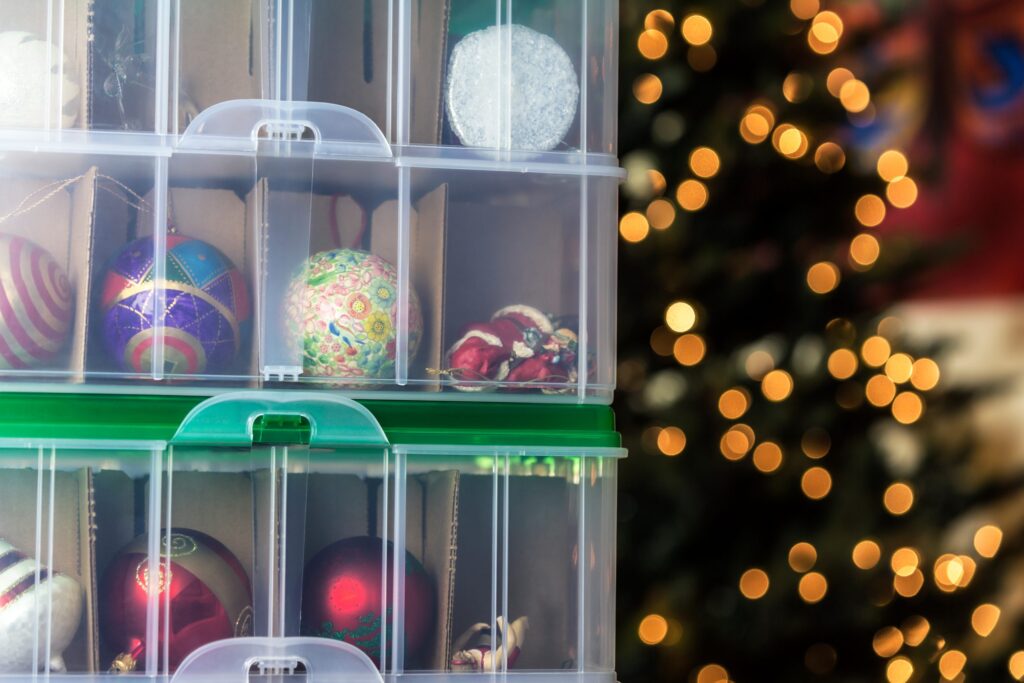
How to Store Holiday Decorations
Prevent misplaced items and accidental breakage with these tips.