Please sign in as a member or guest below to access it.
Please sign in as a member or guest below to access it.

A must-hit list of museums, from the essentials to the esoteric.
Texas’ many, many museums are devoted to everything from state history and Western culture to fine art and beyond. These 10 quintessential Texas destinations don’t just span the state’s vast breadth — they pay homage to all facets of Texas life, both old and new. Take a journey through the story Texas tells about itself through these cultural hubs.
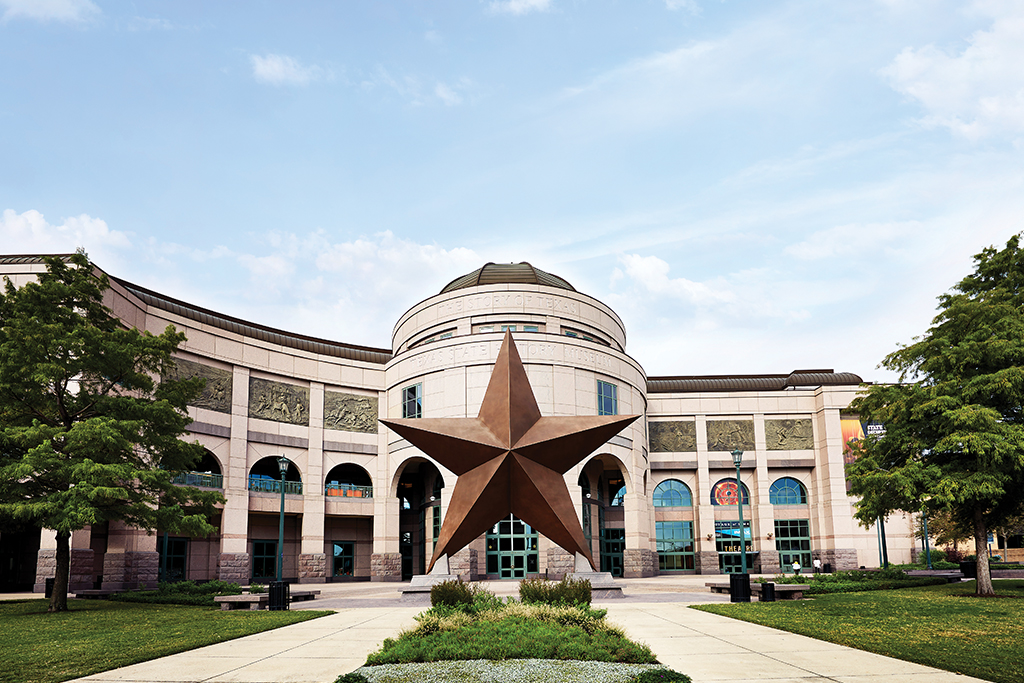
Bullock Texas State History Museum: On a mission to tell “the story of Texas,” our capital city’s Bullock Texas State History Museum covers everything from the Battle of San Jacinto and the Texas Railroad Commission of Texas to Kay Bailey Hutchison’s election as the first Texas woman in the U.S. Senate. For 17 years, the museum has provided an up-close look at some of the state’s most important artifacts from more than 4,000 years’ worth of history. If you want to learn about the people and events that made Texas what it is now, you’ve come to the right place. 1800 Congress Ave., Austin
Dr Pepper Museum: All hail Texas’ favorite soft drink and (possibly) most famous invention, Dr Pepper. The 1885 Waco brainchild is the oldest major soda brand in the country. The museum dedicated to it opened in 1991 and has since welcomed more than 1.8 million visitors. Approximately 300,000 artifacts guide guests through the history of Dr Pepper and how it came to be a household name that spread to other states — but still remained quintessentially Texan. 300 S. Fifth St., Waco
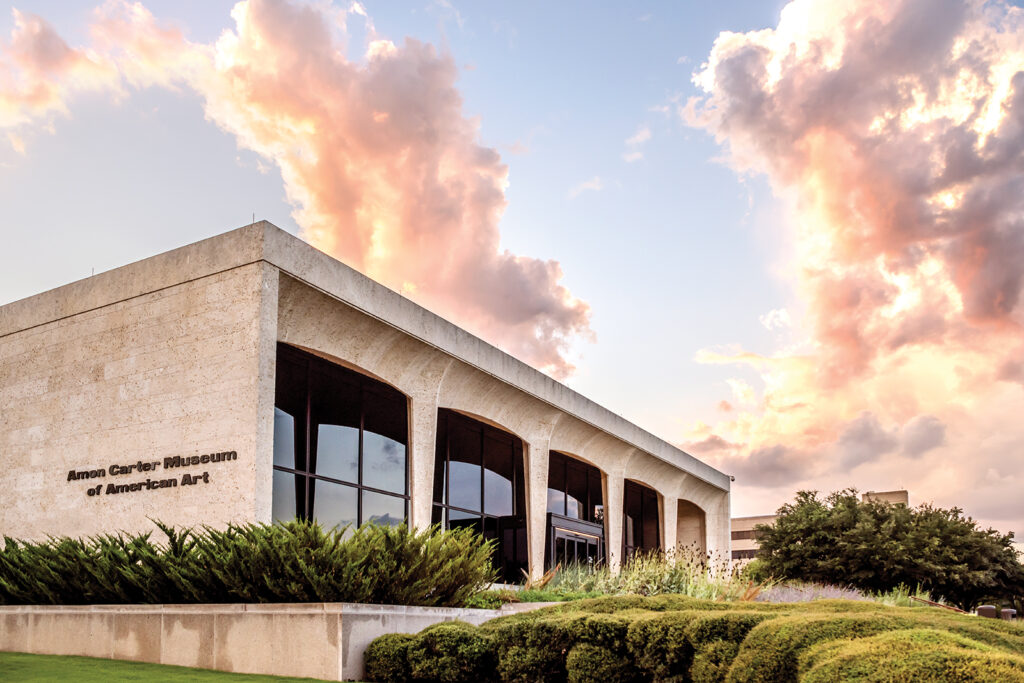
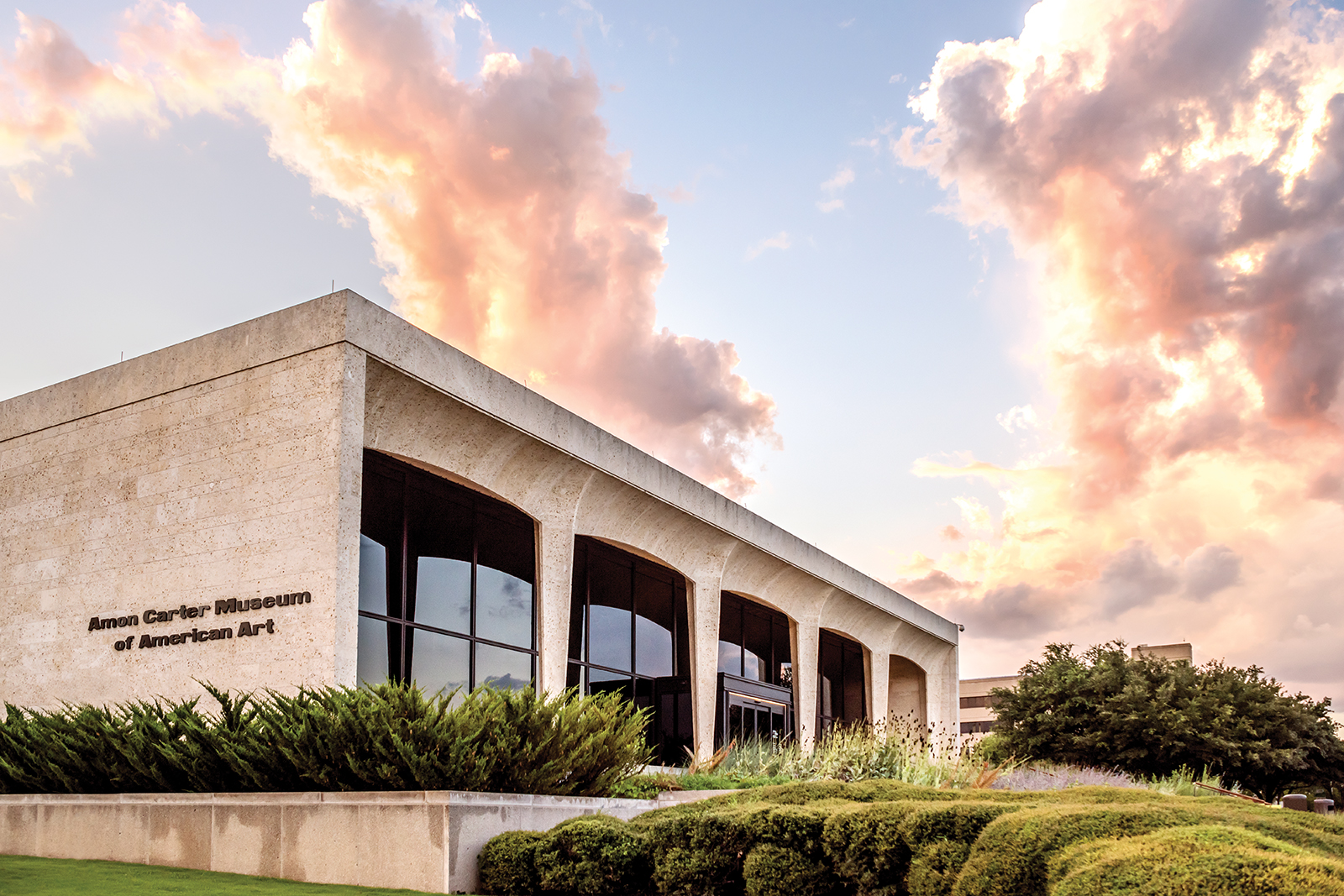
Amon Carter Museum of American Art: There is no better place to immerse yourself in 19th- and early 20th-century American art than the Amon Carter, a 1961 institution designed by architect Philip Johnson. It largely focuses on the Old West as portrayed by Frederic Remington and Charles M. Russell, which gives viewers a glimpse inside key turning points in the history that helped mold Texas and its people. Think cowboys, horses, pioneers, and rolling landscapes. This collection is not to be missed. 3501 Camp Bowie Blvd., Fort Worth
The Sixth Floor Museum at Dealey Plaza: The Dealey Plaza icon has attracted visitors from across the country for almost three decades. From the sixth floor of the former Texas School Book Depository, it expertly recounts the life and 1963 assassination of President John F. Kennedy, as well as the impact the shooting had throughout Texas and the U.S. To walk through the museum and see Pulitzer Prize-winning photos and news footage — and the place where the shots were taken — is to truly confront and come to understand Dallas’ history from the 1960s to present day. 411 Elm St., Dallas
Mexic-Arte Museum: Texas’ robust Mexican heritage comes to life at Austin’s Mexic-Arte Museum, which has preserved and showcased both traditional and contemporary Mexican, Latino, and Latin American art since 1984. Known as Texas’ official Mexican-American fine art museum, the cultural hub draws 75,000 people annually to view works like the Ernest F. de Soto Collection, the Serie Print Project Archive, and Mexican ceremonial dance masks. The museum also encourages emerging young Latino artists to create, thus continuing a tradition indispensable to Texas’ identity. 419 Congress Ave., Austin
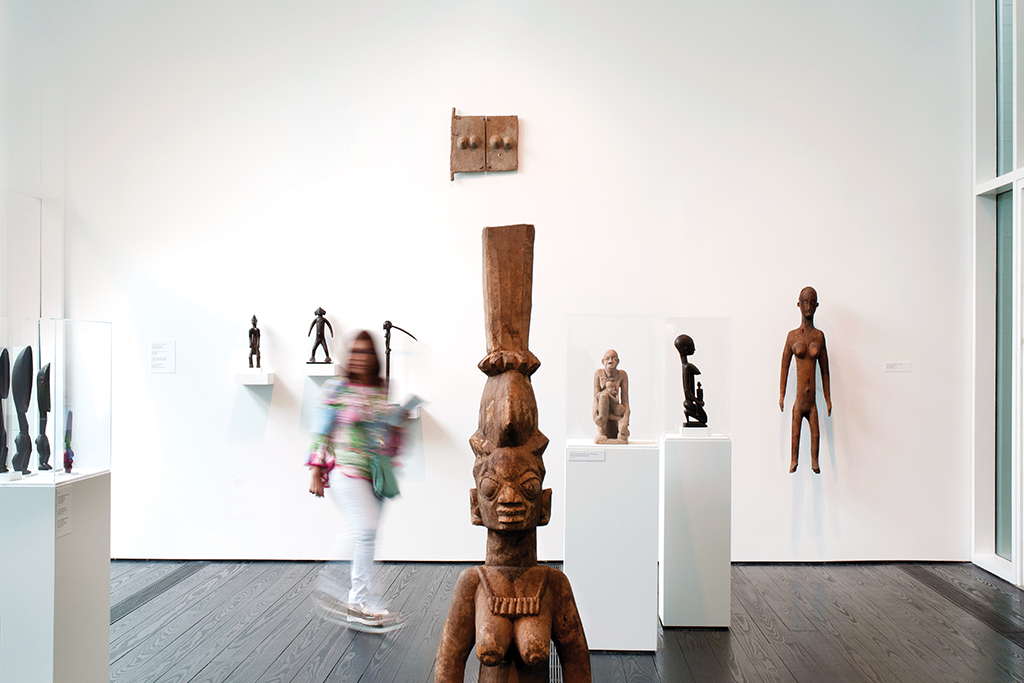
The Menil Collection: The 17,000 works in The Menil Collection don’t all pertain to the Lone Star State. But the Houston institution, designed by Renzo Piano, holds one of Texas’ most significant compilations of fine art — and it’s free. From medieval and Byzantine to modern and contemporary art, The Menil emboldens visitors to become participants and directly engage with works. One of its core values is to maintain “an intellectual independence and a willingness to take risks and be out of the mainstream,” and it does just that. Texas is better for it. 1533 Sul Ross St., Houston
The Witte Museum: For nearly a century, The Witte Museum in San Antonio has told Texas’ stories of culture, science, and nature through artifacts, photos, art, cave drawings, dinosaur bones, and more. It covers a colossal variety of topics and genres, making it just as accessible to kids as adults. Stop by the detailed wildlife dioramas of the McLean Family Texas Wild Gallery, and the interactive H-E-B Body Adventure, where you can virtually cycle along the San Antonio River. The Witte allows you to experience Texas in all its natural glory. 3801 Broadway St., San Antonio
The Alamo: This is, of course, a place that needs no introduction. Now the epicenter of Texas history, The Alamo — originally known as Misión San Antonio de Valero — was founded in the 18th century. The fortress where the 1836 Battle of the Alamo was fought — now a UNESCO World Heritage site and museum — sees more than 4 million visitors every year who wait patiently in line to view original stone, tour the chapel, get a glimpse of weapons used in the war, and be transported back in time to a defining era of Texas’ past. There’s a reason it’s Texas’ most visited historic landmark. Walking the same ground as Davy Crockett and James Bowie is an essential part of any Texan’s journey. 300 Alamo Plaza, San Antonio
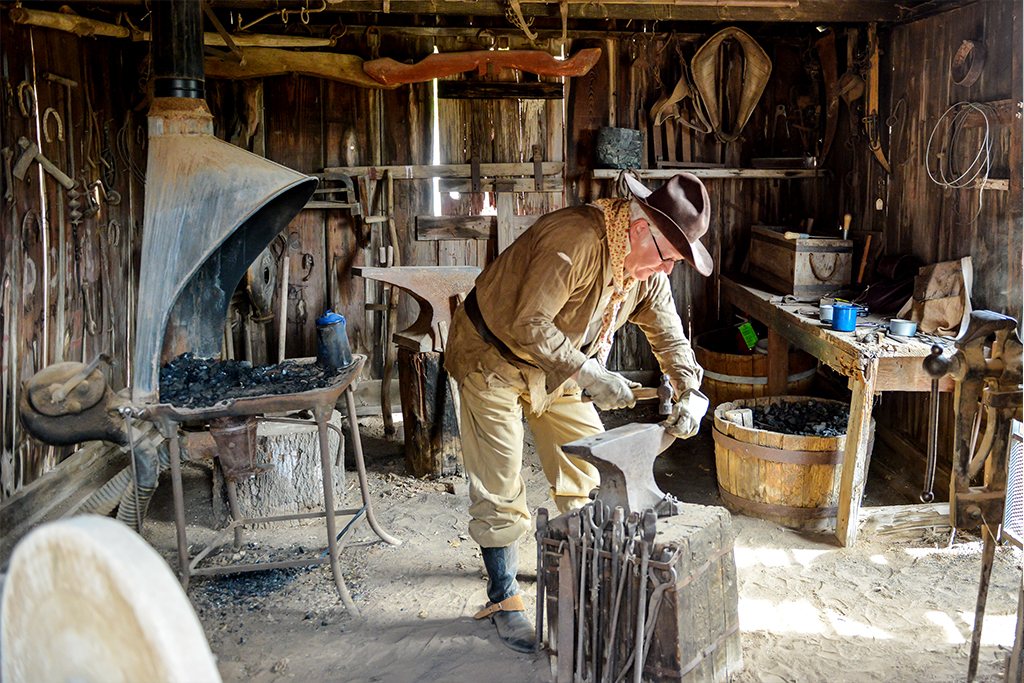
National Ranching Heritage Center: Ranchinghas always been a major component of our culture and history, and the National Ranching Heritage Center on Texas Tech University’s campus pays homage to that. Featuring nearly 50 authentic 18th- to mid-20th-century buildings — including a blacksmith shop, barn, and railroad depot — the museum was created in 1969 by the Ranching Heritage Association in partnership with Texas Tech. Museumgoers can view original artifacts and learn how ranchers helped forge the state’s lifestyle, economy, and identity. The National Ranching Heritage Center has truly captured Texas’ pioneering spirit. 3121 Fourth St., Lubbock
Panhandle-Plains Historical Museum: Just south of Amarillo, the small Panhandle town of Canyon houses more than 2 million artifacts pertaining to Western culture, Native American art, paleontology, petroleum, and antiques, as well as other exhibits unique to the Texas Panhandle on the campus of West Texas A&M University. The museum’s 55,000 annual visitors speak to the importance of a venue devoted to sharing the sstory of the state’s Northwest, an often-overlooked region. Plunge into the history and art of the Panhandle. 2503 Fourth Ave., Canyon
For more Texas history, explore the historic forts trail or travel the East Texas music highway.
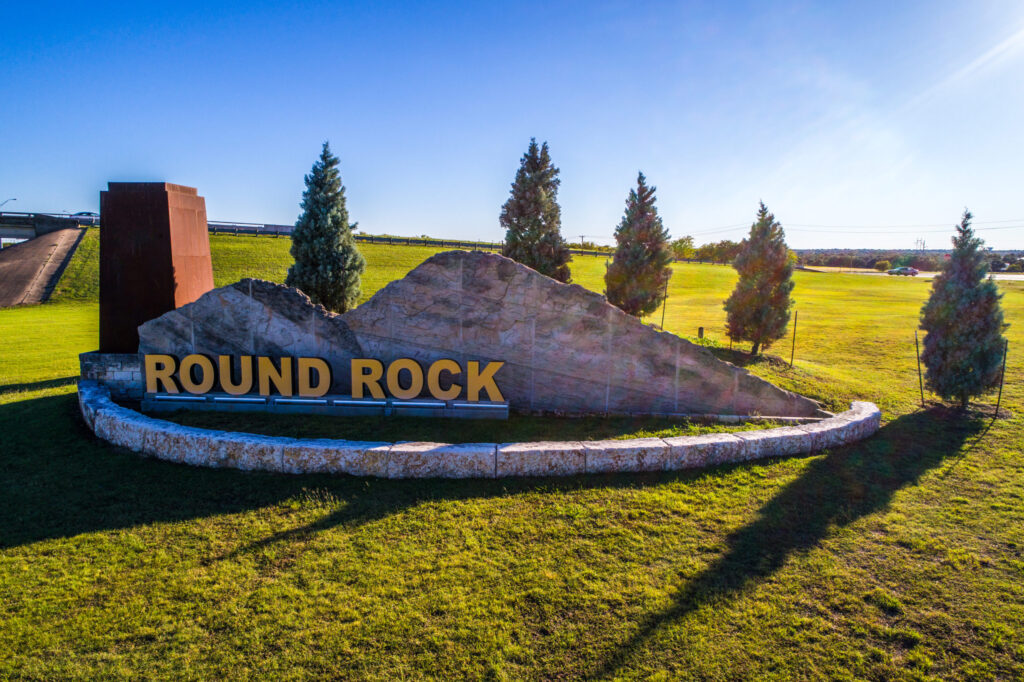
A cotton community’s unlikely rise to corporate boomtown.
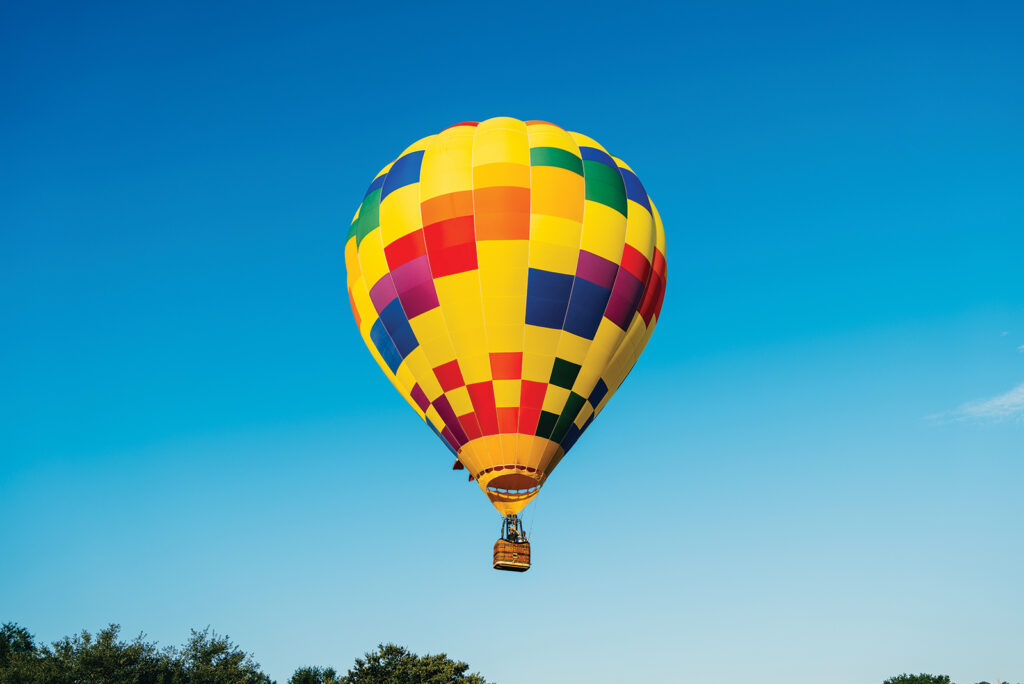
Longview is an old railroad town; home to some of the best barbecue on the planet; and the” Balloon Capital of Texas.”
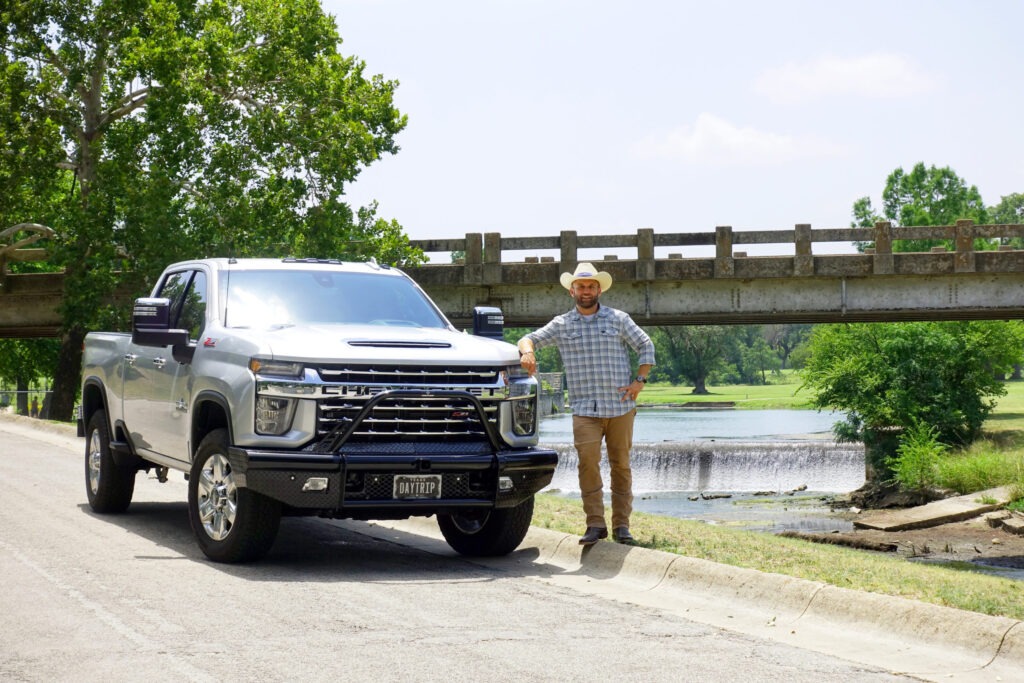
Cowboys, spring water, wacky sculptures, and German cuisine.
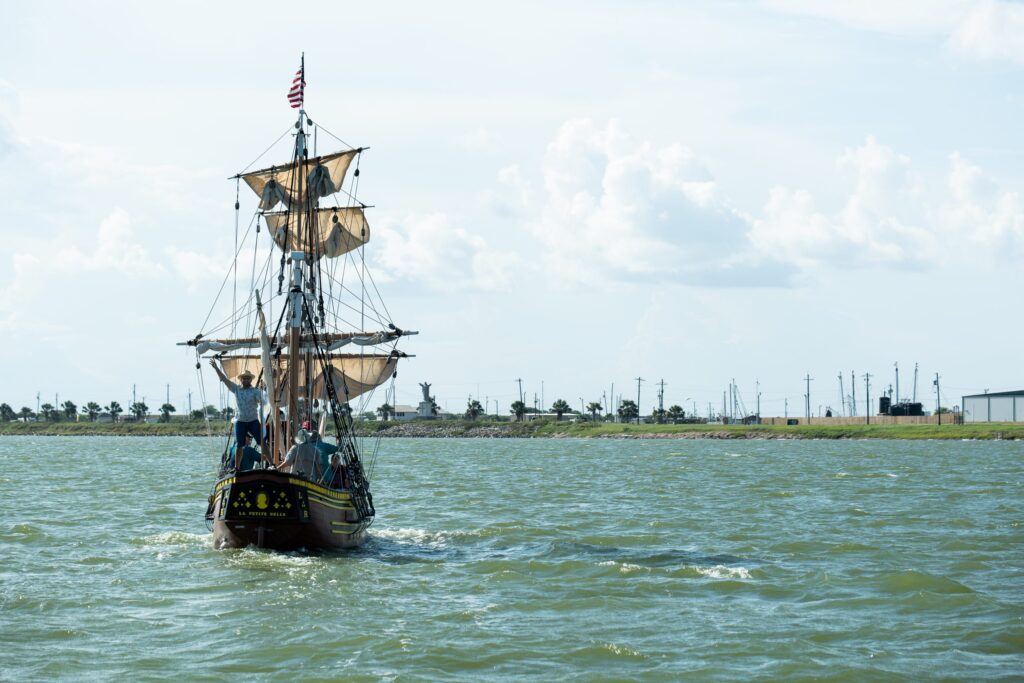
The Shrimp Capital of Texas.
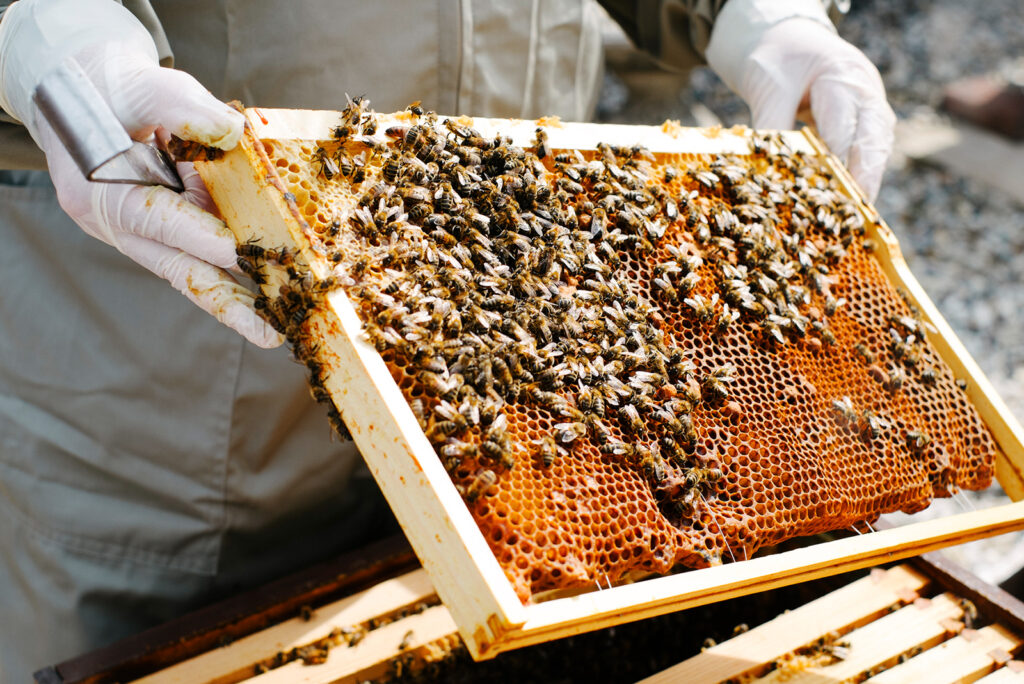
Preserving and Protecting Texas Honey Production
Meet the apiarists preserving one of Texas’ sweetest traditions.
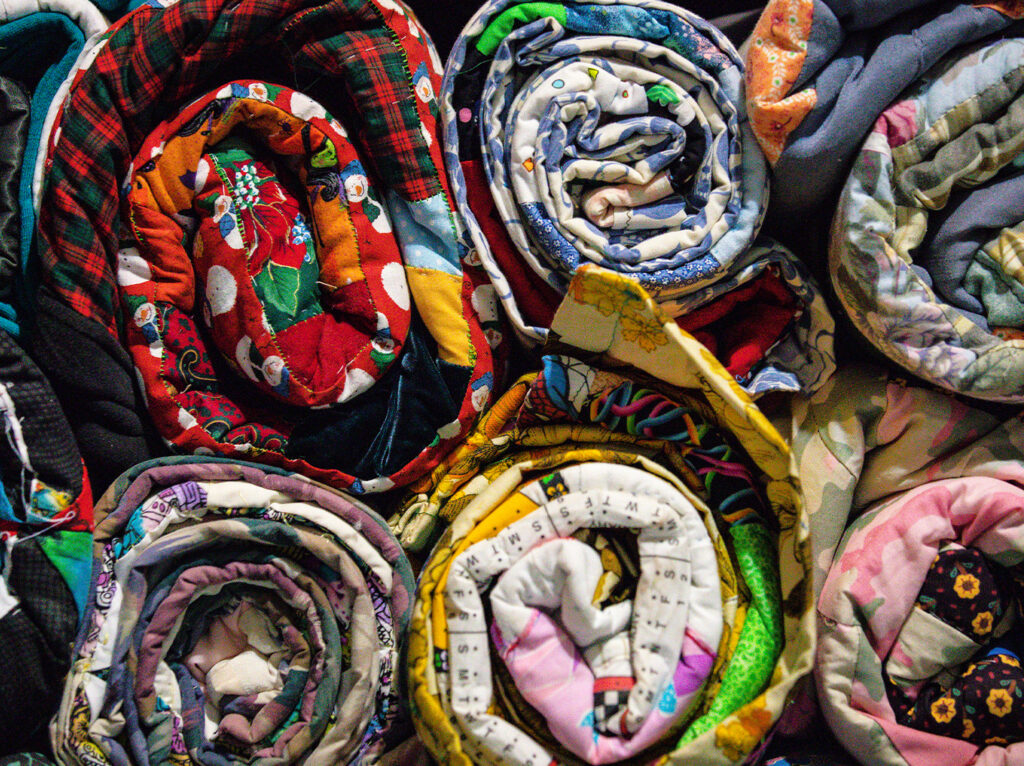
5 Artisans Keeping Traditional Crafts Alive in Texas
These brilliant artists and artisans are passing down — and keeping alive — some of our most beloved traditions.