
This is premium content.

Please sign in as a member or guest below to access it.


Are you Texas Farm Bureau Insurance member?

How to Navigate Flooded Roads

Stay safe on Texas roads this flood season with these Agent-approved tips.
By Staci Parks

Published September 23, 2020


Share:


Our varied terrain and extreme weather patterns can be a recipe for natural disasters. Flooding, our state’s most common natural disaster, can leave disastrous consequences in its wake, ranging from weak infrastructure to deaths.

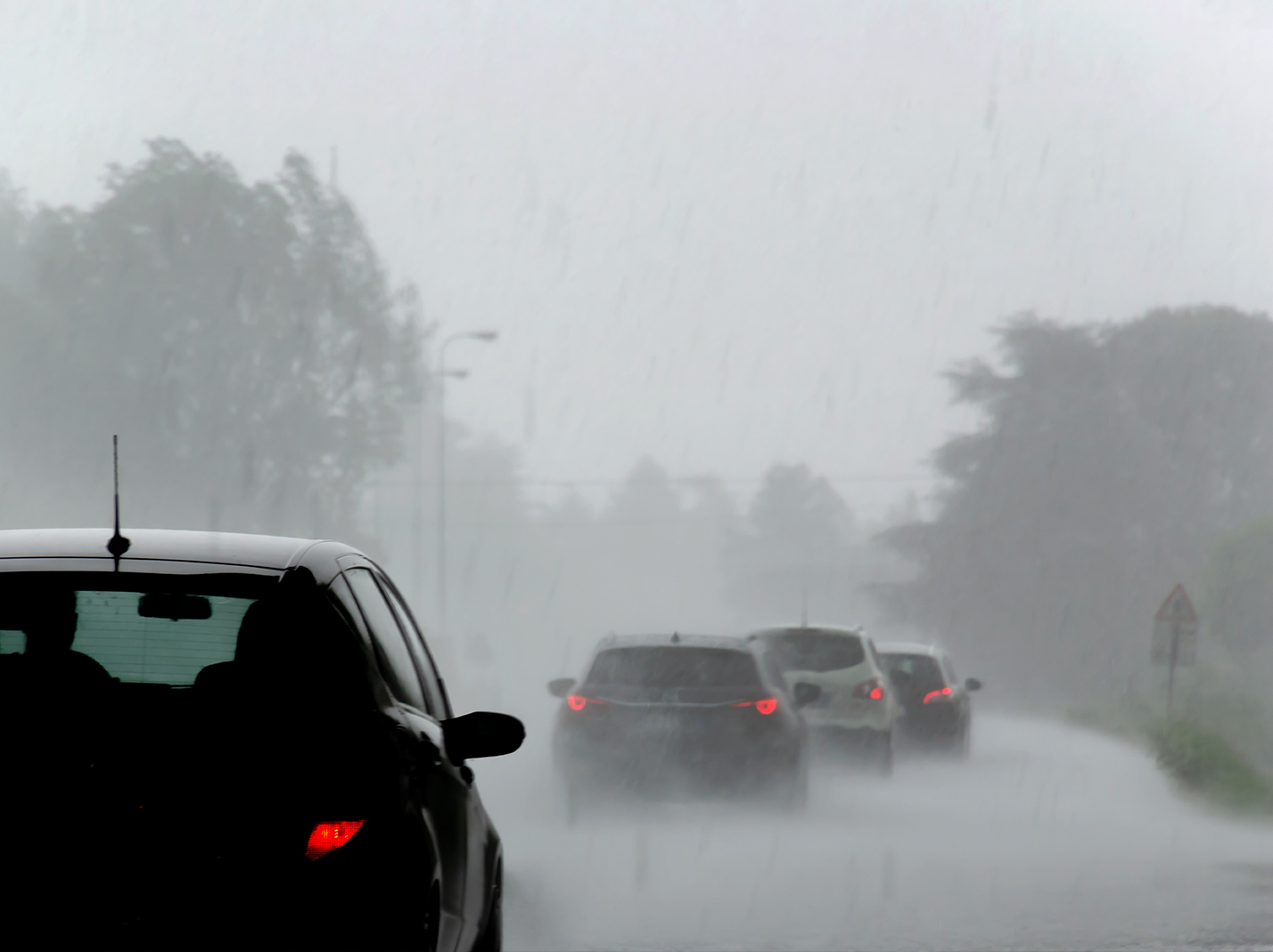
Floods are the leading cause of natural disaster-related deaths in Texas, according to a 2015 analysis. And they don’t just hit the coast; Central and West Texas are especially prone to flooding. More than 93% of flood-related fatalities in Texas are a result of people walking or driving into the rising water.

“If there is any risk that your vehicle may stall due to the water level, please find a safe place to pull over,” implores Clay Kaminsky, a Texas Farm Bureau Insurance Agent in Missouri City. “Wait out the storm and the high water so you and your vehicle can return home safely to your family.”

Stay safe if you’re caught on the road during a flood with these tips.

If There’s Rising Water

  • Check your route. Check weather and travel apps before you leave. Listen to a local radio station for updates during your drive.
  • Pay attention to barricades. They’re up for a reason. Don’t tempt fate by weaving between them.
  • Know your car’s limitations. It’s possible to lose control of your vehicle in 6 inches of water or more — no matter your vehicle’s make and model.
  • Turn around. Even if the water doesn’t look that deep, there could be extensive road damage underneath the water.

If You Must Drive Through Water

  • If there’s no other option but to drive through standing or rising water, take a deep breath. Try to estimate the depth of the water by looking at landmarks such as street signs. Drive very slowly and intentionally. Be wary of objects moving downstream and fallen power lines. (Electrical current travels easily through water.)

If Your Car Floats Away

  • Most vehicles can be swept away by less than 2 feet of moving water, according to the American Red Cross. If your car is swept away, contact your local police department.

If You’re Trapped

  • Don’t panic. Swiftly unbuckle your seatbelt, and take off any outer clothing.
  • Illuminate. Turn on your headlights and hazard lights to help emergency personnel.
  • Lower the windows. If possible, climb out. If you can’t lower the windows, wait until the water pressure has equalized between the inside and outside. Yes, water will fill your vehicle. But this is the only way the doors will open.
  • Don’t break the windows. It may feel instinctive — especially if water is rising fast. But if the water pressure hasn’t equalized, the glass will implode toward you.
  • Move fast. Once you’re out, get to high ground. Don’t stay on or alongside your car. You could be hurt by fast-moving water and debris.

After the Storm

  • Get to a safe place. “The most important thing is to make sure you’re safe,” Kaminsky says. “The vehicle can be replaced. That’s the least of our worries when a person is in that kind of situation.”
  • Call your Texas Farm Bureau Insurance Agent. You can also call the 1-800 number listed on your Texas Farm Bureau Insurance policy.
  • Work with your adjuster. Typically, it takes between 24 and 48 hours for a claims adjuster to contact you after your claim is filed. “Due to the volume of claims our adjusters handle during disasters, please be patient, and our adjusters will handle your claim as soon as possible,” Kaminsky says.

Keep These on Hand

  • Card: Kaminsky suggests having your insurance card on hand, as it has pertinent information such as your policy number.
  • App: Kaminsky recommends downloading the Texas Farm Bureau Insurance app on your phone so you can digitally pull up your insurance policy and claims numbers when you need to make a claim.

Stay Prepared

Have a plan in place before a natural disaster strikes. This includes having comprehensive coverage for your family’s vehicles. Call your Texas Farm Bureau Insurance Agent for help protecting your assets from this inevitable natural disaster.

Coverage and discounts are subject to qualifications and policy terms and may vary by situation. © 2020 Texas Farm Bureau Insurance