Please sign in as a member or guest below to access it.
Please sign in as a member or guest below to access it.

Preventing heat from escaping your rooms means lower heating costs.
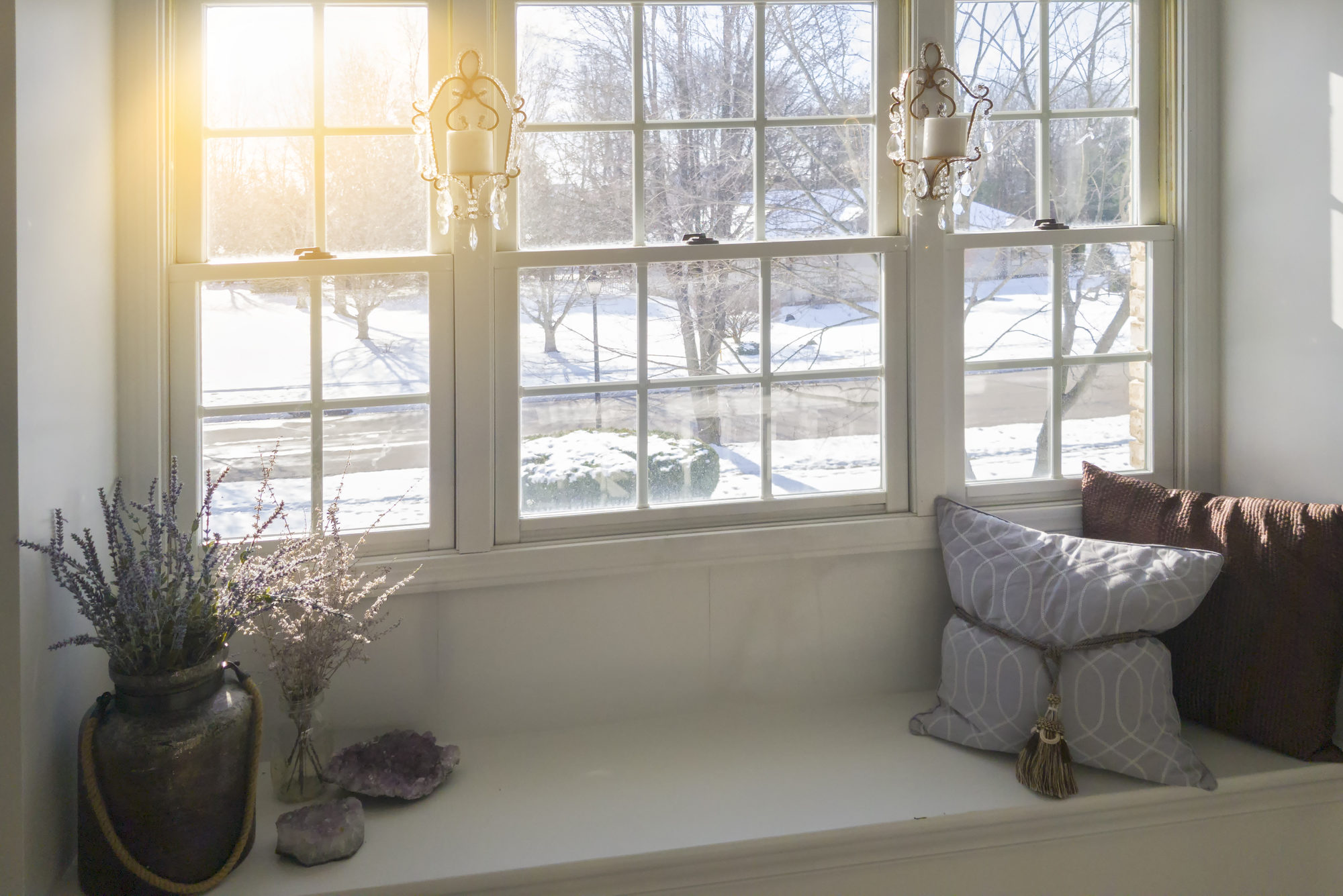
Many say that failing to prepare is preparing to fail, and for Texas homeowners, this couldn’t ring truer. Prepping your house for winter is a process that requires time and planning but yields priceless payouts: the protection of your home, family, and peace of mind. Some benefits you can even put a price on — winterizing can be energy- and cost-efficient at a time when energy bills are often highest.
Review this Texas Farm Bureau Insurance Agent-approved checklist to ensure all your heating systems are running cost-efficiently and your home is prepared for the season ahead.
Not at winter’s characteristic dark skies, but at your roof. Ensure that your gutters are clear of debris and securely attached to your home. You should also check your attic for any gaps in insulation, as these can allow heat to escape and greatly increase your utility bill.
Keep an eye on your roof throughout the winter to monitor any changes that may result from weather damage, and hire a professional to perform a safe inspection of roof valleys, shingles, and the sealant around your antennas and chimney.
Scan the areas around your windows and doors for cracks. You can fill in any gaps you find with caulk, weather stripping, or — if you prefer function over fashion — window-insulation film. Any of these affordable options will protect your home against leaks and cold drafts, reducing the amount of energy spent running your heater.
To help save money on winter nights, you may have to rely on portable heating devices — and knowledge of how to safely operate them — as they allow you to heat one room specifically rather than your entire home. Never plug these devices into an extension cord, and always ensure they have a tip switch. Keep space heaters at a safe distance from other objects and check your smoke alarms for extra backup.
Ready your water heater for the months when you will need it most. Sediment can build up at the bottom of the water heater, lowering its efficiency. Open the drain valve and flush out your unit to ensure it’s running at its best before the cold comes. You can lower your water heater temperature to 120 degrees, the temperature recommended by the Consumer Product Safety Commission.
Dirty filters can decrease furnace efficiency and raise your gas expenses. Change filters monthly throughout the winter season to ensure proper function. Gas-furnace owners should also consider installing glass doors around their furnace opening to help increase efficiency and trap heat inside the room.
After you move your winter clothes to the front of your closet, walk through your home and update your windows’ wardrobe. Swap out summer drapes for thicker, heavier fabrics and set down a few extra rugs on your floors. These efforts help prevent heat from escaping the room and can reduce your heating costs.
Talk to your Texas Farm Bureau Insurance Agent about how to ensure your home can safely take cover from winter weather under your property insurance.
Coverage and discounts are subject to qualifications and policy terms and may vary by situation.
How to Prepare Your Home for Heat Waves
Triple-digit days are on the horizon.

6 Steps to Babyproofing Your Home
No one gives you an instruction manual preparing you for a baby. But here’s a six-step guide to preparing your house.
Add some festivity to your home with these beautiful, seasonal arrangements.
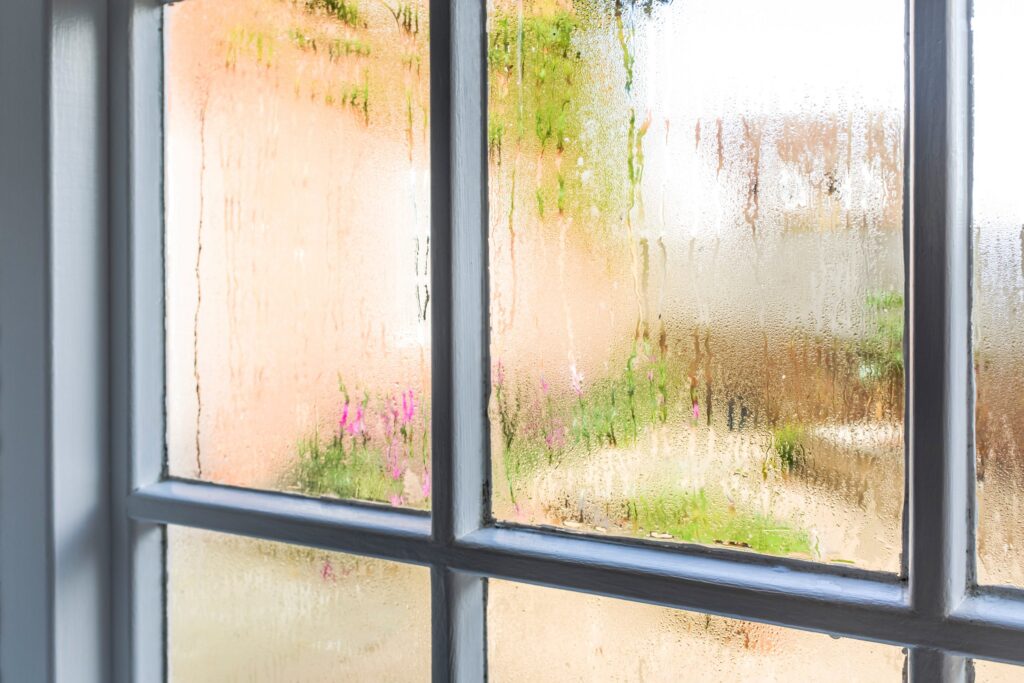
Evict high home humidity levels.

Preserve your garden before it freezes over.
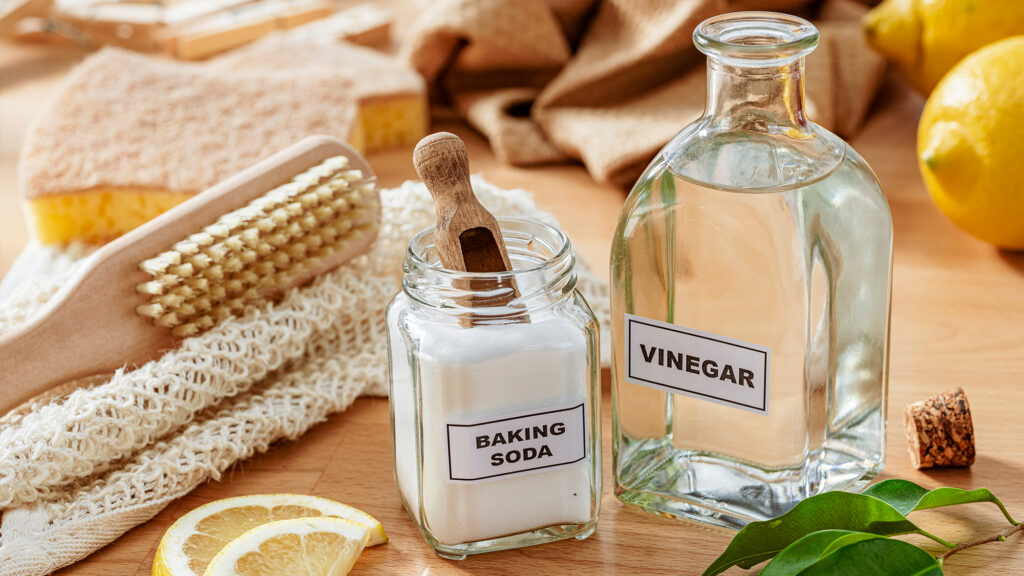
Spotless living sans commercial cleaners.